

Is Melatonin Safe? Side Effects, Dosage & What to Know
Written by Our Editorial Team & Medically Reviewed by Dr. Aisling Lanigan, N.D.
Key Takeaways
- Melatonin is a naturally occurring hormone your body already produces—it's not a sedative or sleep medication.
- It's not addictive, and supplementing doesn't affect your body's ability to make its own melatonin.
- Side effects are rare and typically mild (drowsiness, headache, nausea).
- Melatonin works best for jet lag, shift work, or occasional sleep support—but it's not a long-term fix for chronic sleep issues.
- If you're struggling with sleep regularly, it's worth addressing the root cause, not just the symptom.
Melatonin is one of the most popular sleep supplements out there—and for good reason. But if you've ever wondered whether it's actually safe to take, whether you can become dependent on it, or how it compares to other sleep aids, you're not alone.
Let's dig into what the research actually says.
What Is Melatonin, Exactly?
Here's something important to understand: melatonin isn't just a supplement you buy at the pharmacy. It's a hormone your body naturally produces.
Melatonin is made in the pineal gland (a tiny gland in your brain whose only job is producing this hormone). When your body senses darkness, the pineal gland releases melatonin, signaling that it's time to wind down and prepare for sleep. It's a key player in regulating your circadian rhythm—your internal sleep-wake cycle.
What melatonin is NOT:
-
It's not a sedative
-
It's not an antihistamine (like most over-the-counter sleep aids)
-
It's not addictive
-
It doesn't knock you out
Melatonin supplements use synthetic melatonin that's structurally identical to what your body produces. Rather than forcing you to sleep, it gently signals to your body that it's time to rest. It may also help lower your core body temperature slightly, which naturally promotes sleepiness.
Interestingly, melatonin also has antioxidant properties and may offer neuroprotective benefits—though that's not why most people take it.
Will Melatonin Affect My Body's Natural Production?
This is one of the most common concerns, so let's address it directly: No, taking melatonin supplements does not suppress your body's natural melatonin production.
Unlike some hormones, supplementing with melatonin doesn't create dependency or make your body "lazy" about producing its own. When you stop taking it, your pineal gland continues doing its job just fine.
That said, melatonin works best as a short-term tool, not a forever solution. If you're relying on it every single night for months on end, that's a sign something else might need attention.
When Does Melatonin Actually Help?
Melatonin shines in specific situations:
-
Jet lag: Helps reset your internal clock when traveling across time zones
-
Shift work: Supports adjustment when your work schedule conflicts with natural light/dark cycles
-
Occasional sleeplessness: Useful when stress, travel, or life disruptions throw off your routine
-
Age-related changes: As we get older, our bodies naturally produce less melatonin, so supplementing can help maintain a healthy circadian rhythm
If your sleep issues are chronic or you're lying awake with racing thoughts every night, melatonin alone probably won't solve the problem. That's when it's worth digging deeper into what's actually disrupting your sleep.
What's the Right Dosage?
Here's something that surprises a lot of people: more melatonin isn't better.
Melatonin supplements come in a wide range of doses—from 0.5 mg all the way up to 10 mg or more. But research suggests that lower doses are often just as effective (sometimes more effective) than high doses.
General guidelines:
-
Start low: Begin with 0.5 mg (500 mcg) and see how your body responds
-
Don't exceed 10 mg without guidance from your healthcare provider
-
Timing matters: Take melatonin 30-60 minutes before you want to fall asleep
-
Older adults may actually need lower doses, not higher
If you're taking 10 mg and it's not working, taking more isn't the answer. That's a sign to look at other factors affecting your sleep.
Are There Side Effects?
Side effects from melatonin are rare and typically mild when they do occur:
-
Daytime drowsiness (especially if you take too much or too late)
-
Headache
-
Nausea
-
Dizziness
There's also minimal concern about withdrawal symptoms. In studies of adults over 55 who took melatonin regularly, participants experienced few to no withdrawal effects when they stopped.
What About Long-Term Use?
Melatonin has been widely available for about 30 years now, and no significant long-term effects have been widely reported. That said, comprehensive long-term studies are still limited.
Our honest take: Melatonin is safe for occasional use, but it shouldn't be your permanent sleep solution. If you need it every night just to fall asleep, that's your body telling you something needs attention—whether that's stress, hormonal imbalances, sleep hygiene, or an underlying health issue.
Chronic sleep problems deserve more than a band-aid fix.
Melatonin and Medications: What to Know
If you're taking prescription medications, talk to your doctor before adding melatonin. While there are no major dangerous interactions, melatonin can interact with certain drugs:
-
Some medications deplete melatonin levels, so supplementing may be helpful
-
Other medications may have their effects altered by melatonin
General rules:
-
Avoid combining melatonin with alcohol—both have sedative effects
-
Skip the caffeine if you're taking melatonin—it will counteract the calming benefits
-
Always consult your healthcare provider if you have a preexisting condition or take regular medications
What About Melatonin for Kids?
Sleep issues are incredibly common in children—affecting at least one in four kids. But before reaching for melatonin, it's important to exhaust other options first.
Start with sleep hygiene basics:
-
Create a consistent, predictable bedtime routine
-
Limit screen time, especially in the evening
-
Keep their sleep environment cool and dark
-
Eliminate caffeine sources (including chocolate and some sodas)
-
Avoid large meals close to bedtime
-
Encourage physical activity during the day
-
Limit or eliminate naps if they're affecting nighttime sleep
If you've tried all of this and your child is still struggling, melatonin can be introduced under the guidance of a healthcare professional. Start with the smallest dose possible—children should not exceed 5 mg daily.
How to Support Melatonin Production Naturally
Supplements aren't the only way to support healthy melatonin levels. Your diet and lifestyle choices play a huge role in how well your body produces this sleep hormone.
Sleep Hygiene Practices
-
Dim the lights at least an hour before bed—light disrupts melatonin production
-
Switch electronics to warm/night mode and aim for 1-2 hours of screen-free time before sleep
-
Keep your bedroom for sleep only—avoid working in bed
-
Create a calming pre-bed ritual to signal to your body that it's time to wind down
Foods That Support Melatonin
-
Tart cherry juice: One of the richest natural sources of melatonin
-
Kiwi: May help improve how quickly you fall asleep and sleep duration
-
Grapes, strawberries, pistachios: Contain natural melatonin
-
Foods high in tryptophan: This amino acid helps produce serotonin and melatonin—find it in turkey, milk, cheese, eggs, and fish
-
Chamomile tea: A calming addition to your nighttime routine
Herbs That Support the Nervous System
-
Valerian root
-
Ashwagandha
-
Passionflower
-
Magnesium (supports relaxation and sleep quality)
How LunHer's Rest Supports Better Sleep
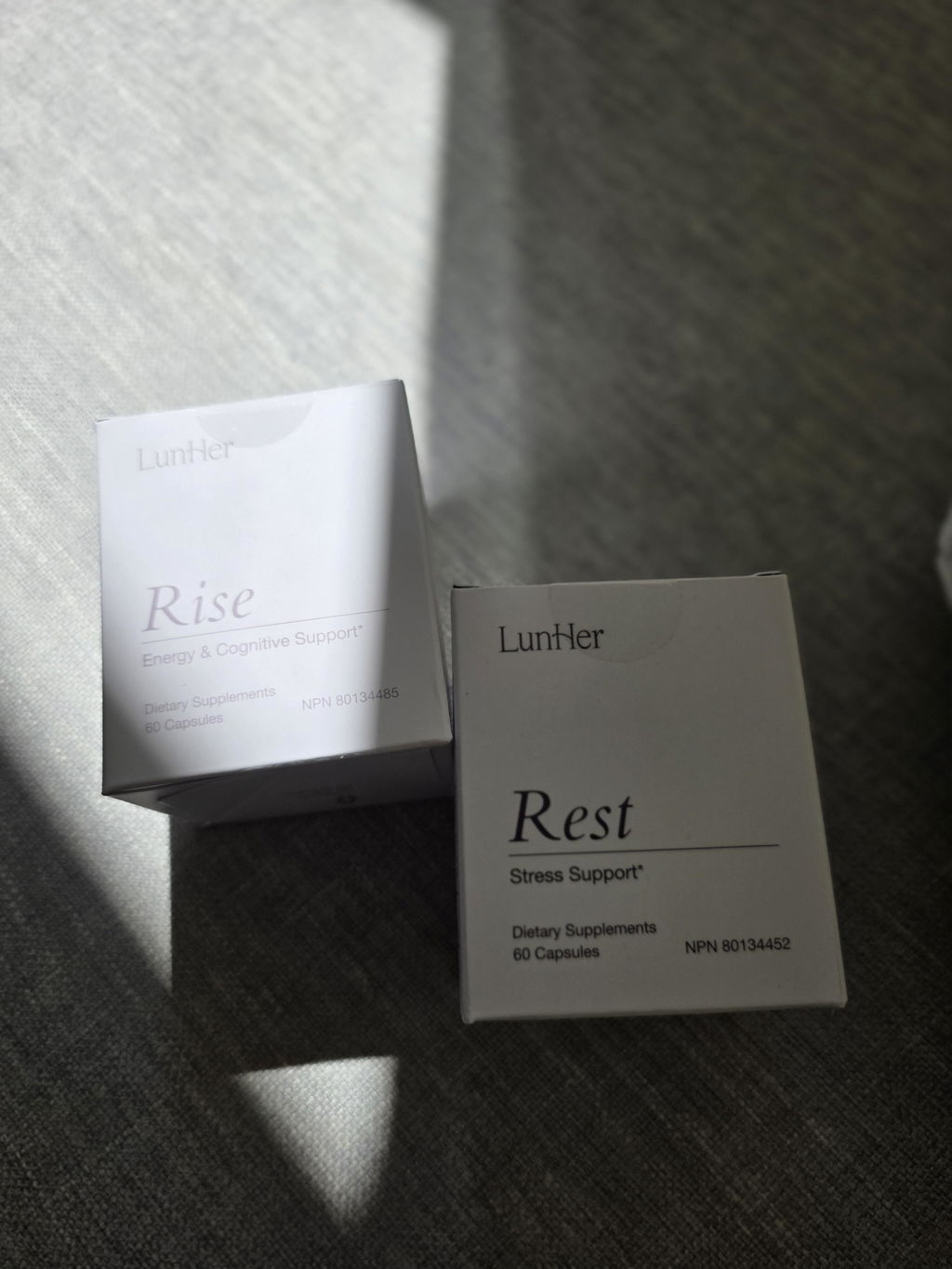
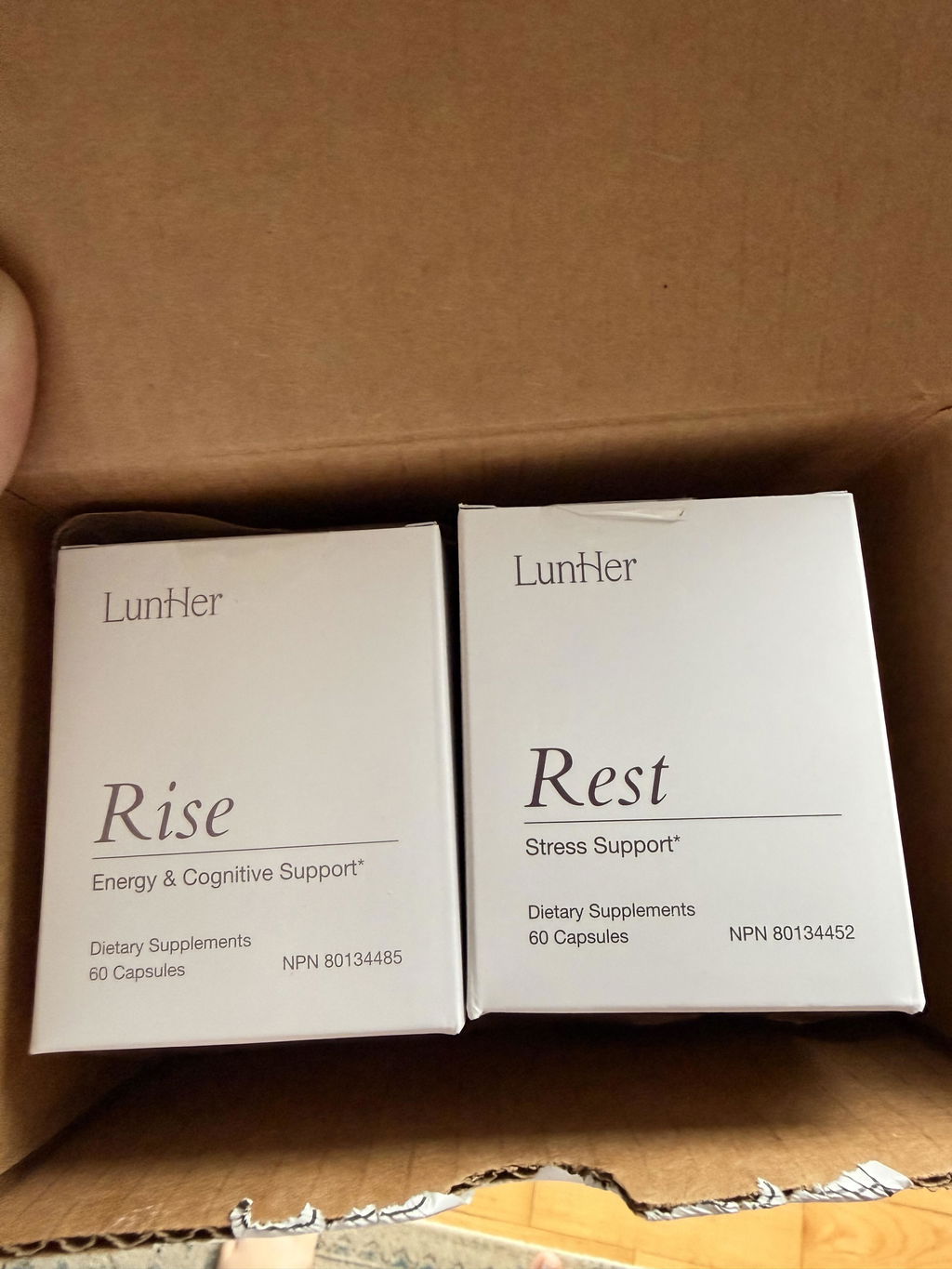
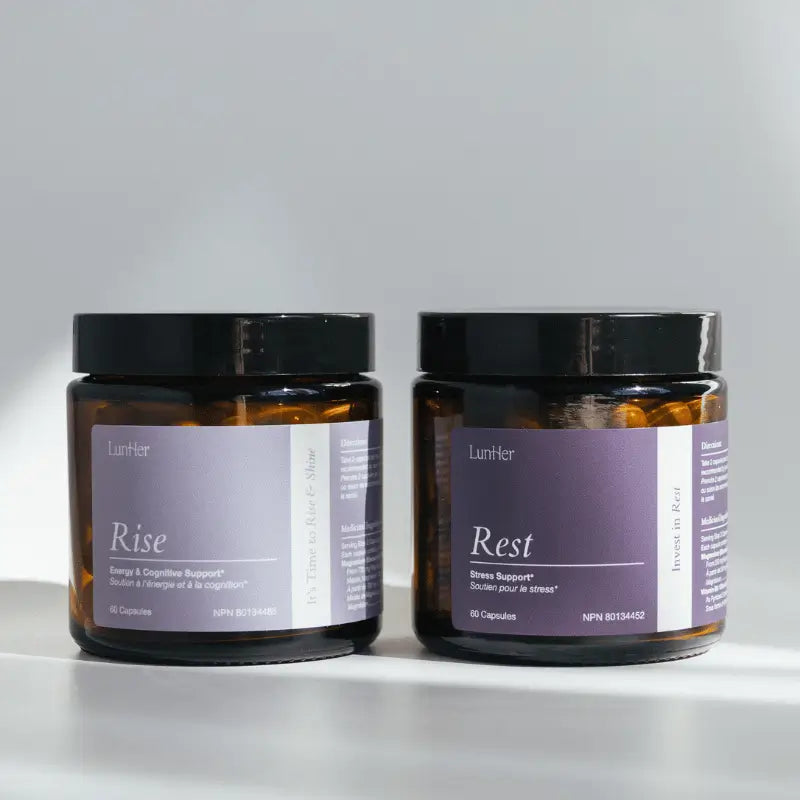
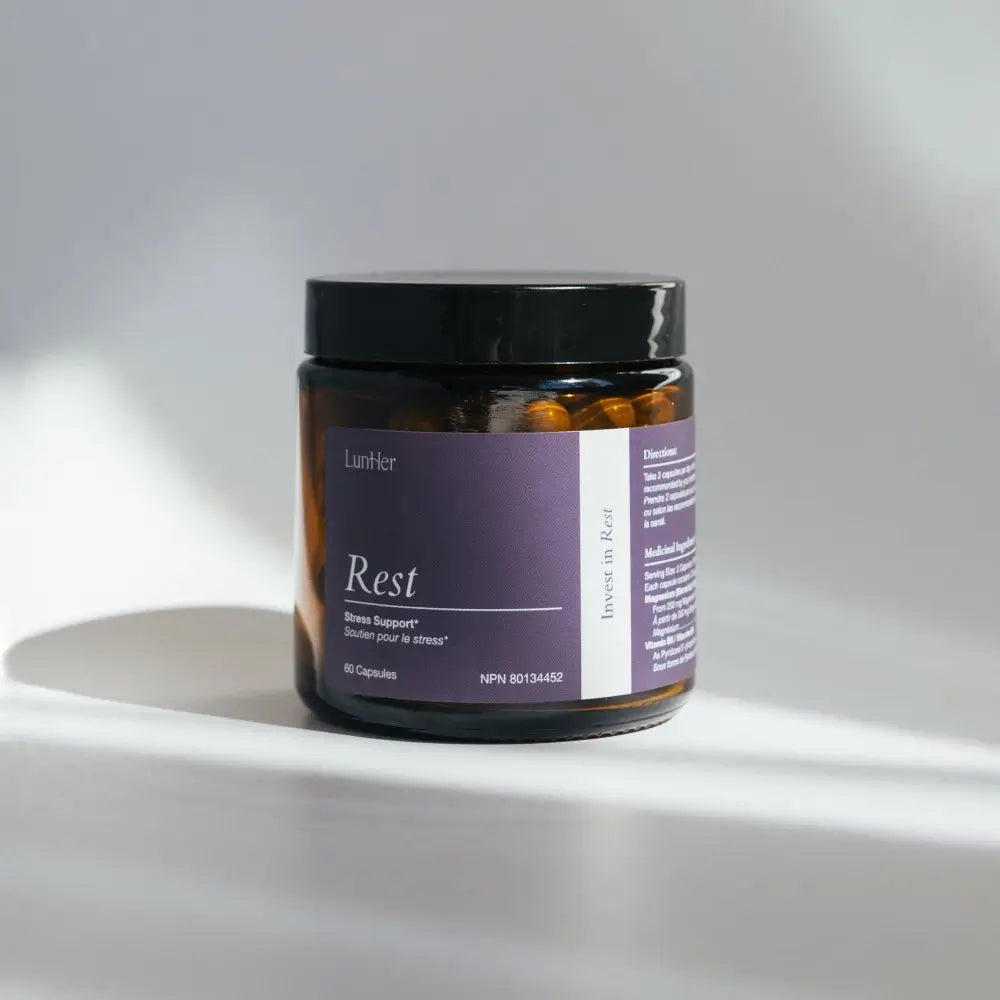
If you're looking for comprehensive sleep support that goes beyond melatonin alone, that's exactly why we formulated Rest.
Rest is our PM formula designed to help you wind down, fall asleep, and wake up actually feeling refreshed—not groggy. Rather than relying on a single ingredient, Rest combines clinically-studied compounds that work together to support your body's natural sleep processes:
What's in Rest:
-
Magnesium Bisglycinate (100 mg): One of the most gentle, bioavailable forms of magnesium. It helps calm physical tension, ease muscle tightness, and promote parasympathetic nervous system activation. Magnesium deficiency is incredibly common (especially in women) and is linked to poor sleep quality.
-
L-Theanine (100 mg): An amino acid known for its ability to promote alpha brain waves, helping you feel calm but not sedated. Shown to reduce racing thoughts, anxious restlessness, and improve sleep onset — especially when stress is the blocker.
- Chamomile, Schisandra, Passionflower (400 mg): Natural and powerful herbs well-studied for calming the nervous system and stress levels, by naturally balancing cortisol levels and enhancing resilience.
Why this combination works:
Instead of forcing your body to sleep (like sedatives do) or relying solely on melatonin signaling, Rest addresses multiple pathways: stress response, mineral deficiencies, nervous system regulation, and relaxation. It's designed for women whose sleep issues stem from the hormonal and stress-related challenges we actually face—not a one-size-fits-all approach.
Rest is ideal if you:
-
Struggle to quiet your mind at night
-
Wake up feeling unrested even after a full night's sleep
-
Are navigating hormonal transitions (postpartum, perimenopause, cycle-related sleep disruptions)
-
Want to support sleep without becoming dependent on sleep aids
-
Experience stress or burnout that's affecting your sleep quality
The goal isn't to knock you out. It's to support your body's own ability to rest deeply and wake up ready to show up for your life.
The Bottom Line
Melatonin is a naturally occurring hormone that's generally safe for short-term use. It can be genuinely helpful for jet lag, shift work, occasional sleeplessness, and age-related sleep changes.
But here's the real talk: if you're struggling with sleep night after night, melatonin isn't the answer—it's a temporary support while you figure out what's actually going on. Chronic sleep issues often point to deeper imbalances: stress, hormonal shifts, nutrient deficiencies, or lifestyle factors that need attention.
Good sleep isn't just about falling asleep. It's about creating the conditions—in your body and your life—for truly restorative rest.
The information in this article is for general educational purposes only and is not intended to replace consultation with a qualified healthcare professional. Always consult a doctor or naturopath before starting any supplement, particularly if taking medications or managing a health condition. LunHer products are not intended to diagnose, treat, cure, or prevent any disease.