Why Women Need Protein: A Scientific Guide to the Benefits of Taking Protein
Let’s set the record straight: protein isn’t just for bodybuilders or bulking season. It’s a foundational nutrient your body needs at every stage of womanhood from your first cycle to pregnancy, postpartum, perimenopause and beyond.
The LunHer Take
- It’s a common misconception that protein causes you to bulk up.
- Protein is essential for women’s strength, energy, hormones, metabolism, bone health, and beauty.
- If you’re struggling to get enough protein through food alone, a high-quality protein supplement may be a simple solution worth exploring.
Why Do Women Need Protein?
When you think of protein, you might imagine a muscular man pumping iron, but the truth is women need protein just as much as men do. Protein is in every single cell of your body and it plays a critical role in many functions, from cells all the way up to muscles. As a macronutrient, protein is required for the structure and regulation of all tissues and organs, ensuring that they function optimally. Protein also helps generate energy for healthy muscle contractions. Plus, protein is necessary when trying to gain muscle mass. Without enough protein, your energy dips, your recovery slows, and you might feel off.
Dietary protein is commonly found in animal products and poultry; however, it is also found in some vegetables and legumes. When consumed in meals, it contributes to feeling fuller and satisfied. The US National Library of Medicine recommends that men and women consume between 10% to 35% of their total calories in the form of protein. For some people, this can be challenging, especially for older adults. That’s why protein powders and shakes are a great way to ensure you consume the right amount of protein you need daily.
Will Protein Make You “Bulky”?
You might be concerned that protein will cause you to bulk up but this shouldn’t be a big concern. Women can also use protein to build lean muscle. Lean muscle makes the body appear stronger and healthier instead of bulky. It’s a common misconception that protein consumption will make women look overweight. Protein also helps women maintain radiant skin, strong bones, and helps the body recover faster after exercise.
One of the biggest benefits of protein for women is that it can provide a source of energy and promote satiety. Consuming extra protein in snacks can help women get through an afternoon slump, or fuel the body to get through a tough workout. Protein shakes make it easy to grab protein on-the-go.
Benefits of Protein
Weight Management
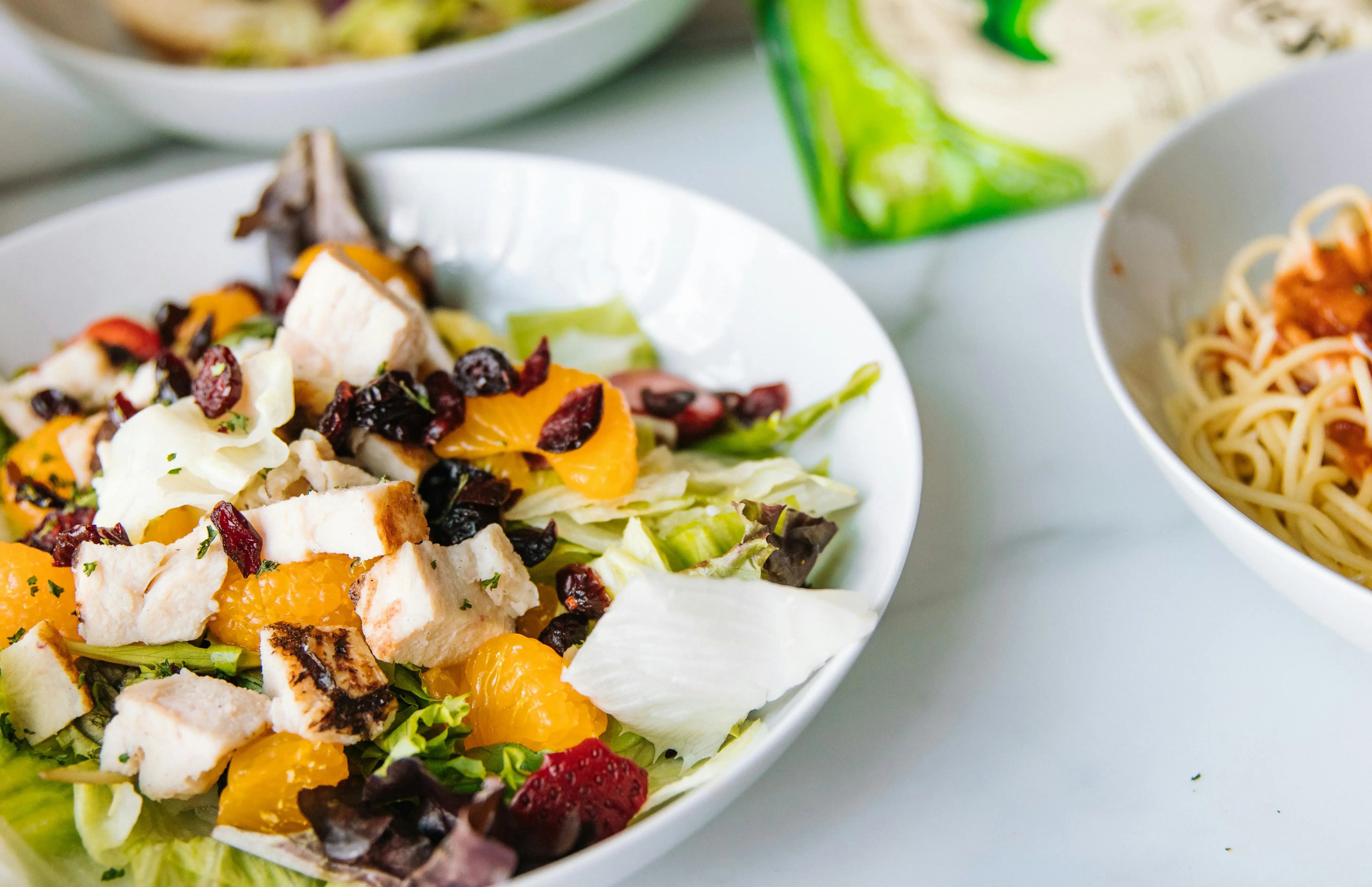
If you are trying to manage your weight, or change your body composition, eating enough protein is essential (along with regular exercise, stress management, adequate water intake, and sleep). Ideally, you should be consuming some protein with every meal. Here are some common sources of protein:
-
Dairy products
-
Lean meats
-
Poultry
-
Seafood
-
Legumes
-
Tofu
-
Quinoa
-
Almonds
-
Chia seeds
If you are prone to snacking, eating protein during a meal can help you feel satiated longer and may even curb snacking especially when combined with fiber. To effectively manage weight with protein, consumption should be spread out throughout the day. One study found that people who consumed protein throughout the day at each meal were more likely to consistently maintain healthy weight, compared to those who skipped protein during meals.
Metabolism & Lean Muscle
Building lean muscle tissue is essential to increasing the body’s ability to burn calories. The more muscle tissue a person has, the higher their metabolic rate. Metabolic rate is how many calories your body needs to function properly each day at rest. The presence of lean muscle tissue increases metabolism. It also helps the body convert food into energy. Muscles are more metabolically active than adipose tissue. So the more lean muscle present, the more calories your body can burn at rest. Protein is essential to building lean muscle tissue to keep this process running optimally.
Amino acids are known as the “building blocks" of protein. Making sure you get enough through your diet can help with muscle repair for continued growth in the long run. When you exercise or lift weights, your muscles experience fatigue, and micro tears develop in your muscles. Protein breaks down in the body and the body uses amino acids to repair the tears, making muscles stronger.
Hair, Skin, & Nail Health
Protein plays a large role in the health and integrity of hair, skin, and nails. Collagen is a protein that makes up to 70% of our skin’s composition. It is the most abundant protein that the body provides and it is present in the connective tissues we rely on to maintain joint mobility. As we age, natural collagen production declines (dramatically after 30), so getting enough protein becomes even more important.
One of the most common misperceptions of nail health is that the nails are made of calcium, when they are actually made of protein. Protein is necessary to maintain strong and smooth nail beds. Hair is also made of a protein called keratin, which promotes shiny, strong, and healthy looking hair.
Bone Health
According to statistics, women are more likely to experience challenges with bone health. Most people aren’t as aware of this but protein plays a role in strong and healthy bones.
Recent in vitro research shows that active components found in whey may contribute to osteoblast cell formation which contributes to overall bone health. While research also suggests that peptides derived from pea protein may also have properties that promote bone health. Additional human research is needed before conclusions can be made.
Convenience & Taste
Not every meal is perfectly balanced and that’s okay. Protein powders and shakes can help fill the gaps when you’re short on time, traveling, postpartum, or simply not in the mood to cook. Unfortunately, there are a lot of powders out there that taste dry and chalky. Another problem is that many protein powders have trouble dissolving or blending into milk, juice, or water. Nobody should have to sacrifice taste for convenience. And nobody should have to sacrifice convenience for taste. With a large selection of protein powders on the market, you can make comparisons for which one works best for you.
Shopping for a tasty protein powder shouldn't be complicated. When conducting your search, you will probably find that whey protein powders come up first; however, there are all sorts of protein powders out there: hemp, soy, and egg are only a few. The taste varies widely when it comes to protein powders.
The Bottom Line
Protein doesn’t mean “bulking.” It has so many benefits, from a better metabolism to healthier hair and nails. It’s important that you’re getting enough protein with every meal and if you’re struggling to get enough through food alone, a high-quality protein supplement may be a simple solution worth exploring.
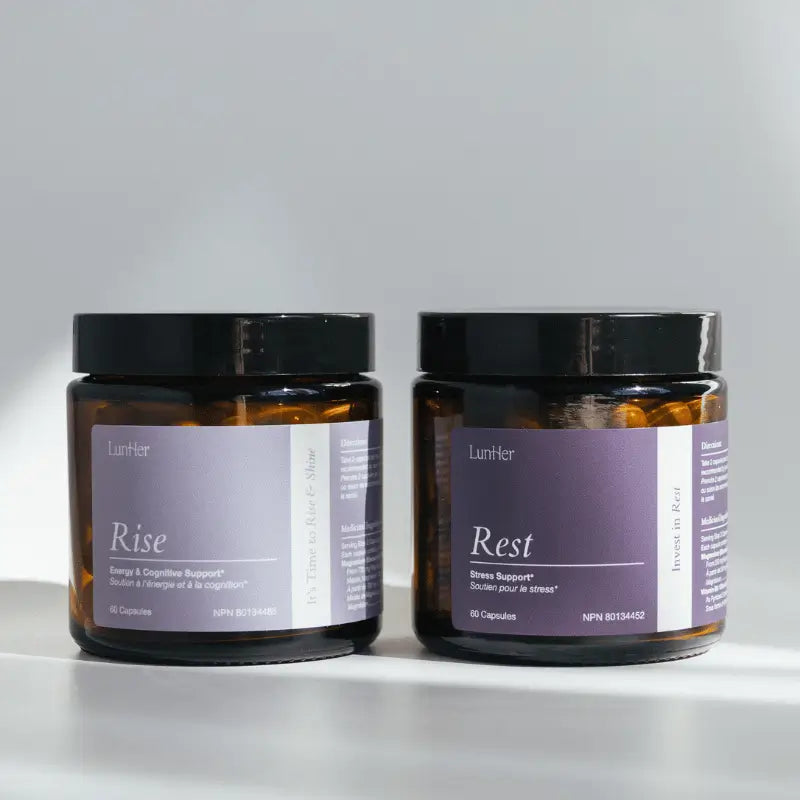
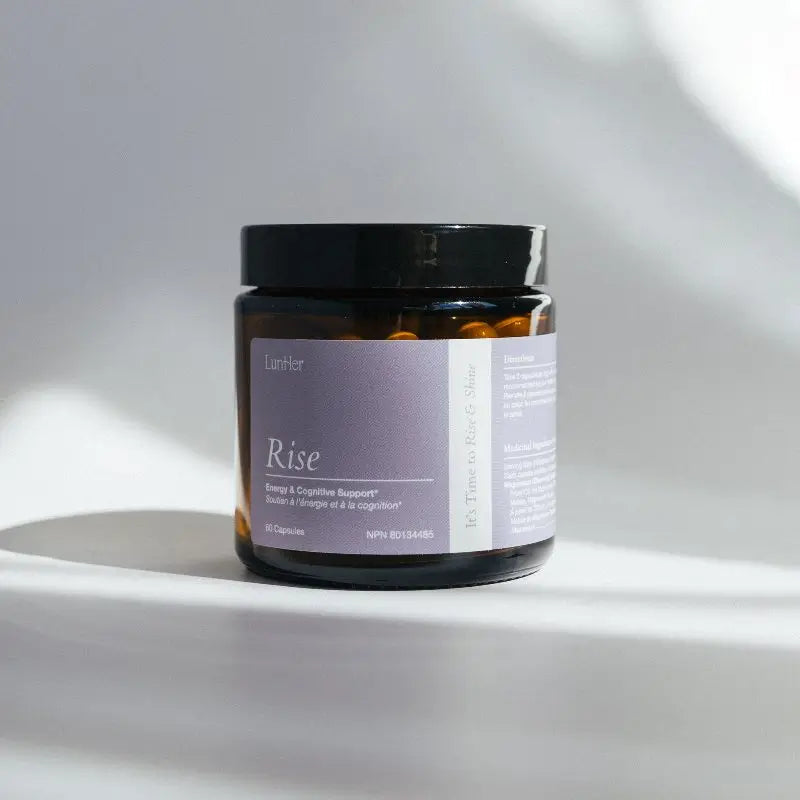
The Daily Ritual pairs well with a protein-first diet to close micronutrient gaps →
The information in this article is for general educational purposes only and is not intended to replace consultation with a qualified healthcare professional. Always consult a doctor or naturopath before starting any supplement, particularly if taking medications or managing a health condition. LunHer products are not intended to diagnose, treat, cure, or prevent any disease.