
Adaptogens for Stress: What They Are and How They Work
Written by Our Editorial Team & Medically Reviewed by Dr. Aisling Lanigan, N.D.
Key Takeaways
- Adaptogens are natural substances that help the body cope with stress by supporting regulation of the hypothalamic–pituitary–adrenal (HPA) axis and related stress pathways, rather than simply stimulating or sedating the nervous system.
- To be described as an adaptogen, a substance is generally expected to: (1) provide non‑specific support against diverse stressors, (2) help maintain or restore homeostasis, and (3) be non‑toxic at recommended doses.
- Benefits from adaptogens typically emerge over weeks, not overnight; many clinical trials run 4–12 weeks, with gradual improvements in stress, mood, and sleep rather than immediate dramatic changes.
Stress is universal. Whether it's work deadlines, caregiving responsibilities, hormonal transitions, or simply the relentless pace of modern life, stress shows up in countless forms. As conversations about stress management shift from "push through it" to "actually support your body," adaptogens have emerged as one of the most discussed tools in the wellness space.
This guide cuts through the noise, explaining what adaptogens are, how they influence the body’s stress response, and how Holy Basil and Schisandra (the adaptogens in LunHer’s Daily Ritual Bundle) fit into the current evidence base for stress resilience.
What are adaptogens?
Adaptogens are a class of natural substances, typically herbs or mushrooms, that help the body adapt to stress and maintain physiological balance. They do not eliminate stress; instead, they appear to support the body’s ability to respond to stressors in a more regulated, resilient way.
When the concept of adaptogens was first introduced, they were described as agents that increase “non‑specific resistance” to stress and support homeostasis. In modern reviews, adaptogens are often described as herbal preparations that increase tolerance to mental exhaustion and enhance attention and mental endurance under conditions of decreased performance. They are still considered a functional concept rather than an official drug class.
Widely cited criteria for adaptogens include:
-
Non‑specific support: They help the body resist a broad range of physical, chemical, or biological stressors.
-
Homeostatic regulation: They help maintain or restore balance in body systems, offsetting disruptions caused by external stressors.
-
Low toxicity: They should not disturb normal physiological functions or cause significant adverse effects at recommended doses.
Adaptogens have been used for centuries in systems like Ayurveda and Traditional Chinese Medicine, where herbs such as Holy Basil and Schisandra were valued for supporting vitality, endurance, and resilience during periods of strain. Contemporary research, including controlled clinical trials on several adaptogens, suggests potential benefits for stress, fatigue, and cognitive function, although the quality and quantity of evidence vary by herb and by preparation.
How Do Adaptogens Work?
Stress activates a highly coordinated network involving the hypothalamic–pituitary–adrenal (HPA) axis and the autonomic nervous system. When a stressor is encountered, the hypothalamus signals the pituitary gland, which signals the adrenal glands to release cortisol and other stress mediators. In short bursts, this response is adaptive: cortisol increases energy availability, sharpened attention, and readiness for action.
When stress becomes chronic, prolonged activation of the HPA axis and sympathetic nervous system can contribute to:
- Weakened immune function
- Sleep disruption
- Mood instability (anxiety, irritability, low mood)
- Brain fog and impaired cognitive function
- Metabolic changes (blood‑sugar dysregulation, weight gain)
- Increased inflammation
Research suggests that adaptogens support regulation of this stress response rather than simply blocking it. Their stress‑protective activity has been linked to modulation of the HPA axis and the regulation of key mediators of cellular stress.
Key Mechanisms Proposed for Adaptogens
1. HPA axis modulation
Adaptogens appear to influence the HPA axis by modulating stress hormone signaling and helping normalize cortisol levels under stress. Human and animal studies with various adaptogens suggest that repeated administration can blunt excessive cortisol responses to stress and support more efficient recovery toward baseline, although the extent and consistency of this effect differ by herb and preparation.
2. Antioxidant and anti‑inflammatory effects
Many adaptogenic herbs contain bioactive compounds with antioxidant and anti‑inflammatory properties, which help buffer oxidative stress and inflammatory signaling associated with chronic stress exposures. For example, Schisandra lignans and Holy Basil polyphenols have been shown in preclinical and small clinical studies to support antioxidant defenses and modulate inflammatory markers.
3. Neurotransmitter and neuroprotective effects
In vitro and animal models suggest that certain adaptogens can influence monoamine neurotransmission (such as serotonin and dopamine), GABAergic signaling, and neuronal resilience. These effects may underlie observed improvements in mood, cognitive performance, and fatigue in some clinical contexts, though direct neurotransmitter changes in humans remain less clearly defined.
Importantly, adaptogens are not fast‑acting stimulants or sedatives. Clinical trials and traditional use suggest that their benefits typically emerge over weeks of consistent use, reflecting gradual support of adaptive stress‑response mechanisms rather than an immediate “boost” or “knock‑out” effect.
Adaptogens in LunHer’s Daily Ritual Bundle
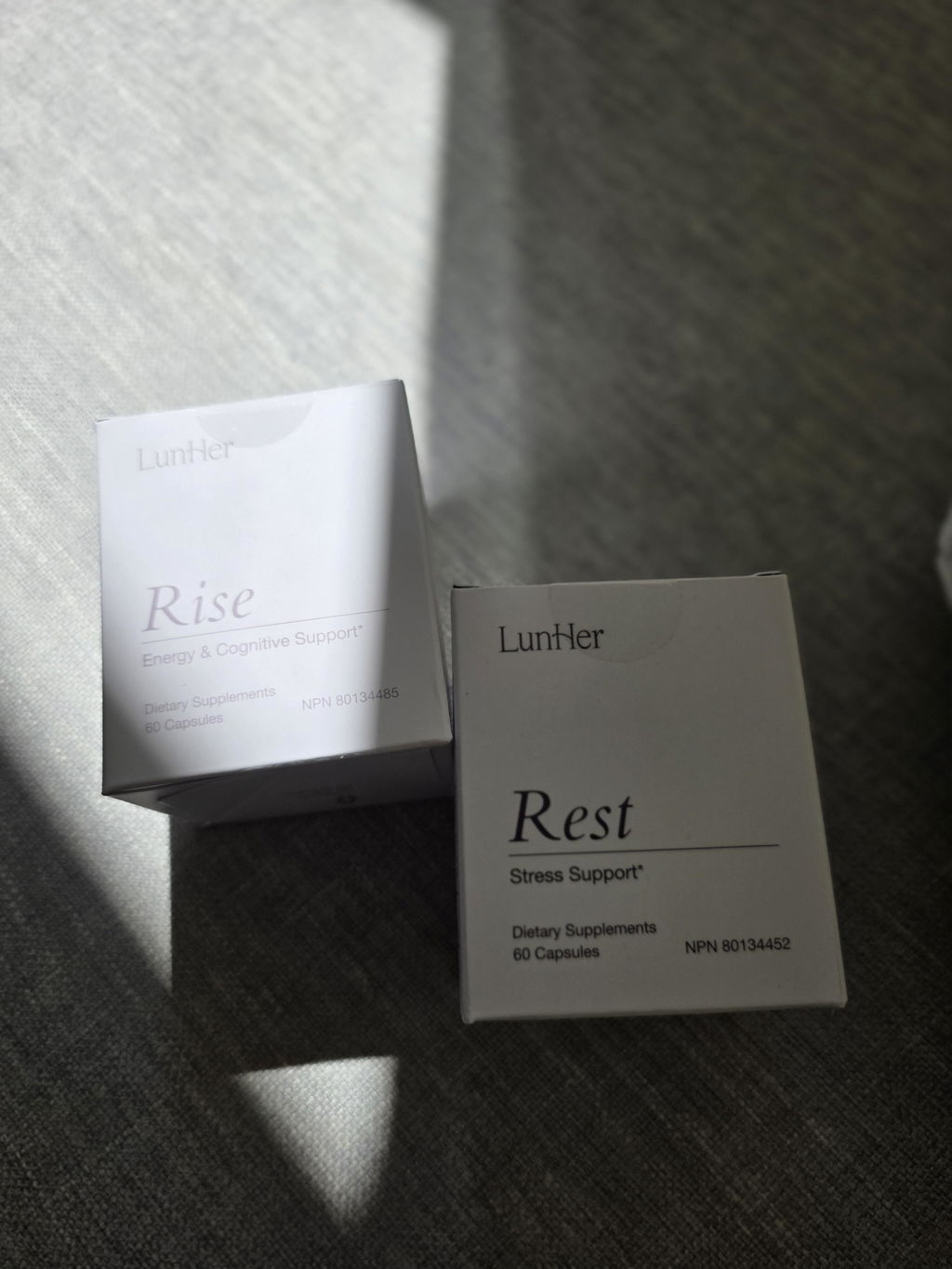
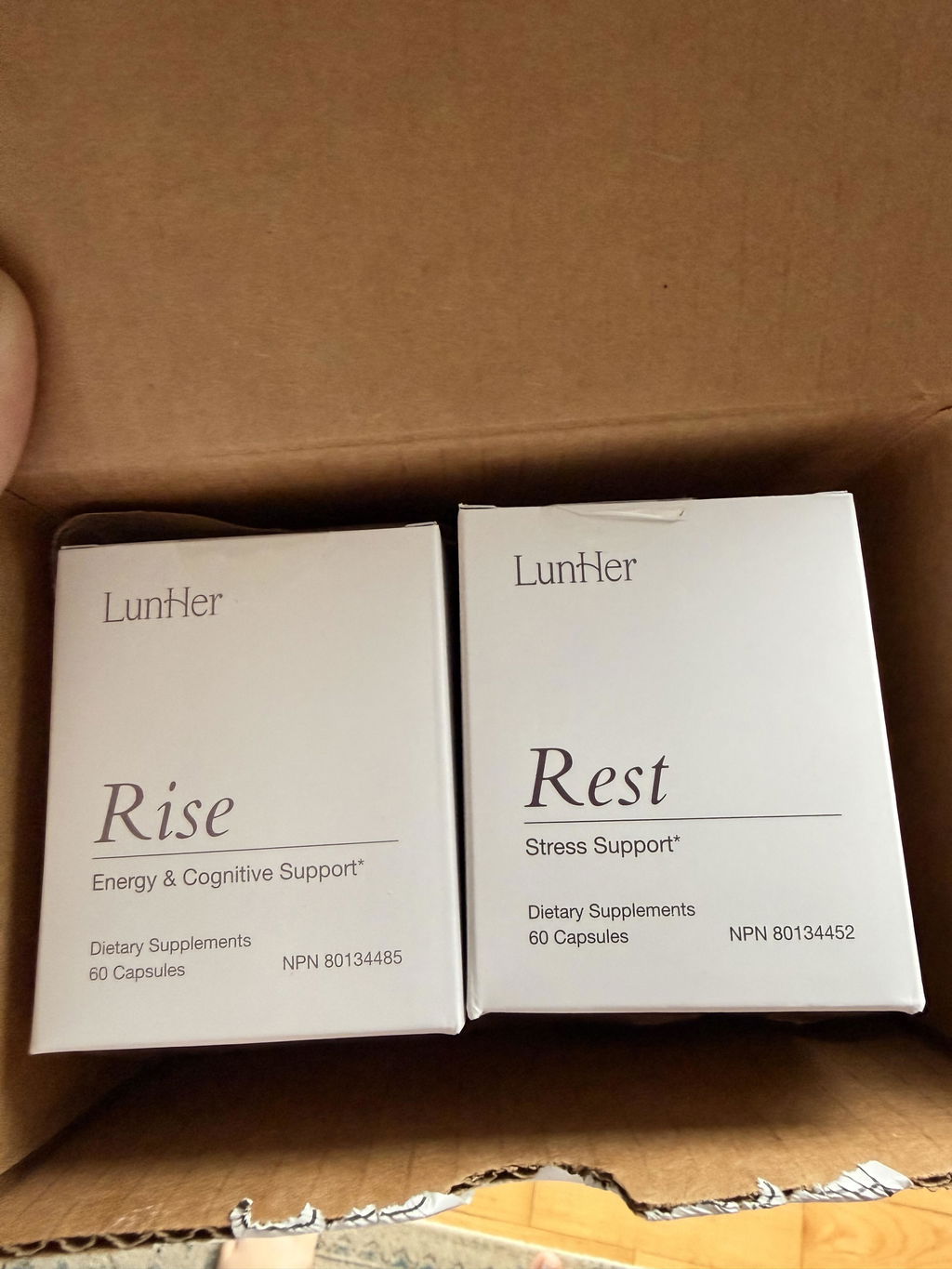
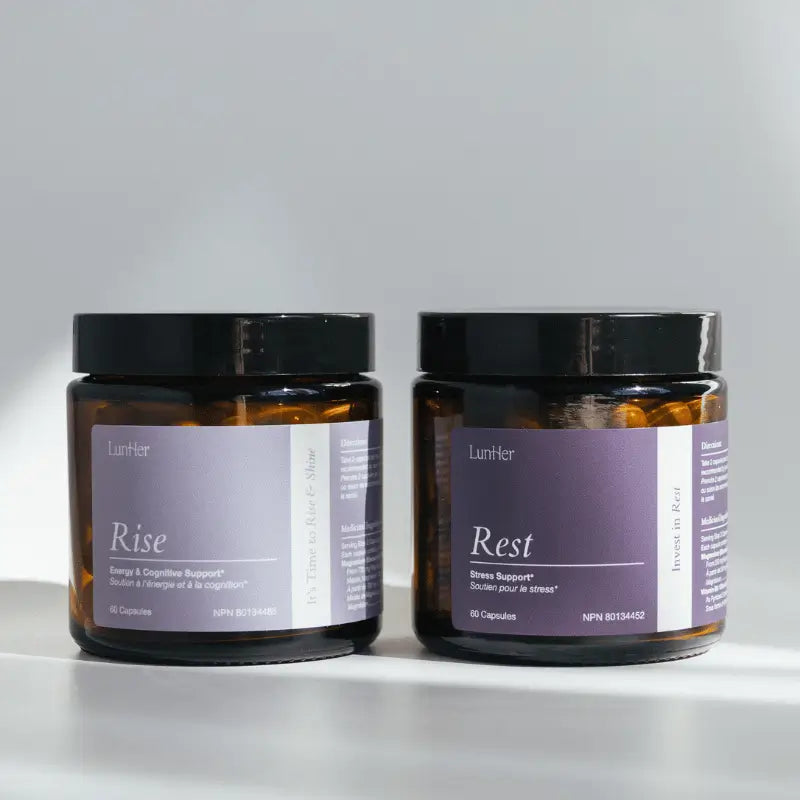
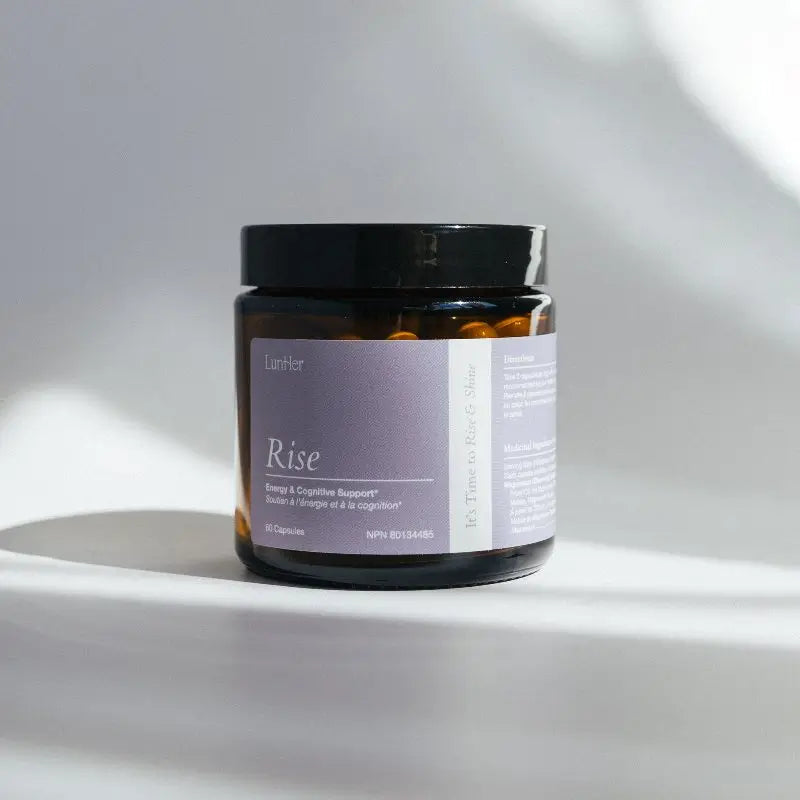
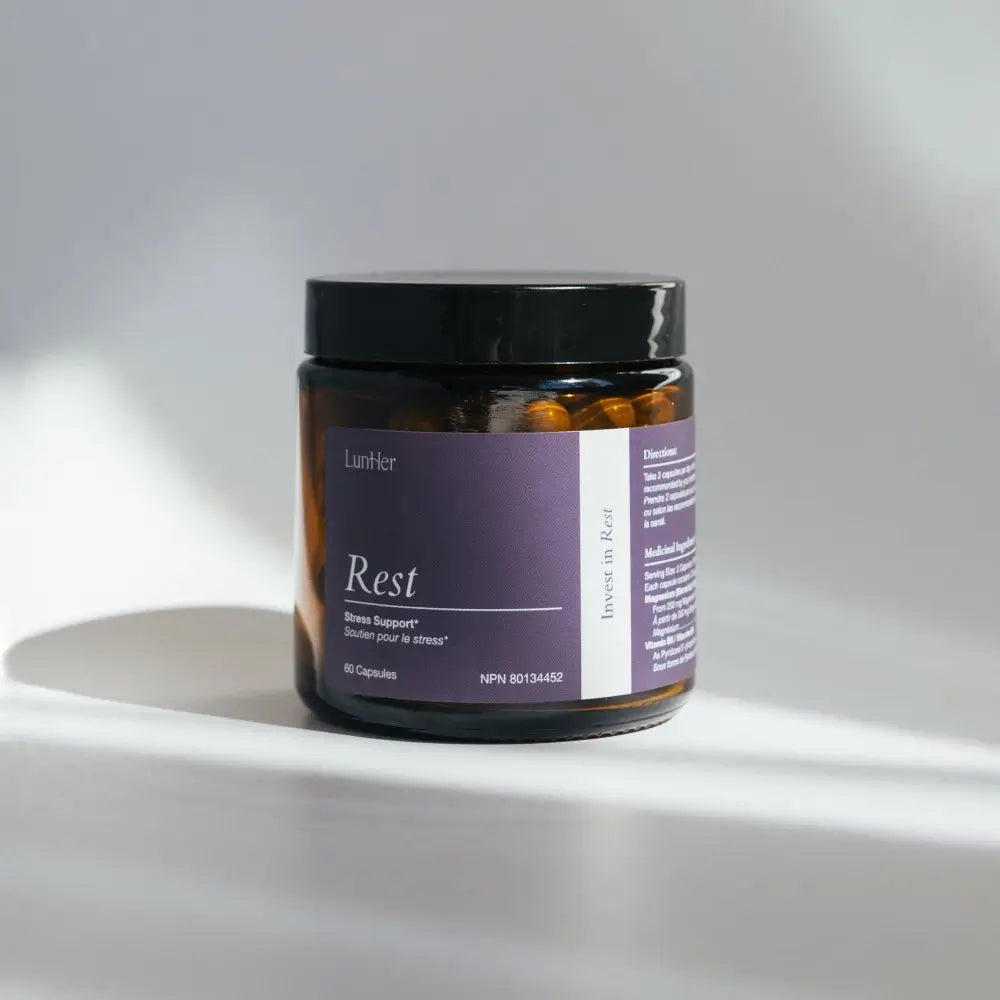
LunHer’s Daily Ritual Bundle includes two adaptogens with traditional use for stress and resilience and emerging clinical evidence: Holy Basil (Ocimum tenuiflorum) in the Rise AM formula and Schisandra (Schisandra chinensis) in the Rest PM formula.
Holy Basil
Holy Basil, or Tulsi, is a cornerstone of Ayurvedic medicine, traditionally revered as a “sacred” plant that supports vitality, emotional balance, and resilience during periods of stress. Tulsi leaves contain several bioactive compounds, including eugenol, ursolic acid, rosmarinic acid, and unique glycosides such as ocimumosides, which are thought to contribute to its adaptogenic and antioxidant properties.
Data suggests that standardized Holy Basil extracts can reduce subjective stress and improve stress‑related sleep and mood outcomes over 8 weeks in adults experiencing stress, with good tolerability.
Why Holy Basil in Rise (AM Formula)?
Holy Basil is not typically sedating and has been associated with improved stress tolerance, mood, and daytime functioning rather than drowsiness. For this reason, it is well‑suited as a daytime adaptogen to support stress resilience, emotional balance, and cognitive performance under pressure.
Schisandra
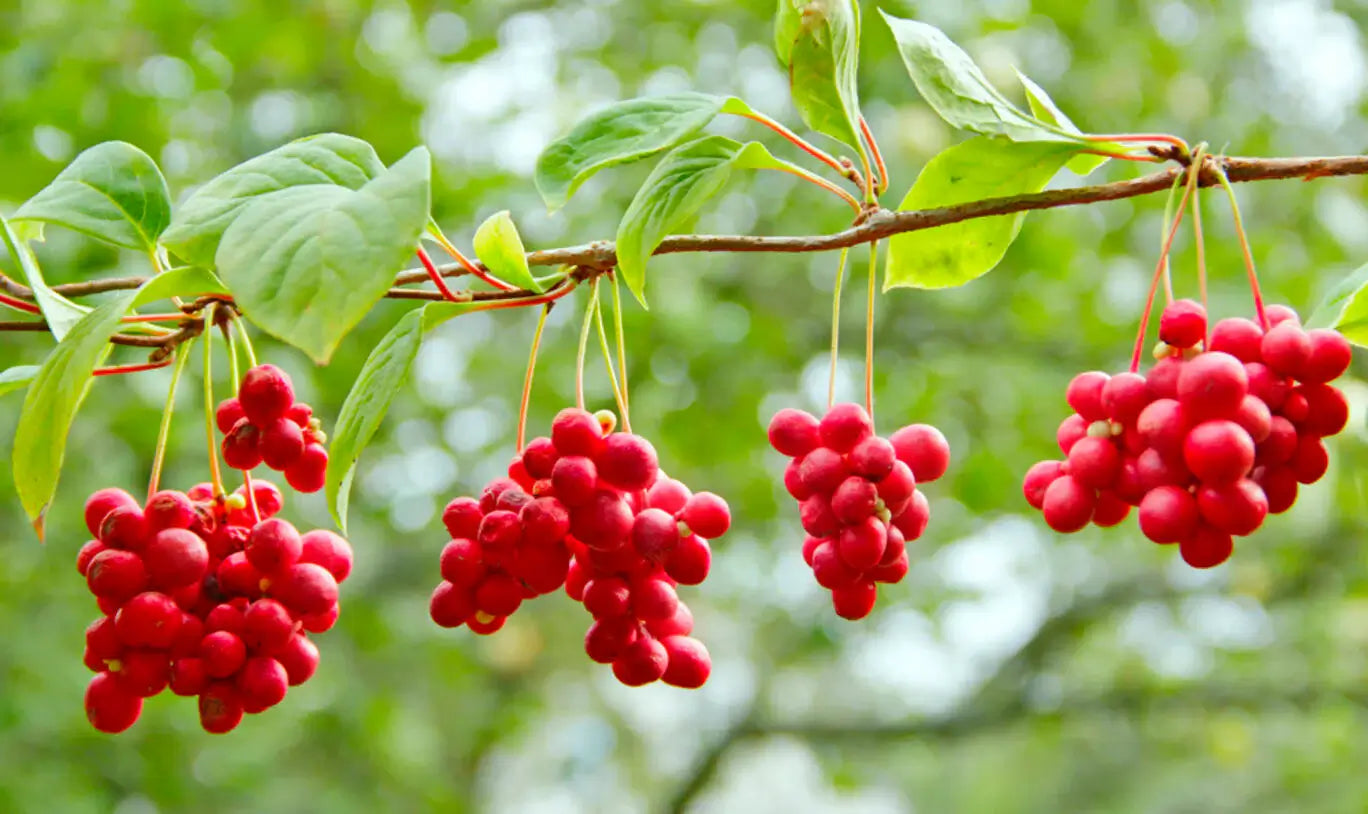
Schisandra berries have a long history of use in Traditional Chinese Medicine and Russian herbal practice as a “five‑flavor” fruit that supports endurance, mental clarity, and resistance to fatigue. Schisandra contains a rich array of lignans, including schizandrin and gomisin A, B, and C, which exhibit antioxidant, hepatoprotective, and stress‑modulating activities in preclinical research.
A systematic review of adaptogens concluded that Schisandra‑containing preparations show “good scientific evidence” for increasing endurance and mental performance in patients with mild fatigue and weakness, as well as improving stress‑induced symptoms under fatigue. In clinical studies, these benefits were typically observed in the context of multi‑herb adaptogenic formulas and small trials, underscoring the need for more large, independent RCTs of Schisandra alone.
Why Schisandra in Rest (PM Formula)?
By supporting stress‑response signaling, antioxidant defenses, and liver function, Schisandra is traditionally used to promote calm focus by day and restorative sleep at night.
Why Consistency Matters with Adaptogens
Adaptogens are not quick fixes. Clinical trials typically run 4–12 weeks, and most participants report benefits that emerge gradually over time rather than immediately. This reflects how adaptogens work: by helping the body recalibrate stress‑response pathways and cellular resilience, rather than simply masking symptoms.
As with any herbal intervention, individual responses vary and adaptogens should be integrated alongside core pillars of stress management such as sleep hygiene, movement, nutrition, psychological support, and (when indicated) medical care.
The Bottom Line
Adaptogens will not remove stress from life, and they will not work overnight. However, by supporting the body’s own adaptive stress‑response mechanisms, herbs like Holy Basil and Schisandra can play a meaningful adjunctive role in a comprehensive strategy for stress resilience.
For women navigating chronic stress, demanding schedules, hormonal transitions, or nervous‑system dysregulation, adaptogens are best viewed as one supportive pillar within a broader foundation of lifestyle, psychological, and medical care. Take Rise in the morning, take Rest in the evening, and allow several weeks of consistent use for your body’s adaptive systems to recalibrate and respond.
LunHer Daily Ritual Bundle — Rise + Rest
AM/PM System for Stress Resilience, Energy, and Sleep
- Rise (AM): Holy Basil adaptogen for daytime stress resilience
- Rest (PM): Schisandra for evening relaxation and sleep support
- Health Canada NPN approved
- Third-party tested for purity and potency
- Clinical doses in bioavailable forms
- Doctor and naturopath formulated
- 60-day satisfaction guarantee
The information in this article is for general educational purposes only and is not intended to replace consultation with a qualified healthcare professional. Always consult a doctor before starting any new supplement regimen, particularly if taking medications or managing a health condition.