
Supplements to Reduce Cortisol: 13 That Actually Help (2026)
Cortisol, your body's main stress hormone, helps you wake up, focus, and respond to challenges. It is not the enemy. The trouble starts when it stays elevated for too long, and that is when the exhaustion, the 3am wake-ups, the brain fog, and the mood swings creep in. If you are running on empty and looking for supplements to reduce cortisol naturally, this is the evidence-based version, plus where the science is genuinely thin.
Key takeaways: Cortisol is part of your body's natural rhythm, not a flaw to fix. Chronic stress is what throws it out of balance, and over time that shows up in your sleep, mood, energy, and hormones. The most evidence-backed supplements to reduce cortisol are magnesium, L-theanine, and adaptogens like holy basil and rhodiola. None of them replace the basics: restorative sleep, steady blood sugar, and gentler movement.
What supplements help reduce cortisol?
The supplements with the strongest research behind them are magnesium, L-theanine, and adaptogens such as holy basil, rhodiola, and ashwagandha, plus omega-3s and phosphatidylserine. None of them override a body that is chronically depleted. They work best alongside better sleep, gentler movement, and steadier blood sugar, not instead of them.
What is cortisol, and why do your levels matter?
Cortisol is your body's main stress hormone, released by your adrenal glands on a daily rhythm. It helps you wake, focus, manage blood sugar, and respond to challenges. The problem is not cortisol itself, it is cortisol that stays elevated for too long, which slowly wears down your sleep, mood, energy, and hormones.
Natural cortisol levels are highest in the morning and taper through the evening as your body prepares for sleep. That daily curve is exactly what a healthy nervous system does. Chronic stress flattens or distorts it, and that is where the symptoms live.
Is adrenal fatigue real? What is actually happening to your HPA axis →
How do high cortisol levels affect your sleep and mood?
When cortisol runs high for weeks or months, it disrupts the wind-down your body needs at night, so you wake at 3am or sleep without feeling rested. It also pulls on mood, leaving you flat, irritable, or wired but exhausted. Sleep and cortisol feed each other in a loop.
This is the part that makes burnout so confusing. You are tired all the time, but your body will not let you rest properly, so nothing you try seems to stick. It is not four separate problems. It is one depleted system stuck in a loop.
What causes consistently high cortisol?
Short cortisol spikes from exercise or a stressful day are normal and healthy. Consistently high cortisol usually comes from chronic, unrelenting stress, poor or broken sleep, blood-sugar swings, and running on empty for months. That steady elevation, not the occasional spike, is what wears your nervous system down over time.
If your cortisol is elevated for a genuine medical reason, that is different and needs a doctor. For everyday burnout and chronic stress, though, the goal is not to crush cortisol. It is to help your body find its natural rhythm again.
The 13 best supplements to reduce cortisol
These 13 supplements have research suggesting they support a healthier cortisol response, from minerals your body burns through under stress to adaptogens that help your system adapt. Effects vary from person to person, and none replace the basics. Talk to your practitioner before starting anything, especially alongside medication.
1. Magnesium
During periods of elevated stress, your body's magnesium levels can become depleted faster. Research has linked magnesium deficiency to greater susceptibility to stress, and people with high stress tend to run lower in magnesium. This is why maintaining adequate magnesium matters so much for a steady stress response, and why the form you choose matters too.
2. L-theanine
L-theanine is an amino acid found naturally in green tea. One study found it can reduce stress and cortisol levels while supporting the neurotransmitters dopamine and serotonin. It promotes a state of calm alertness without sedation, which is why it is a go-to for a busy mind that will not switch off.
3. Ashwagandha (and why LunHer leaves it out)
Ashwagandha is an adaptogen with real research behind it. One study found that people taking ashwagandha extract saw reduced cortisol and a 44% improvement in a mental-health measure versus placebo. It is genuinely effective for short-term stress.
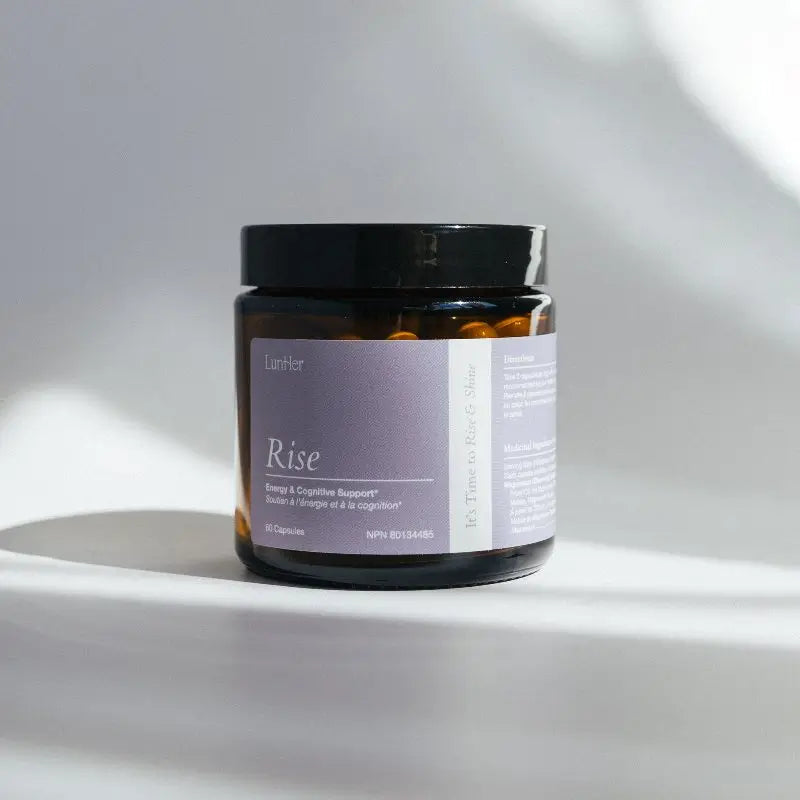
Here is our honest take, though. LunHer deliberately leaves ashwagandha out of its daily formulas, because long-term daily use has been associated with thyroid and cortisol dysregulation. For a supplement you take every day, ongoing, we chose holy basil instead: an adaptogen that supports cortisol modulation without the same thyroid disruption risk.
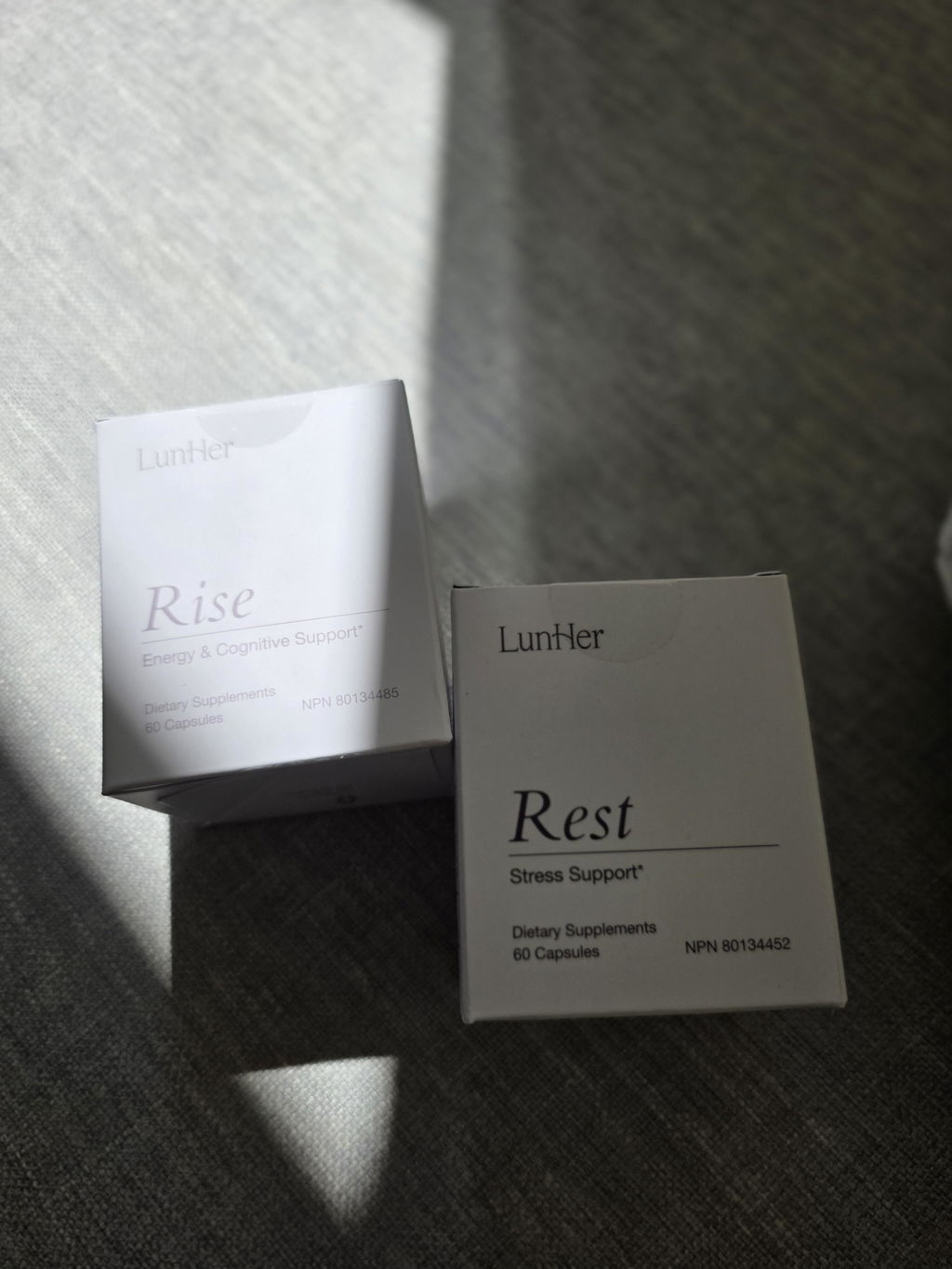
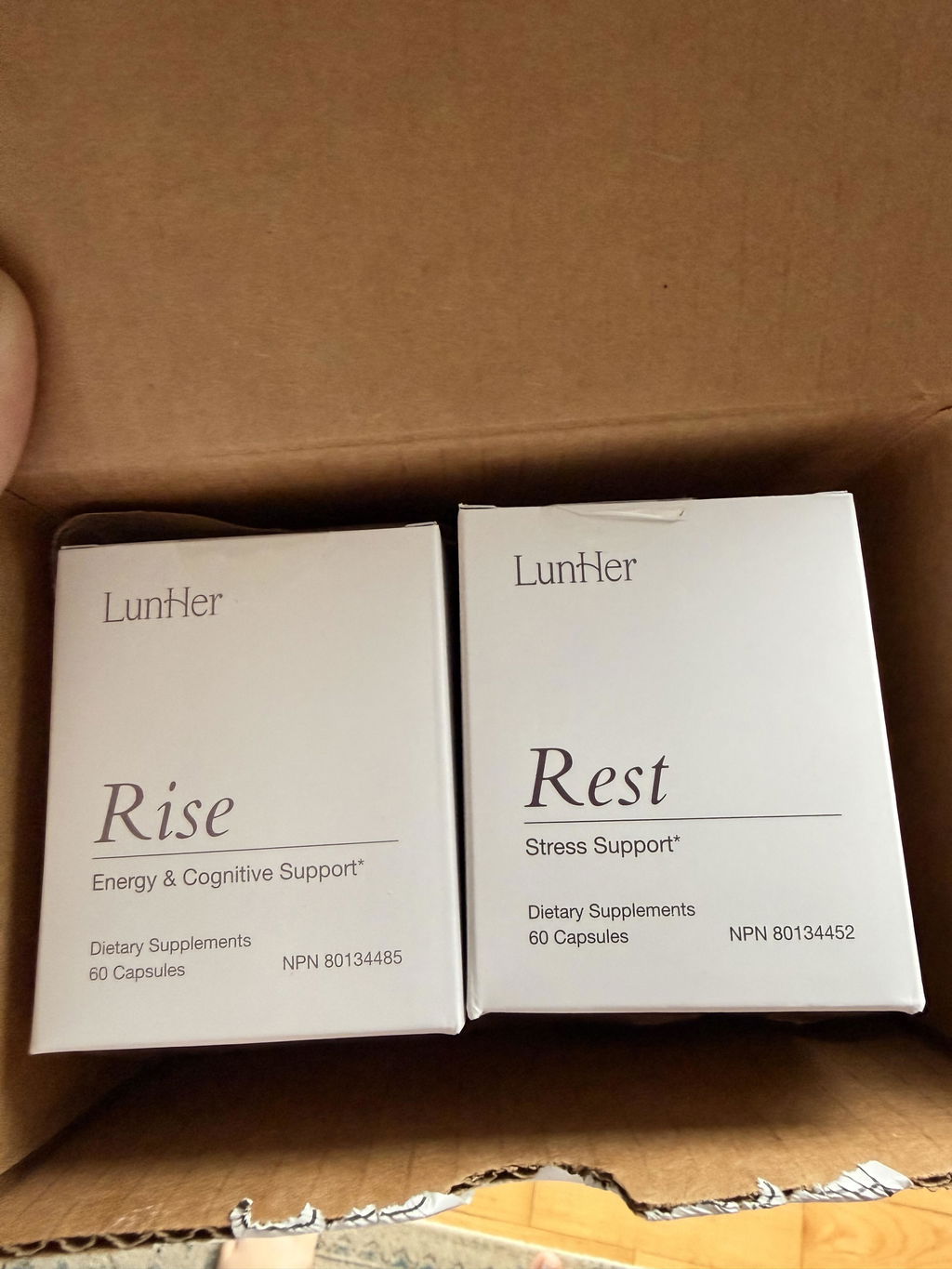
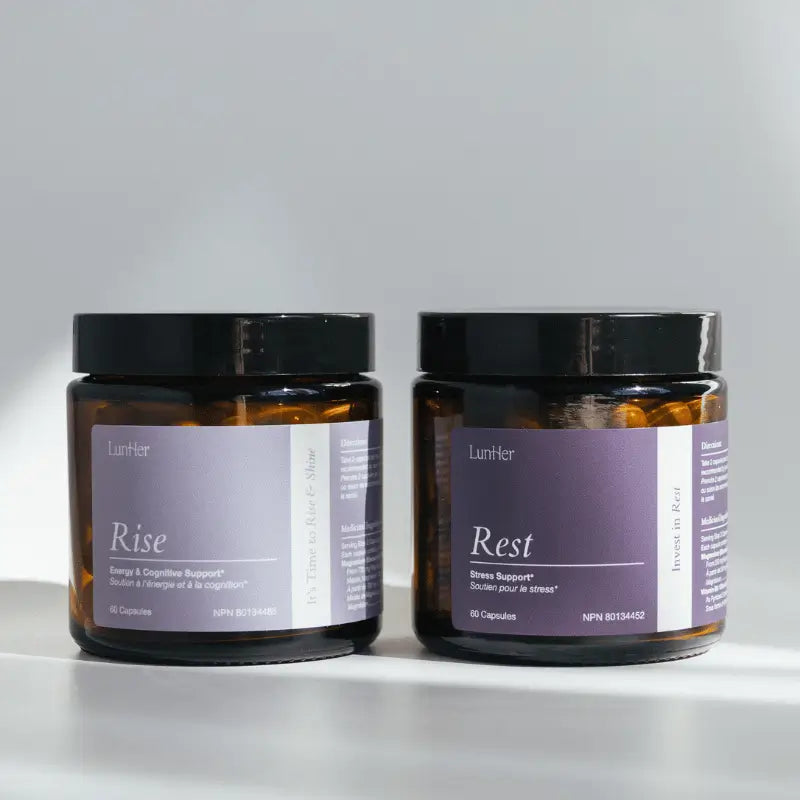
Rise uses a holy basil 20:1 extract for daytime cortisol balance, no ashwagandha →
4. Probiotics
Probiotics are best known for gut health, but your gut and brain are in constant conversation through the gut-brain axis, a two-way link between your intestinal function and your emotional centers. By supporting a healthy gut microbiome, probiotics may support that axis and, indirectly, a calmer stress response.
5. Prebiotics
Prebiotics are a type of dietary fiber that feeds the beneficial bacteria in your gut. Preliminary studies suggest they may influence the cortisol awakening response, the natural rise in cortisol when you wake up. The evidence is still early, but the gut-stress connection is a promising area.
6. Fish oil
Fish oil is a rich source of omega-3s. Studies show people with higher stress often have lower omega-3 levels, and another study found that four months of omega-3 supplementation led to lower cortisol during stress. Omega-3s are one of the better-studied nutrients for a calmer baseline.
7. Bacopa
Bacopa is a nootropic herb traditionally used for memory and cognition. One study reported improved emotional well-being in people taking bacopa, and another study found adaptogenic effects with a reduction in cortisol versus a control group. It is worth a look if stress and focus both feel off.
8. Ginkgo biloba
Ginkgo biloba is another option for managing stress. Research suggests it can help manage oxidative stress and support stress reduction, though more study is needed before strong conclusions can be drawn. Treat it as promising rather than proven.
9. Rhodiola
Rhodiola is an adaptogen derived from the roots of the Rhodiola rosea plant, and one of its best-studied uses is keeping cortisol in check. A clinical trial suggested rhodiola supplementation may effectively lower cortisol while supporting a healthy response to occasional stress and steadier mood. It is a solid pick for stress that leaves you drained.
10. Maca
Maca is commonly used for energy, stamina, and endurance, and it is now being studied for anti-fatigue effects. As an adaptogen, it may help the body build resistance to stress and promote a sense of balance, which is why it shows up in a lot of energy and stress formulas.
11. Phosphatidylserine
Phosphatidylserine (PS) is a phospholipid in your cell membranes that helps protect brain cells. Studies have shown PS supplementation can blunt the cortisol response to strenuous exercise and support cognitive performance after stress. It is one of the more targeted options for stress with a physical, exertion-related component.
12. Ginseng
Ginseng has strong antioxidant properties that may help manage oxidative stress. One study found it boosted antioxidant enzyme activity, and a placebo-controlled trial found Korean red ginseng had a stabilizing effect on the sympathetic nervous system, the branch that drives fight-or-flight.
13. Chamomile
You may know chamomile as a bedtime tea, but it also appears in supplements and aromatherapy. Research on chamomile essential oil suggests a gentle, positive effect on stress levels, making it a soft, low-risk addition to a wind-down routine.
Which supplements suppress cortisol most reliably?
No supplement flips cortisol off like a switch, and you would not want one, because you need cortisol to function. The most consistent research sits with magnesium, L-theanine, and adaptogens such as holy basil and rhodiola. They nudge an over-firing stress response back toward balance rather than suppressing it outright.
If you see a product promising to slash cortisol fast, be skeptical. A healthy goal is a restored rhythm, cortisol high in the morning and low at night, not a flatlined stress hormone.
Do cortisol supplements help you lose weight?
Not directly. Chronically high cortisol can drive cravings, belly-fat storage, and stalled progress, so easing it may make weight management feel less like a fight. But a supplement alone will not cause weight loss. Sleep, food, movement, and stress all matter more, and results vary from person to person.
Other natural ways to lower cortisol
Supplements are one lever, not the whole answer. Deep breathing, meditation, gentle stretching, yoga, time outside, and music all help calm your stress response. The biggest levers are usually the least glamorous ones: consistent, restorative sleep and a nutrient-dense diet that keeps your blood sugar steady through the day.
If you take one thing from this article, let it be that cortisol follows your sleep. Protect your nights first, and the supplements have something to build on instead of fighting a losing battle.
The bottom line
Cortisol is released in response to stress, and while it serves many useful purposes, too much for too long leads to problems. Several of the supplements above may support a healthier cortisol response, but they work best with better sleep, food, and stress habits, and only after a chat with your practitioner if you take medication.
Frequently asked questions
What is the best supplement to reduce cortisol?
There is no single best one, because different supplements work on different parts of the stress response. Magnesium and L-theanine have the most consistent research for calming an over-firing system, and adaptogens like holy basil support daytime cortisol balance. The right pick depends on your symptoms, your sleep, and what your practitioner advises.
Can supplements lower cortisol without medication?
For everyday stress and burnout, many women use supplements alongside sleep, movement, and diet to support a healthier cortisol rhythm, no prescription involved. But if you suspect a medical cause of high cortisol, that is different and needs a doctor. Supplements support your body's own systems, they do not treat a diagnosed condition.
Will a cortisol supplement affect my birth control?
Possibly, and it is worth checking. Some herbs and adaptogens can interact with how your body processes medications, and research on specific interactions with hormonal birth control is limited. This is not a reason to panic, but it is a real reason to ask first. Talk to your doctor or pharmacist before combining any supplement with birth control.
How long do cortisol supplements take to work?
It varies, and honestly, longer than most people expect. Some feel calmer or sleep more deeply within a week or two, but the deeper shift in your stress response usually builds over four to eight weeks of consistent use. Cortisol rebalances slowly because your nervous system does, so give it real time before deciding it is not working.
Do cortisol supplements help you lose weight?
Not on their own. Chronically high cortisol can drive cravings and belly-fat storage, so easing it may make weight feel less like a fight. But no supplement causes weight loss by itself. Sleep, food, movement, and stress management do the heavy lifting, and results vary a lot from person to person.
The information in this article is for general educational purposes only and is not intended to replace consultation with a qualified healthcare professional. Always consult a doctor or naturopath before starting any supplement, particularly if taking medications or managing a health condition. LunHer products are not intended to diagnose, treat, cure, or prevent any disease.