What are Complete and Incomplete Proteins?
Why getting the right kind of protein matters for your energy, hormones, and overall health.
The LunHer Take
- Complete proteins contain all 9 essential amino acids your body can’t make.
- Incomplete proteins are missing one or more essential amino acids, but you can combine them (like rice + beans) to make a complete protein profile.
- If you’re choosing a protein supplement, opt for one that’s a complete protein so you’re getting all 9 essentials in one serving.
Protein isn’t just for bodybuilders or gym junkies. It’s one of the most important nutrients your body needs every single day. It’s the building block for everything from your hair, skin, and nails to your hormones, muscles, and immune cells.
Because our bodies use protein in so many ways, getting enough through your diet is essential for overall health. But here’s the catch: not all proteins are created equal. That’s where “complete” and “incomplete” proteins come in. Understanding the difference can help you get the most out of your meals and supplements.
What makes a protein “complete”?
Overall, there are twenty different kinds of amino acids, eleven of which our bodies can produce on their own. The other nine, called “essential amino acids,” we can only get through diet, supplementation, or a combination of the two.
A complete protein is one that contains all nine of those amino acids that our bodies need. You’ll find complete proteins in animal foods like fish, poultry, eggs, dairy, and meat. You can also find it in a few plant-based sources like quinoa, soy, and buckwheat.
What’s an “incomplete” protein?
An incomplete protein is one that does not contain all nine of those essential amino acids. Foods like beans, lentils, nuts, and tofu fall into this category. If you’re vegetarian or vegan, it might be difficult to get all the nutrients you need. But here’s the good news: you don’t need every amino acid in every bite. If you mix and match incomplete proteins, you can still get all 9 essential amino acids in your day. You’ve probably had several of these combinations without realizing it, like peanut butter on bread, hummus and pita, brown rice and beans or chili and cornbread, to name a few.
Who does this impact?
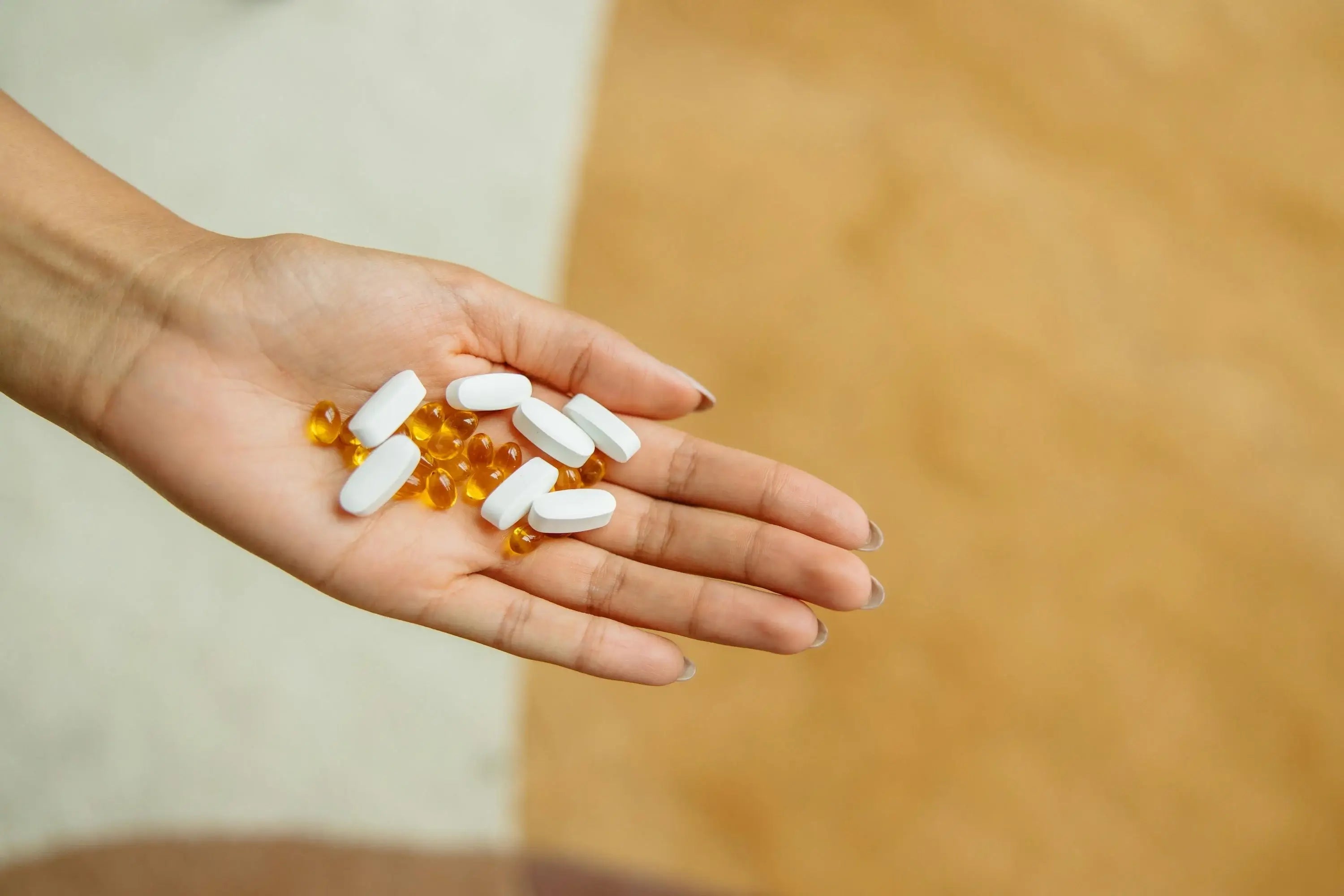
If you eat meat, fish, or eggs regularly, you probably don’t need to worry. However, if you’re vegan or vegetarian, you’ll want to be mindful about mixing complementary proteins or choosing plant-based complete protein sources. If you aren’t eating a lot of complete protein sources, or decide you want to add a protein supplement to your diet, look for one that’s a complete protein so you’re getting all 9 essentials in one scoop.
The Bottom Line
Think of complete proteins as giving your body a full toolkit to build, repair, and thrive. As always, a nourishing diet should be your first step; however, if you are struggling to get enough from diet alone, you can look into protein supplementation.
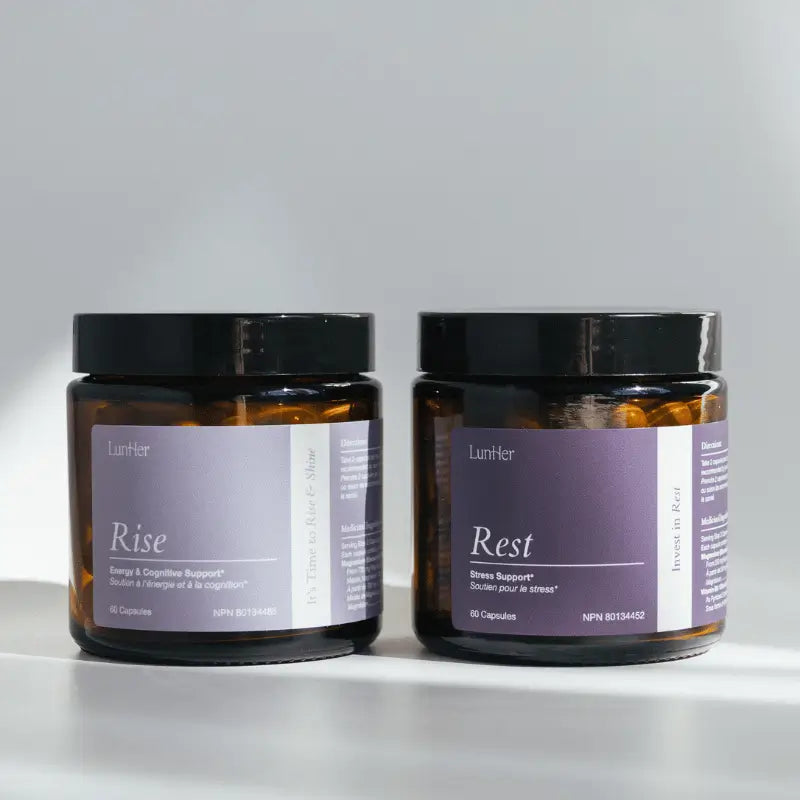
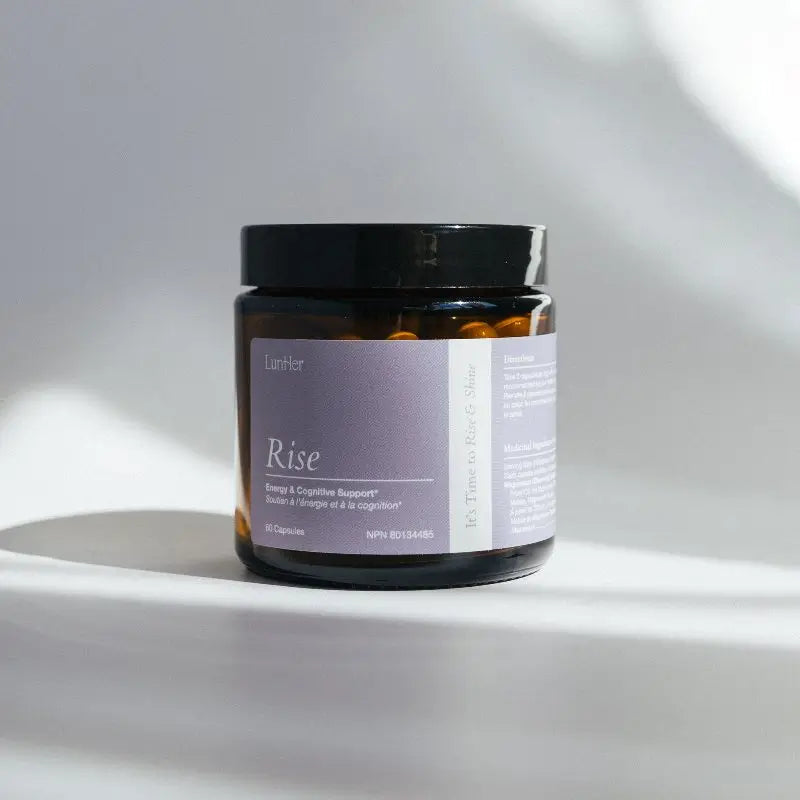
The Daily Ritual Bundle complements a protein-rich diet with the micronutrients most women miss →
The information in this article is for general educational purposes only and is not intended to replace consultation with a qualified healthcare professional. Always consult a doctor or naturopath before starting any supplement, particularly if taking medications or managing a health condition. LunHer products are not intended to diagnose, treat, cure, or prevent any disease.