A Simple Guide to Antioxidants & Free Radicals
Learn what antioxidants and free radicals are, and what they do in your body. You might be surprised to learn the hidden danger of antioxidant supplements.
The LunHer Take
- Your body makes free radicals naturally, and they help fight off harmful microbes. Too many of them causes oxidative stress
- Antioxidants are your body’s defense squad, protecting cells from damage and keeping you feeling energized and resilient
- The key is to find a balance between antioxidants and free radicals which can be done through lifestyle changes, diet, and supplementation
If you’ve dipped a toe into the world of wellness, you’ve probably heard of antioxidants and free radicals. They both play a role in your body, and your health depends on keeping them in balance. We’ve reviewed the latest scientific research, to help explain the basics of antioxidants and free radicals. Let’s break it down so you can actually use this knowledge.
What Are Free Radicals?
Technically, free radicals are defined as unstable atoms or compounds in the body. They are unstable because they have a spare, “extra” electron that is prone to “stealing” an electron from somewhere else. When they do, it can set off a chain reaction that damages DNA, proteins, and even the fats that make up your cell walls. The more free radicals circulating in the body, the greater the likelihood of damage to healthy cells. Too many of them can lead to oxidative stress, which is linked to aging, inflammation, and chronic disease.
However, it is important to recognize that free radicals aren’t all bad. Your body actually makes them as part of normal energy production, and your immune system even uses them to fight off harmful microbes. As a byproduct of your body’s normal metabolic processes, free radicals are also a key component in the function of the immune system. For example, small amounts of free radicals even act as a defense mechanism against invading microbes. The problem happens when modern life, such as pollution, smoking, excessive UV exposure, and certain medications, floods your system with more free radicals than your body can handle.
Antioxidants and Free Radicals
Antioxidants are like your body’s defense squad. They counteract free radicals in two ways. First, they can safely interact with free radicals, stabilizing the volatile compounds, and ending the harmful chain reaction. In addition to this important characteristic, many of the antioxidants you commonly hear about have other functions in the body. Vitamins C and E are considered antioxidants, in addition to their many other valuable functions.
The other way that antioxidants can reduce oxidative stress is by preventing the formation of new free radicals, or neutralizing pro-oxidants before they can initiate their chain reaction. These preventative antioxidants are sometimes described as “scavenging.
Some antioxidants are naturally produced by your body, such as glutathione, CoQ10, and melatonin. Others you need to get from food or supplements, including:
-
Vitamin C & E
-
Carotenoids (like lutein, lycopene, and beta-carotene)
-
Selenium & zinc
-
Plant compounds like flavonoids and polyphenols from fruits, veggies, tea, and dark chocolate
-
Omega-3 fatty acids from fish or algae
Why Balance Matters
Antioxidants are powerful, but more isn’t always better. In very high doses, certain antioxidant supplements can act as pro-oxidants which means they can actually trigger oxidative stress instead of preventing it. That’s why your first line of defense should always be a healthy diet and lifestyle, with supplementation only where it supports your personal needs and goals.
Three Steps to Support Healthy Free Radical Levels
Preventing oxidative stress requires limiting your exposure to external sources of free radicals, and safely increasing your intake of antioxidants. A nutritious diet rich in fresh, whole foods is one way to increase your intake of antioxidants. Supplementation is another way to increase antioxidant intake. But, the supplements that are right for you are highly personal, depending on your diet, lifestyle, health history, and goals.
1. Limit your exposure
-
Reduce time in heavy air pollution
-
Wear SPF daily
-
Quit smoking (and avoid secondhand smoke)
-
Be mindful of chemical exposures at home and work
2. Eat the rainbow
-
Eat a diet rich in a variety of colorful fruits and vegetables
-
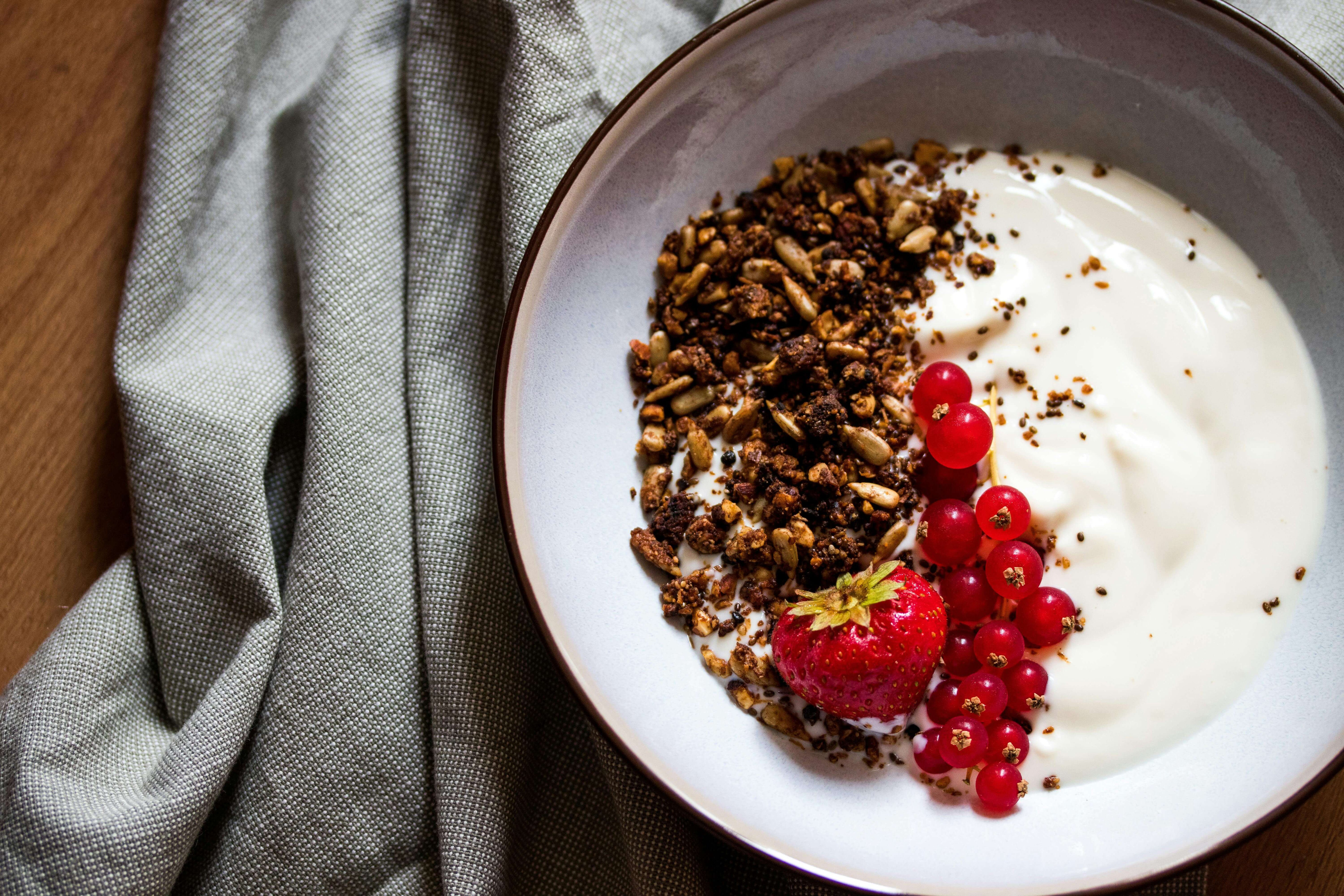
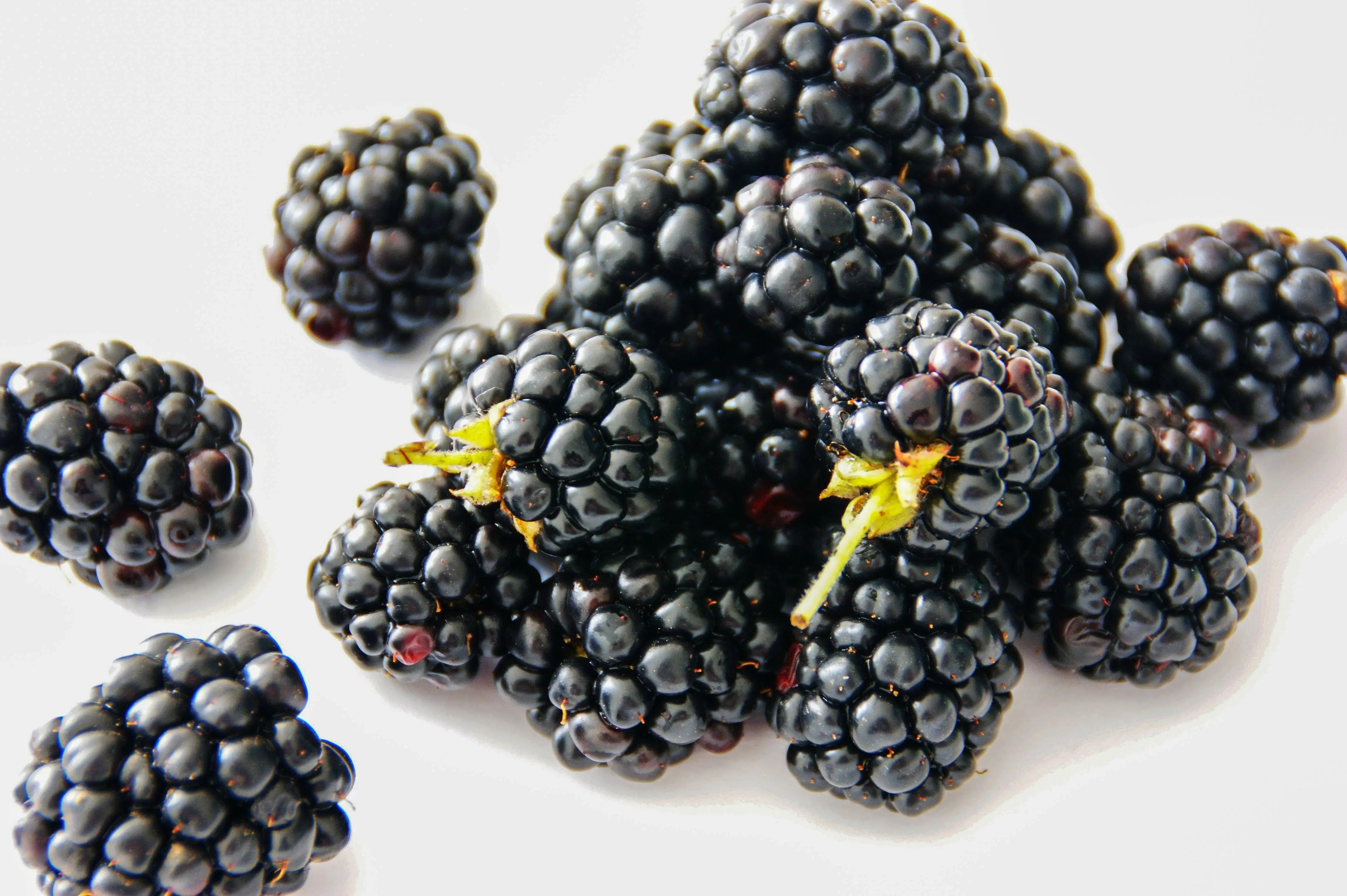
To boost the amount of antioxidants in your diet, fill your grocery cart with fresh berries (blueberries, goji berries, blackberries, cranberries), dark leafy greens, prunes, olives, green tea, and dark chocolate
3. Supplement wisely
-
If your diet or lifestyle leaves gaps, choose a high-quality supplement that’s backed by science
-
Never exceed the recommended dosages when using supplements, unless advised by a physician
The Bottom Line
Antioxidants and free radicals aren’t enemies; they’re part of the same cellular ecosystem. Your job is to create the right conditions for balance: nutrient-dense foods, a healthy lifestyle, and targeted supplementation when needed. Your cells will thank you with more energy, resilience, and vitality.
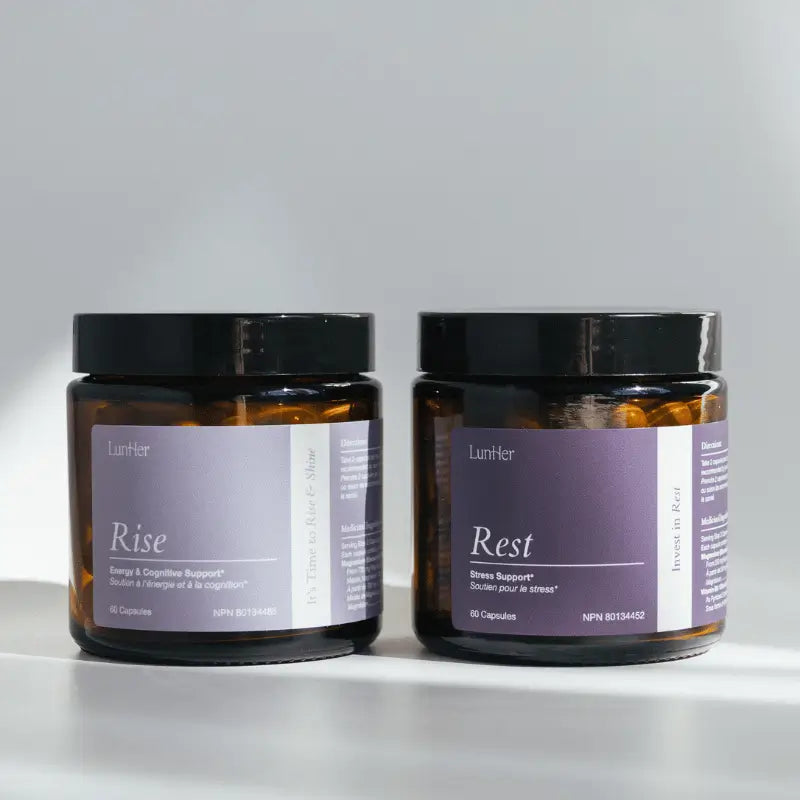
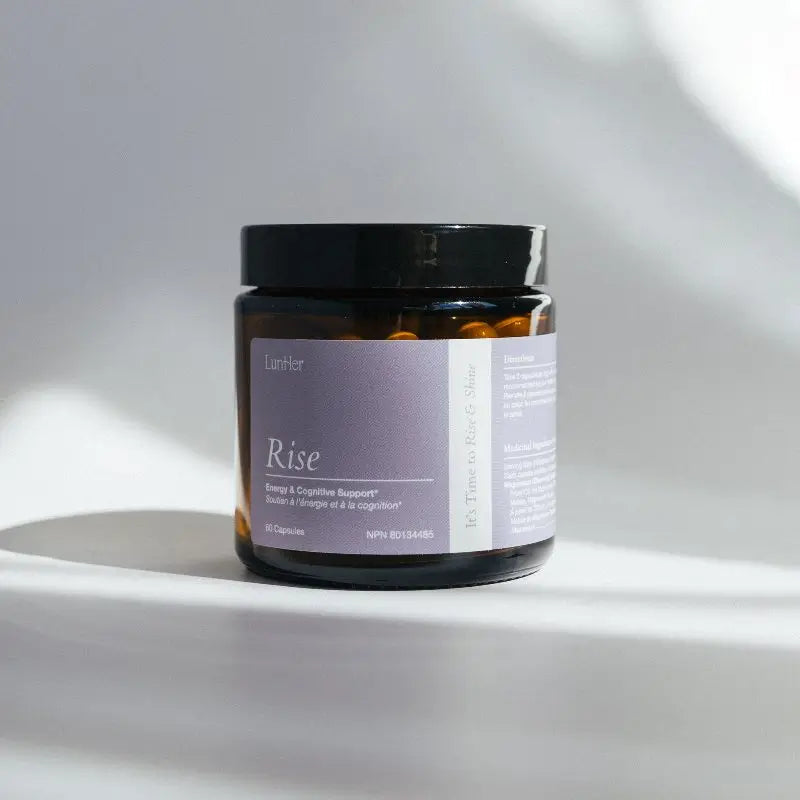
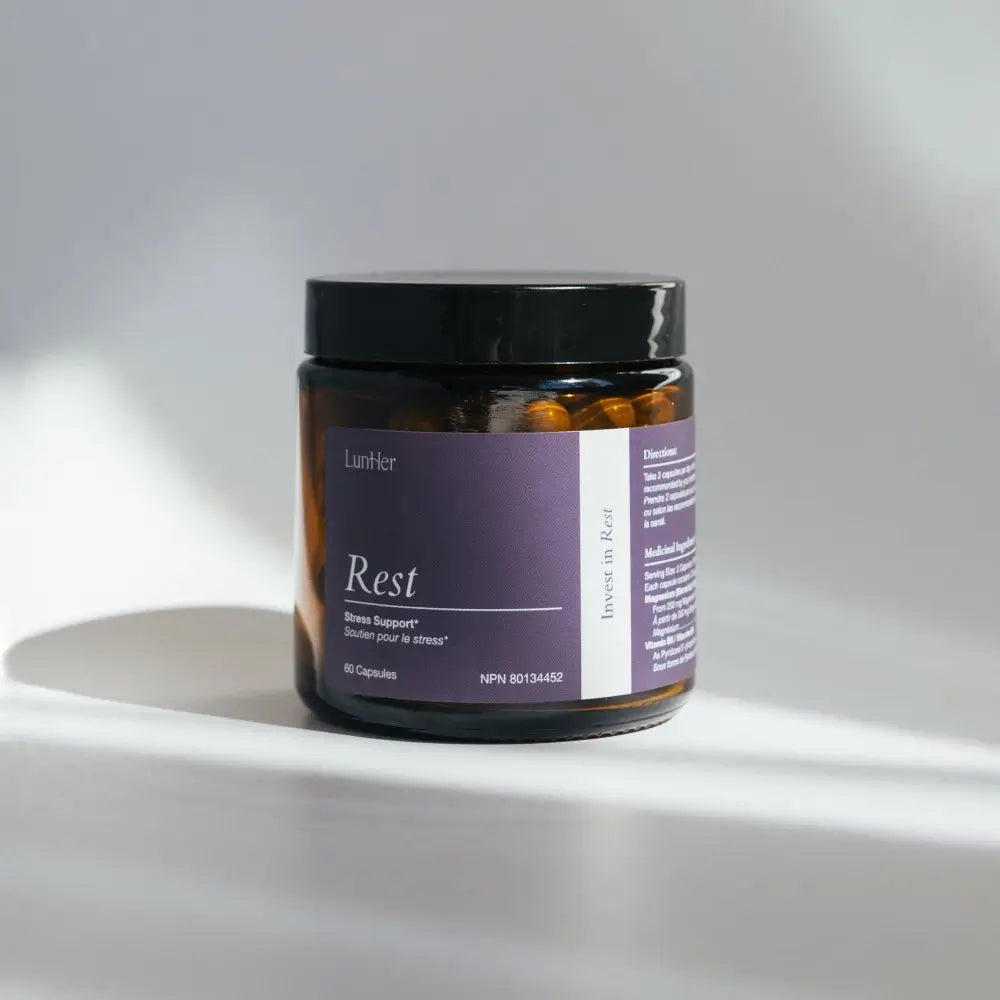
Rise contains CoQ10 50mg for mitochondrial antioxidant support →
The information in this article is for general educational purposes only and is not intended to replace consultation with a qualified healthcare professional. Always consult a doctor or naturopath before starting any supplement, particularly if taking medications or managing a health condition. LunHer products are not intended to diagnose, treat, cure, or prevent any disease.