

Fourth Trimester Recovery Guide: Everything You Need (2026)
The complete evidence-based guide to physical healing, mental wellness, and nutritional support during the first 12 weeks postpartum.
Key Takeaways
- Fourth trimester recovery takes 6-12 months, not 6 weeks—your body needs real time to heal
- Physical, emotional, and nutritional support are equally important for comprehensive recovery
- Nutrient depletion is common postpartum and directly impacts energy levels, mood stability, and healing capacity
- Multiple evidence-based strategies work together: whole-food nutrition, targeted supplementation, adequate rest, and community support
- You deserve the same level of care and attention you gave during pregnancy
The moment after birth, everyone rushes to see the baby. They coo over tiny fingers, count tiny toes, and snap endless photos. But here's what rarely gets asked: How are you doing, mama?
Not "how's the baby sleeping?" or "is breastfeeding going okay?" but how is your body healing? How is your mind coping? Are you getting what you need?
The truth is, the postpartum period, often called the "fourth trimester", is one of the most physically and emotionally demanding phases of a woman's life. Yet it remains medically overlooked, culturally minimized, and woefully under-supported. Research shows that more than half of all pregnancy-related deaths occur within the first year after childbirth, with many complications arising during this critical recovery window (PMID: 29630796).
Your body just accomplished something extraordinary. You grew an entire human, delivered that human (however that looked for you), and now you're expected to care for a newborn while running on minimal sleep, depleted nutrients, and a hormone system in free fall.
This guide covers everything you need to know about fourth trimester recovery: the physical healing your body undergoes, the mental health challenges you might face, the essential nutrients that support your recovery, and the practical strategies that actually help. Whether you're preparing for birth or in the thick of those early postpartum weeks, this is your roadmap to not just surviving but truly recovering during the fourth trimester.
What Is the Fourth Trimester? (And Why It's Not Just About Baby)
The term "fourth trimester" was first popularized by pediatrician Dr. Harvey Karp in the early 2000s, but it's gained significant medical recognition in recent years. In 2018, the American College of Obstetricians and Gynecologists issued new guidelines emphasizing that postpartum care should be "an ongoing process rather than a single encounter," acknowledging this critical 12-week period after birth (PMID: 31200573).
So what exactly is the fourth trimester? Medically speaking, it's the first 12 weeks after delivery—a time when your body undergoes dramatic physiological changes as it transitions from pregnancy back toward a non-pregnant state. But it's more than that.
The Three Pillars of Fourth Trimester Recovery
1. Physical Recovery
Your body is healing from childbirth, whether you delivered vaginally or via cesarean section. Inside your uterus, there's a dinner-plate-sized wound where the placenta detached, which takes 6-8 weeks to fully heal. You may be dealing with perineal tears, surgical incisions, hemorrhoids, or pelvic floor dysfunction. Your organs are shifting back into position. Your abdominal muscles are finding their way back together. This is major physiological work.
2. Emotional & Mental Wellness
Within hours of delivery, estrogen and progesterone levels plummet by up to 90% (PMID: 29860943), triggering the most dramatic hormonal shift you'll experience in your entire life. Meanwhile, if you're breastfeeding, prolactin surges. Add chronic sleep deprivation, the enormous responsibility of keeping a tiny human alive, and the identity shift of becoming a mother—it's no wonder that 50-80% of new mothers experience some form of baby blues, and 13-20% develop postpartum depression or anxiety.
3. Nutritional Demands
Here's something that surprises many women: the nutritional demands of lactation actually exceed those of pregnancy for many micronutrients. Yet while pregnant women are counseled extensively about nutrition, postpartum nutrition is barely discussed. Your body needs substantial nutrients to heal tissues, produce breast milk (if you're nursing), replenish blood loss from delivery, and support the massive metabolic work of recovery.
Why Recovery Is NOT Linear
One of the most important things to understand about the fourth trimester is that recovery doesn't follow a predictable trajectory. You might feel significantly better at week 3, then hit a wall at week 5. You might have a "good day" followed by three difficult ones. This is completely normal.
Research on postpartum fatigue shows that many women don't return to pre-pregnancy energy levels until 6-9 months after delivery, with some taking a full year (PMID: 28393285). The culturally imposed expectation that you'll be "back to normal" after your 6-week checkup does profound harm. You're not healing from a minor injury—you're recovering from a major physiological event while simultaneously caring for a newborn. Give yourself permission to take the time you actually need.
Supporting Your Physical Recovery After Birth
Let's talk about what's really happening in your body during these first 12 weeks, and what you can do to support the healing process.
Whether Vaginal or C-Section, Your Body Is Healing Major Wounds
No matter how your baby arrived, your body sustained significant tissue damage that requires time and nutrients to repair properly.
For vaginal births:
Even uncomplicated vaginal deliveries involve stretching and sometimes tearing of perineal tissues. First and second-degree tears are common, affecting up to 90% of first-time mothers. These wounds need to heal while you're sitting, walking, and using the bathroom—not exactly ideal conditions for tissue repair.
For cesarean births:
A C-section is major abdominal surgery. Surgeons cut through seven layers of tissue to reach your uterus, then close those layers back up. C-section recovery typically requires 6-8 weeks for the external incision to heal and 3-6 months for internal tissues to fully recover. Meanwhile, you're lifting a baby, getting in and out of bed, and navigating stairs.
For everyone:
Regardless of delivery method, that dinner-plate-sized wound inside your uterus where the placenta detached is healing. This is why you experience lochia (postpartum bleeding) for 4-6 weeks—your body is literally shedding that wound lining and building new tissue.
Nutrients that support wound healing include:
-
Protein: Essential for tissue repair and collagen synthesis (aim for 1.1-1.3g per kg of body weight daily) (PMID: 31445566)
-
Vitamin C: Critical cofactor in collagen formation; supports immune function at wound sites
-
Zinc: Involved in over 300 enzymatic reactions related to tissue repair
-
Iron: Necessary for oxygen delivery to healing tissues
But perhaps the most underrated healing nutrient is rest. Your body repairs tissues most effectively during sleep. This is brutally hard with a newborn, but accepting help for night shifts, napping when possible, and lowering your standards for everything else genuinely speeds physical recovery.
The Hormone Rollercoaster: What's Really Happening
If you feel like an emotional stranger to yourself during the fourth trimester, there's a physiological reason. Let's break down what's happening hormonally:
Estrogen and Progesterone: The Great Plunge
During pregnancy, your estrogen levels are 100-1000 times higher than normal. Within 24 hours of delivering the placenta, these hormones plummet by approximately 90%, dropping to lower-than-baseline levels within 3 days. This is the fastest, most dramatic hormonal shift your body will ever experience. To put it in perspective: menopause, which we recognize as a major hormonal transition, happens gradually over 5-10 years. The postpartum drop happens in days.
These hormones affect far more than reproduction—they influence neurotransmitter production (serotonin, dopamine, GABA), inflammation levels, sleep quality, temperature regulation, and mood stability. The precipitous drop contributes significantly to baby blues and increases vulnerability to postpartum depression.
Prolactin: The Milk-Making Surge
If you're breastfeeding or pumping, prolactin levels surge to stimulate milk production. Prolactin has calming, even sedative effects (which is why many women feel relaxed or sleepy while nursing). However, elevated prolactin suppresses estrogen, which can delay the return of your menstrual cycle and contribute to vaginal dryness, decreased libido, and continued hair shedding.
Cortisol: The Stress Hormone Dysregulation
Sleep deprivation, the demands of newborn care, physical recovery, and the massive life transition of new motherhood all keep your stress response system activated. Chronic elevation of cortisol interferes with tissue healing, suppresses immune function, disrupts blood sugar regulation, and can worsen anxiety and mood disorders.
Thyroid Changes: An Often-Missed Complication
About 5-10% of postpartum women develop postpartum thyroiditis—inflammation of the thyroid gland that can cause hyperthyroid symptoms (anxiety, rapid heartbeat, weight loss) followed by hypothyroid symptoms (fatigue, weight gain, depression). This is often missed because symptoms overlap with "normal" postpartum experiences.
Nutrients that support hormonal rebalancing:
-
B-vitamins (especially B6, B9, B12): Essential cofactors in hormone synthesis and metabolism (PMID: 30554768)
-
Magnesium: Supports over 300 enzymatic reactions, including those involved in hormone production and stress response (PMID: 28445426)
-
Vitamin D: Functions more like a hormone than a vitamin; plays crucial roles in mood regulation (PMID: 33682381)
-
Adaptogenic herbs: May help modulate cortisol response (PMID: 28207892)
Why You're So Exhausted (It's Not Just the Baby)
Yes, newborns wake every 2-3 hours. Yes, sleep deprivation is brutal. But there are several physiological factors beyond interrupted sleep that contribute to postpartum fatigue:
Blood Loss and Iron Depletion
The average blood loss during vaginal delivery is 500mL (about 2 cups), while C-section deliveries average 1000mL (4 cups). This blood loss—combined with the iron demands of pregnancy that may have already depleted your stores—puts many postpartum women at risk for iron deficiency or anemia (PMID: 30982439).
Iron is essential for hemoglobin production, which carries oxygen throughout your body. Without adequate iron, your cells can't produce energy efficiently, leading to profound fatigue, weakness, difficulty concentrating (brain fog), and reduced exercise tolerance. Even mild anemia significantly impacts energy levels and overall functioning.
Sleep Architecture Disruption
It's not just about quantity of sleep—it's about quality. Normal sleep cycles through distinct stages including deep sleep (where physical restoration occurs) and REM sleep (where emotional and cognitive processing happens). Frequent nighttime wakings prevent you from completing these cycles, meaning you never reach the most restorative phases of sleep.
This fragmented sleep architecture affects more than just energy—it impairs emotional regulation, increases anxiety, interferes with memory consolidation, and reduces your pain threshold. Many women report feeling more exhausted from 6 hours of interrupted sleep than they did from 5 hours of continuous sleep during pregnancy.
Circadian Rhythm Chaos
Your body's internal clock relies on consistent sleep-wake patterns, light exposure, and meal timing to regulate hormone production, body temperature, and metabolic function. Newborn care demolishes these patterns. Night feedings disrupt your natural melatonin production. Inconsistent meal times affect blood sugar regulation. The result is a dysregulated circadian system that leaves you feeling "off" even when you do get some sleep.
Wired and tired: why new moms can't fall asleep even when exhausted →
Increased Metabolic Demands
If you're breastfeeding, your body burns an additional 450-500 calories per day producing milk. That's like running 4-5 miles daily without moving from your couch. Combined with the metabolic work of healing tissues, supporting immune function, and rebuilding nutrient stores, your body's energy demands remain extraordinarily high throughout the fourth trimester.
What actually helps:
-
Magnesium supplementation: Studies show magnesium improves both sleep quality and sleep efficiency, helping you get more restorative rest from the limited sleep you do get (PMID: 31623400).
-
L-theanine: This amino acid found in tea promotes relaxation without sedation, helping calm an overstimulated nervous system so you can fall asleep more easily when you have the opportunity (PMID: 31758301).
-
Iron-rich foods or supplementation: If you're experiencing significant fatigue, ask your provider to check your ferritin levels (iron stores). Optimal ferritin for energy is 50-100 ng/mL, much higher than the "normal" range floor of 15-30.
-
Strategic napping: Even 20-30 minute power naps can help, though they won't replace full sleep cycles
-
Accepting help with night wakings: If you have a partner or support person, taking shifts for night care (even if you're breastfeeding, someone else can do diaper changes and bring baby to you) can allow for longer sleep stretches
Your Mental Health Matters: Beyond Baby Blues
Let's be clear: postpartum mental health challenges are not a moral failing, a sign of weakness, or something you should just "power through." They're physiological responses to massive hormonal shifts, nutrient depletion, sleep deprivation, and enormous life stress.
Knowing the Difference Can Save Your Life
Baby Blues
Baby blues affect 50-80% of new mothers, typically beginning 2-4 days after delivery and resolving within 2 weeks. Symptoms include mood swings, crying spells, anxiety, irritability, difficulty sleeping, and feeling overwhelmed. This is considered a normal adjustment to the massive hormonal shift after birth. While uncomfortable, baby blues don't interfere with your ability to care for yourself or your baby, and they resolve on their own with support and rest.
Postpartum Depression (PPD)
PPD affects 13-20% of mothers and is far more serious than baby blues. Symptoms include persistent sadness or emptiness, loss of interest in activities you used to enjoy, difficulty bonding with baby, severe anxiety or panic attacks, thoughts of harming yourself or baby, feelings of worthlessness or guilt, and significant changes in appetite or sleep (beyond what's normal with newborn care).
The critical difference: PPD doesn't resolve on its own within 2 weeks, symptoms are more severe, and they interfere with your daily functioning. This is a medical condition that requires intervention—whether therapy, medication, support groups, or a combination of approaches.
Postpartum Anxiety (PPA)
PPA is less discussed than PPD but equally common, affecting up to 15% of mothers. Symptoms include constant worry about baby's health or safety, racing thoughts that won't turn off, difficulty relaxing even when baby is sleeping, physical symptoms like chest tightness or difficulty breathing, avoidance of situations due to fear, and intrusive thoughts (unwanted, repetitive thoughts—often about something bad happening to baby).
Many women with PPA are told they're "just being a worried new mom," but PPA is a clinical condition that deserves treatment.
The Role of Nutrition (Not a Cure, But Supportive)
We need to be crystal clear: nutrition and supplements are NOT treatments for postpartum depression or anxiety. If you're experiencing symptoms that last longer than 2 weeks or interfere with daily functioning, you need to speak with your healthcare provider about therapy and possibly medication.
That said, research shows that certain nutrients may reduce risk and support overall mental wellness:
B-Vitamins: A meta-analysis of multiple studies found that B-vitamin supplementation (particularly B6, B9, and B12) was associated with reduced risk of postpartum depression, especially in women with inadequate dietary intake (PMID: 30554768). B-vitamins are essential cofactors in neurotransmitter synthesis—including serotonin, dopamine, and GABA.
Vitamin D: Low vitamin D levels during pregnancy and postpartum are consistently associated with higher rates of postpartum depression (PMID: 33682381). Vitamin D receptors are found throughout the brain, and this vitamin influences serotonin synthesis and inflammatory pathways that affect mood.
Omega-3 Fatty Acids: DHA, an omega-3 fatty acid, appears to have protective effects against postpartum depression. Studies show women with higher omega-3 intake or supplementation have lower rates of PPD (PMID: 31505257). The brain is nearly 60% fat, and DHA specifically comprises a large portion of brain cell membranes.
Again, these nutrients support overall brain health—they're not antidepressants. If you're struggling, please reach out for help. Postpartum Support International's helpline (1-800-944-4773) has trained volunteers available 24/7, and crisis services are available throughout North America by calling or texting 988.
Why Your Nervous System Needs Active Support
Think of your nervous system as having two modes: "gas pedal" (sympathetic—fight or flight) and "brake pedal" (parasympathetic—rest and digest). Pregnancy, birth, and early postpartum keep your foot pressed firmly on the gas.
You're in a state of chronic activation: hyper-vigilant to every baby sound, scanning for potential dangers, operating on minimal sleep, physically healing from trauma (birth is physically traumatic to your body, even when uncomplicated), and managing enormous responsibility with depleted resources.
This chronic stress activation has real consequences:
-
Impairs tissue healing and wound repair
-
Suppresses immune function (making you more susceptible to infections)
-
Interferes with milk production for breastfeeding mothers
-
Contributes to mood disorders, anxiety, and irritability
-
Disrupts digestion (why many women have postpartum digestive issues)
Your nervous system needs help downshifting into the "rest and repair" mode. Tools that support this include:
Magnesium: This mineral is often called "nature's relaxation mineral" for good reason. Magnesium modulates the stress response system, supports GABA production (your brain's main calming neurotransmitter), and helps regulate the HPA axis (your body's stress hormone system) (PMID: 28445426). The problem? Up to 75% of North Americans don't meet recommended magnesium intake through diet alone.
Adaptogenic Herbs: Adaptogens like holy basil (tulsi) have been shown in clinical studies to reduce cortisol levels and improve stress resilience in women experiencing chronic stress (PMID: 28207892). These herbs work by modulating the HPA axis, essentially helping your body respond more appropriately to stressors rather than staying stuck in high-alert mode.
L-Theanine and Herbal Support: Passionflower, chamomile, and L-theanine (an amino acid from tea) have all demonstrated anxiolytic (anxiety-reducing) effects in clinical research, working through GABA-modulating pathways (PMID: 27998379, 29159740). Unlike sedatives, these compounds promote relaxation without drowsiness—ideal for postpartum when you need to be alert for baby care but also need your nervous system to find calm.
Important note: If you're breastfeeding, always consult with your healthcare provider before starting any herbal supplements to ensure safety for your baby.
Rejecting the Pressure to "Bounce Back"
We need to talk about the toxic cultural messaging around postpartum bodies and recovery. Social media is flooded with images of celebrities looking "red carpet ready" weeks after delivery. Magazine headlines celebrate mothers who "got their pre-baby body back" within months. This narrative is not just unhelpful—it's actively harmful.
Your body didn't "bounce." It transformed. It grew an entire human being, shifted and expanded to accommodate that life, labored to bring that baby into the world, and is now healing and potentially nourishing your child through breastfeeding. This is not a before-and-after situation. This is growth and transformation.
Recovery means different things for different bodies. For some women, certain physical aspects return fairly quickly. For others, it takes many months or years. Some changes are permanent—and that's completely normal and okay.
True recovery is not about returning to your pre-pregnancy state. It's about:
-
Feeling physically comfortable in your body
-
Having energy for the demands of your life
-
Experiencing emotional balance and mental wellness
-
Being free from pain or complications
-
Feeling nourished, supported, and cared for
Give yourself permission to take 6-12 months (or longer) for genuine recovery. This is not laziness or self-indulgence—it's respecting the magnitude of what your body has accomplished and what it needs to heal.
Nourishing Your Recovery: What to Eat (and Why Supplements Help)
Let's talk about the practical, evidence-based nutritional strategies that actually support fourth trimester recovery.
The Fourth Trimester Plate: What to Prioritize
The best postpartum "diet" is not a diet at all—it's eating enough nutrient-dense food to fuel your recovery and (if breastfeeding) milk production. Here's what that looks like:
Protein at Every Meal
Protein needs increase during lactation to approximately 1.1-1.3 grams per kilogram of body weight daily—similar to or exceeding pregnancy requirements (PMID: 29156456). Even if you're not breastfeeding, your body needs substantial protein for tissue repair and immune function.
Excellent sources:
-
Eggs (easy to prepare, complete protein, contains choline)
-
Bone broth (provides collagen, glycine, minerals—traditional postpartum food across many cultures)
-
Wild-caught salmon (protein plus omega-3 fatty acids)
-
Grass-fed beef or lamb (protein plus iron and B12)
-
Organic chicken or turkey
-
Greek yogurt (protein plus probiotics if well-tolerated)
-
Legumes and beans (for plant-based protein)
Healthy Fats for Hormone Production
Your body needs fat to synthesize hormones and support brain function. Don't fear fat during postpartum—embrace it.
Quality sources:
-
Avocados (also high in potassium, often depleted postpartum)
-
Extra virgin olive oil
-
Nuts and seeds (almonds, walnuts, pumpkin seeds, chia seeds)
-
Fatty fish (salmon, sardines, mackerel)
-
Coconut oil
-
Grass-fed butter or ghee
Iron-Rich Foods to Replenish Blood Loss
Many women enter the postpartum period with depleted iron stores, then experience significant blood loss during delivery, putting them at high risk for iron deficiency anemia (PMID: 30982439).
Best sources:
-
Red meat (heme iron—most easily absorbed)
-
Organ meats like liver (highest iron content)
-
Dark leafy greens like spinach and Swiss chard (pair with vitamin C for better absorption)
-
Lentils and beans
-
Pumpkin seeds
-
Blackstrap molasses
Colorful Vegetables for Phytonutrients
Aim for a variety of colors to ensure diverse nutrients:
-
Dark leafy greens (folate, magnesium, vitamin K)
-
Orange vegetables like sweet potatoes and carrots (vitamin A for immune function)
-
Cruciferous vegetables like broccoli and Brussels sprouts (support liver detoxification)
-
Beets (support blood building)
Warm, Cooked Foods
This might sound like old-fashioned advice, but there's wisdom here. Many traditional postpartum practices around the world emphasize warm, easily digestible foods rather than raw salads or cold foods. The reasoning: your digestive system is recovering too, and warm foods require less digestive effort while being more easily absorbed. Think soups, stews, cooked grains, and warm nourishing meals rather than raw vegetables and cold smoothies (at least initially).
8 Essential Nutrients for Postpartum Recovery
While whole foods should always be your foundation, targeted supplementation can help bridge nutritional gaps during this demanding time. Here are the key nutrients postpartum bodies need:
1. Magnesium: The Multi-Tasking Mineral
Magnesium is involved in over 300 biochemical reactions in your body, including energy production, muscle function, nervous system regulation, and sleep quality (PMID: 28445426). Studies show that magnesium deficiency is alarmingly common, with up to 75% of North Americans not meeting recommended intake levels through diet alone.
For postpartum women specifically, magnesium:
-
Reduces muscle cramping (including uterine cramping as your uterus contracts back to size)
-
Improves sleep quality and duration (PMID: 31623400)
-
Supports stress resilience and cortisol regulation
-
Helps prevent constipation (a common postpartum issue)
-
May support healthy milk supply by optimizing hormonal signaling
Food sources: Dark leafy greens, nuts and seeds, whole grains, beans, dark chocolate, avocado
Supplementation considerations: Different forms have different benefits. Magnesium bisglycinate is highly absorbable and gentle on digestion (ideal for evening use to support sleep). Magnesium malate supports energy production. If supplementing, aim for 300-400mg daily from supplements, plus dietary sources.
2. B-Vitamins: Your Energy and Mood Support System
The B-vitamin family (B1, B2, B3, B5, B6, B7, B9, B12) works together to support energy metabolism, red blood cell formation, nervous system function, and neurotransmitter synthesis.
Research consistently shows that adequate B-vitamin status, particularly B6, B9 (folate), and B12, is associated with reduced risk of postpartum depression and better overall mood outcomes (PMID: 30554768).
Why postpartum women are at risk for B-vitamin depletion:
-
Increased demands during pregnancy may have depleted stores
-
B-vitamins are water-soluble (not stored in the body, need consistent intake)
-
Stress and sleep deprivation increase B-vitamin requirements
-
If breastfeeding, B-vitamins transfer into breast milk (PMID: 29956788)
Food sources: Eggs, meat, fish, dairy, leafy greens, legumes, whole grains, nutritional yeast
Supplementation considerations: Look for "active" or methylated forms (methylfolate instead of folic acid, methylcobalamin instead of cyanocobalamin) for better absorption. B6 as pyridoxal-5-phosphate (P5P) is the active form.
3. Vitamin D: The Mood, Immunity, and Bone Health Nutrient
Vitamin D functions more like a hormone than a vitamin, with receptors found throughout your brain and body. It's crucial for calcium absorption, immune regulation, and mood stability.
Multiple studies link low vitamin D levels during pregnancy and postpartum with increased risk of postpartum depression, with some research showing vitamin D supplementation may help prevent or reduce PPD symptoms (PMID: 33682381).
For breastfeeding mothers: Breast milk contains only small amounts of vitamin D unless the mother is taking high-dose supplements, which is why pediatric health organizations recommend vitamin D supplementation for breastfed infants (PMID: 28982609).
Food sources: Fatty fish (salmon, mackerel, sardines), egg yolks, fortified dairy products, mushrooms exposed to UV light
Supplementation considerations: Most adults need 2,000-4,000 IU daily to maintain optimal levels (blood levels of 40-60 ng/mL or 100-150 nmol/L). Vitamin D3 (cholecalciferol) is better absorbed than D2. Take with a fat-containing meal for best absorption. Ask your provider to check your vitamin D levels.
4. Iron: Combat Anemia and Restore Energy
We've discussed iron earlier, but it bears repeating: postpartum iron deficiency is extremely common and has profound effects on energy levels, cognitive function, mood, and overall recovery (PMID: 30982439).
Even mild anemia causes:
-
Profound fatigue and weakness
-
Difficulty concentrating (brain fog)
-
Shortness of breath with minimal exertion
-
Pale skin and brittle nails
-
Increased susceptibility to depression and anxiety
Food sources: Red meat, organ meats, oysters, dark leafy greens, lentils, pumpkin seeds, blackstrap molasses
Supplementation considerations: If supplementing, iron bisglycinate (chelated iron) is gentle on the stomach and well-absorbed. Take iron supplements on an empty stomach with vitamin C for better absorption, away from calcium supplements or dairy. Have your ferritin levels checked—optimal for energy is 50-100 ng/mL, not just above the "normal" floor of 15-30.
5. Omega-3 Fatty Acids (DHA): Brain Health for Mom and Baby
DHA (docosahexaenoic acid) is an omega-3 fatty acid that comprises a significant portion of brain cell membranes. During pregnancy and lactation, your baby draws heavily on your DHA stores for brain and eye development.
Research shows that higher omega-3 intake and supplementation during pregnancy and postpartum is associated with reduced risk of postpartum depression, likely due to DHA's roles in neurotransmitter function and reducing inflammation in the brain (PMID: 31505257).
For breastfeeding mothers: The DHA content of breast milk is directly influenced by maternal intake, and adequate maternal DHA supports infant brain development during the critical early months (PMID: 28871829). Your baby's brain grows rapidly during the first year, and breast milk is the primary DHA source for exclusively breastfed infants.
Food sources: Fatty fish (salmon, sardines, mackerel, anchovies), fish roe, grass-fed beef, pastured eggs, algae
Supplementation considerations: Aim for 300-600mg of DHA daily. Choose high-quality fish oil tested for heavy metals and contaminants, or algae-based omega-3s if vegetarian/vegan.
6. Vitamin C: Wound Healing and Immune Support
Vitamin C is essential for collagen synthesis, making it critical for wound healing whether you're recovering from perineal tears or a C-section incision (PMID: 31445566). It also supports immune function, acts as an antioxidant, and enhances iron absorption when consumed together.
Food sources: Citrus fruits, strawberries, bell peppers, broccoli, Brussels sprouts, kiwi, papaya
Supplementation considerations: Most women can meet needs through diet, but if supplementing, 500-1,000mg daily is safe. Choose forms with bioflavonoids for better absorption.
7. Zinc: Tissue Repair and Immune Function
Zinc is involved in over 300 enzymatic reactions related to protein synthesis, wound healing, immune function, and hormone regulation (PMID: 29451515). Zinc deficiency is common postpartum, especially in breastfeeding mothers, as zinc transfers into breast milk.
Zinc supports:
-
Tissue healing and skin repair
-
Immune system function
-
Thyroid hormone metabolism
-
Taste and appetite (zinc deficiency can cause altered taste)
Food sources: Oysters (highest source), red meat, poultry, pumpkin seeds, cashews, chickpeas, yogurt
Supplementation considerations: 15-30mg daily is typically safe. Take zinc with food to prevent nausea. Don't exceed 40mg daily long-term without medical supervision.
8. Choline: Brain Health and Liver Support
Choline often gets overlooked, but it's crucial during postpartum. Choline needs increase during lactation, as it's essential for infant brain development and is transferred in high amounts through breast milk.
For mothers, choline supports:
-
Brain function and memory (may help with "mom brain")
-
Liver health and fat metabolism
-
Methylation pathways (genetic expression)
Food sources: Eggs (highest source—two eggs provide about 250mg), liver, salmon, chicken, beef, broccoli, Brussels sprouts
Supplementation considerations: Adequate intake is 550mg daily during lactation, 425mg if not breastfeeding. Most prenatal vitamins contain insufficient choline.
When Supplements Make Sense: Bridging the Gaps
Let's be realistic: you're caring for a newborn, likely sleep-deprived, possibly managing older children, and trying to keep yourself fed. While nutrient-dense whole foods should always be your foundation, supplements can serve as insurance during this demanding time.
Why postpartum women are at higher risk for nutrient deficiency:
-
Pregnancy depletes maternal nutrient stores, particularly iron, calcium, folate, and B12 (PMID: 32818424)
-
Blood loss during delivery further depletes iron and other nutrients
-
Breastfeeding increases requirements for most nutrients above even pregnancy levels
-
Sleep deprivation and stress increase nutrient demands
-
Time and energy for meal preparation are limited
What to look for in quality supplements:
-
Bioavailable forms: Methylated B-vitamins (methylfolate, methylcobalamin), chelated minerals (iron bisglycinate, magnesium bisglycinate), vitamin D3 rather than D2
-
Third-party testing: Look for certifications like NSF, USP, or ConsumerLab to ensure purity and potency
-
Comprehensive formulas: Products designed specifically for postpartum needs rather than generic multivitamins
-
Transparency: Companies that disclose full ingredient lists with specific forms and dosages
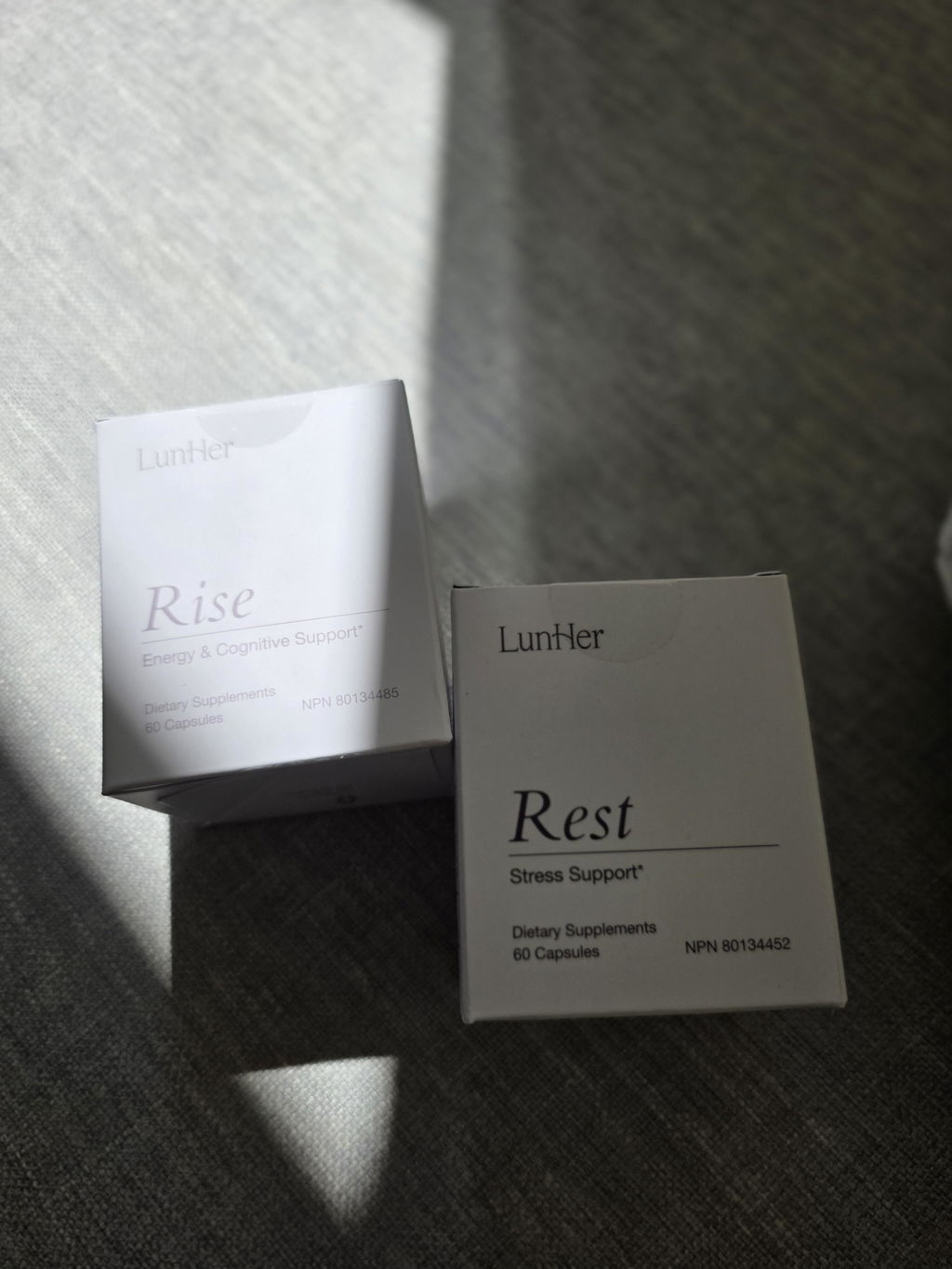
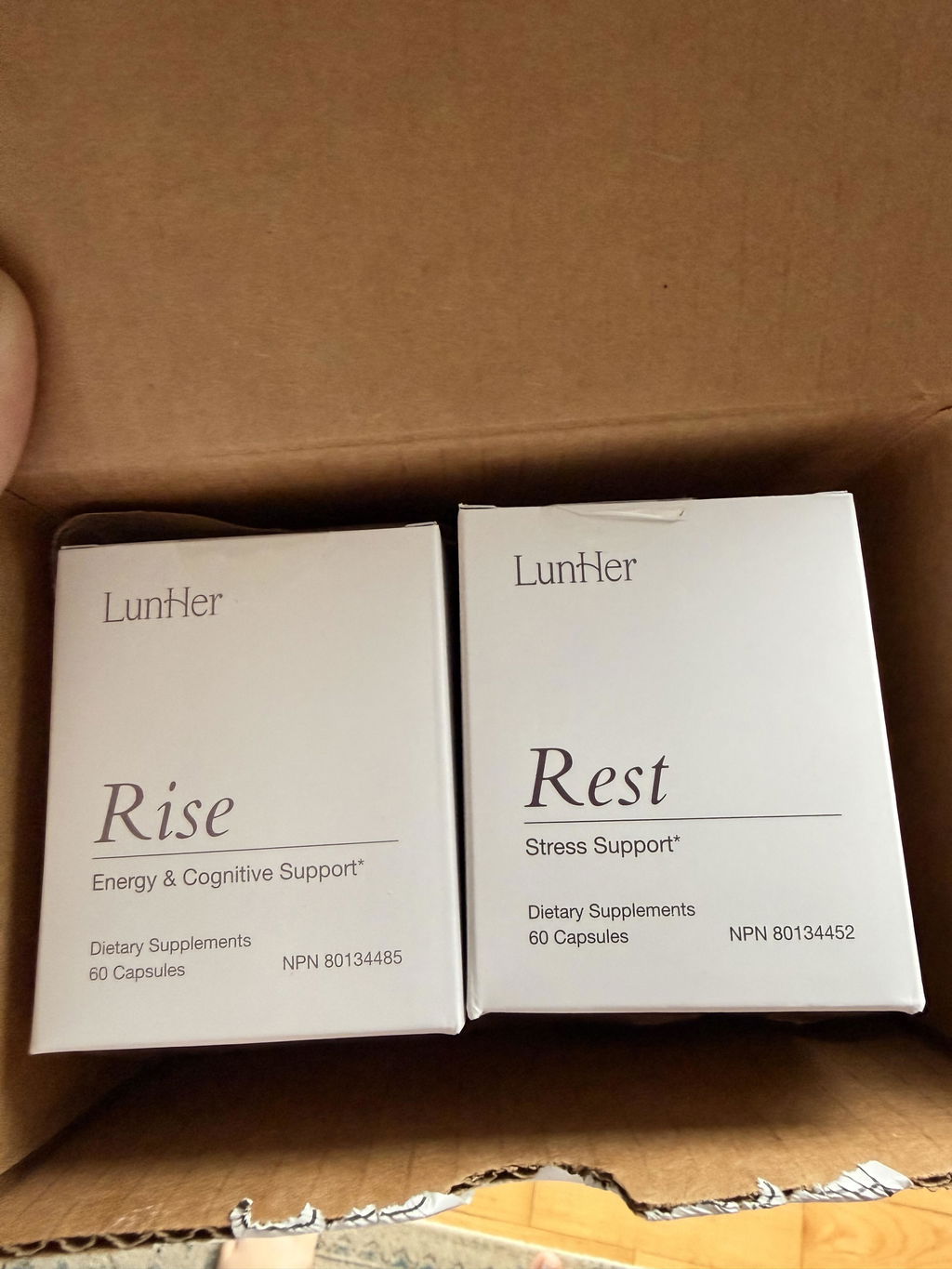
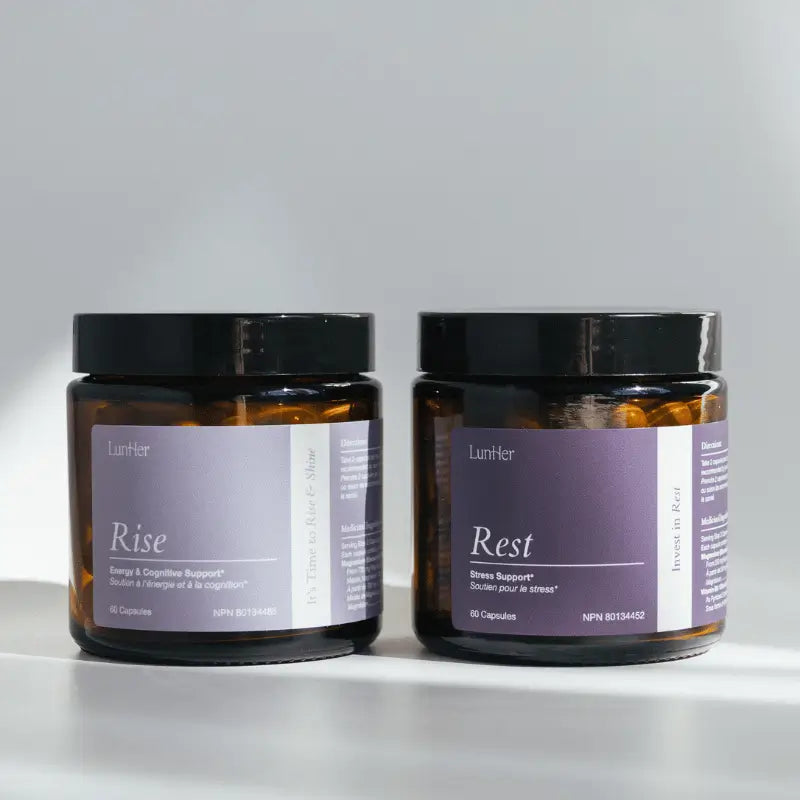
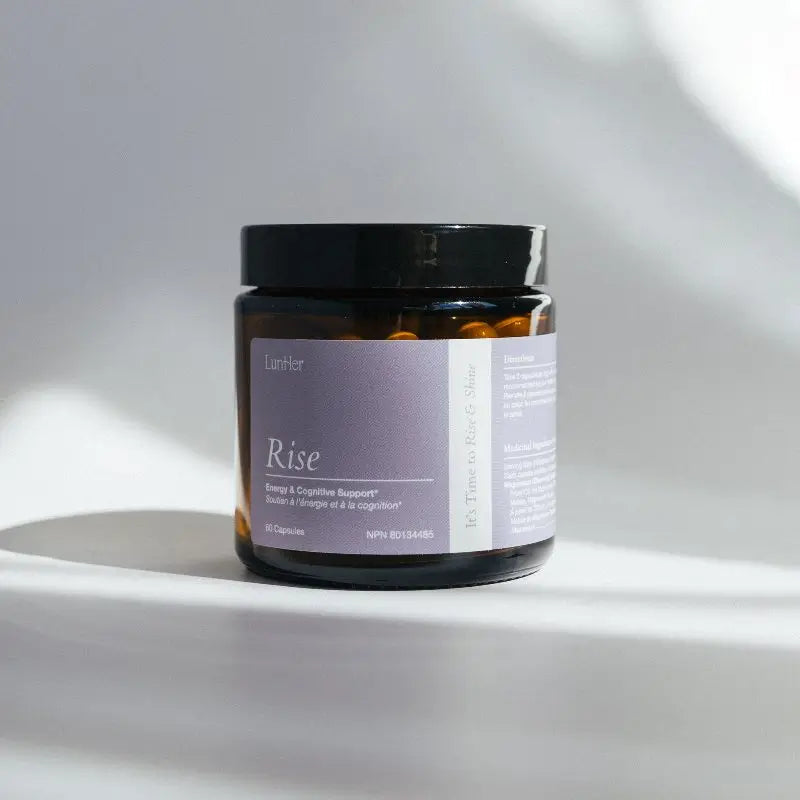
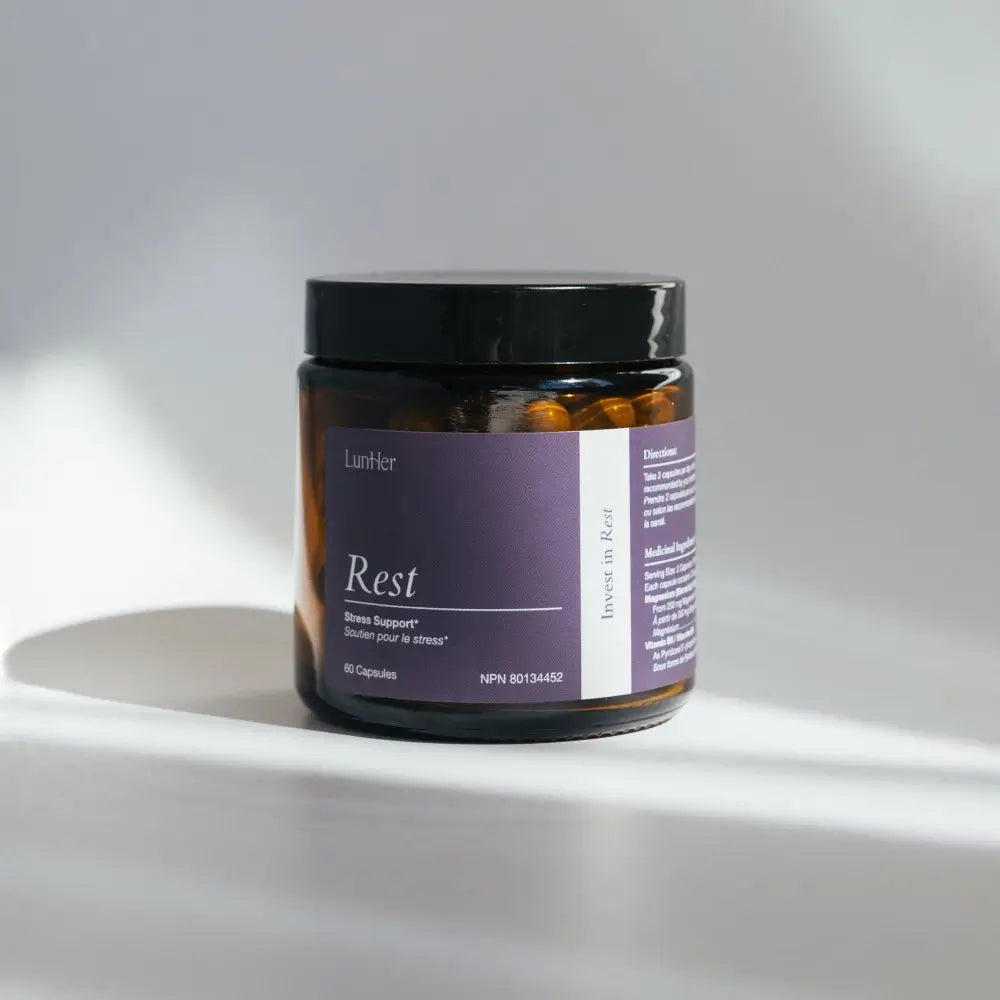
Products designed for women's hormonal transitions can be particularly helpful during postpartum. For example, supplements like LunHer's Rise & Rest bundle support energy and sleep with bioavailable magnesium, active B-vitamins, vitamin D3, and adaptogenic herbs—formulated specifically for women navigating hormonal shifts, stress, and sleep challenges common during the fourth trimester and beyond.
Important considerations:
-
Always inform your healthcare provider about any supplements you're taking, especially if breastfeeding
-
Supplements are meant to supplement a healthy diet, not replace whole foods
-
More is not always better—stick to recommended dosages
-
Give supplements time to work (most take 4-6 weeks of consistent use to notice effects)
-
If you're on medications, check for potential interactions
Your Fourth Trimester Action Plan: Practical Strategies
Beyond nutrition, here are evidence-based strategies that genuinely support fourth trimester recovery:
Rest: The Most Underrated Recovery Tool
Yes, everyone says "sleep when the baby sleeps," and yes, that's often easier said than done when you have laundry piling up, dishes in the sink, and visitors texting. But here's the truth: rest is medicine.
Your body performs most of its repair work during sleep. Growth hormone (essential for tissue healing) is released primarily during deep sleep. Your immune system strengthens during rest. Your brain processes emotions and consolidates memories during sleep.
Practical rest strategies:
-
Lower your standards for everything else: The dishes can wait. The laundry can pile up. Your house doesn't need to be clean.
-
Take actual parental leave if possible: Whether you have employer benefits, government programs, or need to piece together disability and vacation time, take all the leave you can access. Your body needs it.
-
Accept help with night wakings: Even if you're breastfeeding, a partner can handle diaper changes and bring baby to you, then take baby back after feeding so you can immediately return to sleep
-
Prioritize rest over visitors: It's okay to say no to visitors or limit visiting hours. You're recovering, not hosting.
-
Try for one longer sleep stretch: If bottle feeding or pumping, having someone take one 3-4 hour stretch each night allows for more restorative sleep
Hydration: More Critical Than You Think
If you're breastfeeding, you need approximately 3-4 liters (100-130 oz) of fluid daily—significantly more than the standard recommendation. Even if you're not breastfeeding, healing tissues and recovering from blood loss require substantial hydration.
Dehydration contributes to:
-
Decreased milk supply
-
Constipation (already a problem with postpartum hormones and pain medications)
-
Increased fatigue
-
Difficulty concentrating
-
Headaches
Make it easier:
-
Keep a large water bottle with you everywhere
-
Drink a full glass every time you nurse or pump
-
Eat hydrating foods (watermelon, cucumber, soups, broths)
-
Herbal teas count toward fluid intake
-
Add electrolytes if plain water feels insufficient (coconut water, electrolyte supplements)
Community and Support: You Weren't Meant to Do This Alone
Traditional cultures around the world have postpartum practices that involve extensive community support—often a full month where the new mother does nothing but rest, nurse her baby, and be cared for by other women. Modern Western culture has largely abandoned this, expecting new mothers to resume normal life within weeks.
This cultural shift is not progress—it's abandonment.
Build your postpartum support network:
-
Postpartum doulas: Trained professionals who provide practical support (meal prep, light housework, newborn care education, emotional support) in the early weeks
-
Support groups: Both in-person and online communities for new mothers provide validation, practical advice, and relief from isolation
-
Asking for specific help: People want to help but often don't know how. Be specific: "Could you bring a meal Tuesday?" "Can you hold the baby while I shower?" "Would you mind throwing in a load of laundry?"
-
Partner/support person education: They need to know what you need and how to advocate for you. Share this article with them.
-
Professional help when needed: Pelvic floor physical therapists, mental health therapists, lactation consultants—don't hesitate to access professional support
Movement: Gentle Return to Activity
Exercise during the fourth trimester looks completely different from exercise at other times in life. Your body is healing from significant trauma. Your abdominal muscles may be separated (diastasis recti). Your pelvic floor has been stretched and weakened. Your joints are still loosened by relaxin hormone.
Appropriate early postpartum movement:
-
Weeks 0-2: Gentle walking only, short distances. Focus on rest.
-
Weeks 2-6: Gradually increase walking distance and frequency. Begin deep breathing exercises and gentle pelvic floor awareness.
-
Week 6+: If cleared by your provider at your postpartum checkup, gradually reintroduce more activity. But a 6-week clearance does not mean you should jump back into high-impact exercise.
-
Months 3-6: Consider working with a pelvic floor physical therapist before returning to running, jumping, or heavy lifting
Red flags to stop and consult your provider:
-
Increased bleeding or return of bright red bleeding
-
Pelvic pain or heaviness
-
Urinary leakage
-
Bulging or doming along your midline (indicates diastasis recti)
The 6-Week Checkup Is Not Enough
The standard North American postpartum care model often consists of one checkup at 6 weeks, then sends you on your way. This is woefully inadequate. Medical organizations now recommend that postpartum care should be an "ongoing process" with contact within the first 3 weeks and comprehensive care continuing through 12 weeks (PMID: 31200573).
Advocate for yourself:
-
Request earlier follow-up if you're experiencing complications, excessive pain, or mental health concerns
-
Ask for specific assessments: mental health screening, blood work (check hemoglobin/iron, vitamin D), pelvic floor evaluation
-
Don't accept "that's normal postpartum" for symptoms that significantly impact your functioning
-
Know that recovery continues well beyond 6 weeks—many women need ongoing care through the first year
Warning Signs That Require Immediate Attention
Most fourth trimester recovery follows a predictable (if challenging) pattern. However, certain symptoms require immediate medical attention:
Call your provider immediately if you experience:
-
Heavy bleeding: Soaking through one pad per hour for 2+ hours, passing large clots (larger than a golf ball)
-
Fever above 100.4°F (38°C): May indicate infection (endometritis, mastitis, UTI, wound infection)
-
Severe headache or vision changes: Could indicate postpartum preeclampsia, which can occur even weeks after delivery
-
Chest pain or difficulty breathing: Could indicate blood clot or pulmonary embolism
-
Severe abdominal pain: May indicate infection or other complications
-
Foul-smelling vaginal discharge: Suggests infection
-
Red, warm, swollen, painful areas on breasts: Likely mastitis requiring antibiotics
-
Wound drainage, redness, or separation: C-section or perineal wound infection
-
Painful, swollen leg (especially if one-sided): Could indicate blood clot
Seek mental health support immediately if you have:
-
Thoughts of harming yourself or your baby
-
Inability to care for yourself or baby
-
Severe anxiety or panic that interferes with functioning
-
Hallucinations or delusions
-
Persistent thoughts of death or suicide
Crisis resources available throughout North America:
-
Call or text 988 for immediate crisis support (available in US and Canada)
-
Postpartum Support International Helpline: 1-800-944-4773 (available 24/7 with trained volunteers)
-
Crisis Services Canada: 1-833-456-4566 (24/7 support)
-
Kids Help Phone (Canada, for young mothers): 1-800-668-6868
Your Recovery Matters
Here's what we need you to hear: Recovery is not linear. Your timeline will look different from everyone else's. And you deserve the same level of care and attention postpartum that you received during pregnancy.
The fourth trimester is not a brief transition period—it's a profound physiological event requiring substantial time, nutrients, rest, and support. Your body grew a human, delivered that human, and is now healing while potentially nourishing your baby through breastfeeding. This is enormous work.
Give yourself permission to:
-
Take up to a full year (or more) for genuine recovery
-
Ask for help—repeatedly and specifically
-
Prioritize rest over productivity
-
Feed yourself nourishing foods without guilt
-
Invest in supplements that support your healing
-
Seek professional help for physical or mental health concerns
-
Reject cultural pressure to "bounce back"
Small steps count. Progress isn't always visible. And on the hardest days, remember: you're not just surviving—you're doing the remarkable work of healing, recovering, and showing up for both yourself and your baby.
You're not alone in this. You're not failing. You're recovering from something extraordinary and that takes real time.
Looking for comprehensive nutritional support during your fourth trimester? Explore LunHer's Rise & Rest bundle—formulated by women's health experts with bioavailable magnesium, active B-vitamins, vitamin D3, and adaptogenic herbs to support energy, sleep, and stress resilience during postpartum and beyond. [Take our 2-minute quiz →] to find what's right for you.
Frequently Asked Questions About Fourth Trimester Recovery
How long should I take postpartum supplements?
Most healthcare providers recommend continuing postpartum supplementation for at least 6 months, or for the duration of breastfeeding plus several months after weaning. Your body needs time to rebuild nutrient stores depleted by pregnancy, delivery, and lactation. Some women benefit from continuing key supplements (like magnesium, vitamin D, and B-vitamins) indefinitely, especially if dietary intake is insufficient. Work with your healthcare provider to determine the right timeline for your individual needs.
Can I take supplements like Rise & Rest while breastfeeding?
Rise & Rest contain nutrients commonly recommended during breastfeeding (magnesium, B-vitamins, vitamin D), as well as adaptogenic herbs and botanicals. While the formulating doctors designed these products to be compatible with various life stages including postpartum, herbs and adaptogens are less studied in breastfeeding populations. Always consult your healthcare provider before starting any new supplement regimen while breastfeeding. They can review the specific ingredients and dosages to ensure safety for both you and your baby.
What's the difference between prenatal and postpartum vitamins?
Prenatal vitamins are formulated for pregnancy's specific demands—higher folate for neural tube development, extra iron for increased blood volume, calcium for fetal bone development. Postpartum needs shift: you need nutrients to support healing, energy production, stress resilience, and (if breastfeeding) milk production. Some nutrients like vitamin A, vitamin C, zinc, and iodine increase further during lactation compared to pregnancy. Postpartum formulas may also include ingredients for stress support, sleep quality, and nervous system regulation—areas where new mothers particularly struggle.
When will I start feeling "normal" again postpartum?
This is the question every new mother asks, and the honest answer is: it varies widely and depends on what you mean by "normal." Physically, most acute healing (wound closure, bleeding cessation, initial tissue repair) occurs within 6-8 weeks. However, research shows that many women don't return to pre-pregnancy energy levels and overall physical function until 6-12 months postpartum, with some taking longer (PMID: 28393285). Hormonally, if you're breastfeeding, you won't return to normal hormonal patterns until after weaning. Emotionally, the identity shift of becoming a mother is profound and ongoing. Rather than focusing on returning to your previous "normal," consider that you're becoming a different version of yourself—which takes time, support, and self-compassion.
Are adaptogenic herbs safe while breastfeeding?
Adaptogenic herbs like holy basil, ashwagandha, and rhodiola have been used traditionally for centuries, but clinical research specifically on their safety during breastfeeding is limited. Some studies show adaptogens like holy basil can reduce cortisol and improve stress resilience in women (PMID: 28207892), but these studies typically exclude pregnant and breastfeeding participants. Because of insufficient safety data, most healthcare providers recommend caution with herbs during breastfeeding. If you're interested in adaptogenic support, discuss specific herbs and dosages with a provider familiar with both herbal medicine and lactation (such as a naturopathic doctor or clinical herbalist). Some may be considered safe in appropriate amounts, while others are best avoided until after weaning.
References & Further Reading
This article is for informational and educational purposes only and does not constitute medical advice. The content is not intended to be a substitute for professional medical advice, diagnosis, or treatment. Always seek the advice of your physician or other qualified health provider with any questions you may have regarding a medical condition or supplement regimen. Never disregard professional medical advice or delay in seeking it because of something you have read in this article.
If you are experiencing a medical emergency, call 911 (US), call your local emergency services (Canada/Mexico), or go to your nearest emergency department. If you are having thoughts of harming yourself or your baby, call or text 988 (available in US and Canada), call the Postpartum Support International Helpline at 1-800-944-4773, or contact Crisis Services Canada at 1-833-456-4566.