
Skip to content

Cart

Your cart is empty

Article: Postpartum Fatigue: Why You're Exhausted & What Helps

Postpartum Fatigue: Why You're Exhausted & What Helps
Fertility

Postpartum Fatigue: Why You're Exhausted & What Helps

Understanding the science behind extreme tiredness after birth and the nutrients that support your recovery.

The LunHer Take

  • Postpartum fatigue peaks at 1 month and is driven by multiple physiological factors beyond sleep deprivation

  • Blood loss, hormonal changes, sleep disruption, and nutrient depletion all contribute to extreme exhaustion

  • Brain fog and cognitive changes are real, measurable, and linked to hormonal fluctuations

  • B-vitamins, magnesium, CoQ10, vitamin D, and adaptogens support cellular energy production at the root level

  • Recovery takes time—most women see improvement by 3-4 months with proper nutritional support

At 3 AM, holding your newborn, you can barely remember what day it is. You're beyond tired, you're bone-deep exhausted. Your arms feel heavy. Your brain feels like it's moving through fog. You can't remember if you ate lunch... or was that yesterday?

This isn't just "new mom tired." This is something different. Something deeper.

And you're not alone.

Research shows that 38.8% of women experience severe fatigue at 10 days postpartum, 27.1% at one month, and 11.4% still struggle at three months. But here's what most doctors won't tell you: this exhaustion isn't just about sleepless nights. It's about what pregnancy, birth, and breastfeeding have done to your body at a cellular level.

Your body just accomplished something extraordinary—growing and birthing an entire human being. But in the process, it depleted critical nutrient stores, sent your hormones into free fall, and left your cellular energy systems struggling to keep up. The result? Crushing fatigue that no amount of coffee can touch, brain fog that makes simple tasks feel impossible, and an exhaustion that goes far beyond what sleep alone can fix.

This comprehensive guide will help you understand the science behind postpartum fatigue and brain fog—and more importantly, which evidence-based nutrients can actually help you recover your energy, mental clarity, and sense of self.

The Science Behind Why You're So Exhausted

It's Not Just About Sleep (Though That Doesn't Help)

Yes, you're not sleeping enough. Yes, those 2-hour stretches between feedings are brutal. But if sleep deprivation were the only issue, you'd bounce back after a good night's rest, right?

The truth is more complex. Postpartum fatigue has three distinct components: physical, emotional, and cognitive fatigue—and they all peak around one month after birth. Your body is recovering from the physiological equivalent of running a marathon while simultaneously trying to produce milk, regulate wildly fluctuating hormones, and repair tissues that were stretched, torn, or surgically cut.

This is postnatal depletion, and it's far more common than anyone talks about.

Blood Loss and Iron Depletion: The Hidden Cost of Childbirth

Let's start with something tangible: blood loss. The average vaginal delivery results in about 500mL of blood loss. Cesarean sections? Around 1000mL—that's a full liter of blood leaving your body.

Iron deficiency anemia is extremely common in the postpartum period and directly causes fatigue, weakness, and reduced capacity for physical activity. Your body needs iron, B12, and folate to regenerate red blood cells. Without adequate levels of these nutrients, your cells literally cannot carry enough oxygen to produce energy.

But here's the catch: even if you're not technically anemic by lab standards, low iron stores (ferritin) can cause significant fatigue. Many doctors don't test ferritin levels, focusing only on hemoglobin. You could be told your labs are "fine" while still feeling absolutely drained because your iron reserves are depleted.

Hormonal Free Fall: When Your Hormones Drop Off a Cliff

Within hours of delivering the placenta, your body experiences one of the most dramatic hormonal shifts it will ever undergo.

Estrogen and progesterone—which have been at sky-high levels for nine months—plummet precipitously, while prolactin surges to support milk production. For context, estrogen drops from peak pregnancy levels of 30,000 pg/mL to less than 100 pg/mL within days. That's a 300-fold decrease in less than a week.

Add to this cortisol dysregulation from chronic stress and sleep deprivation, and you have a perfect storm for exhaustion.

These dramatic hormonal changes don't just affect energy—they directly impact cognitive performance, particularly memory, attention, and processing speed. This is why you find yourself standing in the kitchen, staring at an open cabinet, completely unable to remember what you came for.

Your hormones aren't just making you moody. They're affecting your brain's ability to function.

"Mom Brain" Is Real—Here's What's Happening

Cognitive Changes Are Measurable (It's Not In Your Head... Well, Actually It Is)

If you've ever wondered whether "pregnancy brain" and "mom brain" are real phenomena or just cultural stereotypes, science has your answer: they're very, very real.

In one study, 81% of pregnant women rated their current memory as impaired compared to before pregnancy, and objective cognitive tests confirmed significant deficits in recall of word lists, particularly when learning was incidental rather than explicit. The pregnant women in this study also showed impairment in two measures of priming memory—a type of unconscious memory that typically operates automatically.

Research confirms that working memory, attention span, and information processing speed can all be affected during pregnancy and the postpartum period. You're not imagining it when you read the same paragraph three times and still can't remember what it said. Your brain is genuinely operating differently.

The good news? These changes are temporary for most women. The less good news? They can persist for several months postpartum, especially when compounded by nutrient deficiencies.

The Hormonal Connection to Brain Function

Why does this happen? Hormones.

Memory problems during and after pregnancy are linked to three hormonal factors: excessively high hormone levels in late pregnancy, dramatically low hormone levels following delivery, and the massive change in hormone concentration from pregnancy to postpartum.

Your brain has estrogen receptors throughout critical areas involved in memory and cognition. When estrogen levels plummet after birth, these systems struggle. The brain undergoes significant adaptive remodeling during pregnancy and postpartum to support maternal caregiving—improvements in social cognition, threat detection, and bonding with baby—but this comes at a temporary cost to other cognitive functions.

Think of it as a cognitive trade-off: your brain is prioritizing the skills you need to care for and bond with your baby (reading infant cues, responding to cries, maintaining vigilance) at the expense of functions like remembering where you put your phone or what you were supposed to buy at the store.

Nutrient Deficiencies Amplify Brain Fog

But hormones aren't the only culprit in postpartum brain fog. Your brain needs specific nutrients to function optimally, and pregnancy followed by breastfeeding depletes many of them.

Vitamin B12 is essential for red blood cell formation, neurological function, and DNA synthesis. Deficiency causes not only fatigue and weakness but also memory problems, difficulty concentrating, and mood disturbances.

Magnesium supports neurotransmitter function and helps reduce mental fatigue. CoQ10 powers mitochondrial energy production in brain cells—without it, your neurons literally can't generate enough energy to fire properly. Vitamin D plays a critical role in cognitive function and mood regulation, yet studies show that 60-67% of women remain vitamin D deficient even 12 weeks postpartum, despite taking prenatal vitamins.

When these nutrient deficiencies compound hormonal changes and sleep deprivation, you get the perfect recipe for that frustrating fog where your thoughts feel like they're moving through molasses.

How Pregnancy and Breastfeeding Drain Your Energy Reserves

Maternal Depletion Syndrome: Why Your Body Feels Like It's Running on Empty

There's a term for what many postpartum women experience: postnatal depletion syndrome. It's not an official medical diagnosis, but it describes a very real phenomenon.

Pregnancy and breastfeeding place enormous demands on maternal nutrient stores. Essential nutrients like iron, zinc, vitamin B12, omega-3 fatty acids, vitamin D, and magnesium are all crucial for both maternal and fetal health—and all are commonly depleted during and after pregnancy.

Here's what most people don't realize: research suggests that fully recovering from pregnancy and restoring sleep quality and nutrient levels can take up to seven years, not the mythical six weeks your doctor might have mentioned at your postpartum checkup.

The most commonly depleted nutrients include:

  • Iron: Lost through blood loss during delivery and increased demands for milk production

  • Zinc: Critical for immune function and healing; lower levels found in women with postpartum depression

  • Vitamin B12: Essential for energy metabolism, nerve function, and red blood cell production

  • Folate: Necessary for DNA synthesis and neurotransmitter production

  • Omega-3 fatty acids (especially DHA): Support brain health, mood regulation, and reduce inflammation

  • Vitamin D: Supports immune function, mood, and calcium metabolism

  • Magnesium: Involved in over 300 enzymatic reactions, from energy production to muscle function

When you're deficient in multiple nutrients simultaneously—which most postpartum women are—the compounding effect on your energy and cognitive function is profound.

The Energy Production Crisis: When Your Cellular Powerhouses Can't Keep Up

Let's get scientific for a moment, because understanding cellular energy production helps explain why you feel so utterly depleted.

Every cell in your body contains tiny organelles called mitochondria—often called the "powerhouses" of the cell. These mitochondria produce ATP (adenosine triphosphate), which is essentially cellular energy currency. Everything your body does—thinking, moving, digesting food, making milk, healing tissues—requires ATP.

Magnesium is directly involved in ATP production, the main source of energy in cells. This is precisely why magnesium helps combat fatigue and boost energy levels at a fundamental level.

CoQ10 (Coenzyme Q10) is crucial for efficiently transferring electrons within the mitochondrial respiratory chain and producing ATP. Without adequate CoQ10, your mitochondria simply cannot generate energy efficiently, no matter how much you sleep or how well you eat.

B-vitamins act as cofactors for the enzymes involved in energy metabolism—think of them as the workers on the assembly line of energy production. Without B6, B12, and folate in their active forms, that assembly line slows down or stops entirely.

The postpartum period creates a perfect storm of cellular energy crisis:

  1. Increased energy demands (healing, milk production, sleep deprivation recovery)

  2. Depleted nutrient reserves (the raw materials for energy production)

  3. Oxidative stress (damage to the mitochondria themselves)

Without adequate nutrients, your cells literally cannot generate the energy you need. This isn't laziness or weakness—it's cellular biology.

The Breastfeeding Tax: The Nutritional Cost of Making Milk

If you're breastfeeding, your nutrient demands don't decrease after birth—they actually increase in some cases.

Breastfeeding is a nutritionally expensive season of motherhood. Your body continues to pull from maternal nutrient stores to provide for your baby through breast milk. You're producing 25-35 ounces of milk per day, which requires an additional 300-500 calories and increased amounts of virtually every vitamin and mineral.

Lactation is known to deplete maternal magnesium stores significantly. Your breast milk will contain the perfect balance of nutrients for your baby—regardless of your own status. This means if you're deficient, your body will sacrifice its own stores to ensure your baby gets what they need.

This is beautiful and selfless biology, but it comes at a cost to your energy and wellbeing.

The increased caloric and micronutrient demands of breastfeeding, combined with the nutrient depletion from pregnancy and blood loss during delivery, create a cumulative deficit that manifests as bone-deep exhaustion, brain fog, and a feeling that you're running on empty—because you are.

The Essential Nutrients Your Body Needs to Recover

Let's talk about what actually helps. Not the platitudes of "sleep when the baby sleeps" (thanks, we'll get right on that), but the evidence-based nutritional support that addresses the root causes of postpartum fatigue.

B-Vitamins: The Energy Metabolism Powerhouses

Why Active Forms Matter

B-vitamins are absolutely critical for energy production, and yet they're one of the most commonly deficient nutrient groups in postpartum women.

Research shows that B vitamins—particularly B6, B8, and B12—have been proven to not only reduce psychiatric symptoms but also shorten the duration of illness and support optimal energy production.

Vitamin B12 serves as a required cofactor for enzymes that generate methylcobalamin and remethylate homocysteine to methionine—a process that is critical for DNA synthesis, cellular methylation reactions, and the production of neurotransmitters. Without adequate B12, your body cannot properly produce serotonin, dopamine, and norepinephrine—the neurochemicals that regulate mood, motivation, and mental energy.

L-methylfolate, the active form of folate, allows for the synthesis of these three major neurotransmitters—serotonin, norepinephrine, and dopamine—across the blood-brain barrier. This is why folate deficiency doesn't just cause fatigue—it can contribute to postpartum depression and anxiety.

The MTHFR Factor

Here's why the form of B-vitamins matters: an estimated 40-60% of people carry genetic variants in the MTHFR gene that make it difficult for their bodies to convert synthetic folic acid into the active form (L-methylfolate) that the body can actually use. If you're one of these women, taking a prenatal vitamin with folic acid might not be providing the folate support you actually need.

Active forms of B-vitamins—methylcobalamin (B12), methylfolate (B9), and pyridoxal-5-phosphate (B6)—bypass the conversion steps and are immediately bioavailable. This means your body can use them right away, without requiring additional enzymatic processes that may be impaired due to genetics, nutrient deficiencies, or the physiological stress of postpartum recovery.

If you've been taking B-vitamins and still feel exhausted, the form might be the problem.

Magnesium: The Calming Mineral That Powers Everything

Why Postpartum Women Are Almost Always Deficient

If there's one mineral that deserves the title "postpartum essential," it's magnesium.

Magnesium is the body's fourth most abundant cation and is pivotal in activating enzyme systems throughout the body. Deficiency symptoms include fatigue, anxiety, impaired concentration, and reduced energy levels.

Magnesium is crucial for more than 300 vital metabolic processes, including energy production, blood pressure regulation, nerve signaling, and muscle contraction. Some of the first signs of magnesium deficiency? Fatigue, loss of appetite, and muscle spasms—sound familiar?

During pregnancy, the fetus and placenta absorb huge amounts of magnesium from the mother. This depletion of magnesium, combined with inadequate intake, is hypothesized to be one contributing factor to postpartum depression. Furthermore, lactation continues to deplete maternal magnesium stores.

Various studies have focused on the antidepressant-like effects of magnesium, and deficiency has been consistently reported in women with postpartum depression.

Different Forms for Different Functions

Not all magnesium supplements are created equal. Different forms of magnesium serve different purposes:

  • Magnesium malate: Bound to malic acid (a compound involved in cellular energy production), this form is particularly beneficial for combating fatigue and muscle soreness

  • Magnesium glycinate: Bound to the amino acid glycine, this form has calming properties and is less likely to cause digestive upset

  • Magnesium threonate: This form can cross the blood-brain barrier, making it particularly effective for cognitive function, mental clarity, and reducing brain fog

  • Magnesium taurate: Supports cardiovascular function and cellular hydration

Many postpartum women benefit from a combination of magnesium forms that address multiple aspects of recovery simultaneously.

CoQ10: Your Cellular Energy Generator

The Mitochondrial Powerhouse Nutrient

Coenzyme Q10 might be the most underrated nutrient for postpartum fatigue recovery.

CoQ10 is crucial for efficiently transferring electrons within the mitochondrial oxidative respiratory chain and producing adenosine triphosphate (ATP)—the energy currency of every cell in your body.

Clinical research has shown that CoQ10 supplementation demonstrates promise in alleviating fatigue symptoms in various conditions characterized by mitochondrial dysfunction. While most CoQ10 research focuses on chronic fatigue syndrome, fibromyalgia, and cardiovascular disease, the mechanisms are directly applicable to postpartum energy depletion.

In one double-blind, placebo-controlled trial, CoQ10 administration improved subjective fatigue sensation and enhanced physical performance during fatigue-inducing workload trials. Participants taking 300mg daily showed statistically significant improvements in measures of fatigue after just 8 days.

CoQ10 serves a dual role: it's both an essential component of the electron transport chain (the cellular machinery that produces energy) and a powerful antioxidant that protects your mitochondria from oxidative damage. When your body is under the immense physical stress of postpartum recovery, both functions are critical.

The challenge with CoQ10 is bioavailability—it's one of the most hydrophobic (water-resistant) natural substances, so absorption can be quite low unless it's formulated properly with lipids.

Vitamin D: The Sunshine Hormone

Supporting Mood, Energy, and Immunity

Vitamin D deficiency is rampant in postpartum women, and the consequences extend far beyond bone health.

Vitamin D is important for immune function and mood regulation. Deficiency can lead to fatigue, bone pain, muscle weakness, and mood changes including depression.

The statistics are sobering: Research shows that 59.5% of pregnant women were vitamin D deficient in the first trimester, 54.8% in the second trimester, 58.5% in the third trimester, 66.9% at birth, and 60% remained deficient at 12 weeks postpartum—even though 66.4% of the study population reported daily prenatal vitamin intake containing vitamin D.

Read that again: two-thirds of women taking prenatal vitamins were still vitamin D deficient postpartum.

Vitamin D supports cellular energy metabolism indirectly through calcium regulation and mitochondrial function. It also plays a critical role in postpartum mental health. Low vitamin D levels are consistently associated with increased risk of postpartum depression.

If you're not supplementing with vitamin D3 (the active form) and getting regular sun exposure, you're likely deficient—especially if you delivered during fall or winter months, live in northern latitudes, have darker skin, or spend most of your time indoors with a newborn (which, let's be honest, is all of us).

Holy Basil (Tulsi): The Adaptogenic Stress Buffer

Supporting Your Stress Response System

Holy basil, also known as tulsi, is an adaptogenic herb that has been used in traditional medicine for thousands of years—and modern research is beginning to validate its benefits.

Adaptogens are a unique class of herbs that help your body adapt to stress and maintain homeostasis. They don't sedate you or stimulate you artificially; instead, they help regulate your stress response system (the HPA axis) and support more balanced cortisol patterns.

Research demonstrates that adaptogens can reduce stress markers in the postpartum period and help women manage the physiological demands of recovery and new motherhood.

Holy basil supports sustained energy without the jittery stimulation of caffeine or the crash that follows. It helps your body cope with the physical and emotional stressors of the postpartum period—sleep deprivation, hormonal fluctuations, healing, and the constant demands of caring for a newborn.

For exhausted postpartum women, holy basil can provide that crucial buffer between "I literally cannot function" and "I can get through today"—not by masking symptoms with artificial energy, but by supporting your body's own resilience mechanisms.

Beyond Supplements: Supporting Your Recovery

While targeted nutritional support is powerful, it works best as part of a holistic approach to postpartum recovery.

Nutrition Foundations: Food First, Always

Before we dive into specific supplements, let's talk about food. No supplement can compensate for a fundamentally inadequate diet—and yet so many postpartum women are barely eating.

Eat protein-rich meals every 3-4 hours to stabilize blood sugar. When your blood sugar crashes, so does your energy and mood. Eggs, Greek yogurt, salmon, grass-fed meat, beans, and lentils should be staples.

Prioritize nutrient-dense whole foods: Dark leafy greens (spinach, kale, chard) for magnesium and folate; wild-caught fatty fish for omega-3s and vitamin D; nuts and seeds for magnesium, zinc, and healthy fats; bone broth for minerals and collagen; organic eggs for choline and B-vitamins.

Traditional postpartum wisdom favors warm, cooked foods for easier digestion. Your digestive system is recovering too—raw salads might not be your best friend right now. Soups, stews, and warm porridges are easier to digest and more warming and nourishing.

Hydration is critical, especially if breastfeeding. Aim for 3-4 liters of water daily. Dehydration alone can cause significant fatigue, brain fog, and milk supply issues.

Movement as Medicine: Gentle Activity That Supports (Not Depletes)

Movement is medicine but the wrong kind of movement can set back your recovery.

Short walks in sunlight offer triple benefits: gentle cardiovascular activity, vitamin D production, and mood improvement. Even 10-15 minutes can make a difference.

Avoid intense exercise until at least 6-12 weeks postpartum, and longer if you had complications, diastasis recti, or pelvic floor dysfunction. Your body needs to heal before it can perform. Pushing too hard too soon will deplete you further.

Pelvic floor physical therapy should be standard care for every postpartum woman, not just those with obvious dysfunction. Your pelvic floor went through trauma—it needs specialized rehabilitation.

Movement should energize, not exhaust. If your workout leaves you unable to function for the rest of the day, it's too much too soon.

Sleep Hygiene (When You Can)

Making the Most of Limited Sleep

Yes, you're not getting enough sleep. But you can optimize the sleep you do get.

Magnesium promotes better sleep quality by reducing the stress hormone cortisol and increasing melatonin, the hormone responsible for sleep regulation. Taking magnesium 30-60 minutes before bed can help you fall asleep faster and achieve deeper sleep when you get the chance.

Sleep in shifts with your partner if possible. One person takes the 8 PM to 1 AM shift, the other takes 1 AM to 6 AM. This allows each person to get one stretch of uninterrupted sleep—infinitely more restorative than fragmented sleep all night.

Keep your bedroom dark and cool (65-68°F is optimal). Use blackout curtains if needed. Your baby might not care about circadian rhythms, but your body still does.

Create a consistent bedtime routine even if your baby's schedule is chaos. This cues your nervous system that it's time to wind down.

Prioritize sleep over housework. The dishes can wait. The laundry can wait. Your recovery cannot wait.

When to Seek Help: Red Flags That Require Medical Attention

While postpartum fatigue is normal, certain symptoms warrant immediate medical evaluation:

  • Fatigue that worsens after 3 months rather than improving

  • Inability to get out of bed or care for your baby

  • Thoughts of harming yourself or your baby

  • Persistent shortness of breath, chest pain, or heart palpitations

  • Severe headaches, vision changes, or severe swelling

  • Signs of postpartum depression or anxiety that interfere with daily function

  • Possible thyroid dysfunction (affects 5-10% of postpartum women)

Thyroid disorders are particularly important to screen for. Postpartum thyroiditis can cause either hyperthyroid symptoms (anxiety, rapid heartbeat, weight loss) or hypothyroid symptoms (extreme fatigue, depression, weight gain) and often goes undiagnosed because symptoms overlap with "normal" postpartum challenges.

Important note: Supplements support recovery but never replace medical care. Always work with your healthcare provider, especially if you have symptoms beyond normal fatigue.

Resources for Immediate Support

  • Postpartum Support International Helpline: 1-800-944-4773 (call or text)

  • National Suicide Prevention Lifeline: 988

  • Crisis Text Line: Text "HELP" to 741741

You are not alone. Help is available.

Why We Created Rise: A Founder's Perspective on Postpartum Energy

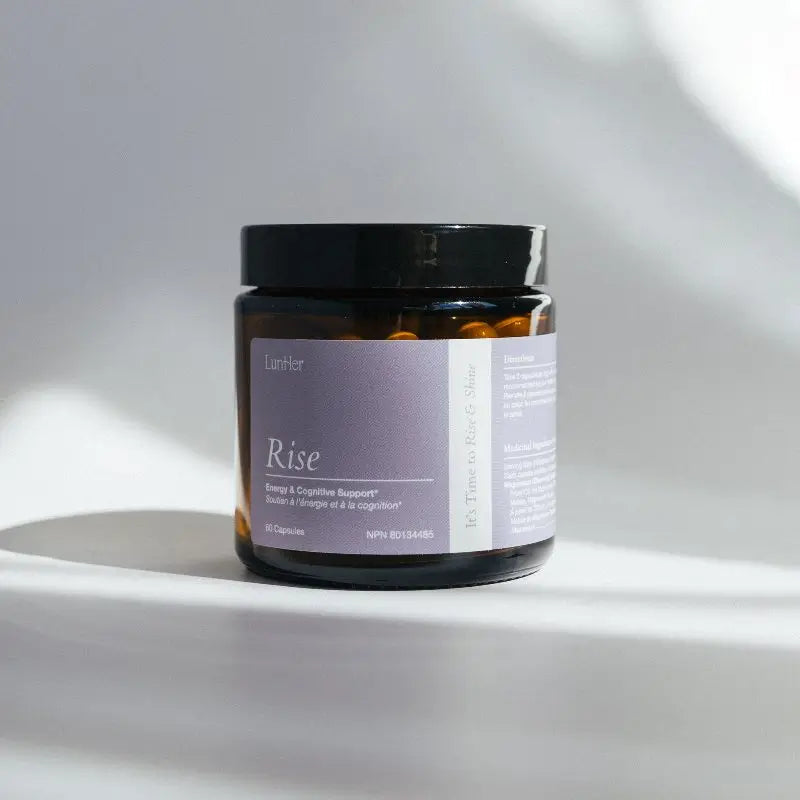
At LunHer, we didn't create Rise specifically as a postpartum supplement—we created it for women navigating all kinds of hormonal transitions, including the postpartum period. But as we dug into the research and listened to countless women describe their postpartum exhaustion, we realized something: the mechanisms of postpartum fatigue—nutrient depletion, mitochondrial dysfunction, hormonal chaos, and nervous system dysregulation—are exactly what Rise was designed to address.

A Personal Note from Jojo (Founder)

I launched LunHer when I was 7 months pregnant. I know—the timing seems almost comically bad. But here's the thing: I was already deep in the research on women's hormonal health, nutrient depletion, and energy metabolism because I'd been struggling with these issues myself for years. I knew that what I was creating wasn't just for me—it was for every woman who had been told her fatigue was "normal" or "all in her head."

When my daughter arrived, I experienced firsthand what so many of you are going through. The bone-deep exhaustion. The brain fog that made even simple decisions feel impossible. The feeling that I was running on empty, no matter how much I tried to rest or eat well.

Rise became my lifeline during those early months. Not because it was a magic pill—there's no such thing. But because it supported my body's own recovery mechanisms at a cellular level. It gave my mitochondria the tools they needed to produce energy. It supported my nervous system as it tried to regulate under extreme stress. It helped clear the brain fog just enough that I could think clearly and be present with my daughter.

I'm not saying Rise is right for every woman or that it's the only answer. But I am saying that it was formulated with deep respect for the science of cellular energy, hormonal health, and postpartum recovery—and it helped me through one of the most challenging transitions of my life.

The Formulation Strategy: Addressing Root Mechanisms

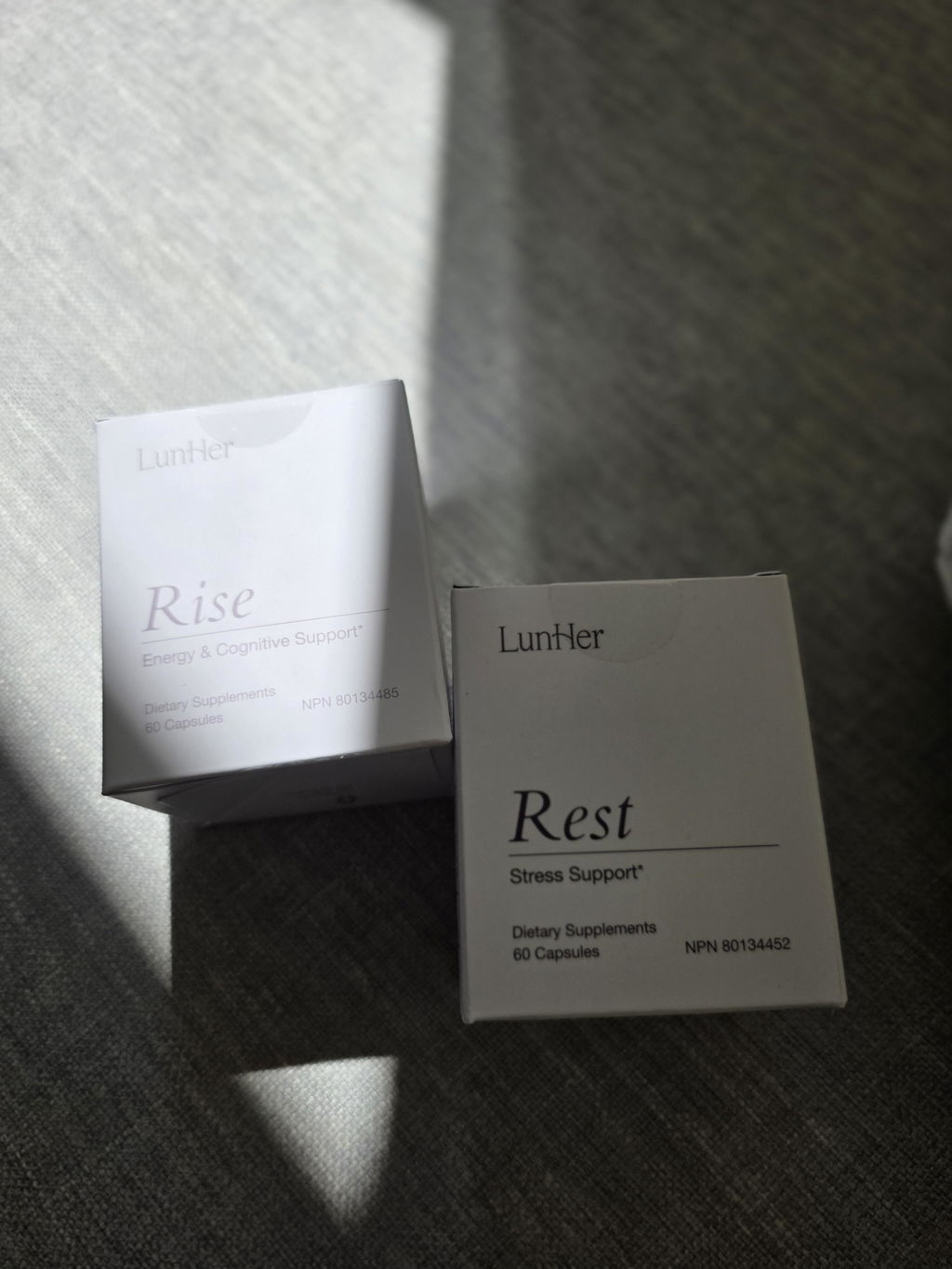
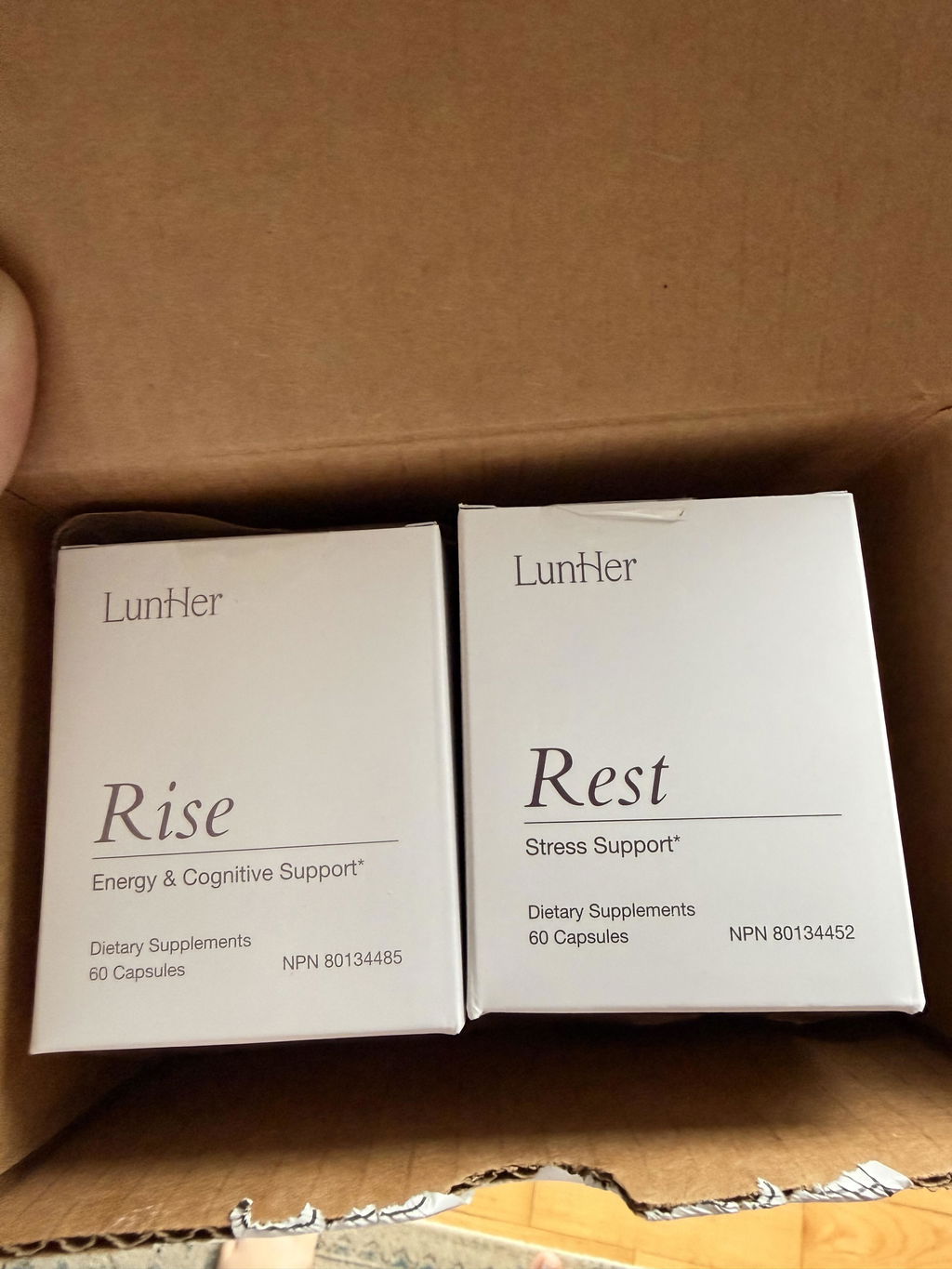
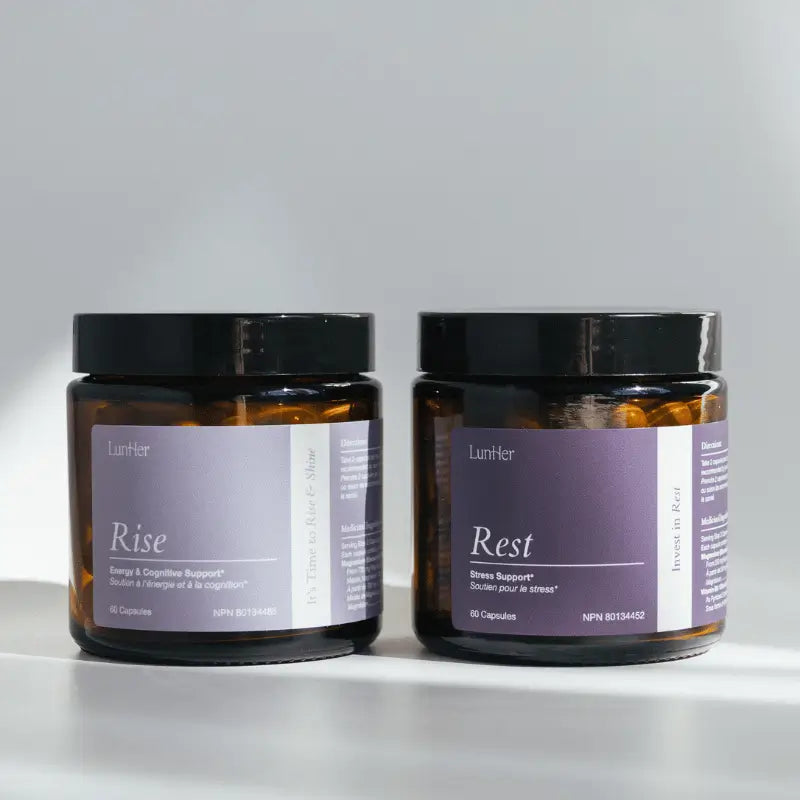
Rise contains carefully chosen ingredients that work synergistically to support postpartum energy recovery:

Cellular Energy Support Through Multiple Magnesium Forms:

Rise contains three forms of bioavailable magnesium—malate, taurinate, and threonate:

  • Magnesium malate: Bound to malic acid, this form directly supports mitochondrial ATP production and is particularly beneficial for combating physical fatigue and muscle soreness

  • Magnesium taurinate: Supports cardiovascular function, cellular hydration, and helps maintain electrolyte balance—critical when breastfeeding

  • Magnesium threonate: The only form that effectively crosses the blood-brain barrier, supporting cognitive function and directly addressing that frustrating postpartum brain fog

This multi-magnesium approach ensures that you're supporting energy production at the cellular level, cognitive function, and muscle recovery simultaneously.

Active B-Vitamins That Your Body Can Actually Use:

Rise includes B-vitamins in their active, methylated forms—methylcobalamin (active B12) and others that your body can use immediately without requiring conversion. This is particularly important for the estimated 40-60% of women who have MTHFR gene variants that impair their ability to convert synthetic forms into active ones.

These active B-vitamins support:

  • Energy metabolism at the cellular level

  • Neurotransmitter synthesis (serotonin, dopamine, norepinephrine)

  • Nervous system function

  • Red blood cell production

  • DNA synthesis and cellular repair

CoQ10 for Mitochondrial Function:

Rise includes CoQ10 to support ATP production at the cellular level. This is the energy currency your body needs for everything—thinking, moving, healing, making milk. CoQ10 also acts as an antioxidant to protect your cells from the oxidative stress that comes with the physical trauma of childbirth and the ongoing demands of postpartum recovery.

Vitamin D3 for Mood, Immunity, and Calcium Metabolism:

Given that the majority of postpartum women are vitamin D deficient despite prenatal vitamin use, Rise includes vitamin D3 to support immune function, mood regulation, and calcium metabolism—all critical for recovery.

Holy Basil (Tulsi) for Stress Adaptation:

Rise includes organic holy basil, an adaptogenic herb that helps regulate cortisol response and supports the nervous system's ability to cope with the physical and emotional stressors of postpartum life. It provides sustained energy without the crash of caffeine and helps your body maintain resilience when you're running on limited sleep and facing constant demands.

The Difference in Approach: Beyond Simple Nutrient Replacement

Traditional postnatal vitamins focus primarily on replenishing what was lost during pregnancy—and that's important. But they often miss the bigger picture. Postpartum women need more than just nutritional replacement. They need support for:

  1. Energy production at the cellular level (not just iron supplementation)

  2. Nervous system regulation (not just addressing nutrient deficiencies)

  3. Cognitive function (not just general "brain health")

  4. Stress adaptation (not just vitamin support)

Rise addresses these root mechanisms of postpartum fatigue:

  • Mitochondrial function: CoQ10 + multiple forms of magnesium + active B-vitamins work synergistically to support ATP production where it actually happens—inside your cells

  • Neurotransmitter production: Active B-vitamins support the synthesis of serotonin, dopamine, and norepinephrine—the neurochemicals that regulate mood, motivation, and mental energy

  • Stress response regulation: Holy basil + magnesium help regulate cortisol and support HPA axis function, giving your nervous system the support it needs to cope with the demands of new motherhood

  • Cognitive clarity: Magnesium threonate + active B-vitamins specifically target brain fog, supporting neurotransmitter function and energy production in brain cells

The Safety Consideration: An Honest Conversation

While Rise was formulated with input from OBGYNs, naturopaths, and women's health experts, we always recommend consulting with your healthcare provider before adding any supplement postpartum, especially if you're breastfeeding.

The vitamins and minerals in Rise—magnesium, B-vitamins, vitamin D, and CoQ10—are generally recognized as safe during breastfeeding and are often recommended by healthcare providers. However, the adaptogens in Rise (holy basil) are understudied in breastfeeding women, so this is an important conversation to have with your provider.

We believe in informed choice and transparent communication. The dosages and forms we've chosen are well-tolerated, and many of our customers use Rise throughout their postpartum journey with their provider's approval. But your provider knows your specific health history and can help you make the best decision for your situation.

That said, I took Rise throughout my postpartum period while breastfeeding, and it was instrumental in my recovery. Every woman's situation is different, so please have this conversation with your healthcare team.

Learn more about Rise or take our quiz to find what's right for you → 

Your Energy Will Return—With the Right Support

If you're reading this at 2 AM, exhausted beyond words and wondering if you'll ever feel like yourself again, I want you to know: you will.

Postpartum fatigue is real, it's measurable, and it's absolutely not your fault. You didn't cause this by not being "strong enough" or "trying hard enough." Your body underwent one of the most physically demanding processes possible—growing and birthing a human being—and it's now in a state of profound recovery and adaptation.

For most women, fatigue peaks at one month postpartum and significantly improves by 3-4 months with proper nutritional support, rest, and help. But recovery timelines vary based on your birth experience, nutrient status, sleep quality, support systems, and whether you're breastfeeding.

Here's what you can do starting today:

1. Prioritize nutrient-dense foods at every meal. Protein, healthy fats, colorful vegetables, and whole grains. Your body needs the raw materials to heal and produce energy.

2. Consider targeted supplementation with guidance from your healthcare provider. B-vitamins, magnesium, CoQ10, vitamin D, and adaptogens can support your recovery at a cellular level—addressing root causes rather than just masking symptoms.

3. Rest when possible, move gently. Your body needs both—adequate rest to repair, and gentle movement to support circulation, mood, and gradually rebuild strength.

4. Ask for help without guilt. Accept offers of meals, cleaning, and baby-holding. You don't get extra points for suffering through recovery alone.

5. Seek medical attention if symptoms worsen rather than improve, or if you're experiencing warning signs beyond normal postpartum fatigue.

You deserve to feel strong, clear-headed, and energized as you navigate motherhood. Your exhaustion is real, your brain fog is real, and your body's need for deep nutritional support is real. Honor that. Support that. And know that with time and the right tools, your energy and mental clarity will return.

You've already done the hardest thing—bringing a new life into this world. Now it's time to give your body what it needs to recover, rebuild, and thrive.

Looking for comprehensive support for postpartum energy? Explore Rise or take our quiz to find what's right for you.

Frequently Asked Questions About Postpartum Fatigue

Q: How long does postpartum fatigue last?

A: For most women, fatigue peaks around one month postpartum and significantly improves by 3-4 months. However, recovery timelines vary considerably based on factors like your birth experience, nutrient status before and during pregnancy, whether you're breastfeeding, sleep quality, and your support system. Some women recover energy within weeks, while others struggle for 6-12 months or longer, particularly if they're dealing with nutrient deficiencies, thyroid dysfunction, or postpartum depression.

Q: Is it safe to take supplements while breastfeeding?

A: Most vitamins and minerals—including B-vitamins, magnesium, vitamin D, and CoQ10—are not only safe but beneficial while breastfeeding. Your body uses these nutrients to produce breast milk, and supplementation helps ensure you're not depleting your own stores. However, always consult your healthcare provider before starting any supplement, especially those containing herbs or adaptogens like holy basil, as these are less studied in breastfeeding populations.

Q: Can I take Rise while breastfeeding?

A: Rise contains vitamins, minerals (magnesium, B-vitamins, vitamin D, CoQ10), and holy basil (an adaptogen). While the vitamins and minerals are generally safe and often recommended during breastfeeding, adaptogens like holy basil are understudied in breastfeeding women. We recommend discussing Rise with your healthcare provider to determine if it's appropriate for your specific situation. Many of our customers use Rise while breastfeeding with their provider's approval, but this decision should be made individually with professional guidance.

Q: What's the difference between postpartum vitamins and regular multivitamins?

A: Postpartum formulas are specifically designed to address the unique nutritional demands and depletions of the postpartum period. They typically contain higher levels of nutrients that are depleted during pregnancy and lactation (like iron, B-vitamins, magnesium, and vitamin D) and may include ingredients that support energy production at the mitochondrial level, nervous system health, and stress adaptation—not just basic nutritional maintenance. Regular multivitamins provide general nutritional insurance but may not address the specific mechanisms of postpartum fatigue and depletion.

Q: When should I be concerned about postpartum fatigue?

A: Seek medical attention if:

  • Fatigue worsens after 3 months rather than improving

  • You're unable to get out of bed or care for your baby

  • Fatigue is accompanied by thoughts of harming yourself or your baby

  • You experience persistent shortness of breath, chest pain, or heart palpitations

  • You have severe headaches, vision changes, or significant swelling

  • You have signs of postpartum depression or anxiety that interfere with daily functioning

  • You suspect thyroid dysfunction (weight changes, temperature sensitivity, hair loss, extreme mood changes)

Remember that while some fatigue is expected postpartum, severe or worsening exhaustion is not normal and deserves medical evaluation.

Q: Will coffee or caffeine help my postpartum fatigue?

A: While caffeine provides temporary energy, it doesn't address the root causes of postpartum fatigue—nutrient depletion, hormonal changes, and cellular energy deficits. In fact, caffeine can worsen your situation by interfering with the limited sleep you do get, increasing cortisol levels (which are already likely dysregulated), and potentially affecting your baby if you're breastfeeding. Focus first on nutrient support, adequate food intake, and rest. If you do choose to consume caffeine, keep it to 200-300mg daily (about 2 cups of coffee) and avoid it after 2 PM to protect your sleep quality.

Q: Can postpartum fatigue be a sign of postpartum depression?

A: Yes, severe and persistent fatigue is one of the key symptoms of postpartum depression. However, fatigue alone doesn't mean you have PPD. Postpartum depression typically includes other symptoms like persistent sadness, loss of interest in activities you normally enjoy, feelings of worthlessness or guilt, difficulty bonding with baby, changes in appetite, thoughts of harming yourself or baby, or severe anxiety. If you're experiencing multiple symptoms beyond fatigue, please reach out to your healthcare provider or call Postpartum Support International at 1-800-944-4773. Interestingly, nutrient deficiencies—particularly magnesium, vitamin D, iron, zinc, and B-vitamins—are associated with increased risk of PPD, so addressing nutritional status may support both energy and mood.

Medical Disclaimer

This article is for informational purposes only and is not intended to be a substitute for professional medical advice, diagnosis, or treatment. Always seek the advice of your physician or other qualified health provider with any questions you may have regarding postpartum health, supplementation, or any medical condition. Never disregard professional medical advice or delay seeking it because of something you have read in this article.

The statements about dietary supplements have not been evaluated by the Food and Drug Administration. These products are not intended to diagnose, treat, cure, or prevent any disease.

If you are experiencing a medical emergency, call 911 immediately. If you are having thoughts of harming yourself or your baby, call the National Suicide Prevention Lifeline at 988 or the Postpartum Support International Helpline at 1-800-944-4773.

About LunHer:

LunHer creates science-backed supplements formulated specifically for women's hormonal health and wellness. Founded by women who've experienced firsthand the frustration of inadequate support during critical life transitions, LunHer partners with OBGYNs, naturopaths, and women's health experts to develop clean, effective products that meet the highest standards. Learn more at www.lunher.com.

Fourth Trimester Recovery Guide: Everything You Need (2025)

Fourth Trimester Recovery Guide: Everything You Need (2025)

This guide covers everything you need to know about fourth trimester recovery: the physical healing your body undergoes, the mental health challenges you might face, the essential nutrients that su...

Read more
prenatal vs postnatal vitamins
Fertility

Prenatal vs Postnatal Vitamins: When to Make the Switch (+ What Your Body Really Needs)

Prenatal vs postnatal vitamins: When to switch, what your body really needs, and why a 2-formula approach (Rise + Rest) beats one-size-fits-all supplements.

Read more