



Habit Stacking: How to Build a Routine That Survives a Depleted Week
Written by Our Editorial Team & Medically Reviewed by Dr. Aisling Lanigan, N.D.
You bought the supplements. You meant to take them. The bottle is still sitting on the shelf where you put it, three weeks ago, with a good intention attached.
This is not a discipline problem. It's a design problem. And when you're running on empty, it's the most predictable thing in the world.
Here's why routines break down when you're depleted, and the small structural fix that makes them stick.
Key Takeaways
- Most new routines fail because they ask you to spend willpower you don't have. Depletion drains the exact resource a new habit needs.
- Habit stacking removes the decision. You attach the new behavior to something you already do without thinking.
- Habits take longer to become automatic than you've been told. The research points to roughly two months on average, not 21 days.
- Missing one day does not break the habit. The research is clear on this, and so is the biology.
- Habits anchored to a morning routine tend to form faster, which is one reason a fixed AM and PM ritual works better than "whenever I remember."
Why routines collapse when you're already depleted
Most habit advice assumes you're starting from a full tank. Set the alarm earlier. Prep the meals. Add the workout. Do it all on Monday.
By Thursday it's gone, and you decide the problem is you.
It isn't. Every new habit costs something. It needs attention, a decision, and a small push to get going. When you're depleted, those are precisely the reserves that are already spent. You're being asked to pay for the new routine in a currency you've run out of.
Which is the quiet trap of burnout recovery. The habits that would help you most are the ones that require the most from you, at the moment you have the least to give. That's the nervous system running on empty, not a character flaw.
So the answer isn't more willpower. It's needing less of it.
The fix: attach, don't add
Habit stacking is simple. You don't build a new routine from nothing. You attach the new thing to something you already do on autopilot.
You already make coffee. You already brush your teeth. You already sit down at your desk. Those moments run without a decision, which makes them useful. They're a cue that's already firing.
The formula is one sentence:
After I [thing I already do], I will [new thing].
For a supplement ritual, it looks like this:
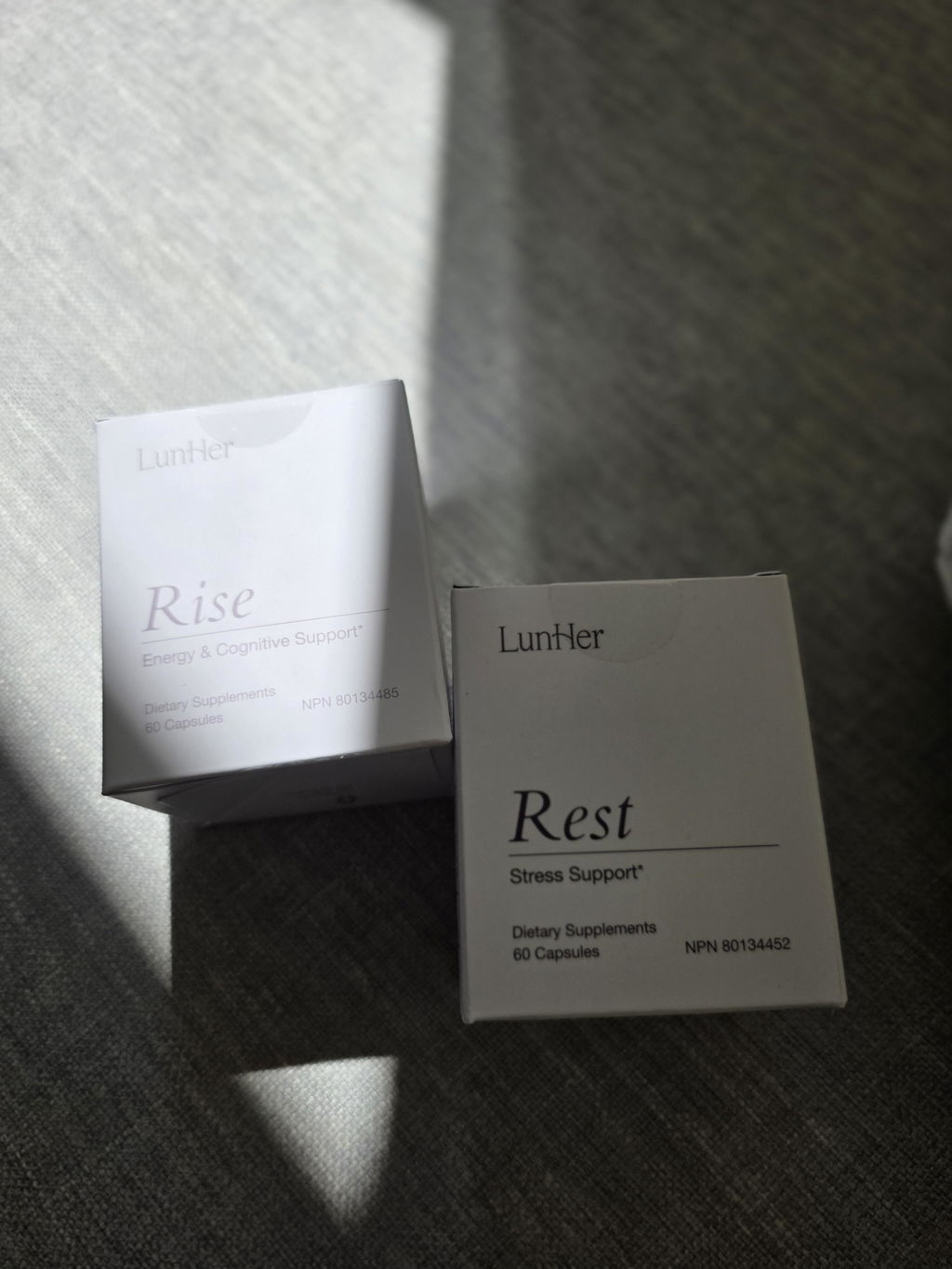
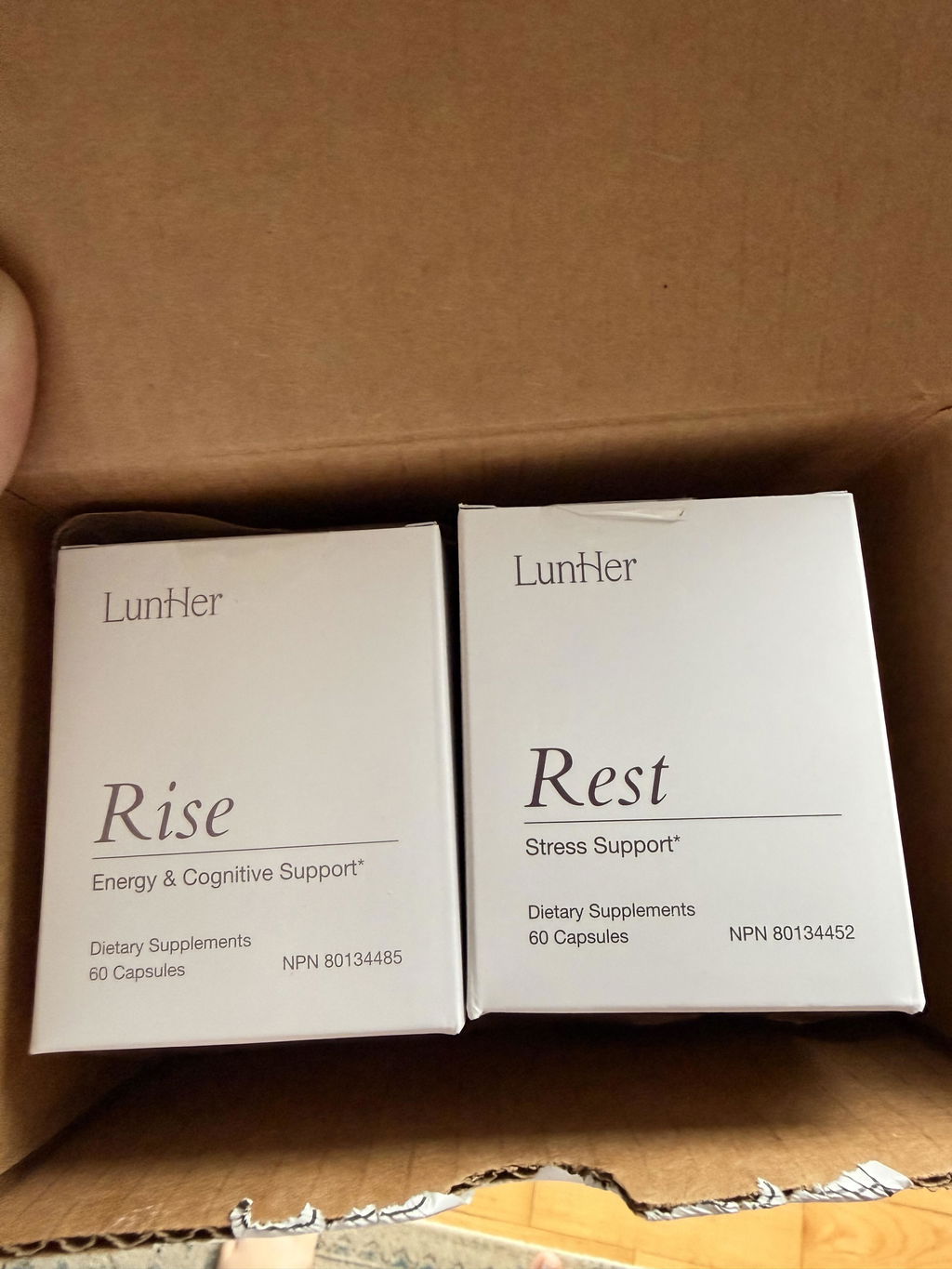
→ After I sit down with my coffee, I take Rise
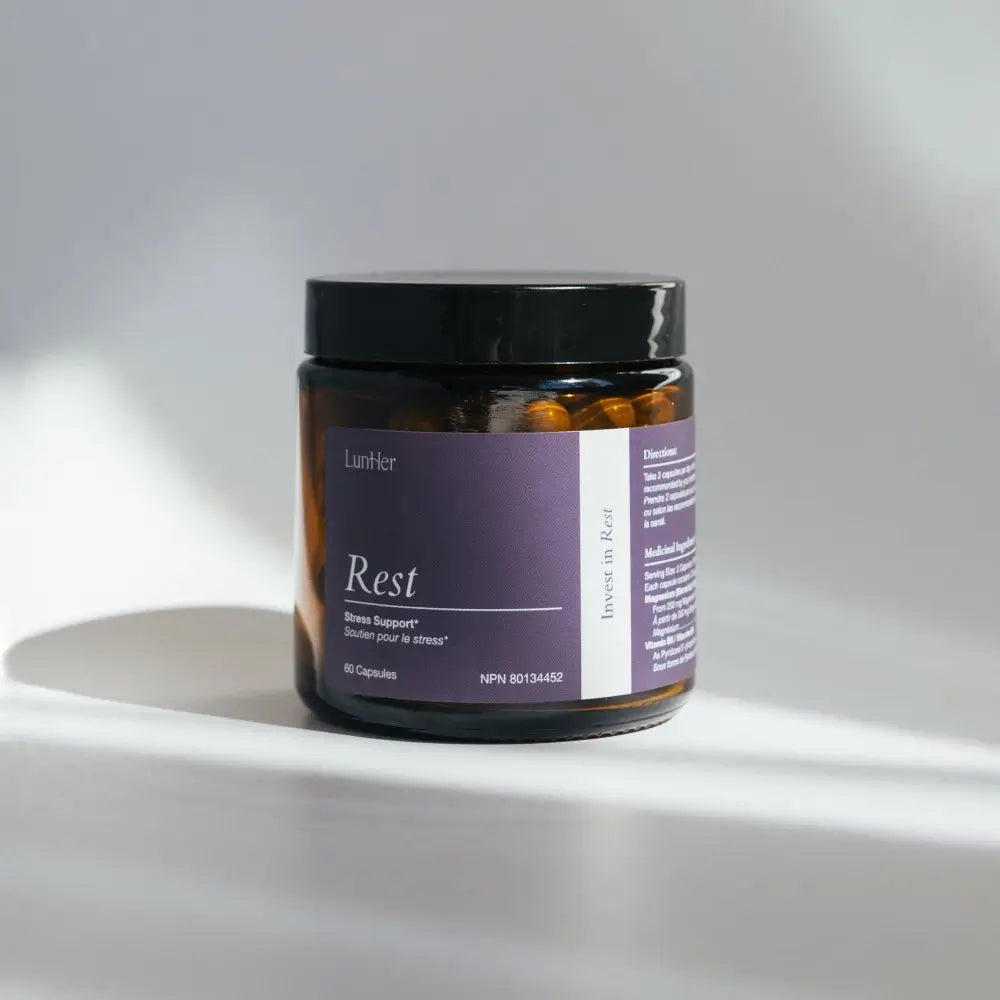
→ After I brush my teeth at night, I take Rest
Notice what's missing. There's no reminder to set, no decision to make, no motivation to summon at 7am on a bad week. The cue is already in your day. You're just parking something next to it.
How long it actually takes
You've probably heard it takes 21 days to build a habit. That number came from a 1960 plastic surgery book, not from habit research, and it has been quietly wrong for sixty years.
The real answer is longer and more forgiving. In the most cited study on the topic, researchers tracked 96 people forming a new daily health habit and found the median time to reach automaticity was 66 days, with a range from 18 to 254 depending on the person and the behavior.
A 2024 systematic review of 20 studies and 2,601 participants landed in similar territory: health habits generally take two to five months to consolidate, not weeks.
Two things in that research matter for you.
Missing one day doesn't break the curve. Lally's data showed that a single missed day had no meaningful effect on the habit forming. The all-or-nothing streak logic is not how this works. Skip a night, take it the next night, keep going.
Morning practices form faster. The 2024 review flagged morning anchoring as one of the determinants of habit strength. A ritual attached to a fixed morning cue tends to lock in more reliably than one floating loose in your day.
Stack by moment, not by product
The easiest routine to keep is one that follows the shape of your day, not a shopping list.
You already have a body clock running an AM and PM rhythm. Cortisol lifts you in the morning, and the wind-down comes at night. If you build your ritual on that rhythm instead of fighting it, you're working with a cue your body is already sending. (More on that in how your circadian rhythm runs your sleep and energy.)
Morning. Anchor to breakfast or your first coffee. This is where daytime support belongs: energy, focus, and steadiness through the afternoon.
Evening. Anchor to the last thing you do before bed. Teeth, skincare, lights out. This is where the wind-down belongs.
Two moments. Two anchors. That's the whole routine.
Four rules for a stack that holds
One stack at a time. Don't redesign your day. Pick one moment, get it automatic, then add the second. Two habits at once is twice the willpower and half the odds.
Anchor to something truly automatic. Coffee, teeth, shower, commute. The more mindless the cue, the faster the stack locks in. "After I get home" is vague. "After I brush my teeth" is a specific, physical trigger.
Make it visible. The bottle goes next to the coffee maker. Next to the toothbrush. Not in the cupboard, not in a drawer. Out of sight is genuinely out of mind on a depleted week.
Track the feeling, not the streak. Streaks invite perfectionism, and perfectionism invites quitting. What you're watching for is different: sleep that holds through the night, an afternoon without the crash, the fog thinning out. Those are the signals worth tracking.
The part nobody tells you about weeks two and three
Here's where most people quit, and it's worth naming plainly.
Around day 10 to 20, two things are happening at once. The habit is not yet automatic, so it still costs you something to remember. And the results are still building underneath, so you may not have much visible proof yet.
That's an uncomfortable overlap. It's also completely normal. It's the same window in both stories, the behavioral one and the biological one, and it's the reason so many people stop right before things start to click.
The timelines are actually reassuring when you put them side by side. Habits take around two months to feel automatic. In our own 8-week observational study, the shift most women described also landed around week 8, with 87% saying they felt like themselves again. The ritual stops requiring effort right about when the results stop requiring faith.
You don't have to feel it working every day for it to be working. You just have to keep the cue. For the full arc, here's what to expect in your first 90 days.
The bottom line
Routines don't fail because you aren't disciplined. They fail because they were designed for a version of you with energy to spare, and that's not the version showing up on a Tuesday in week three.
Stack small. Anchor to what you already do without thinking. Make it visible. Give it two months instead of three weeks, and forgive the missed days, because the research says they don't count against you.
Consistency is the thing that makes any of it work. Habit stacking is just the cheapest way to buy it.
A ritual built for two anchors
The Daily Ritual Bundle is designed around the two moments you already have. Rise in the morning with breakfast, for daytime energy and nervous system support. Rest at night before bed, for deep sleep and overnight recovery.
Two capsules, twice a day, attached to things you already do. In our 8-week observational study, 90% of women reported improved sleep and 87% said they felt like themselves again.
Licensed by Health Canada (Rise NPN 80134486, Rest NPN 80154492). Third-party tested, made in Canada. Backed by a 60-day money-back guarantee.