


Circadian Rhythm 101: How Your Body's Clock Runs Your Sleep and Energy
Written by Our Editorial Team & Medically Reviewed by Dr. Aisling Lanigan, N.D.
Key Takeaways
- Your circadian rhythm is a roughly 24-hour internal clock, set mostly by light, that tells your body when to be alert and when to wind down.
- Two hormones do most of the work: cortisol, which should peak in the morning to wake you up, and melatonin, which should rise at night to help you sleep.
- Burnout and chronic stress flatten and shift this rhythm
- Reaching for melatonin supplements can work against your body's own production. Supporting the rhythm tends to be more sustainable than overriding it.
You're exhausted by 8pm but wide awake at 3am. Your alarm goes off and you feel like you never slept. By mid-afternoon you're running on empty, reaching for another coffee just to stay upright.
If your energy feels random and out of your control, it isn't. It runs on a clock. That clock is your circadian rhythm. When you're depleted, it's often the first thing to slip.
Here's how your body clock actually works, why burnout throws it off, and what actually helps you reset it. Spoiler: it isn't melatonin.
What is a circadian rhythm?
Your circadian rhythm is your body's internal 24-hour clock. It runs sleep, body temperature, digestion, and the daily rise and fall of your hormones, all on a repeating cycle.
The master clock sits in a tiny cluster of cells in your brain called the suprachiasmatic nucleus. It takes its main cue from light hitting your eyes, then sends timing signals to the rest of your body so your organs run on roughly the same schedule.
That's the important part: your clock is set by light, not willpower. Which is also why it's easy to knock out of sync without realizing it.
The two hormones running the show
Most of what you feel as "energy" and "tiredness" comes down to two hormones on opposite schedules.
Cortisol
Cortisol is your built-in wake-up signal. In a healthy rhythm, it spikes in the first hour after you wake (researchers call this the cortisol awakening response), then tapers across the day. Morning light is one of the strongest triggers for that spike, which is part of why a bright morning makes you feel more awake than a dark one.
Melatonin
Melatonin is the opposite. It's released as it gets dark, and it tells your body the day is over. Light, especially from screens and bright bulbs at night, delays it.
When the rhythm is working, these two trade off cleanly. Cortisol lifts you in the morning, melatonin lowers you at night. When it isn't, the handoff gets messy. That's the cortisol curve that's supposed to wake you up firing at the wrong times.
Why burnout throws your clock off
Here's where it gets personal for anyone running on empty.
Chronic stress keeps your nervous system in a low-grade state of alert. Over time, that flattens the natural cortisol curve. Instead of a clean morning peak and a calm evening dip, you get a muddier version: not enough lift in the morning, too much activation at night.
The result is the pattern so many depleted women describe. You wake up feeling like you never rested. You drag through the afternoon. Then, right when you want to sleep, your mind won't fully power down, or you fall asleep fine and wake at 3am unable to get back down.
This isn't a character flaw or a willpower problem. It's a rhythm problem. And rhythm problems respond to rhythm inputs, not to forcing it.
Why melatonin supplements usually aren't the fix
When sleep falls apart, melatonin is the obvious grab. It's cheap, it's everywhere, and it feels like the logical answer.
The catch: taking melatonin is essentially adding the hormone from the outside. Used regularly, that can signal your body to make less of its own, and it doesn't address why your rhythm drifted in the first place. It overrides the clock rather than resetting it.
That's the thinking behind why we left melatonin out of Rest. The more sustainable path is to give your body what it needs to wind down on its own schedule, so your own melatonin can rise the way it's meant to.
How to actually support your circadian rhythm
You can nudge your clock back toward a cleaner rhythm with a handful of daily inputs. None of these are dramatic on their own. Together, they compound.
- Get outside after waking. Morning light is the single strongest signal for setting your clock. Ten to fifteen minutes outside within an hour or two of waking helps anchor your cortisol peak where it belongs.
- Keep a steady wake time. Consistency matters more than a perfect bedtime. Waking at the same time, even on weekends, gives your clock a stable reference point.
- Move your caffeine earlier. Caffeine has a long tail. An afternoon coffee can still be in your system at bedtime, blunting the wind-down.
- Dim the evening. Lower the lights and cut screens where you can in the last hour before bed, so melatonin isn't fighting artificial daylight.
- Support the wind-down, not just the sleep. Certain nutrients help your nervous system shift into rest mode. Magnesium is a well-studied one. In recent randomized trials, both magnesium L-threonate and magnesium bisglycinate improved self-reported sleep quality, with the bisglycinate trial showing most of the change inside the first two weeks. L-theanine, an amino acid from green tea, has also been shown to lower stress scores and improve sleep quality at 200 mg per day.
Some of what disrupts your rhythm is out of your hands. Night shifts, a new baby, travel across time zones. You can't control all of it. You can control the inputs above, and they add up.
Where The Daily Ritual fits in
Most supplements ignore your clock entirely. One pill, taken whenever, doing the same thing morning and night. That's the opposite of how your body works.
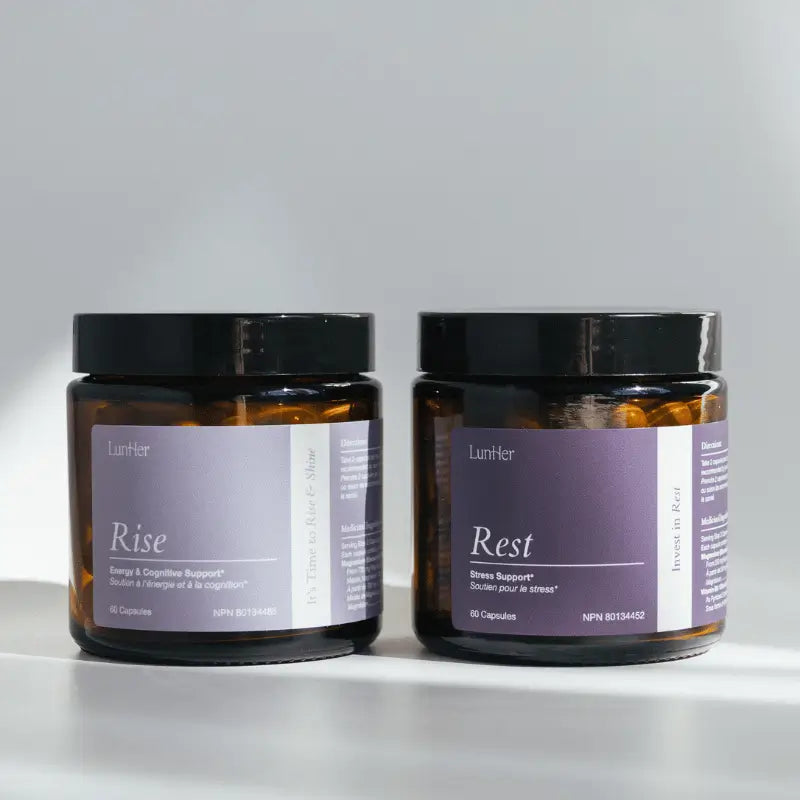
LunHer is built as two formulas on the rhythm your body already runs.
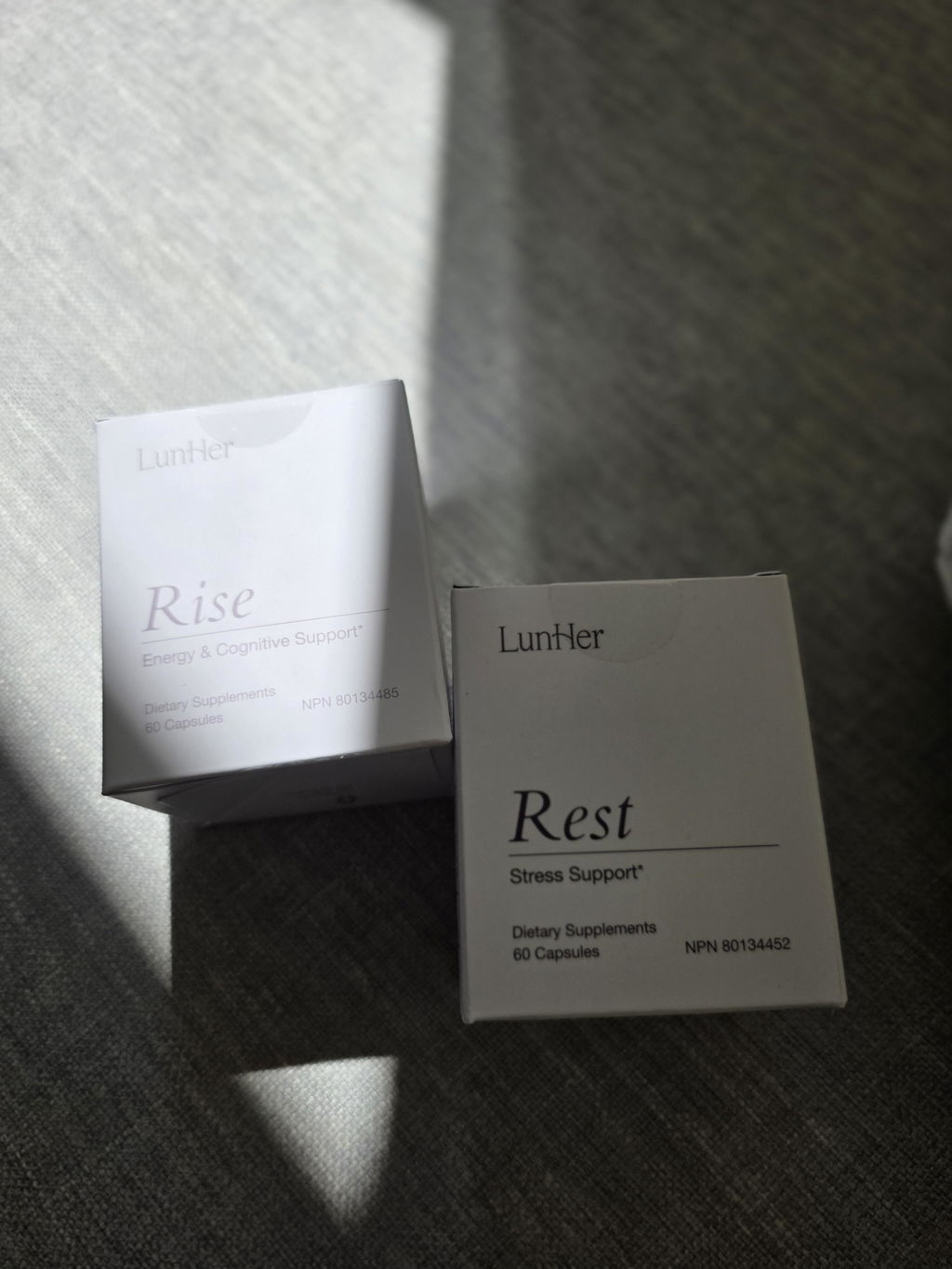
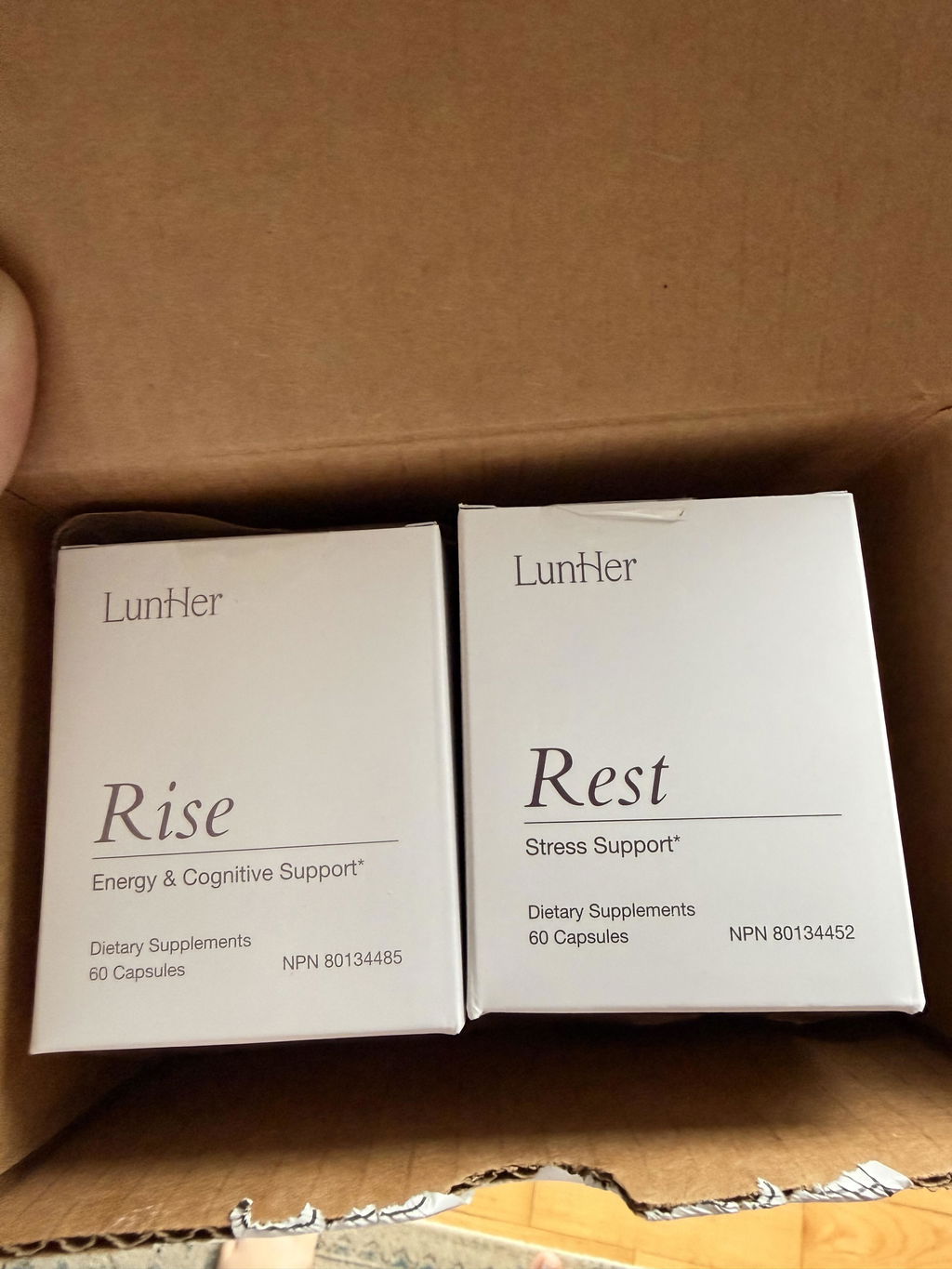
Rise (AM) supports the part of the day when your body wants to be alert. It pairs three targeted forms of magnesium (L-threonate, malate, and taurate) with a full B-complex in active forms, vitamin D3, CoQ10, and Holy Basil, to support steady daytime energy and help your nervous system meet the day without spiking it.
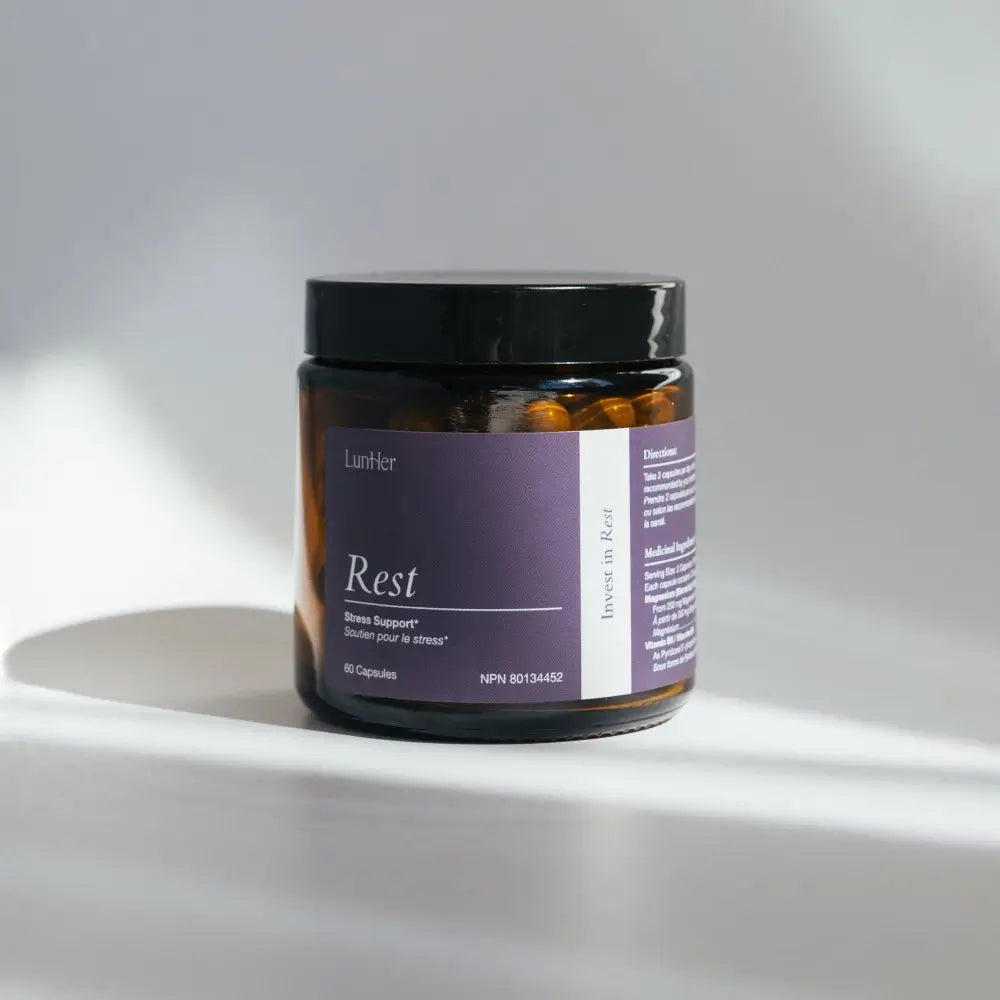
Rest (PM) supports the wind-down. Magnesium bisglycinate, L-theanine, and calming botanicals (passionflower, chamomile, and schisandra) help your body ease into rest, so your own evening rhythm can take over. No melatonin. No dependency. Just support for the systems you already have.
It's the same logic as the rest of this article: work with the clock, don't override it. For a closer look at why form matters so much with minerals, here's the different forms of magnesium and why they matter.
The Bottom Line
Your energy isn't random, and your bad nights aren't a personal failing. They're your circadian rhythm asking for the inputs it needs. Light in the morning, dark at night, a steady schedule, and the right support in the evening will do more for you than any single supplement taken out of sync.
Burnout tends to flatten that rhythm first. Rebuilding it is less about forcing sleep and more about giving your body its cues back, one steady day at a time. Sleep supports cortisol, cortisol supports energy, energy supports focus. It starts with the clock.
The information in this article is for general educational purposes only and is not intended to replace consultation with a qualified healthcare professional. Always consult a doctor or naturopath before starting any supplement, particularly if taking medications or managing a health condition. LunHer products are not intended to diagnose, treat, cure, or prevent any disease.