

How Long Does Burnout Recovery Actually Take?
Written by Our Editorial Team & Medically Reviewed by Dr. Aisling Lanigan, N.D.
Key Takeaways
- Clinical studies on sleep, stress, and metabolic support often show meaningful improvements over 3-6 months of consistent support
- Sustained improvements in energy often take several months, reflecting the time needed to replenish nutrient cofactors and support mitochondrial energy production
- Studies consistently show that better adherence to supplement regimens is associated with stronger outcomes than sporadic use, which is why steady daily intake is emphasized
Scrolling through wellness influencers promising "cure burnout in 7 days" or ads for supplements that claim to restore energy by next week sounds tempting when exhaustion has become your baseline. When waking up tired after 8 hours of sleep, crashing by 3pm, and running on caffeine and willpower define most days, those quick-fix promises feel like exactly what's needed.
But if those approaches have already been tried and disappointment followed, the reason is straightforward: burnout didn't develop overnight, and recovery doesn't happen that way either. Your body needs time to restore depleted nutrients, repair stress-related dysregulation, and rebuild metabolic capacity.
Clinical research on sleep, stress, and chronic fatigue typically shows meaningful results over 3-6 months of consistent support. Different aspects of recovery improve at different rates because they involve different biological systems. Understanding these realistic timelines helps track real progress without giving up when week two doesn't bring dramatic changes.
Why Recovery Takes Months, Not Days
The body doesn't operate on an app-based timeline. The specific pattern of stress-related dysregulation, nutrient depletion, and metabolic exhaustion that defines chronic burnout developed over months or years. Supporting recovery requires cells, tissues, and the entire stress response system to adapt at their own biological pace.
The different timelines for various symptoms reveal distinct physiological processes at work. Sleep improvements often happen first because they reflect support for stress hormone patterns and nervous system downregulation. When the body receives consistent support for evening relaxation and calming neurotransmitter activity, sleep quality can begin to respond within 4-6 weeks in many studies.
Mood stabilization follows a similar timeline, often appearing within 4-8 weeks. Adaptogenic and nervine botanicals are thought to support the hypothalamic-pituitary-adrenal (HPA) axis, helping emotional resilience return as stress response finds better balance.
Energy stabilization typically requires the longest timeline because metabolism needs to rebuild. Mitochondria require time to restore optimal function when chronic stress has depleted critical cofactors like B-vitamins, magnesium, and CoQ10. This isn't about a temporary boost; it's about supporting the metabolic foundation.
When these biological realities are understood, the multi-month timeline makes sense. The body is doing complex repair work, and quick fixes can't replicate that process.
Realistic Timelines for Recovery
Understanding what happens during each phase helps recognize progress when it arrives. These patterns emerge across clinical studies of sleep, stress, and metabolic support, though individual experiences vary. Bodies may move faster or slower through these stages depending on factors like ongoing stress levels, sleep quality, baseline nutrient status, and overall health.
Studies consistently show that better adherence to supplement regimens is associated with stronger outcomes than sporadic use. Research on supplement and medication adherence shows that many women face challenges maintaining consistency over time, highlighting the need for realistic goals. What matters most is showing up more days than not, and knowing what to look for so real change can be tracked. Attaching the routine to something already automatic, an approach called habit stacking, makes it easier to keep going through a depleted week.
Weeks 1-4: Foundation Building
Most women don't notice dramatic changes in the first month. In many nutraceutical and behavioral sleep/stress trials, measurable improvements appear by weeks 4-6. The body is beginning to respond to consistent nutritional support, but visible improvements take time.
Subtle shifts might appear. Slightly better sleep quality, marginally more patience during stressful moments, or feeling less "wired" at night. These small changes signal the body is utilizing the nutritional support and beginning to restore depleted reserves.
Weeks 4-8: Sleep and Mood Shifts
This is when many women first recognize meaningful improvements in sleep quality and mood stability. In many clinical studies of natural sleep and stress supports, improvements in subjective sleep quality begin to appear within about 4-6 weeks, including easier sleep onset and fewer nighttime awakenings, although individual responses vary.
Many adaptogenic and nervine botanicals used for stress support have shown benefits for mood and perceived stress over 4-8 weeks in clinical studies. Mood may feel more stable throughout the day, with stress not knocking things off balance the way it used to. The stress response system is finding better regulation.
Months 2-3: Consistent Energy Patterns
By the second and third month, many women notice improved energy consistency. The 3pm crash that used to derail every afternoon may soften or disappear. Morning energy may feel more reliable without needing immediate caffeine.
This reflects the body restoring nutrient cofactors required for mitochondrial function. B-vitamins, magnesium, and CoQ10 are supporting metabolic capacity at the cellular level.
Getting the right combination of nutrients to support these changes isn't always straightforward. Managing multiple bottles with different timing requirements adds mental load to already exhausted days.
While energy improvements often appear within 2-3 months, the most foundational metabolic changes follow a longer timeline.
Months 3-6: Sustained Energy and Metabolic Restoration
The longest timeline brings the most foundational change. Many longer-term studies suggest that benefits continue to increase over 12 or more weeks of consistent support. By month six, many women report steady energy throughout the day without crashes, improved stress resilience, and genuine capacity to be present for what matters, not just survival mode.
This reflects the body genuinely restoring its metabolic foundation, not temporary stimulation. Nutrient reserves are replenished, mitochondrial function is optimized, and the stress response system has had time to recalibrate patterns.
The Bottom Line
Recovery from chronic stress and burnout isn't a sprint. It's sustained, science-backed support. This approach works with the body's natural timelines. When quick fixes are abandoned and commitment to the multi-month window clinical research supports is made, something more valuable than hype is gained: actual progress.
The body is capable of remarkable adaptation when provided consistent support. Sleep often improves in 4-6 weeks. Mood can stabilize within 2 months. Energy can rebuild over several months. These aren't guarantees, but they are realistic expectations based on clinical evidence from sleep, stress, and metabolic studies.
Burnout, as a form of chronic stress-related dysregulation, likely follows similar biological timelines to those observed in clinical trials of stress, poor sleep, and fatigue.
Start where you are. Stay consistent. Trust that small changes sustained over weeks create the foundation for meaningful improvement.
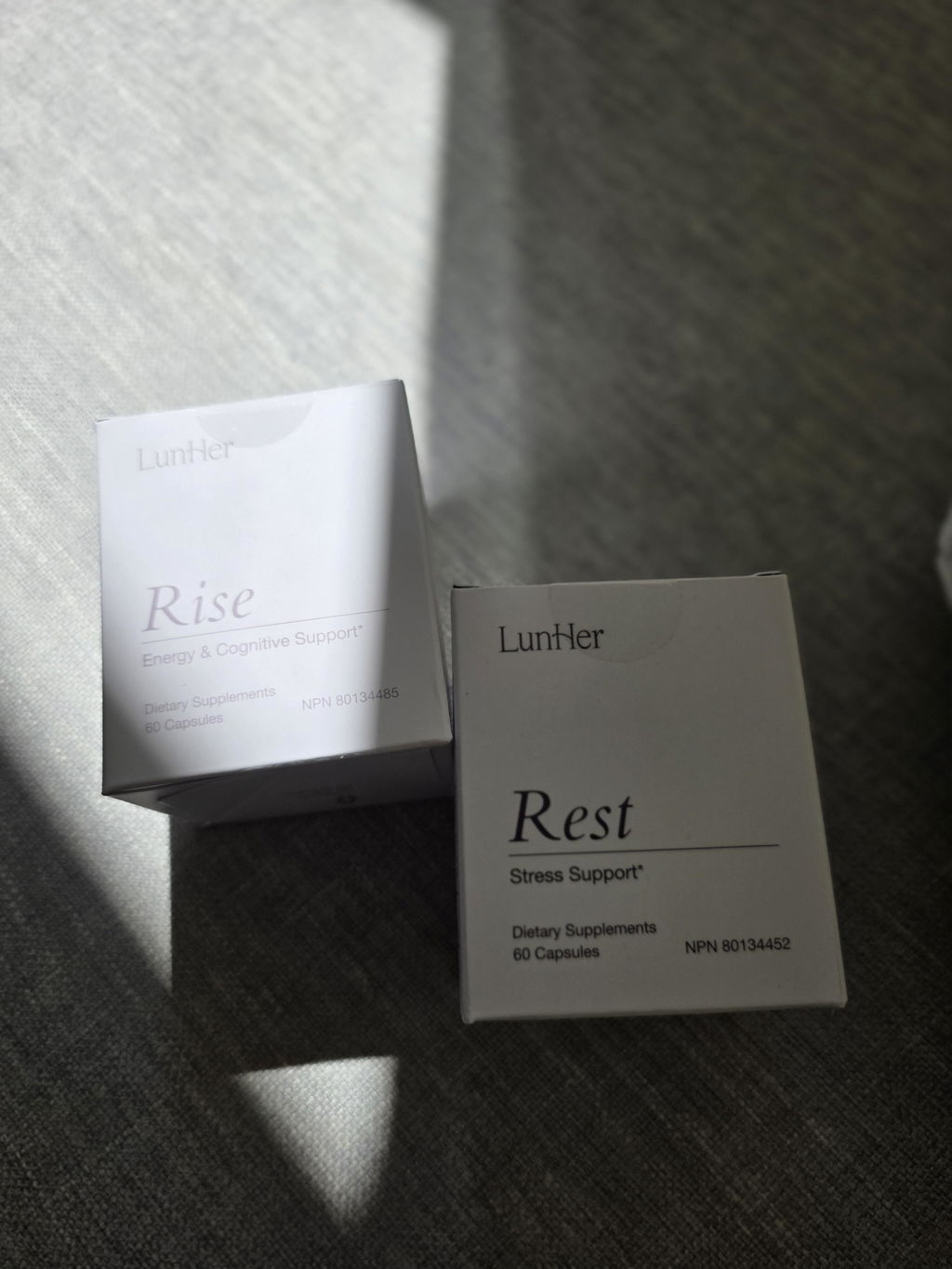
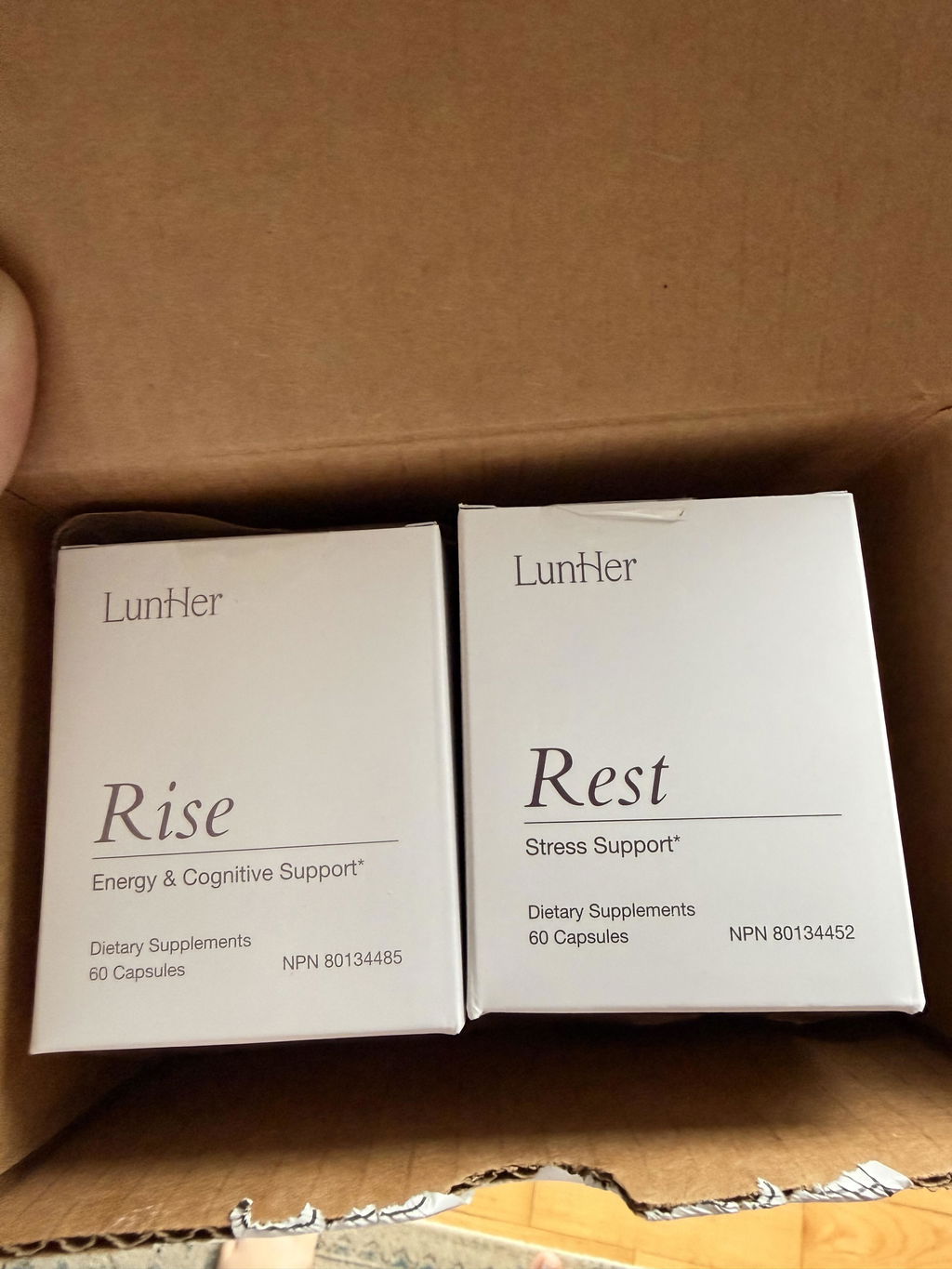
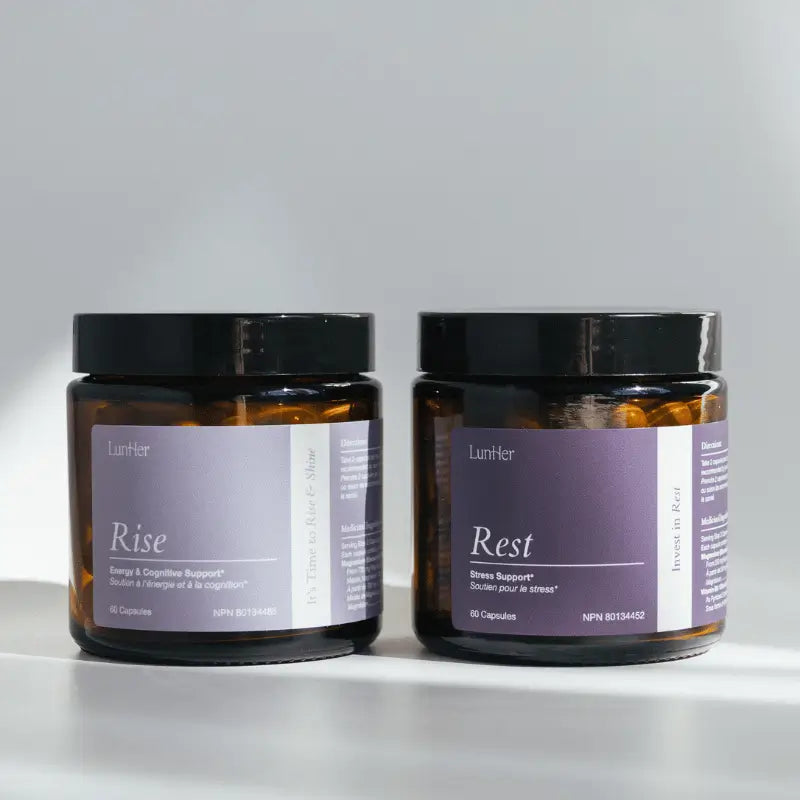
LunHer's Daily Ritual Bundle combines the nutrients clinical research shows work together for stress and energy support.
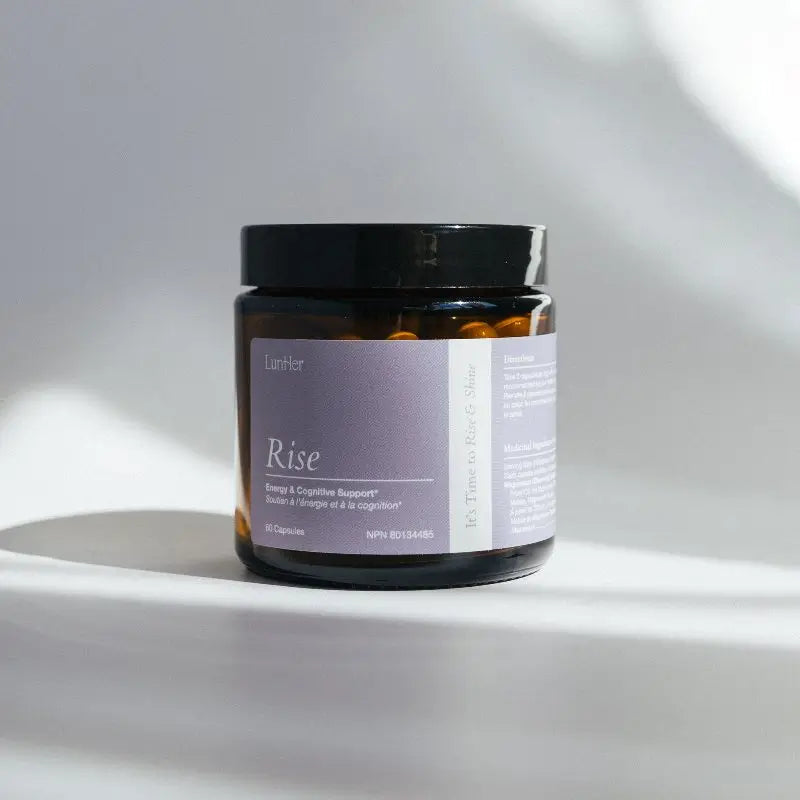
Rise (AM formula) delivers four forms of magnesium targeting different physiological pathways, bioavailable B-vitamins, CoQ10 for mitochondrial support, and Holy Basil.
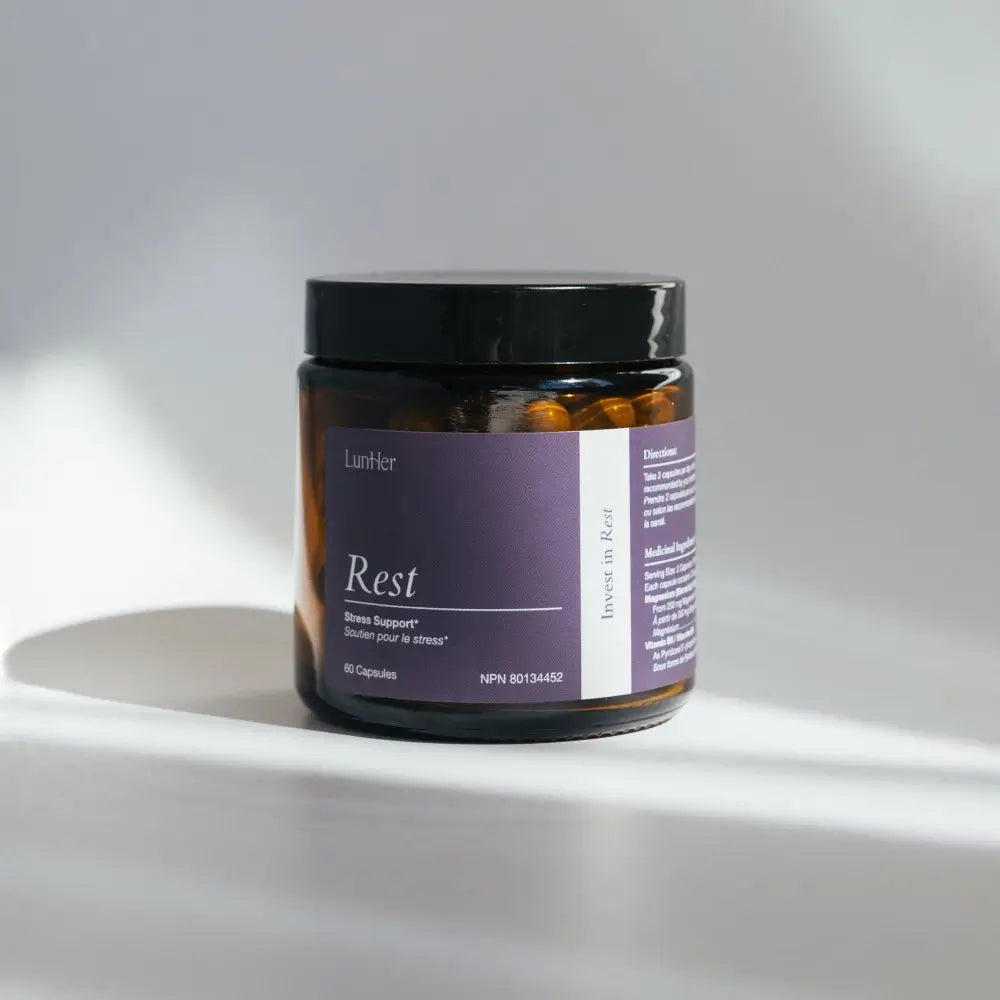
Rest (PM formula) provides magnesium bisglycinate for sleep, L-theanine for nervous system calm, and nervine herbs including passionflower, chamomile, and schisandra to support evening relaxation and healthy stress response patterns.
The effervescent system supports absorption while fitting into daily routine, aligning with the multi-month timeline the body typically needs for consistent energy improvement.
The information shared on this site is for general educational purposes only and is not intended to replace consultation with a qualified healthcare professional. Always consult your doctor if you have any concerns about any symptoms you are experiencing.