

Can Birth Control Cause Fatigue? What Science Says (2026)
If you've started hormonal birth control and suddenly feel like you're running on empty, you're not imagining things. But is your contraceptive actually causing your fatigue—or is something else going on?
Let's dig into what the research says and what might really be draining your energy.
Key Takeaways
Some people report fatigue after starting hormonal birth control, but research hasn't established a definitive causal link.
The more likely culprit? Nutrient depletions. Oral contraceptives have been associated with lower levels of B vitamins, magnesium, zinc, and other key nutrients that directly affect energy.
If you're experiencing fatigue on birth control, it's worth investigating whether nutritional gaps, thyroid function, sleep quality, or stress might be contributing factors.
You don't have to just "deal with it." There are real solutions—from strategic supplementation to exploring different contraceptive options.
The Short Answer: It's Complicated
Here's the honest truth: some people feel more fatigued on hormonal birth control, while others actually report improved energy and better sleep. The research is mixed, and there's no definitive study proving that birth control directly causes fatigue.
That said, fatigue is listed as a potential side effect for many hormonal contraceptives. And when you understand how these methods affect your body, it starts to make more sense why some people experience energy dips while others don't.
The key is figuring out what's actually happening in your body—because fatigue is rarely caused by just one thing.
Types of Birth Control: Hormonal vs. Non-Hormonal
Not all birth control affects your body the same way. The methods most likely to influence your energy levels are hormonal options, which alter your body's natural hormone balance.
Hormonal Birth Control Methods
These contain synthetic versions of estrogen and/or progestin:
-
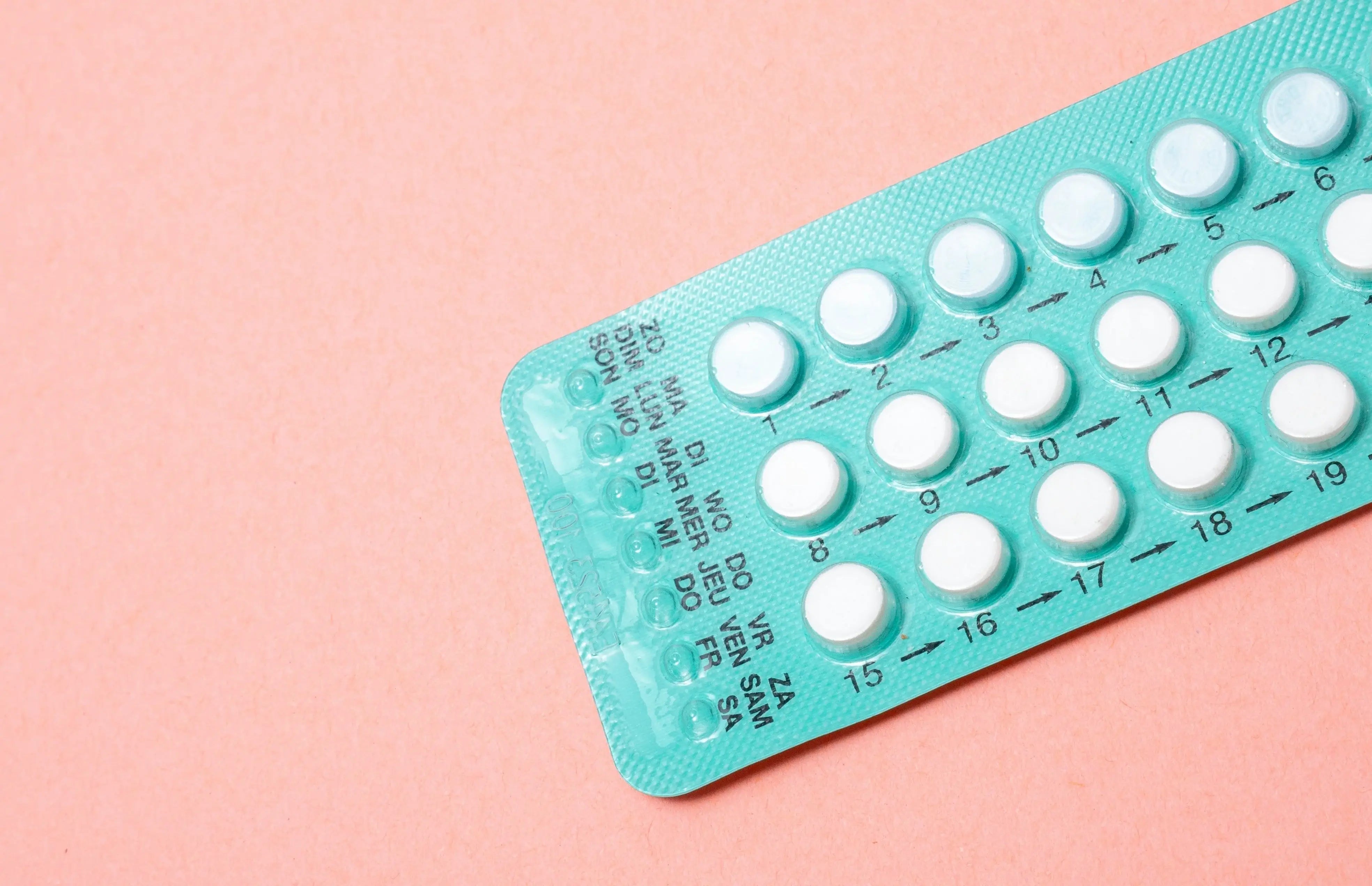
Oral contraceptives (the pill)
-
Hormonal IUDs (Mirena, Kyleena, Liletta, Skyla)
-
Injections (Depo-Provera)
-
Vaginal rings (NuvaRing)
-
Skin patches (Xulane)
-
Implants (Nexplanon)
Because these methods affect your hormone levels, they can influence your body's natural rhythms—including energy levels, mood, and sleep patterns.
Non-Hormonal Birth Control Methods
These don't affect your hormones:
-
Condoms
-
Copper IUD (Paragard)
-
Diaphragms and cervical caps
-
Spermicides and vaginal gels
-
Fertility awareness methods
Non-hormonal options are less likely to contribute to fatigue since they don't alter your body's hormonal balance.
How Birth Control Might Affect Your Energy
If hormonal birth control does contribute to fatigue, nutrient depletion is likely the primary mechanism.
The Nutrient Depletion Connection
Research has shown that oral contraceptives can deplete several key nutrients that directly impact energy production:
B Vitamins (B2, B6, B12, Folate)
-
Essential for converting food into energy
-
Support nervous system function
-
Help produce red blood cells
-
Deficiency symptoms: fatigue, weakness, brain fog, mood changes
Magnesium
-
Involved in over 300 enzymatic reactions, including energy production
-
Supports muscle and nerve function
-
Deficiency symptoms: fatigue, muscle cramps, sleep issues, anxiety
Zinc
-
Supports immune function and metabolism
-
Plays a role in hormone production
-
Deficiency symptoms: fatigue, weakened immunity, slow wound healing
Vitamin C
-
Supports adrenal function and stress response
-
Helps with iron absorption
-
Deficiency symptoms: fatigue, weakened immunity, slow healing
Vitamin E
-
Antioxidant that protects cells from damage
-
Supports immune function
-
Deficiency symptoms: fatigue, muscle weakness
Selenium
-
Supports thyroid function (which regulates metabolism)
-
Antioxidant properties
-
Deficiency symptoms: fatigue, brain fog, weakened immunity
When you're deficient in any of these nutrients, your body simply can't produce energy as efficiently. And if you're depleting multiple nutrients at once—which oral contraceptives can do—the cumulative effect on your energy levels can be significant.
The Hormone Factor
Beyond nutrient depletion, hormonal birth control fundamentally changes your body's hormone landscape. The synthetic hormones override your natural hormonal fluctuations, which can affect:
-
Sleep quality: Some women experience changes in sleep architecture on hormonal birth control
-
Mood: Hormonal shifts can affect neurotransmitter production
-
Stress response: Your adrenal function and cortisol regulation may be influenced
-
Thyroid function: There's some research suggesting hormonal contraceptives may affect thyroid hormone levels
Everyone's response is different. Some women feel great on hormonal birth control; others feel like a shadow of themselves. Neither experience is wrong—they're just different.
Other Potential Causes of Fatigue
Before assuming your birth control is the culprit, it's worth considering other common causes of fatigue:
Burnout symptoms that look like pill side effects →
Iron Deficiency
One of the most common causes of fatigue, especially in menstruating women. Interestingly, hormonal birth control often reduces menstrual bleeding, which can actually help prevent iron deficiency in some cases.
Symptoms of iron deficiency: fatigue, weakness, pale skin, shortness of breath, cold hands and feet, brittle nails.
Thyroid Dysfunction
Your thyroid regulates your metabolism. When it's underactive (hypothyroidism), fatigue is often the first symptom.
Symptoms of hypothyroidism: fatigue, weight gain, feeling cold, dry skin, constipation, depression.
Sleep Issues
Poor sleep quality—not just quantity—can leave you exhausted regardless of how many hours you're in bed. Stress, anxiety, screen time, irregular schedules, and sleep disorders all play a role.
Chronic Stress
When your stress response is constantly activated, your adrenals work overtime producing cortisol. Over time, this can lead to what some practitioners call "adrenal fatigue" or HPA axis dysfunction—characterized by persistent exhaustion that sleep doesn't fix.
Dehydration & Electrolyte Imbalances
Even mild dehydration can cause fatigue. Your body needs adequate fluids and electrolytes (sodium, potassium, magnesium) to function properly.
Blood Sugar Dysregulation
If your energy crashes after meals or you feel tired and irritable when you haven't eaten, blood sugar swings might be contributing to your fatigue.
Diet Quality
A diet lacking in nutrient-dense foods can leave you running on empty. Highly processed foods, excessive sugar, and inadequate protein all affect energy levels.
Alcohol Consumption
Even moderate alcohol intake can disrupt sleep quality and deplete essential nutrients, contributing to fatigue.
What to Do If You're Experiencing Fatigue on Birth Control
1. Track Your Symptoms
Before your doctor's appointment, keep notes on:
-
When did the fatigue start? Did it coincide with starting or changing birth control?
-
How severe is it? Is it affecting your daily life?
-
What other symptoms are you experiencing? (mood changes, sleep issues, digestive problems)
-
What does your energy look like throughout the day?
2. Talk to Your Doctor
Be honest and specific about your symptoms. Ask for:
-
Blood work to check for nutrient deficiencies (B12, iron, vitamin D, magnesium)
-
Thyroid panel to rule out thyroid dysfunction
-
Discussion of your contraceptive options if you suspect birth control is a factor
3. Consider Strategic Supplementation
If oral contraceptives are depleting key nutrients, replenishing them may help. Consider:
-
B-complex vitamin (look for methylated forms)
-
Magnesium (bisglycinate is well-absorbed and gentle on digestion)
-
Zinc (15-30 mg daily)
-
Vitamin C
Always talk to your healthcare provider before starting new supplements, especially if you're on medications.
4. Evaluate Your Lifestyle
Sometimes the solution isn't changing your birth control—it's addressing other factors:
-
Are you getting 7-9 hours of quality sleep?
-
Are you managing stress effectively?
-
Is your diet nutrient-dense or mostly processed foods?
-
Are you staying hydrated?
-
Are you getting regular physical activity?
5. Explore Different Contraceptive Options
If you've ruled out other causes and still suspect your birth control is the issue, talk to your OB/GYN about:
-
Low-hormone options: Lower-dose pills or hormonal IUDs deliver less systemic hormone exposure
-
Progestin-only methods: Some women tolerate these better than combination (estrogen + progestin) options
-
Non-hormonal methods: Copper IUD, barrier methods, or fertility awareness
There's no one-size-fits-all birth control. Finding what works for your body sometimes takes trial and error.
The Bottom Line
Can birth control cause fatigue? Possibly—but it's complicated.
While there's no definitive research proving hormonal birth control directly causes fatigue, the nutrient depletions associated with oral contraceptives can absolutely affect your energy levels. And for some women, the hormonal changes simply don't agree with their bodies.
If you're feeling exhausted, don't just accept it as normal. Fatigue is your body's way of telling you something needs attention—whether that's nutritional gaps, thyroid function, sleep quality, stress, or yes, potentially your birth control method.
The good news? Once you identify the root cause, there are real solutions. You deserve to feel energized and like yourself—and you don't have to sacrifice that for effective contraception.
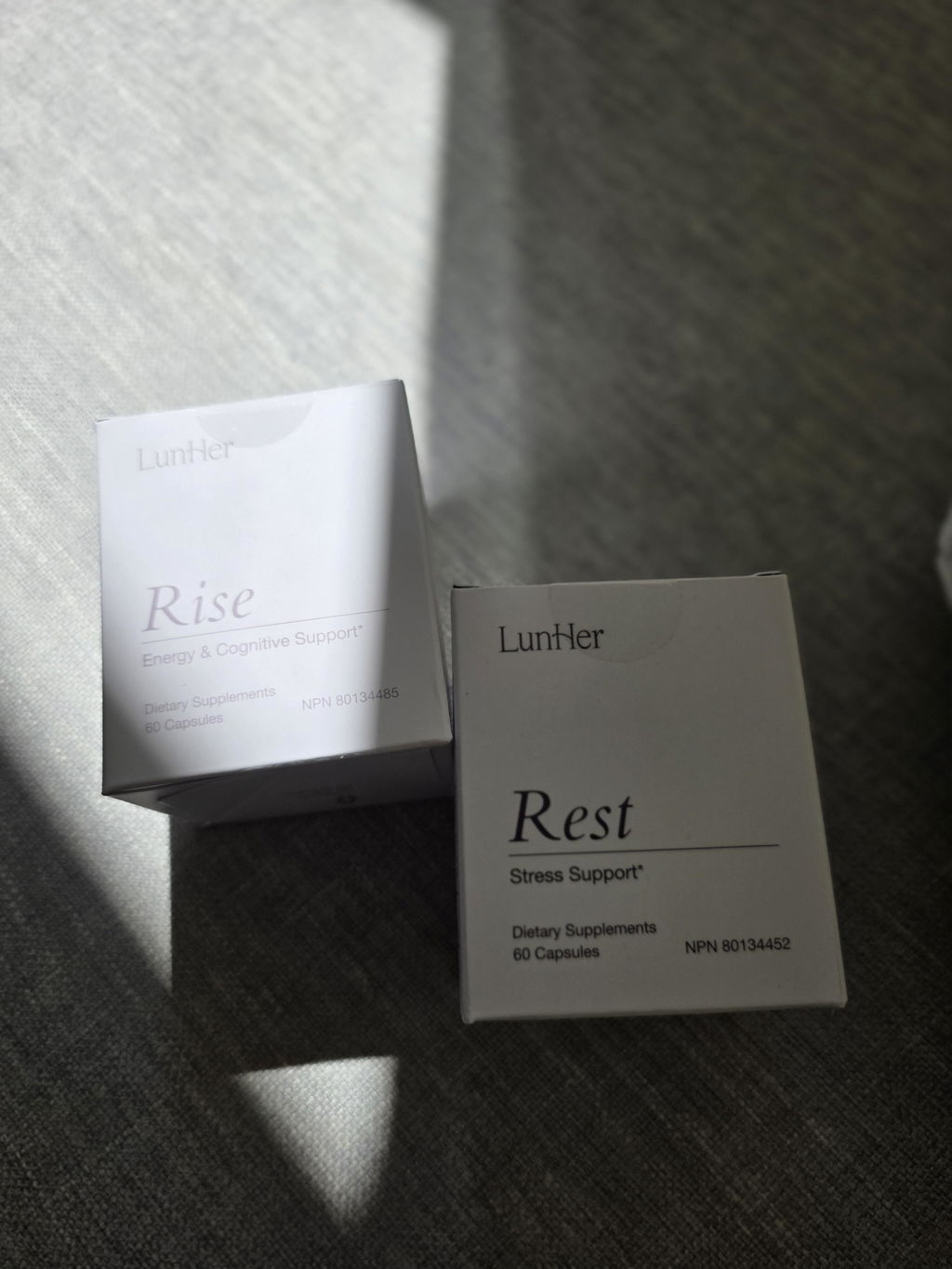
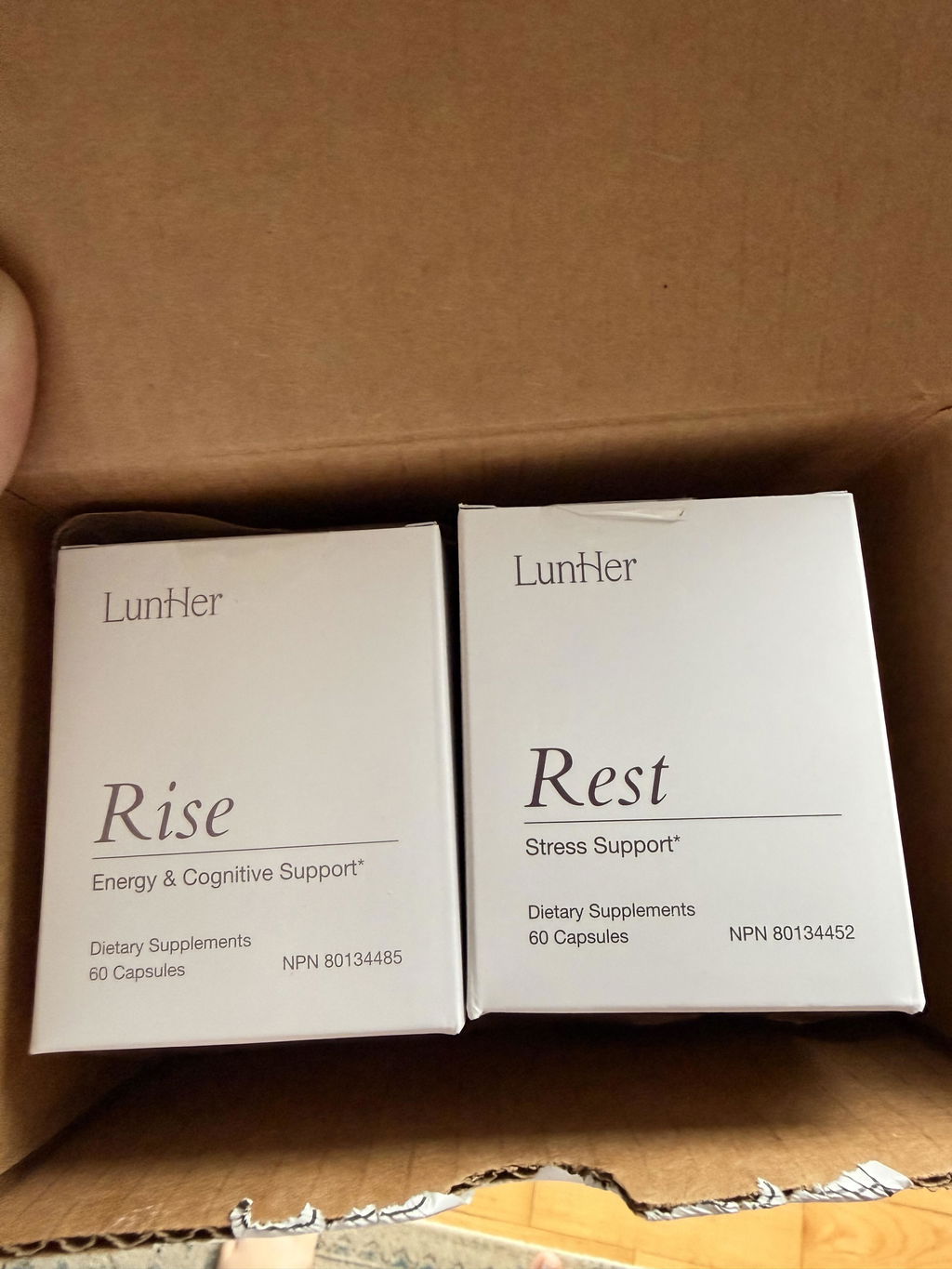
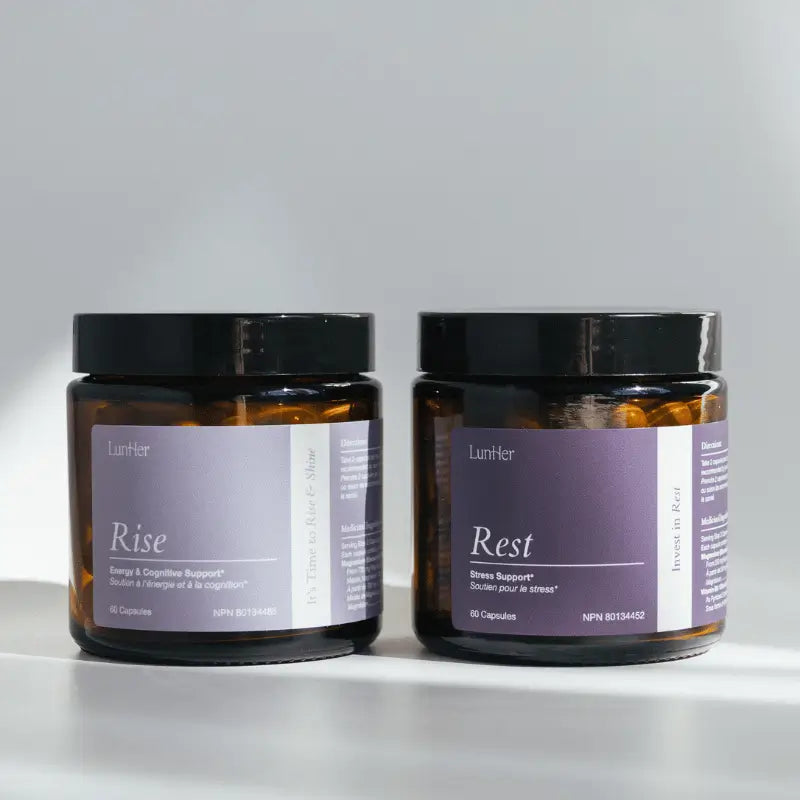
Rise: methylated B6 and B12 to support what oral contraceptives can deplete →
The information in this article is for general educational purposes only and is not intended to replace consultation with a qualified healthcare professional. Always consult a doctor or naturopath before starting any supplement, particularly if taking medications or managing a health condition. LunHer products are not intended to diagnose, treat, cure, or prevent any disease.