
Article: Cycle Syncing: What's Real, What's Hype, and How to Start

Cycle Syncing: What's Real, What's Hype, and How to Start
Somewhere between your cycle app and your feed, you have probably met the promise: sync your workouts, meals, and calendar to your cycle phases and unlock effortless energy. Nike built app features around it, creators built careers on it, and somewhere under the pastel infographics sits a fair question: how much of this is real?
Here is the honest version. Your cycle genuinely changes things worth planning around, sleep, temperature, and energy among them, and the trend's stronger claims run well ahead of the research. This guide covers what each phase actually does, what the evidence supports and does not, and how to start in a way that serves you rather than a template.
What is cycle syncing?
Cycle syncing means adjusting your habits, training, food, schedule, rest, to the four phases of your menstrual cycle, on the premise that hormone shifts change what your body responds best to across the month. The premise is partly sound: estrogen and progesterone measurably influence temperature, sleep, and how many women feel week to week.
Where the trend overreaches is precision and proof. The strongest test of its athletic claims, a systematic review and meta-analysis of menstrual cycle phase and exercise performance, found effects that were trivial to small and so inconsistent between studies that the authors concluded general phase-based training guidelines are not warranted (PMID: 32661839). So the honest frame is this: sync as self-knowledge and comfort, genuinely useful, rather than sync as performance science, which the data does not yet support.
What actually changes across the four phases?
The menstrual phase, roughly days one to five, starts the cycle with hormones at their low: cramps, fatigue, and iron loss through bleeding are the practical realities, and gentler expectations are legitimate physiology rather than indulgence. The follicular phase that follows is, for many women, the steadiest stretch of the month, rising estrogen, resilient sleep, and the natural home for the demanding projects and harder training if you like having a plan.
Ovulation is a brief mid-cycle transition, hormones peaking and core temperature stepping up. Then the luteal phase runs roughly two weeks: progesterone holds body temperature elevated, and the research on sleep across the cycle finds the late luteal, premenstrual, days measurably worse for many women, lighter and more disturbed (PMID: 17383933), with energy and mood sliding as hormones withdraw before bleeding. If one phase deserves your planning attention, it is this one, and the practical version is modest: earlier and cooler nights, steadier meals, training held at maintenance, and the calendar's heavy lifts scheduled elsewhere when life allows.
What does the evidence actually support?
Three things, comfortably. Tracking works: knowing your own pattern converts monthly ambushes into appointments, and it is diagnostic gold if anything ever needs a doctor's eyes. The luteal adjustments work, because they respond to documented physiology, elevated temperature and lighter sleep, rather than to trend logic. And nutrient support for the premenstrual window has genuine trial evidence: a BMJ systematic review found vitamin B6 likely benefits premenstrual symptoms including mood at doses up to 100 mg daily (PMID: 10334745), and a randomized trial found oral magnesium relieved premenstrual mood changes (PMID: 2067759).
What the evidence does not support: rigid phase-based training templates, per the meta-analysis above, seed-cycling and similar food-timing rituals, which lack trials entirely, and any version of the trend that turns your month into a compliance project. Your cycle is information, not a boss. The wider map of which hormone systems actually move energy, and which are testable, lives in our guide to how hormones shape your energy.
How do you actually start?
Track first, change second. Log energy, sleep, mood, and symptoms alongside cycle dates for two to three months, in an app or a two-line nightly note, and only then adjust, because your pattern is the one that matters and it may not match the infographic. Most women find one or two effects genuinely worth planning around, usually clustered in the premenstrual week.
Then make the smallest useful adjustments: shift the hardest commitments off your personal low-energy days where life allows, cool the bedroom and pull bedtime earlier through the late luteal stretch, keep meals steady rather than special, and let training intensity follow how sessions actually feel rather than a phase chart, which is what the performance research supports anyway. Two boundaries worth knowing: hormonal contraception suppresses the fluctuations the templates assume, so classic syncing mostly does not apply, and severe on-schedule symptoms, pain that derails life or a mood that collapses monthly, are medical conversations, not syncing projects. Our guides to PCOS and supporting your hormones with food cover the adjacent territory.
Where do supplements fit, honestly?
As steady support rather than phase choreography. The premenstrual evidence above, B6 and magnesium, comes from daily use across the month, not from starting a capsule on day 21, which is why a consistent routine serves the luteal window better than a rescue protocol. Magnesium's sleep evidence runs the same way: nightly bisglycinate over weeks, with benefit concentrating in women whose intake runs low (PMID: 40918053).
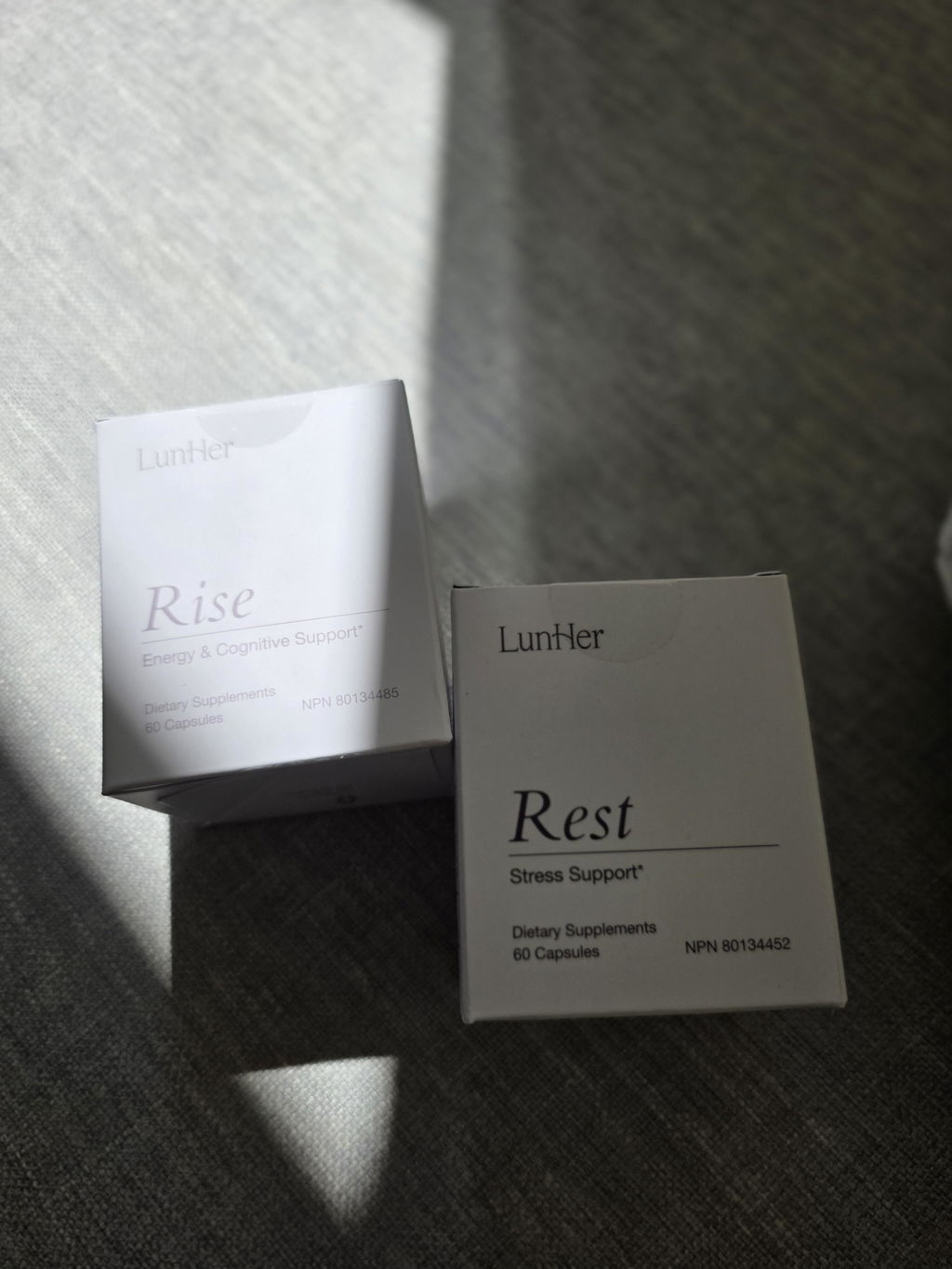
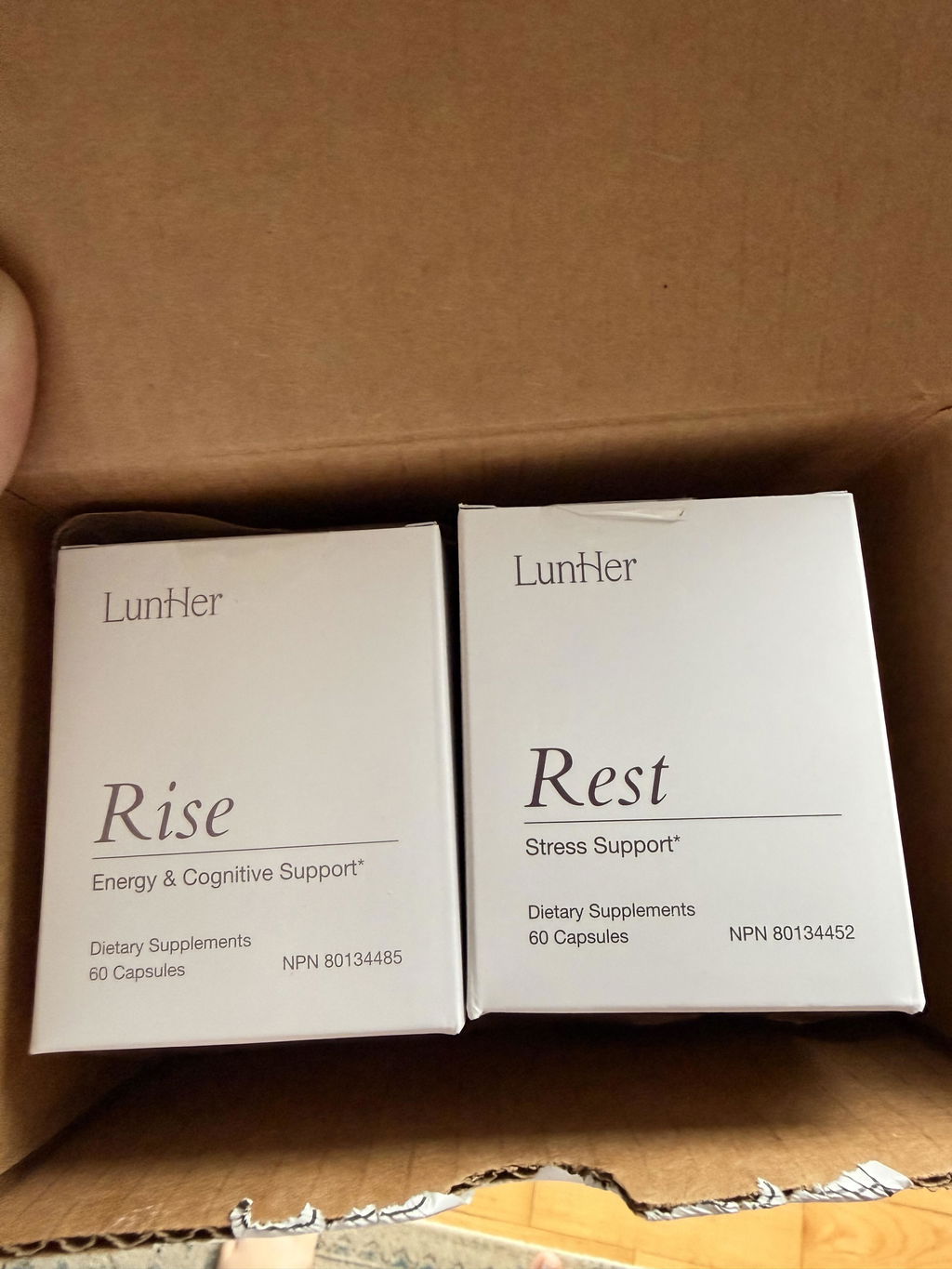
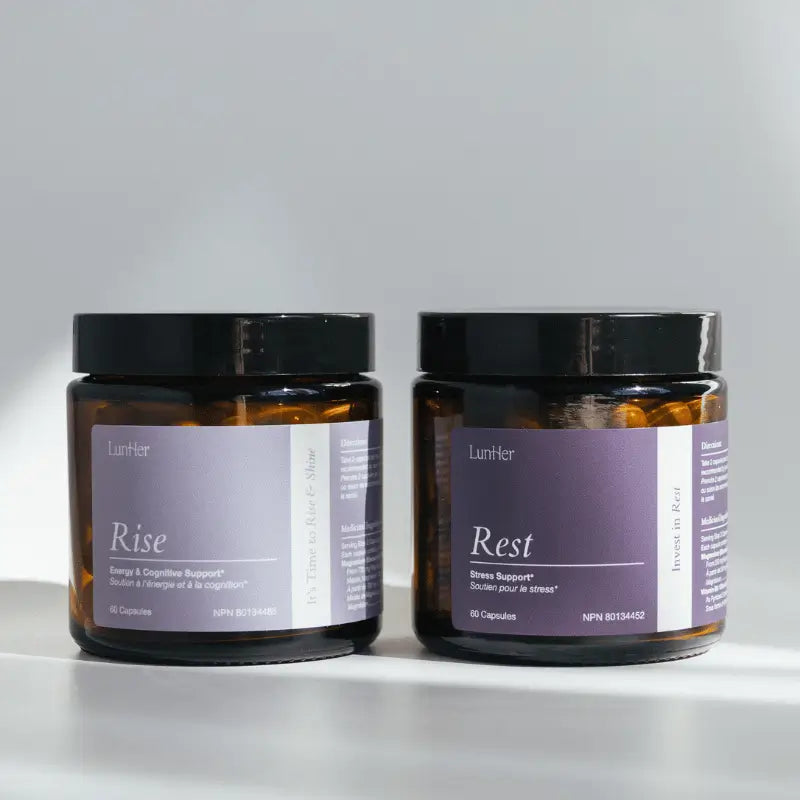
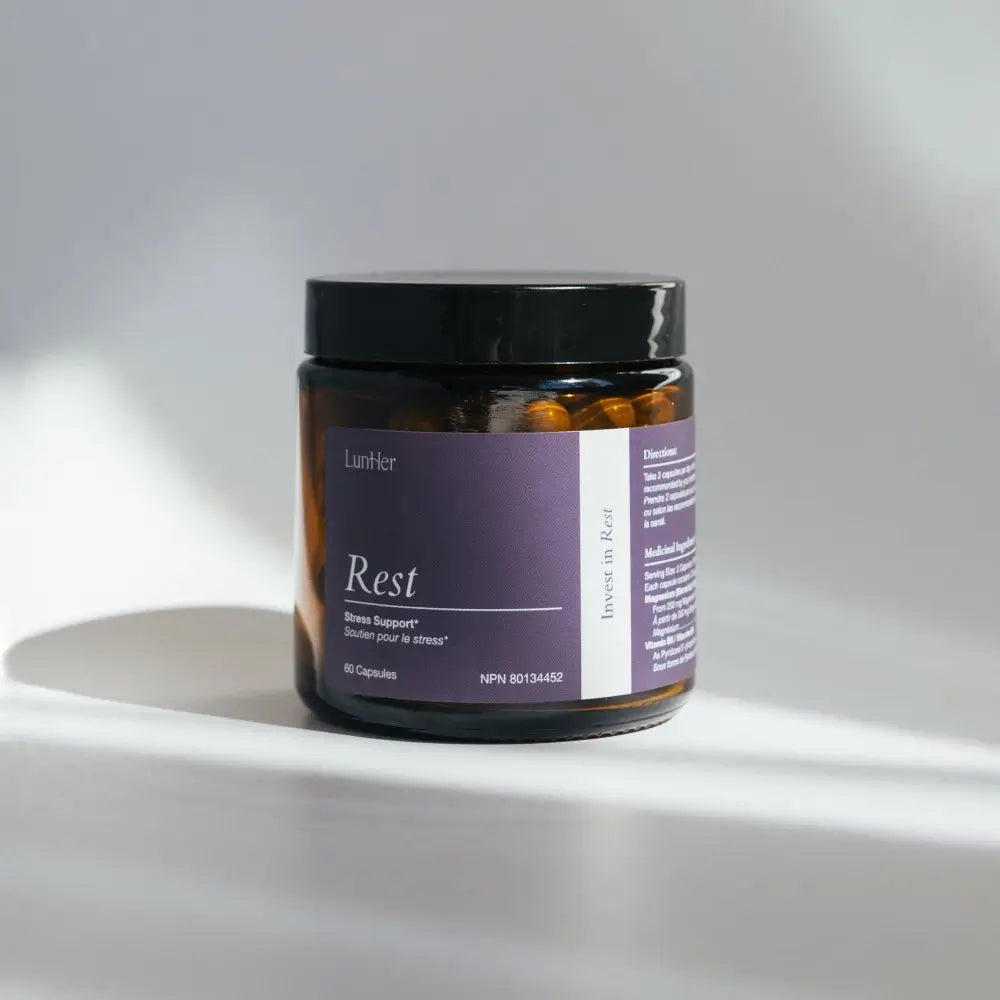
That is the design logic of Rest, magnesium bisglycinate with active B6, L-theanine, and calming botanicals taken nightly, so the support is already on board when your expensive week arrives, and it is why we do not sell phase-specific formulas: the evidence behind the ingredients is daily-use evidence. Deeper dives live in our guides to magnesium for women and vitamin B6. What no supplement does is delete the cycle's wave, and a brand telling you otherwise is selling the trend, not the physiology.
What's the LunHer take?
Cycle syncing at its best is a permission structure: permission to rest during your period, to spend your good weeks generously, and to stop grading every day against your best day. That much aligns with everything we believe about working with your body's rhythms instead of against them, and it costs nothing but attention.
Where we part ways with the trend is the fine print: the rigid templates, the performance promises the meta-analysis does not support, and the quiet implication that a well-synced woman should never feel tired. Track your month, plan around your real pattern, support the foundations daily, and let the rest of the trend scroll past. Listening to your body was never supposed to become another thing to optimize.
FAQ: cycle syncing
The four questions women actually ask about the trend, answered with the meta-analysis included, because the honest version is more useful than the pastel one.
Key takeaways
- The premise is partly sound: hormones measurably shift temperature, sleep, and energy across the month, most sharply in the premenstrual days.
- The performance claims are not: the largest meta-analysis found trivial-to-small, inconsistent effects and does not support phase-based training rules.
- Track two to three months before changing anything; your pattern beats every template.
- The luteal week earns real adjustments: cooler and earlier nights, steadier meals, maintenance training.
- B6 and magnesium carry genuine premenstrual trial evidence, as daily habits rather than phase-timed rescues. Severe monthly symptoms are medical, not a syncing project.
The information in this article is for general educational purposes only and is not intended to replace consultation with a qualified healthcare professional. Always consult a doctor or naturopath before starting any supplement, particularly if taking medications or managing a health condition. LunHer products are not intended to diagnose, treat, cure, or prevent any disease.