




Magnesium for Women: Types, Benefits & Deficiency Guide
Are you exhausted no matter how much you sleep? Do you experience painful period cramps, restless nights, or that "wired but tired" feeling that won't quit? Your body might be screaming for magnesium—and you're not alone.
Here's a sobering reality: the World Health Organization reports that up to 75% of Americans don't meet the recommended daily intake for magnesium, with women being particularly vulnerable. This widespread deficiency isn't just about feeling tired—it's silently affecting your hormones, sleep quality, stress response, and even your ability to think clearly.
But here's where it gets interesting: not all magnesium is created equal. There are actually seven different types of magnesium supplements, and each one targets different health concerns. Taking the wrong form could mean you're missing out on the specific benefits your body desperately needs.
In this comprehensive, science-backed guide, you'll discover exactly which type of magnesium your body is asking for, how to identify the warning signs of deficiency, and why this "master mineral" is absolutely essential for women's health. Let's dive in.
Key Takeaways
- 75% of women don't get enough magnesium, leading to fatigue, hormone imbalances, and sleep issues
- Magnesium regulates over 300 biochemical processes including energy production, hormone balance, and nervous system function
- There are 7 main types of magnesium—each targets different symptoms (sleep, energy, brain function, or digestion)
- Women need magnesium especially for PMS relief, bone health, pregnancy support, and stress management
- The best approach often involves multiple forms of magnesium for comprehensive support
What Is Magnesium and Why Is It the "Master Mineral" for Women?
Magnesium is the fourth most abundant mineral in your body, and it's involved in over 300 enzymatic reactions that keep you alive and thriving. Think of it as your body's ultimate multitasker—working behind the scenes to regulate everything from your heartbeat to your hormone production.
For women specifically, magnesium plays critical roles in supporting nervous system function, muscle relaxation, energy production, mood regulation, and stress response.
Here's what makes magnesium so powerful for women's health:
Energy Production: Magnesium is essential for creating ATP (adenosine triphosphate)—your cells' main energy currency. Without adequate magnesium, your mitochondria can't efficiently convert food into the energy you need to power through your day. (PMID: 26404370)
Hormone Balance: Magnesium helps regulate the hypothalamic-pituitary-adrenal (HPA) axis, which controls your stress hormones and influences your menstrual cycle. It also supports the production and metabolism of estrogen and progesterone. (PMID: 28471731)
Nervous System Regulation: This mineral acts as a natural "off switch" for your nervous system, helping you transition from "fight or flight" mode to "rest and digest" mode. It modulates neurotransmitters like GABA that promote calmness and relaxation. (PMID: 27933574)
Bone Health: While everyone talks about calcium for bones, magnesium is equally crucial. It helps convert vitamin D into its active form and regulates calcium absorption—supporting bone density throughout your life and especially during menopause. (PMID: 23115811)
Sleep Quality: Magnesium helps regulate melatonin production and supports deeper, more restorative sleep by calming the nervous system and relaxing muscles. (PMID: 23853635)
The bottom line? Magnesium isn't just another supplement—it's a foundational nutrient that influences nearly every aspect of your physical and mental well-being.
Are You Magnesium Deficient? Common Signs and Symptoms
Magnesium deficiency is often called the "invisible deficiency" because standard blood tests only measure the 1% of magnesium in your bloodstream—not the 99% stored in your bones, muscles, and soft tissues. You could have "normal" blood levels while being severely depleted at the cellular level.
Here are the telltale signs your body needs more magnesium:
Physical Symptoms:
- Muscle cramps and spasms (especially in legs and feet, often at night)
- Persistent fatigue and low energy despite adequate sleep
- Tension headaches or migraines
- Irregular heartbeat or palpitations
- Restless leg syndrome
- Muscle weakness or tremors
- Constipation or irregular digestion
Hormonal and Reproductive Symptoms:
- Severe PMS symptoms including cramps, mood swings, and bloating
- Painful periods (dysmenorrhea)
- Irregular menstrual cycles
- Worsened perimenopause or menopause symptoms
- Difficulty conceiving or maintaining pregnancy
Mental and Emotional Symptoms:
- Anxiety, irritability, or feeling "on edge"
- Difficulty falling or staying asleep
- Brain fog and trouble concentrating
- Depression or low mood
- Heightened stress response
- Racing thoughts, especially at night
Why Are Women More Prone to Magnesium Deficiency?
Several factors put women at higher risk:
- Menstrual Cycles: You lose magnesium through menstrual blood each month, and magnesium levels naturally fluctuate throughout your cycle. (PMID: 21199787)
- Birth Control and Hormones: Hormonal contraceptives can deplete magnesium stores over time. (PMID: 23852908)
- Pregnancy and Breastfeeding: Growing a baby requires massive amounts of magnesium, and breastfeeding continues to drain your stores. (PMID: 25732036)
- Stress: Women often carry a heavier mental load (the "invisible labor" of managing households and families), and chronic stress depletes magnesium rapidly while simultaneously increasing your body's magnesium requirements. (PMID: 22364157)
- Dietary Factors: Modern agricultural practices have stripped minerals from soil, meaning even "healthy" foods contain less magnesium than they did 50 years ago. Plus, processed foods that dominate many diets contain virtually no magnesium.
- Medications: Common medications like acid reducers (PPIs), diuretics, and antibiotics can interfere with magnesium absorption. (PMID: 29093039)
If you're nodding along to three or more of these symptoms, it's time to consider whether magnesium deficiency is sabotaging your health.
The 7 Types of Magnesium: Which One Do YOU Need?
Here's where magnesium supplementation gets fascinating—and where most women get it wrong. The type of magnesium matters just as much as the dosage, because each form is absorbed differently and targets specific health concerns.
The difference between magnesium types lies in what compound or amino acid the magnesium is bound to, which impacts absorption rates and how the body primarily uses each form.
Let's break down each type so you can identify which one(s) your body is asking for:
1. Magnesium L-Threonate: The Brain Booster
Best For: Cognitive function, memory, focus, brain fog, age-related cognitive decline
Magnesium L-Threonate is proven to effectively cross the blood-brain barrier, helping to improve cognitive performance, mental clarity and focus. This is the ONLY form of magnesium that has been shown to significantly increase magnesium levels in the brain.
The Science: A groundbreaking study published in Neuron found that magnesium L-threonate improved both short-term and long-term memory in aged rats, and enhanced learning abilities. (PMID: 20152124) Human studies have shown improvements in executive function and working memory in adults with cognitive concerns. (PMID: 26895632)
Ideal Dosage: 1,500-2,000 mg daily (providing approximately 144-192 mg elemental magnesium)
When to Take: Morning or midday for cognitive support throughout the day
2. Magnesium Glycinate (or Bisglycinate): The Calming Choice
Best For: Sleep, anxiety, muscle relaxation, restlessness, sensitive stomachs
This form is chelated (bound) to the amino acid glycine, which itself has calming properties. The result? Double the relaxation benefits with exceptional absorption and virtually no digestive side effects.
The Science: Magnesium Bisglycinate is incredibly gentle and supports relaxation, digestion, and muscle recovery. Research shows glycine acts as an inhibitory neurotransmitter that calms the central nervous system and improves sleep quality. (PMID: 19499625) If you are choosing between the two forms most often recommended at night, here is how magnesium threonate and glycinate compare for sleep.
Ideal Dosage: 200-400 mg before bed
When to Take: Evening or 30-60 minutes before bed for optimal sleep support
3. Magnesium Malate: The Energy Producer
Best For: Chronic fatigue, fibromyalgia, muscle pain, energy production, exercise recovery
Magnesium malate combines magnesium with malic acid, a compound that plays a crucial role in the Krebs cycle—your body's primary energy-producing process.
The Science: Magnesium Malate supports natural energy production (Krebs cycle) by helping metabolize carbs, proteins and fats into usable energy and real fuel. Studies on fibromyalgia patients found that magnesium malate supplementation significantly reduced pain and tenderness. (PMID: 7595186)
Ideal Dosage: 300-600 mg daily
When to Take: Morning or before exercise for sustained energy
4. Magnesium Taurate: The Heart and Stress Supporter
Best For: Cardiovascular health, high blood pressure, stress response, insulin sensitivity
Taurate combines magnesium with the amino acid taurine, which supports heart function and helps regulate blood sugar levels.
The Science: Magnesium Taurate has been studied for its ability to improve learning and memory by directly enhancing hippocampal synaptic plasticity while also helping calm the nervous system and regulate stress response. Research demonstrates that both magnesium and taurine independently support healthy blood pressure, and together they may offer synergistic cardiovascular benefits. (PMID: 24139339)
Ideal Dosage: 250-500 mg daily
When to Take: Can be taken morning or evening
5. Magnesium Citrate: The Digestive Aid
Best For: Constipation, occasional digestive discomfort, general magnesium supplementation
Citrate is one of the most bioavailable forms of magnesium, but it has a gentle laxative effect because it draws water into the intestines.
The Science: Studies confirm magnesium citrate is well-absorbed and effective for raising magnesium levels. (PMID: 11794633) It's often recommended for constipation relief at higher doses.
Ideal Dosage: 200-400 mg daily (start low to assess tolerance)
When to Take: With meals; evening if using for constipation relief
Note: If you experience loose stools, this form may be too stimulating for your digestive system.
6. Magnesium Oxide: The Budget Option (But Not the Best)
Best For: Occasional constipation relief (not for daily magnesium supplementation)
While magnesium oxide is cheap and widely available, it has the lowest bioavailability of all forms—meaning most of it isn't absorbed and goes straight through your digestive system.
The Science: Research shows magnesium oxide has only 4-10% absorption rate compared to 30-40%+ for better forms. (PMID: 14596323)
Our Recommendation: Skip this one for daily supplementation and choose more bioavailable forms.
7. Magnesium Chloride: The Topical Option
Best For: Transdermal (skin) application, muscle soreness, localized pain
While less commonly taken orally due to its bitter taste, magnesium chloride is excellent for topical use in oils and bath salts.
The Science: Studies suggest transdermal magnesium can effectively raise magnesium levels, though more research is needed. (PMID: 28302687) Many users report significant relief from muscle cramps and soreness.
Application: Spray oils or add flakes to bath water
The Multi-Magnesium Advantage: Why One Type Isn't Enough
Here's what most supplement companies won't tell you: your body needs different types of magnesium for different functions. Taking just one form means you're only addressing part of the picture.
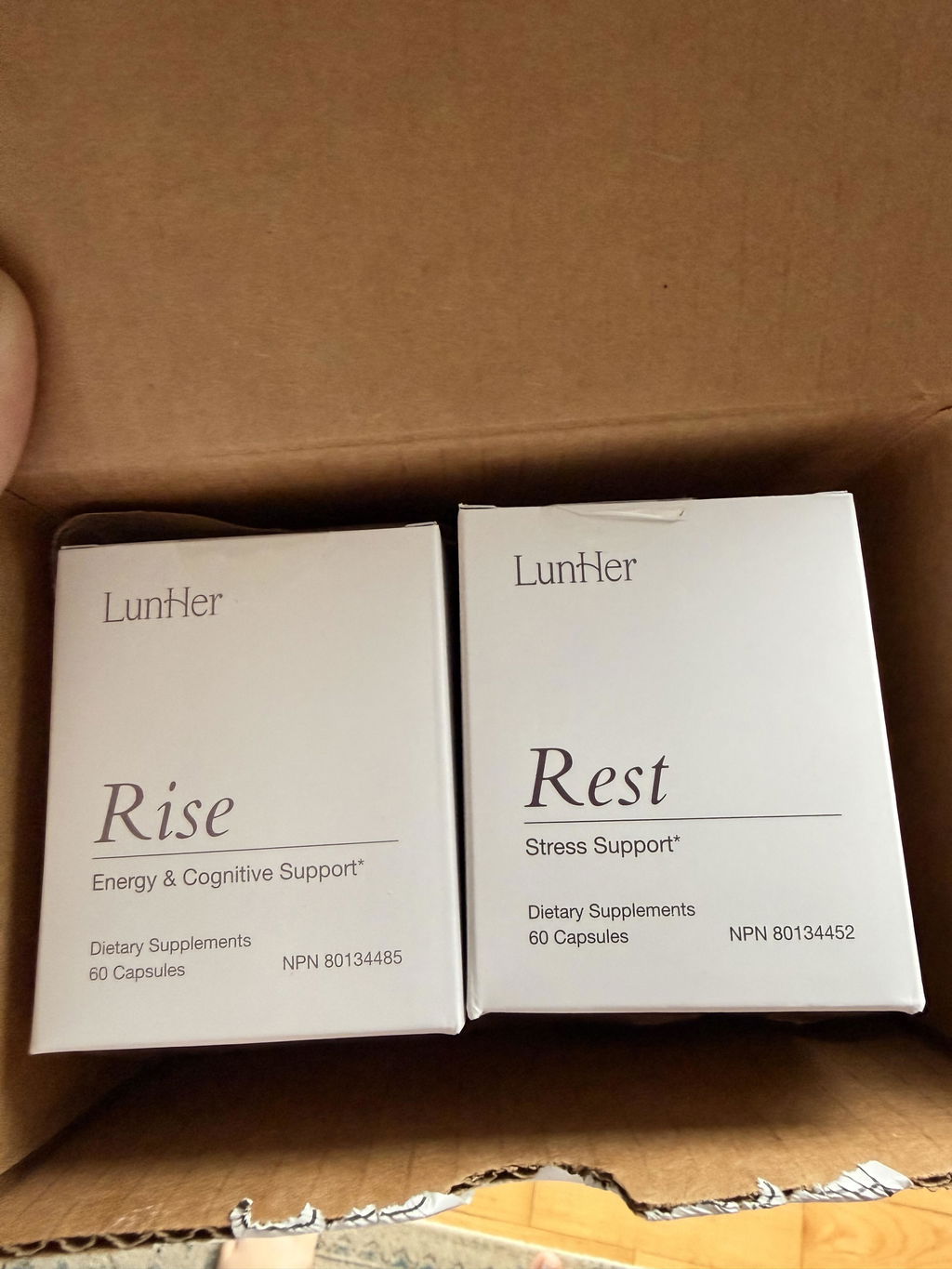
LunHer's Daily Ritual Bundle uses four forms of magnesium across Rise and Rest →
Think about it this way: if you need brain support, energy production, AND better sleep, taking only magnesium glycinate will help with sleep but won't cross the blood-brain barrier or optimally support your cellular energy production.
This is exactly why our LunHer Daily Ritual Bundle was formulated with FOUR targeted forms of magnesium:
In Rise (AM Formula):
- Magnesium L-Threonate for cognitive function, focus, and mental clarity throughout your day
- Magnesium Malate to fuel your mitochondria and support sustained, caffeine-free energy
- Magnesium Taurate to regulate your stress response and support cardiovascular health
In Rest (PM Formula):
- Magnesium Bisglycinate for deep muscle relaxation, anxiety relief, and restorative sleep
Together, these forms support both your morning momentum and your nighttime wind-down—a full-spectrum approach to feeling like yourself again.
Unlike single-magnesium supplements that force you to choose which benefit matters most, this strategic combination ensures your body gets the right type of magnesium at the right time of day. Discover the LunHer Bundle →
Magnesium Benefits for Women: Beyond the Basics
Now that you understand the different types, let's explore the profound ways magnesium specifically supports women's health throughout different life stages:
For PMS and Period Pain
Magnesium plays a significant role in regulating insulin, and studies show magnesium supplements can improve blood sugar control in women with diabetes and insulin resistance issues common in PCOS. It also helps:
- Reduce menstrual cramps by relaxing uterine muscles (PMID: 21199787)
- Ease PMS mood symptoms by supporting neurotransmitter balance (PMID: 22364157)
- Decrease bloating through its natural diuretic effects
- Minimize breast tenderness by regulating hormonal fluctuations
Studies show that women who supplement with magnesium experience significantly fewer PMS symptoms compared to placebo groups. (PMID: 21199787)
For Pregnancy and Postpartum Recovery
Magnesium requirements increase during pregnancy, and deficiency has been linked to complications including:
- Pre-eclampsia and gestational hypertension
- Premature labor
- Leg cramps during pregnancy
- Postpartum anxiety and depression
Supplementing with magnesium during pregnancy has been shown to reduce the risk of preterm birth and support healthy fetal development. (PMID: 25732036) Postpartum, magnesium helps restore depleted nutrient stores and supports recovery from the physical demands of childbirth and breastfeeding.
For Perimenopause and Menopause
As estrogen levels decline during perimenopause, your body's ability to retain magnesium decreases—creating a vicious cycle of deficiency and worsening symptoms.
Magnesium supplementation during this transition can help:
- Reduce hot flashes and night sweats (PMID: 21199787)
- Support bone density and prevent osteoporosis (PMID: 23115811)
- Improve sleep quality during hormonal fluctuations
- Stabilize mood and reduce anxiety
- Maintain healthy metabolism as hormonal changes affect weight
For Stress and Anxiety Management
Women are twice as likely as men to experience anxiety disorders, and chronic stress is epidemic in modern life. Magnesium acts as nature's "chill pill" by:
- Regulating the HPA axis (your stress response system) (PMID: 28471731)
- Modulating cortisol levels to prevent burnout
- Supporting GABA receptors that promote calmness (PMID: 27933574)
- Protecting against stress-induced magnesium depletion
Research found that magnesium supplementation significantly reduced subjective measures of stress and anxiety in adults with low magnesium intake. (PMID: 28654669)
For Sleep Quality
If you struggle to fall asleep or wake up frequently during the night, magnesium deficiency could be the culprit. Magnesium:
- Activates the parasympathetic nervous system (your "rest and digest" mode)
- Regulates melatonin production and circadian rhythm
- Relaxes muscles to prevent nighttime cramps and restlessness
- Quiets racing thoughts by supporting GABA function
A study on elderly insomnia patients found that magnesium supplementation improved sleep efficiency, sleep time, and morning alertness while decreasing early morning waking. (PMID: 23853635)
How Much Magnesium Do Women Need?
The Recommended Dietary Allowance (RDA) for magnesium varies by age and life stage:
- Women 19-30: 310 mg/day
- Women 31+: 320 mg/day
- Pregnant women: 350-360 mg/day
- Breastfeeding women: 310-320 mg/day
However, here's the reality: Most experts believe these recommendations are too low for optimal health, especially given modern stressors and soil depletion. Many integrative health practitioners recommend 400-600 mg daily for women, particularly those with:
- High stress levels
- Intense exercise routines
- Hormonal imbalances
- Sleep issues
- Chronic health conditions
The daily servings of Rise and Rest are safe and within the upper-limits of magnesium intake, with magnesium being particularly critical for women experiencing stress, hormonal changes, or suboptimal health.
The tolerable upper limit from supplements is 350 mg per day (not counting dietary sources), though magnesium from food is generally well-tolerated at higher amounts. The most common side effect of too much magnesium is loose stools—your body's natural "off switch."
What to Look for in a Quality Magnesium Supplement
Not all magnesium supplements are created equal. Here's what matters:
1. Form Matters Most
Choose highly bioavailable forms like glycinate, malate, threonate, or taurate. Avoid oxide unless you specifically need help with constipation.
2. Check Elemental Magnesium Content
The mg listed on the label often refers to the total compound (magnesium + its binding agent), not just the elemental magnesium. Look for products that clearly state elemental magnesium content.
3. Third-Party Testing
Ensure the product is tested for purity, potency, and contaminants by independent labs. Look for certifications like: • GMP (Good Manufacturing Practices) • Third-party tested • NSF or USP verified
4. No Unnecessary Fillers
LunHer supplements contain only clean and high-quality ingredients, free of GMOs, artificial flavors/colors, additives, and common allergens.
5. Consider Combination Formulas
As we've discussed, different magnesium forms target different health concerns. The most comprehensive approach includes multiple forms taken at strategic times.
Can You Get Enough Magnesium from Food?
While it's always ideal to get nutrients from food first, the reality is that getting optimal magnesium from diet alone is increasingly difficult. Here's why:
- Modern agricultural practices have depleted soil of minerals
- Food processing strips magnesium from grains
- Many people avoid magnesium-rich foods (leafy greens, nuts, seeds)
- Chronic stress increases magnesium requirements beyond what food can provide
Top Magnesium-Rich Foods:
- Dark leafy greens (spinach, Swiss chard): 150-160 mg per cooked cup
- Pumpkin seeds: 150 mg per ounce
- Almonds: 80 mg per ounce
- Black beans: 60 mg per half cup
- Avocado: 58 mg per medium fruit
- Dark chocolate (70-85% cacao): 64 mg per ounce
- Salmon: 53 mg per 3-ounce serving
The bottom line: Eat magnesium-rich foods daily AND supplement strategically for optimal levels.
Potential Side Effects and Safety Considerations
Magnesium is generally very safe, but here's what you should know:
Common Side Effects (usually from poor-quality forms or too-high doses):
- Digestive upset or loose stools
- Nausea (especially if taken on an empty stomach)
- Bloating or cramping
Who Should Exercise Caution:
- People with kidney disease (consult your doctor before supplementing)
- Those taking certain medications (antibiotics, diuretics, bisphosphonates)
- Anyone with heart rhythm disorders
Drug Interactions: Magnesium can interact with certain medications. Space magnesium supplements at least 2 hours away from:
- Antibiotics (tetracyclines, fluoroquinolones)
- Bisphosphonates (osteoporosis medications)
- Thyroid medications
Always consult your healthcare provider before starting any new supplement regimen, especially if you're pregnant, nursing, or managing a chronic health condition.
Ready to Transform Your Health with Magnesium?
Magnesium deficiency is one of the most common—and most overlooked—nutritional deficiencies affecting women today. From energy and sleep to hormones and stress management, this master mineral influences virtually every aspect of your wellbeing.
But here's the crucial takeaway: not all magnesium is created equal. The form you choose determines which benefits you'll experience. For comprehensive support that addresses your brain, energy, stress response, AND sleep, you need multiple targeted forms taken at the right time of day.
This is exactly what the LunHer Daily Ritual Bundle delivers:
✓ Four highly bioavailable magnesium forms targeting different health concerns
✓ AM/PM formulation that works with your body's natural circadian rhythm
✓ Plus B-vitamins, CoQ10, Vitamin D3, and adaptogens for complete nervous system and hormonal support
✓ Third-party tested, GMP certified, and free of fillers for quality you can trust
✓ Backed by a 60-day satisfaction guarantee because we know it works
Ready to stop guessing and start feeling like yourself again?
Shop the LunHer Bundle and get $10 off when you buy Rise + Rest together →
P.S. Still not sure if magnesium deficiency is holding you back? Over 10,000 women have already transformed their energy, sleep, and hormonal health with LunHer. Join them with our risk-free 60-day money-back guarantee. You have nothing to lose except your fatigue, anxiety, and restless nights. Start your journey today →
Frequently Asked Questions About Magnesium for Women
Q: Can I take magnesium every day? Yes! Magnesium is a mineral your body needs daily, and supplementation is safe for long-term use when taken at appropriate doses. In fact, consistency is key for experiencing the full benefits.
Q: What's the best time to take magnesium? It depends on the form and your goals. Magnesium glycinate is best taken in the evening for sleep support, while magnesium malate and L-threonate are ideal in the morning for energy and cognitive function. Taking a strategic AM/PM approach with different forms (like in the LunHer bundle) provides around-the-clock support.
Q: How long does it take to see results from magnesium supplementation? Some benefits (like better sleep and muscle relaxation) can be noticed within days to weeks. However, fully restoring cellular magnesium stores and experiencing deeper benefits for hormones and energy typically takes 4-12 weeks of consistent supplementation.
Q: Will magnesium help with my anxiety? Yes, research strongly supports magnesium's role in reducing anxiety. It works by regulating stress hormones, supporting GABA receptors, and calming the nervous system. Magnesium glycinate and taurate are particularly effective for anxiety relief. (PMID: 28654669)
Q: Can magnesium help me lose weight? While magnesium isn't a weight-loss supplement per se, it does support metabolic function, insulin sensitivity, and stress management—all of which influence body composition. By reducing cortisol levels and improving sleep quality, magnesium creates conditions that support healthy weight management. (PMID: 26404370)
Q: Is it safe to take magnesium with other supplements? Generally yes, but timing matters. Magnesium works synergistically with vitamin D, vitamin B6, and vitamin K2. However, high-dose calcium and magnesium compete for absorption, so consider spacing them apart if you take both. Always inform your healthcare provider about all supplements you're taking.
References: This article includes peer-reviewed research from PubMed (PMID citations). For a complete list of references, please see the citations included throughout the text.
Disclaimer: This article is for informational purposes only and not a substitute for professional medical advice. Consult your healthcare provider before starting any supplement regimen, especially if pregnant, nursing, or taking medications.