

Understanding PCOS: A Science-Backed Guide for Active Women
If you've been told you have PCOS, you're far from alone and you're probably feeling confused about what it actually means. Polycystic Ovary Syndrome affects up to 18% of women of reproductive age, making it one of the most common hormonal conditions out there. Yet it remains frustratingly misunderstood, even by many healthcare providers.
Here's what matters most: PCOS isn't just one thing. It's a spectrum of symptoms and hormonal patterns that can look completely different from one woman to the next. And for active women especially, understanding the difference between true PCOS and what's happening when your body is recovering from chronic under-fueling can be life-changing.
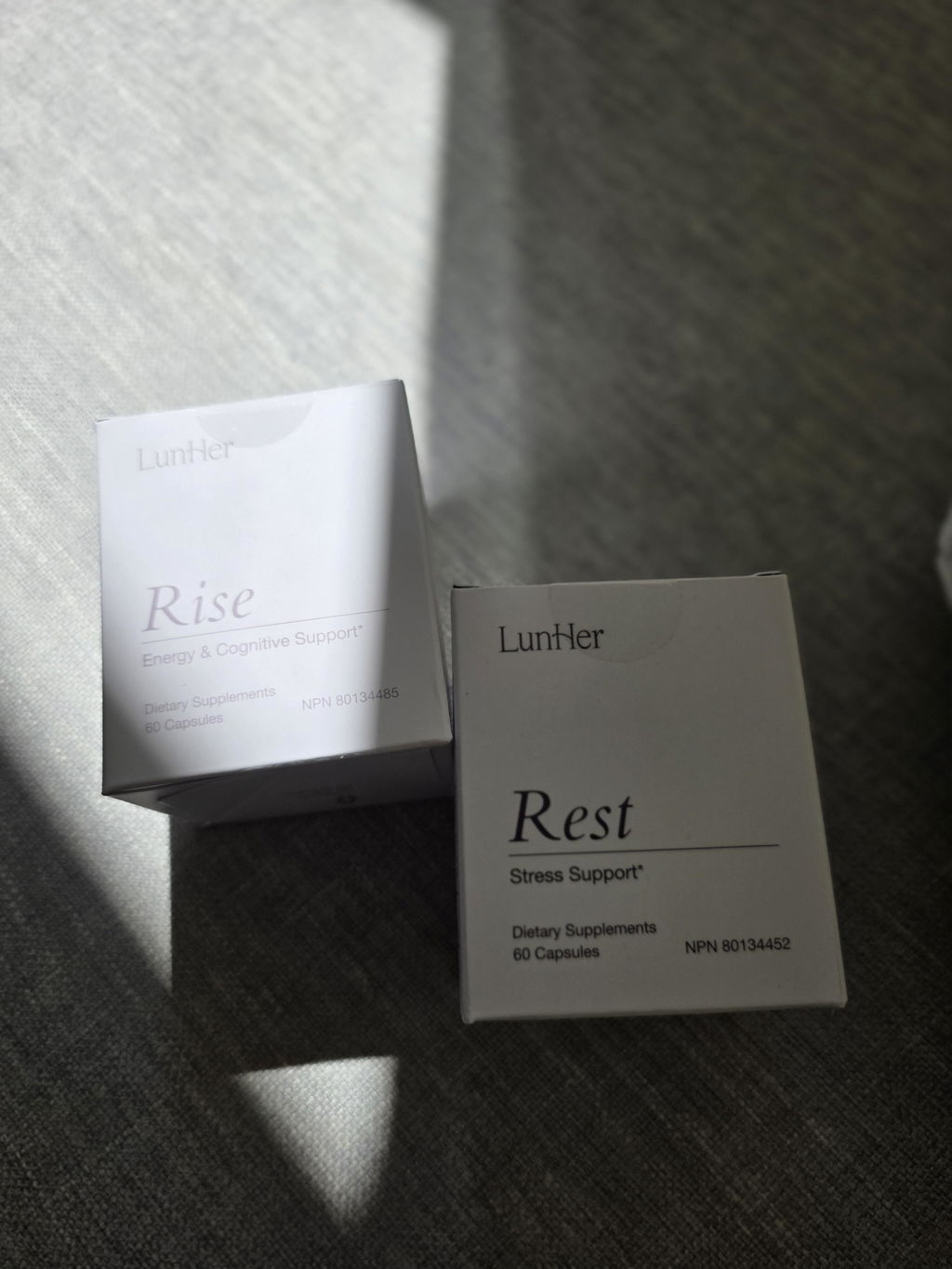
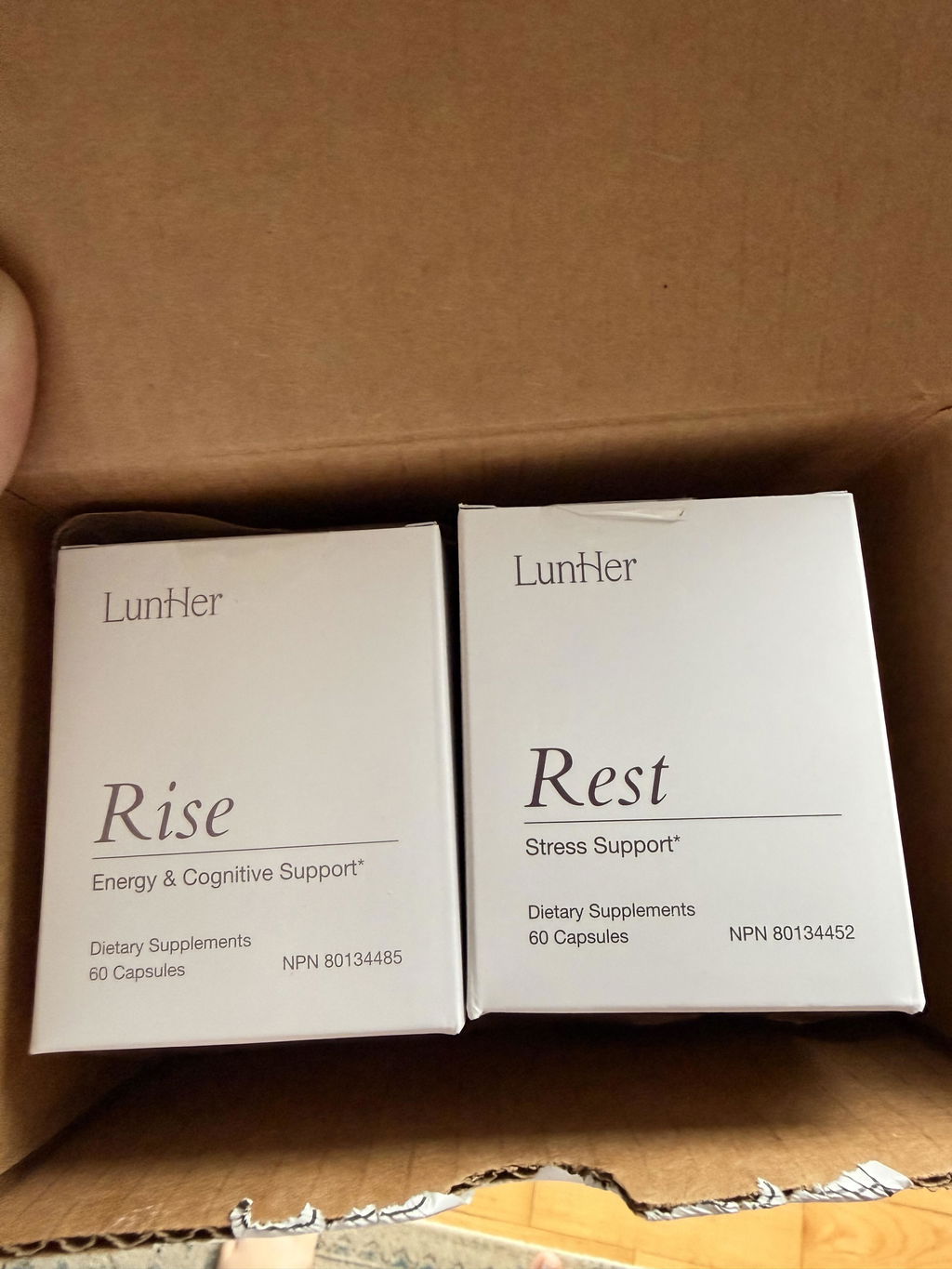
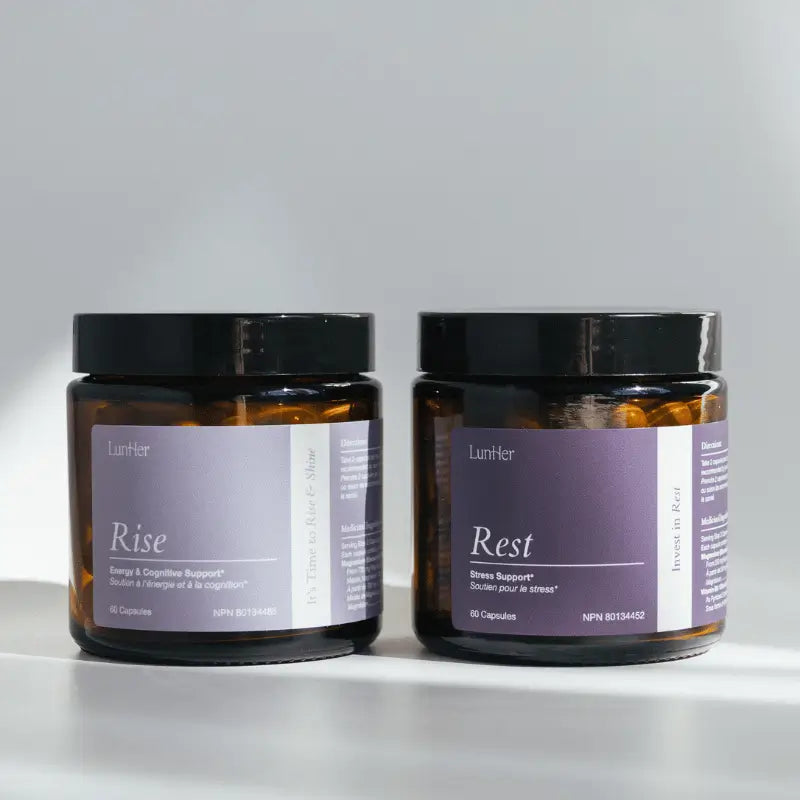
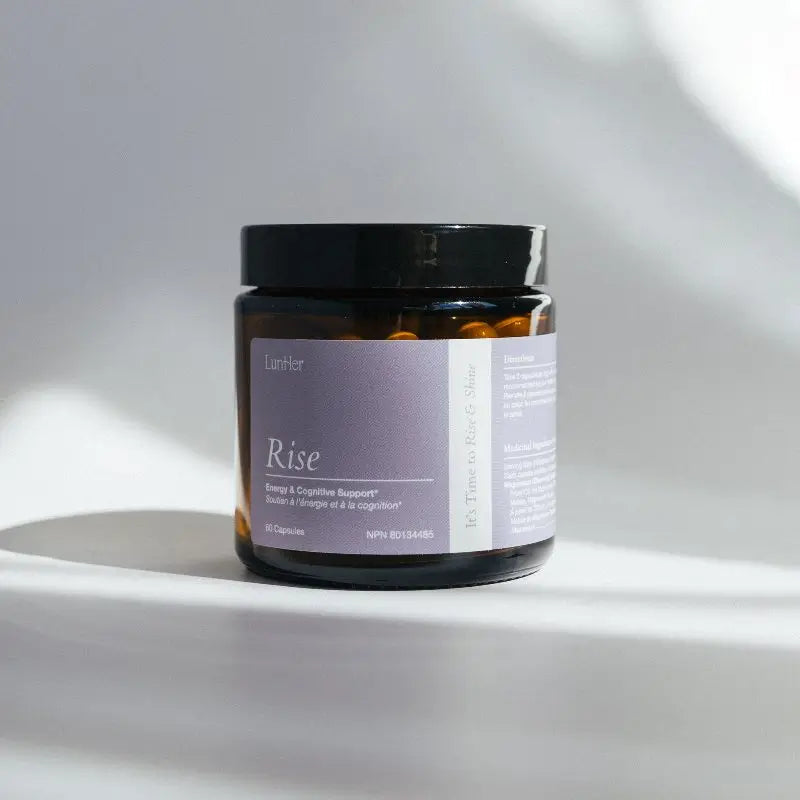
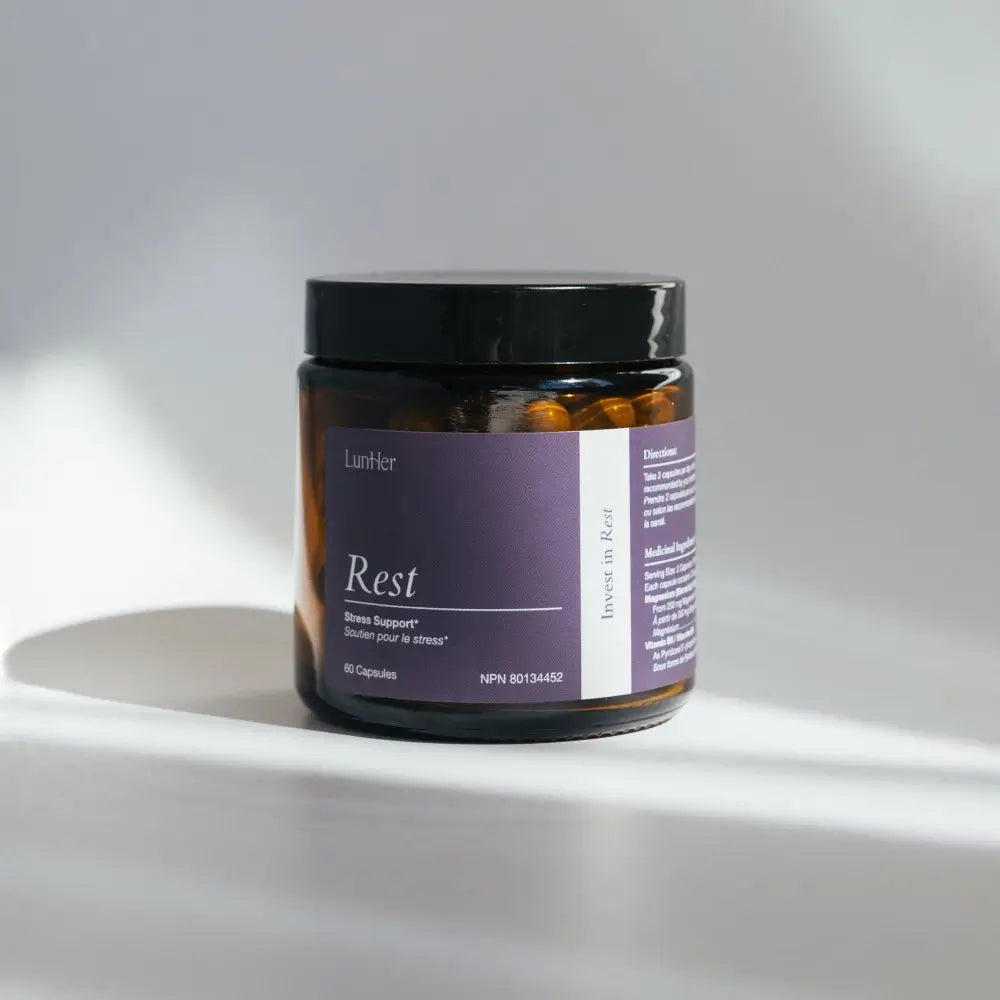
Want science-backed support for hormonal balance? Our LunHer Daily Ritual Bundle contains bioavailable forms of magnesium, methylated B-vitamins, and adaptogens shown to support healthy stress response and energy metabolism—key factors in PCOS management. Learn more →
Key Takeaways
- PCOS involves hormonal imbalances affecting insulin and androgens, leading to irregular cycles and metabolic changes
- Proper diagnosis requires comprehensive testing including metabolic markers, not just an ultrasound
- Supporting hormonal balance requires adequate nutrition, strength training, stress management, and strategic supplementation
- Natural compounds like inositol, omega-3s, magnesium, and vitamin D show strong evidence for PCOS symptom management
What's Really Happening with PCOS
At its core, PCOS involves an imbalance in how your body produces and responds to certain hormones, especially insulin and androgens like testosterone. This hormonal disruption can interfere with ovulation, leading to irregular or absent periods. When ovulation doesn't happen regularly, eggs don't mature and release as they should, instead remaining in the ovary and creating that characteristic "polycystic" appearance on ultrasound (PMID: 38605430).
But here's where it gets more complex: insulin resistance is a major driver for many women with PCOS. When your cells stop responding properly to insulin, it creates a cascade of metabolic effects—higher blood sugar levels, inefficient carbohydrate metabolism, and increased abdominal fat storage. Over time, this hormonal-metabolic loop affects your body composition, energy levels, and even how your body responds to training (PMID: 35231988).
Recent research confirms that up to 80% of women with PCOS experience insulin resistance, which not only worsens hormonal symptoms but also increases long-term risk for type 2 diabetes and cardiovascular disease (PMID: 40611279). This is why addressing metabolic health is just as important as managing reproductive symptoms.
The Science Behind PCOS Diagnosis
The standard diagnostic framework for PCOS comes from the Rotterdam Criteria, which requires at least two of these three features:
1. Oligo-anovulation (irregular or infrequent periods)
2. Hyperandrogenism (signs of excess male hormones, either through physical symptoms like acne and excess hair growth, or elevated testosterone on blood tests)
3. Polycystic ovaries (multiple small follicles visible on ultrasound)
What many women don't realize is that meeting these criteria doesn't automatically mean you have classic PCOS. Context matters enormously—especially your training history, nutrition patterns, and overall energy availability.
When It Looks Like PCOS But May Not Be
Here's something important that's often overlooked: if you've been training hard while restricting calories or carbs, and your period has become irregular or disappeared, the diagnostic picture can be more complex than it initially appears.
When you're chronically under-fueled, your brain downshifts reproductive hormone signaling as a protective mechanism—it's conserving energy for survival. This is called Relative Energy Deficiency in Sport (RED-S) or low energy availability (LEA). As you start eating more and recovering better, your body begins restoring hormonal function.
During this recovery phase, you might get an ultrasound that shows what looks like polycystic ovaries. But context matters enormously. Research on functional hypothalamic amenorrhea—a condition that shares overlapping symptoms with PCOS—shows that nutritional interventions and adequate energy intake are among the most effective first-line approaches for restoring ovulatory function (PMID: 38605430).
The challenge
The same ultrasound finding can have different underlying causes depending on your metabolic health, training history, and energy availability. True PCOS typically involves insulin resistance, elevated androgens, and often a family history of metabolic dysfunction. LEA recovery, on the other hand, is primarily about hormonal suppression from inadequate fueling.
This is exactly why our Daily Ritual bundle includes nutrients specifically chosen to support energy metabolism and hormonal function—including four forms of magnesium, methylated B12 and folate, and adaptogenic botanicals that support the body's stress response. Shop the bundle →
Working with a provider who understands both PCOS and LEA is essential for getting the right diagnosis and treatment approach.
The Role of Nutrition and Supplements in PCOS Management
A comprehensive 2024 umbrella meta-analysis examining over 30,000 women with PCOS found that specific nutritional supplements can meaningfully improve metabolic markers, hormonal balance, and inflammatory status (PMID: 40611279). Here's what the science says actually works:
Inositol: The Star Player
Myo-inositol has emerged as one of the most well-researched supplements for PCOS, with multiple studies showing it can improve insulin sensitivity, restore ovulatory cycles, and reduce androgen levels. A network meta-analysis found that inositol supplementation significantly improved lipid profiles and hormonal markers in women with PCOS, with benefits comparable to pharmaceutical interventions but with fewer side effects (PMID: 40611279).
The typical effective dose ranges from 2,000-4,000mg daily, often combined with D-chiro-inositol in a 40:1 ratio.
Omega-3 Fatty Acids: Fighting Inflammation
Omega-3 supplementation has been shown to reduce inflammatory markers and improve lipid metabolism in PCOS. Research indicates that 1,000-3,000mg daily of combined EPA and DHA can help reduce triglycerides, support cardiovascular health, and may even help with menstrual regularity (PMID: 38605430).
Magnesium: The Multitasker
Magnesium deficiency is common in women with PCOS and linked to worsened insulin resistance. Supplementation with 250-400mg daily has been associated with improved glucose metabolism, reduced inflammation, and better stress response—all critical factors in PCOS management (PMID: 40611279).
This is why our LunHer Daily Ritual includes four different forms of magnesium at clinically meaningful doses, ensuring optimal absorption and comprehensive support for metabolic and hormonal health.
Vitamin D and Micronutrients
Many women with PCOS are deficient in vitamin D, zinc, and chromium—all of which play crucial roles in insulin signaling and reproductive function. A 2025 systematic review found that addressing these deficiencies through targeted supplementation improved metabolic parameters and hormonal balance (PMID: 40611279).
What You Can Do to Support Your Body
Whether you're managing PCOS symptoms or recovering from LEA, the underlying goal is the same: support hormonal balance by stabilizing energy availability, improving metabolic flexibility, and reducing inflammation.
1. Work with the Right Healthcare Team
If you suspect or have been diagnosed with PCOS, staying in communication with your doctor is essential—but if you're not feeling heard or supported, find a provider who truly understands women's physiology and respects your symptoms. Too often, women are dismissed or told to "just lose weight" or "go on the pill," neither of which addresses root causes.
You deserve a provider who listens, investigates thoroughly, and collaborates with you to find long-term solutions that support your lifestyle, goals, and hormones.
2. Fuel Appropriately for Your Training
Undereating or severely restricting carbohydrates can increase cortisol and impair ovulation—two things you absolutely don't want. If you're prone to insulin resistance, that doesn't mean you should fear carbohydrates. It means you should time them strategically:
- Fuel your workouts with adequate carbs
- Prioritize protein and fiber at every meal
- Avoid large carb-heavy meals when you're sedentary
- Think of it as aligning your fuel with your physiology
For active women, this might look like 15-20g protein with 30g carbs before high-intensity sessions, then 35g protein with 30g carbs within 30 minutes of finishing.
3. Lift Heavy and Move Often
Strength training is one of the most effective tools for improving insulin sensitivity and body composition. It helps your muscles become more efficient at using glucose, reduces systemic inflammation, and supports a healthy hormonal environment (PMID: 38605430).
Add in regular aerobic training to build mitochondrial capacity and improve metabolic flexibility. Your body becomes better at switching between fuel sources, which is especially important when managing insulin resistance.
4. Support Recovery with Sleep and Stress Management
High cortisol levels from chronic stress, inadequate sleep, or overtraining can worsen hormonal imbalances and drive insulin resistance. Research shows that poor sleep quality alone can reduce insulin sensitivity by up to 30% (PMID: 38605430).
Keep an eye on your recovery metrics, build in true rest days, and use your preferred stress-management tools—whether that's breathwork, yoga, time in nature, or connecting with friends.
5. Adopt an Anti-Inflammatory Eating Pattern
There's no single "PCOS diet," but there's strong evidence for eating in ways that support blood sugar stability and reduce chronic inflammation. This doesn't need to be complicated—just consistent.
Focus on:
- Plenty of colorful fruits and vegetables (antioxidants and phytonutrients matter!)
- Omega-3-rich foods like salmon, sardines, chia seeds, and flax
- High-quality protein at every meal
- Minimally processed carbs and healthy fats
- Limiting added sugars and ultra-processed foods
6. Prioritize Quality Sleep
Sleep is often overlooked but plays a critical role in hormonal regulation and metabolic health. Research shows that poor sleep quality can reduce insulin sensitivity by up to 30%, worsen inflammation, and disrupt reproductive hormones (PMID: 38605430).
Aim for 7-9 hours of quality sleep by maintaining consistent sleep and wake times, creating a dark and cool sleeping environment, and limiting screen exposure before bed. If you struggle with sleep, magnesium supplementation has been shown to improve sleep quality and duration in clinical studies.
Real-World Nutritional Strategy for Active Women with PCOS
Here's what evidence-based PCOS nutrition actually looks like in practice:
Bookend Training Sessions with Food
- 15-20g protein + 30g carbs before high-intensity work
- 35g protein + 30g carbs within 30 minutes after finishing
- For strength or skill-based sessions: 15-20g protein before, 35g protein + 30g carbs after
Eat Frequently: Stay conscious of avoiding large gaps without food throughout the day. This might mean following a meal schedule or splitting meals into smaller portions to accommodate training and work schedules.
Eat Well: Lean proteins are essential—all sources work, but emphasize plant-based choices when possible for their anti-inflammatory and antioxidant benefits:
- Colorful whole fruits and vegetables (skip juices unless homemade and controlled)
- Whole grains like buckwheat, spelt, black or brown rice, quinoa
- Fermented foods like kefir, unsweetened Greek yogurt, sourdough bread
Consider Time-Restricted Eating (With Caution): Some research suggests that time-restricted eating patterns may offer modest benefits for PCOS management, though more studies are needed. If you choose to try this approach, keep it simple and sustainable—eating within a 12-hour window (e.g., breakfast by 8 a.m., dinner by 8 p.m.) rather than aggressive fasting protocols.
CRITICAL: Never train fasted. Fasted training can exacerbate stress and worsen endocrine dysfunction, especially in women with PCOS or those recovering from LEA. Always fuel your workouts appropriately.
Ready to support your hormonal health with science-backed nutrition? Our LunHer Daily Ritual Bundle contains the exact nutrients active women with PCOS need most: bioavailable magnesium for insulin sensitivity and stress response, methylated B-vitamins for energy metabolism, and adaptogens to support healthy cortisol patterns. All in optimal doses, backed by research. Shop now →
Frequently Asked Questions About PCOS
How do I know if I have true PCOS or low energy availability?
The key difference lies in your nutritional and training history. If you've been chronically under-fueling, restricting food groups, or training intensely without adequate recovery, you may be experiencing LEA rather than classic PCOS. True PCOS typically involves insulin resistance, elevated androgens independent of training stress, and often a family history of the condition. Work with a provider who understands both conditions to get proper testing and context-based diagnosis.
Can supplements replace medication for PCOS?
Supplements should be viewed as supportive tools, not replacements for medical treatment when it's needed. Research shows that certain supplements like inositol, omega-3s, and magnesium can meaningfully improve PCOS symptoms and metabolic markers, but they work best as part of a comprehensive approach that may also include medication, nutrition, and lifestyle changes. Always work with your healthcare provider to determine the right strategy for your specific situation.
What blood tests should I ask for if I suspect PCOS?
Request a comprehensive metabolic and hormonal panel including: fasting glucose and insulin (with HOMA-IR calculation), testosterone (total and free), DHEA-S, LH and FSH, progesterone (to assess ovulation), vitamin D, and a full lipid panel. These markers together help distinguish between true PCOS, other hormonal conditions, and LEA.
How long does it take to see improvements with lifestyle changes?
Most women notice initial improvements in energy and mood within 2-4 weeks of consistent nutrition and stress management changes. Menstrual cycle regularity typically improves within 3-6 months, though it can take longer depending on how long you've been dealing with symptoms. Metabolic markers like insulin sensitivity often show measurable improvement within 8-12 weeks of structured nutrition and exercise interventions.
Is it safe to exercise with PCOS?
Absolutely—in fact, strategic exercise is one of the most powerful tools for managing PCOS. The key is balancing intensity with adequate recovery and fueling. Strength training 3-4 times per week combined with moderate aerobic activity has been shown to significantly improve insulin sensitivity and hormonal balance. Just make sure you're eating enough to support your training volume.
The Bottom Line
PCOS is a complex condition—and for some active women, what looks like PCOS may actually be your body's way of communicating that it needs more energy and recovery. The common thread is this: your metabolism and hormones are highly responsive to how you train, eat, and recover.
When you give your body enough energy, incorporate strength work, prioritize recovery time, and keep inflammation in check through strategic nutrition and supplementation, you're creating the conditions for your hormones to function as they're meant to.
If you suspect PCOS or have been diagnosed with it, find a practitioner who understands both female physiology and your training lifestyle. But remember: your body isn't broken. It's communicating. Your job is to listen, fuel it properly, and help it thrive.
Ready to support your hormonal balance with clean, science-backed supplements? Our LunHer Daily Ritual Bundle was designed specifically for women navigating hormonal transitions like PCOS, with optimal doses of bioavailable nutrients in their most effective forms. Join the thousands of women who've taken control of their hormonal health. We offer a 60-day money-back guarantee because we stand behind our formulations. Start your journey →
P.S. Not sure if LunHer is right for you? We get it—choosing the right supplements can feel overwhelming, especially with PCOS. That's why we offer personalized guidance and a full 60-day guarantee. Our Daily Ritual Bundle contains every nutrient discussed in this article in bioavailable forms at clinically studied doses. No fillers, no unnecessary ingredients, just what your body actually needs. Explore the bundle →
This article is for informational purposes only and not a substitute for professional medical advice. Consult your healthcare provider before starting any supplement regimen, especially if pregnant, nursing, or taking medications. All scientific claims are supported by peer-reviewed research as indicated by PMID citations.
References
This article is supported by recent peer-reviewed research including:
- PMID: 38605430 - Stener-Victorin et al., 2024, Nature Reviews Disease Primers
- PMID: 35231988 - Xu & Qiao, 2022, Journal of Healthcare Engineering
- PMID: 40611279 - Zhao et al., 2025, Reproductive Biology and Endocrinology
- Additional research from Frontiers in Endocrinology, Frontiers in Nutrition, and other leading medical journals on PCOS management, nutritional interventions, and metabolic health