


Folate vs Folic Acid: What's the Difference?
If you've spent any time researching prenatal vitamins or fertility supplements, you've probably seen "folate" and "folic acid" used interchangeably. Even some doctors and nutritionists treat them as the same thing.
Here's the thing: they're not.
Both are forms of vitamin B9, which is absolutely essential for cellular health, DNA formation, and (big one coming) preventing neural tube defects during pregnancy. But how your body actually processes each form? That's where things get interesting—and where making the wrong choice could matter more than you'd think.
Let's break it down.
Key Takeaways
- Folate is the natural form of vitamin B9 found in food. Folic acid is the synthetic version used in most supplements and fortified foods.
- Up to 60% of people have a genetic variation (MTHFR) that makes converting folic acid inefficient—meaning it may not actually be giving your body what it needs.
- Methylfolate (L-methylfolate or 5-MTHF) is the active, ready-to-use form—no conversion required.
- If you're trying to conceive, pregnant, or supporting hormonal health, the form of B9 you choose actually matters.
What's the Actual Difference?
Folate is the naturally occurring form of vitamin B9 found in whole foods like leafy greens, beans, eggs, citrus fruits, avocados, and beef liver. Your body recognizes it and can put it to work relatively easily.
Folic acid is a synthetic version of vitamin B9. It's chemically similar to folate, but it's not found in nature. You'll find it in most supplements and in fortified foods (breads, cereals, pasta) thanks to a 1998 FDA mandate aimed at reducing neural tube defects.
That fortification program? It worked. Neural tube defects dropped significantly within months. But here's where the science has evolved: we now understand that the tiny molecular differences between folate and folic acid create very different pathways in your body.
Let's Get a Little Nerdy (Because This Part Actually Explains Everything)
For your body to actually use folic acid, it has to go through a multi-step conversion process:
Folic acid → dihydrofolate (DHF) → tetrahydrofolate (THF) → L-methylfolate
L-methylfolate is the final, active form your body actually needs for DNA synthesis, cell division, and all those critical functions we talked about.
The enzyme responsible for that final conversion step is called MTHFR (methylenetetrahydrofolate reductase—yes, it's a mouthful). And here's the kicker: research estimates that up to 60% of Americans have genetic variations that reduce their ability to make this conversion efficiently.
If you're one of them:
- You might be taking folic acid supplements but not actually getting enough usable folate to your cells
- Unconverted folic acid can accumulate in your bloodstream
- You may not even know there's an issue
Meanwhile, dietary folate from food—or supplemental methylfolate—bypasses this conversion bottleneck entirely. It's already in the form your body can use.
Why This Matters for Women's Health
Folate is critical for some of your body's most fundamental processes: DNA formation, cell division, and proper methylation. When you're trying to conceive, pregnant, postpartum, or navigating hormonal transitions, adequate folate isn't just helpful—it's essential.
For Fertility & Pregnancy
Folate deficiency during early pregnancy is linked to neural tube defects (including spina bifida), low birth weight, and preterm delivery. The neural tube forms in the first 28 days after conception—often before you even know you're pregnant. This is why preconception supplementation matters so much.
Women planning pregnancy should aim for 600 mcg of folate daily, ideally starting at least one month before conception.
For Postpartum & Beyond
Your folate needs don't disappear after delivery. During breastfeeding, the recommendation is 500 mcg daily. And folate continues to play a role in energy production, mood regulation, and cellular repair. All things your body is working overtime on during the postpartum period.
For Hormonal Balance
Folate is involved in homocysteine metabolism. When methylfolate levels are low, homocysteine can build up, which has been associated with increased cardiovascular risk and pregnancy complications. Proper folate status supports healthy methylation pathways, which influence everything from detoxification to neurotransmitter production.
The Potential Risks of Unmetabolized Folic Acid
Here's where we need to have an honest conversation.
When folic acid intake exceeds your body's ability to convert it, unmetabolized folic acid can accumulate in the bloodstream. Some research has raised questions about potential health implications:
- A double-blind study (1994-2004) found an association between 1 mg/day folic acid supplementation and increased cancer risk
- A 2005 JAMA study found that older adults taking more than 400 mcg of folic acid showed faster cognitive decline compared to those who didn't supplement
- Research has questioned whether widespread fortification may be contributing to certain health patterns in the population
Important context: The research here is still evolving. Folic acid fortification has demonstrably prevented thousands of neural tube defects. The concern isn't that folic acid is "bad"—it's that for some people, particularly those with MTHFR variants, it may not be the optimal form.
As integrative physician Dr. Jeffrey Gladd puts it: "In the right person, folic acid poses no risk. The problem is that most people don't know their folate-handling genetics. There's no data suggesting negative effects from taking the methylfolate form, even if you're a good converter. So I guide most patients to take folate just to be on the safe side."
Food Sources of Folate
Getting folate from whole foods is always a solid foundation. Here are some of the best sources:
- Beef liver (3 oz): Over 50% of daily recommended intake—the gold standard
- Spinach (½ cup cooked): About 33% of daily intake
- Avocado (½ cup): Approximately 15% of daily intake
- Dark leafy greens (broccoli, asparagus, mustard greens): 13-22% of daily intake
- Legumes: Lentils, chickpeas, black beans
- Citrus fruits: Oranges, lemons
- Eggs
While fortified grain products (breads, cereals) contain folic acid, remember: your body may not convert and absorb it as efficiently as natural folate, so these shouldn't be your primary source.
Should You Supplement?
Here's our honest take:
For many people—especially those with dietary restrictions, digestive conditions, or increased needs during pregnancy—meeting folate requirements through food alone can be challenging. The National Institutes of Health recommends 400 mcg daily for adults, increasing to 600 mcg during pregnancy.
If you're considering supplementation, here's what to look for:
- Skip "folic acid" on labels. Look for methylfolate, L-methylfolate, or 5-MTHF instead.
- Consider genetic testing if you want to know your MTHFR status—though supplementing with methylfolate is a reasonable choice regardless.
- Talk to your healthcare provider, especially if you're pregnant, trying to conceive, or have a history of neural tube defects in a previous pregnancy.
Signs You Might Be Low in Folate
- Fatigue and weakness
- Mouth sores or tongue inflammation
- Changes in skin, hair, or nail pigmentation
- Anemia symptoms
People at higher risk include those with alcohol dependence, digestive disorders (like celiac disease), or anyone with dietary restrictions that limit folate-rich foods.
The Bottom Line
Folate vs. folic acid isn't just a semantic difference—it's about understanding what your body can actually use.
Folic acid fortification has done tremendous good for public health. But as the science has evolved, we've learned that the synthetic form isn't optimal for everyone, particularly the significant portion of the population with MTHFR variants.
Whether you're trying to conceive, pregnant, postpartum, or simply supporting your overall health, choosing methylfolate over folic acid gives your body the active form it needs—no conversion required, no uncertainty about whether you're actually getting the benefit.
Because when it comes to something this important, why leave it to chance?
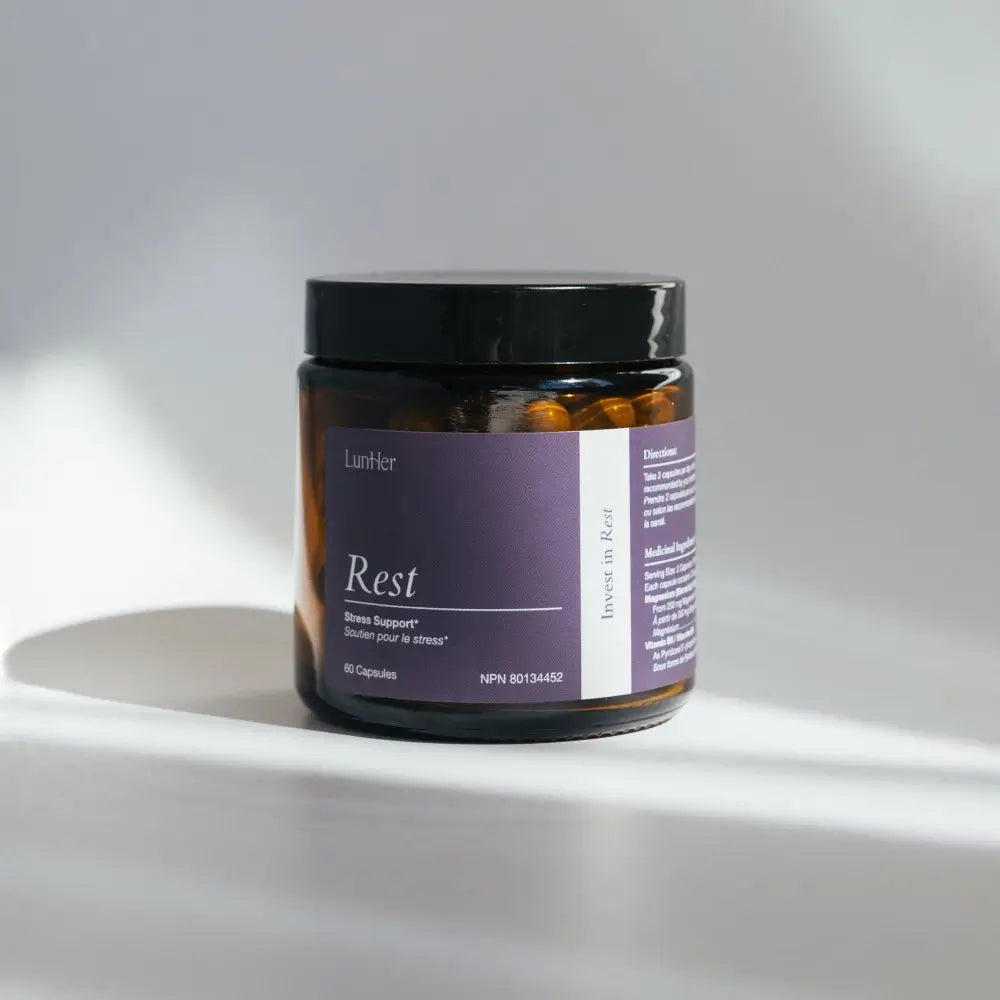
Rest contains L-5-MTHF: the active methylated form of folate, at 250mcg →
The information in this article is for general educational purposes only and is not intended to replace consultation with a qualified healthcare professional. Always consult a doctor or naturopath before starting any supplement, particularly if taking medications or managing a health condition. LunHer products are not intended to diagnose, treat, cure, or prevent any disease.