
CoQ10: What It Is and Why It Matters for Your Health
CoQ10 is one of the hottest supplements on the market right now. If you’ve been scrolling wellness TikTok or browsing supplement aisles, you’ve probably come across it before. This blog will give you a simple breakdown of what it is and why it matters for your health.
Key Takeaways
- CoQ10 is essential for energy production, brain clarity, and overall vitality, but natural levels decline with age.
- It supports key areas of health including heart health, fertility (egg and sperm quality), lung function, skin protection, and even migraine reduction.
- You can get some CoQ10 from food, but supplementation helps fill gaps, especially if you’re over 35, on statins, or looking to boost energy, fertility, or cardiovascular wellness.
What is CoQ10?
CoQ10 is a fat-soluble substance that converts food into energy, so it is most effective when taken with food. It is also called ubiquinone or ubiquinol (its more active form). It is found in nearly every cell of your body and the word “coenzyme” identifies CoQ10 as a compound that helps other chemicals in the body do their jobs properly. CoQ10 is involved in many functions, including cell respiration, cell growth, cell maintenance, energy production, and metabolism.
Your body produces CoQ10 naturally and it is present in most tissues. The highest concentrations are found in the heart, pancreas, kidneys and liver, with the lowest concentration found in the lungs. However, CoQ10 tends to decline with age and this decline can begin as early as 20.
CoQ10 exists in two forms in the body, ubiquinone and ubiquinol. The majority of CoQ10 in the body takes the form of ubiquinol, which is more active and bioavailable. This enhanced bioavailability means that it is more easily absorbed into the body. It is stored in the mitochondria of cells and helps the cells produce the energy we need every day.
Key Benefits of CoQ10
Many benefits of CoQ10 have been identified through research. The Mayo Clinic lists the following benefits based on new research: heart health, including congestive heart failure and blood pressure Parkinson's disease for nervous system benefits Statin-induced myopathy, including easing muscle weakness associated with statin consumption Migraines, by possibly reducing frequency Physical performance, by improving energy production.
These are only some of the benefits of CoQ10. Because this compound is part of every cell of the body, it plays an integral role at the very heart of our health and well-being.
Energy & Brain Clarity
Because CoQ10 lives in your mitochondria, it plays a large role in energy levels. This includes feelings of being drained, which can potentially lead to brain fog and the inability to focus.
CoQ10 is also of great interest for health researchers regarding its capabilities in brain health, particularly for Alzheimer’s disease.
Heart & Cardiovascular Health
One of the most researched areas for CoQ10 is heart support and it is one of the top-selling supplements for heart health. One study found that in a randomized study of 420 patients, taking CoQ10 reduced death in patients with severe heart failure by half. Research has also demonstrated a strong relationship between heart attack recovery and CoQ10 supplements. In one clinical trial, patients who consumed CoQ10 after a heart attack had a lower rate of returning cardiac events, a notable 25% compared to 45% in the control group.
Research has also shown that CoQ10 could potentially help lower cholesterol. The Icahn School of Medicine at Mount Sinai states that people with high cholesterol usually have lower levels of CoQ10. Despite a lack of clinical studies, there is evidence that in conjunction with statin supplements, CoQ10 can help bring cholesterol levels back to a normal baseline.
Lung Health
Your lungs actually have the lowest levels of CoQ10 in the body and they are susceptible to oxidative damage because of the large amounts of oxygen they come into contact with. Maintaining healthy lung capacity is necessary to exercise and be active, and perform normal tasks, too. Unfortunately, as we age, our lung capacity decreases. And without antioxidant protection, the lungs are at risk for diseases, including chronic obstructive pulmonary disease (COPD) and asthma. Some people are also born with lung diseases.
According to the National Emphysema Foundation, supplementing with CoQ10 may help ease inflammation in conditions like COPD or asthma. It has been known to improve cell activity and ease inflammation in people with COPD. A 2005 study confirmed similar results, finding that supplementation with CoQ10 reduced inflammation and the need to take steroids in patients with asthma.
Fertility Support
To work optimally, the body needs to maintain certain levels of CoQ10, making it an integral nutrient to the reproductive system, particularly egg and sperm vitality.
To achieve a healthy pregnancy and baby, the egg and the sperm need to be healthy. If they aren’t, the pregnancy may result in a miscarriage. And if the egg and sperm are in poorer condition, conception may not happen, even if advanced reproduction techniques, like IVF, are performed. Studies have reported that CoQ10 helps protect and restore mitochondrial energy, which may improve egg quality (especially in women over 35) and sperm motility/count in men.
Skin Health
As an antioxidant, CoQ10 helps protect your skin from free radical damage (wrinkles, age spots, etc). It’s why you might have noticed it in skincare formulas. Topical CoQ10 has been demonstrated to reduce free radical damage and increase antioxidant capacity, while it also “significantly increased the levels of this quinone on the skin surface” according to a 2015 study. CoQ10 supplementation may also help boost skin from within.
Migraines & Headaches
Several studies suggest CoQ10 can reduce the frequency and intensity of migraines. A UK non-profit, The Migraine Trust, is devoted to helping people suffering from migraines, and they report CoQ10 as being a promising natural remedy. They report the results of several studies on CoQ10 being beneficial to migraines:
Thirty-two patients with migraines used CoQ10 at a dose of 150 mg per day. End results found that “61.3% of the patients treated had a greater than 50% reduction in number of days with migraine headache.” In the same study, only two people did not show improvement with intensity. The average number of days with a migraine dropped to 2.95 days compared to the start with 7.34 days. The trial showed that CoQ10 likely takes between four and 12 weeks to show migraine reduction. One of the most important discoveries in the study revealed that CoQ10 did not cause adverse events, and that it was well-tolerated by participants. CoQ10 supplementation also helps children with migraines.
Blood Sugar & Metabolism
When cells are damaged by oxidative stress, metabolic diseases often result. In many instances, blood sugar levels are impacted by disease and other health challenges. This includes one of the most common disorders: diabetes. Diabetes is well-known as a chronic inflammatory disease.
Early research shows promise for CoQ10 in supporting healthy blood sugar regulation, though findings are mixed and more studies are needed. A 2015 study concluded that mitochondrial distress contributed to Type II diabetes. They also concluded that restoring adequate levels of CoQ10 in patients with Type II diabetes via supplements could potentially “alleviate oxidative stress, preserve mitochondrial function, and eventually lead to improvement of glycemic control.” The same study also mentions that more research is needed due to several clinical studies finding no improvement with CoQ10 supplements and patients with Type II diabetes.
Food Sources of CoQ10
While your body makes some on its own, you can also get CoQ10 from food. The following foods are rich in CoQ10:
-
Meats: organ meats (heart, live, kidneys), chicken, beef, and pork
-
Fatty fish and oil fish: trout, herring, mackerel, salmon, tuna and sardines
-
Vegetable oils: soybean, canola, and sesame seed oils
-
Nuts and seeds
-
Fruits and vegetables: Broccoli, avocados, oranges, cauliflower, and strawberries contain small amounts of CoQ10
It is important to note that supplements are not a replacement for nutritious and healthy foods. A quality diet can do wonders to maintain your health and well-being, which requires a big commitment. Supplements should support your already healthy lifestyle and dietary choices. While your body produces CoQ10, getting the rest of it requires making smart dietary choices.
Should You Supplement?
As a “vitamin-like” substance that is essential for maintaining cell integrity, many people are interested in taking CoQ10. Remember that it is always important to discuss the benefits of supplements with a personal physician who is familiar with your health history.
CoQ10 supplements are widely available and generally considered safe. They’re especially helpful if:
-
You’re over 35 (natural levels decline with age).
-
You’re on statins (these meds lower CoQ10 levels in the body).
-
You’re trying to support fertility or energy.
Mild side effects like stomach upset or insomnia are possible, but serious effects are rare. Always check with your doctor first, especially if you’re on medication or pregnant/breastfeeding.
The Bottom Line
CoQ10 is a quiet powerhouse your body depends on daily and it is essential for keeping cells energized. From energy and fertility to heart and skin health, it plays a role at the very core of your vitality. Think of it as one of those supplements that works behind the scenes, helping your cells show up fully so you can show up fully, too.
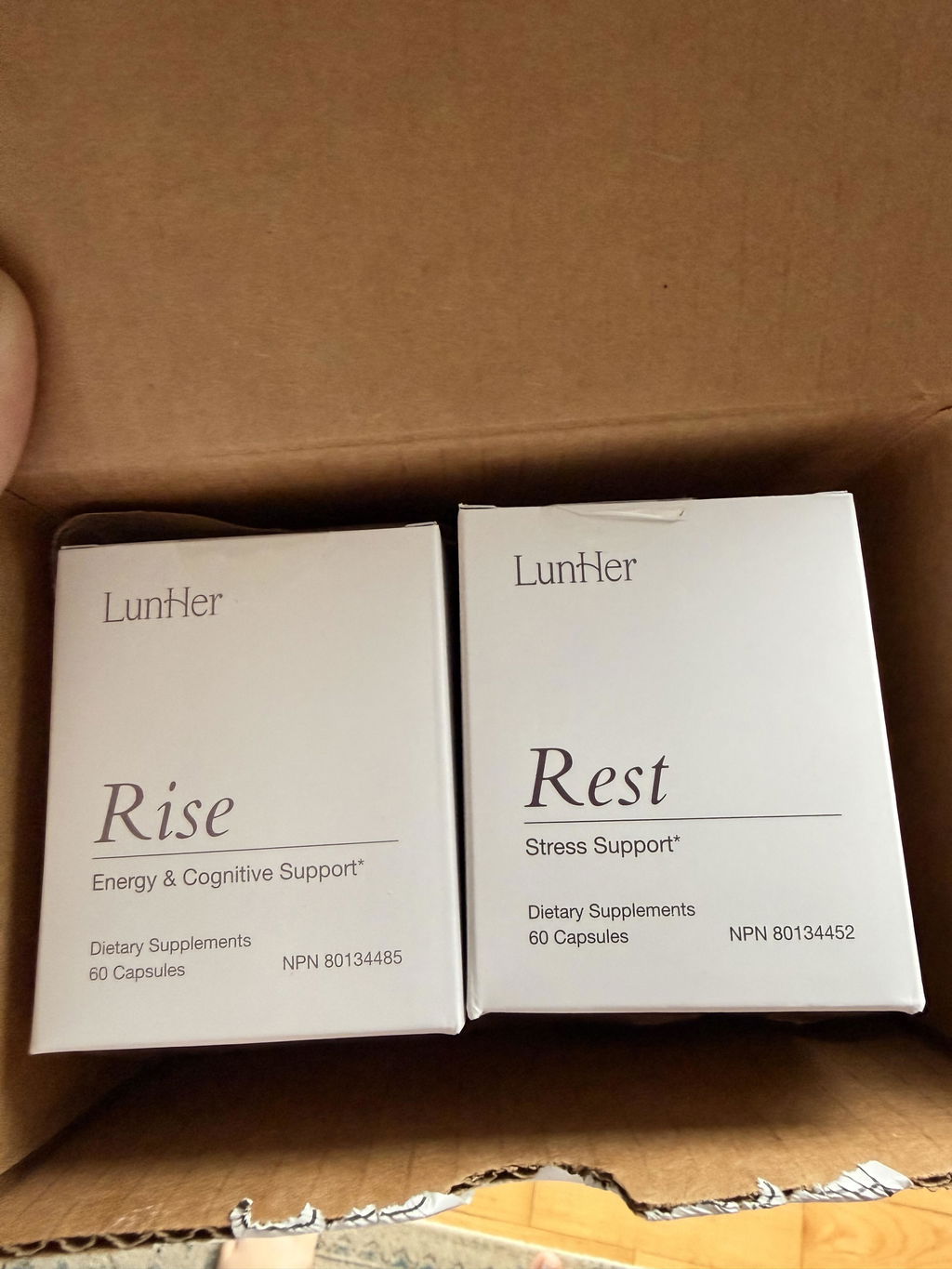
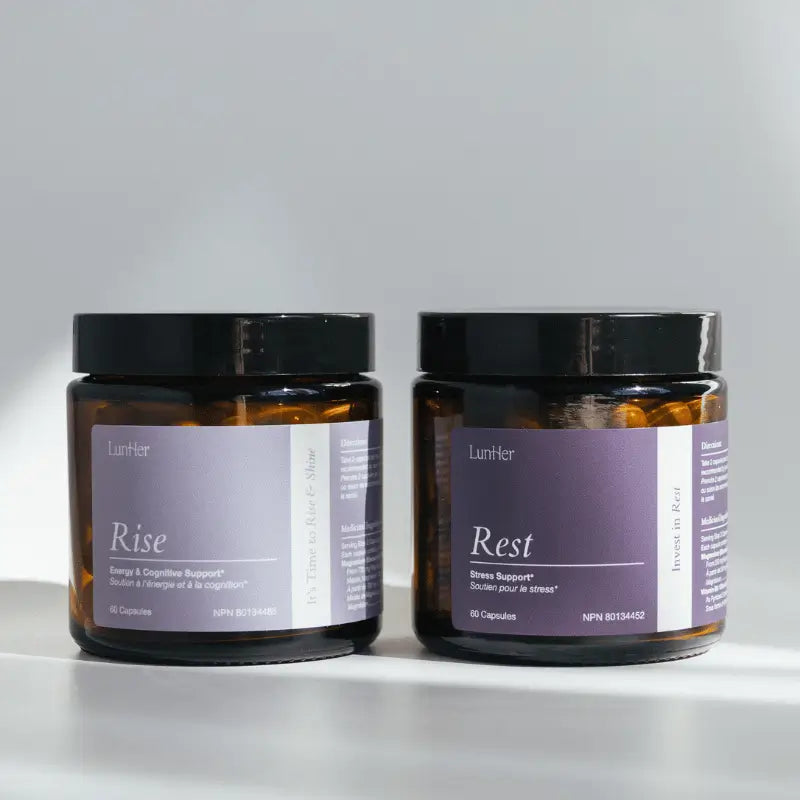
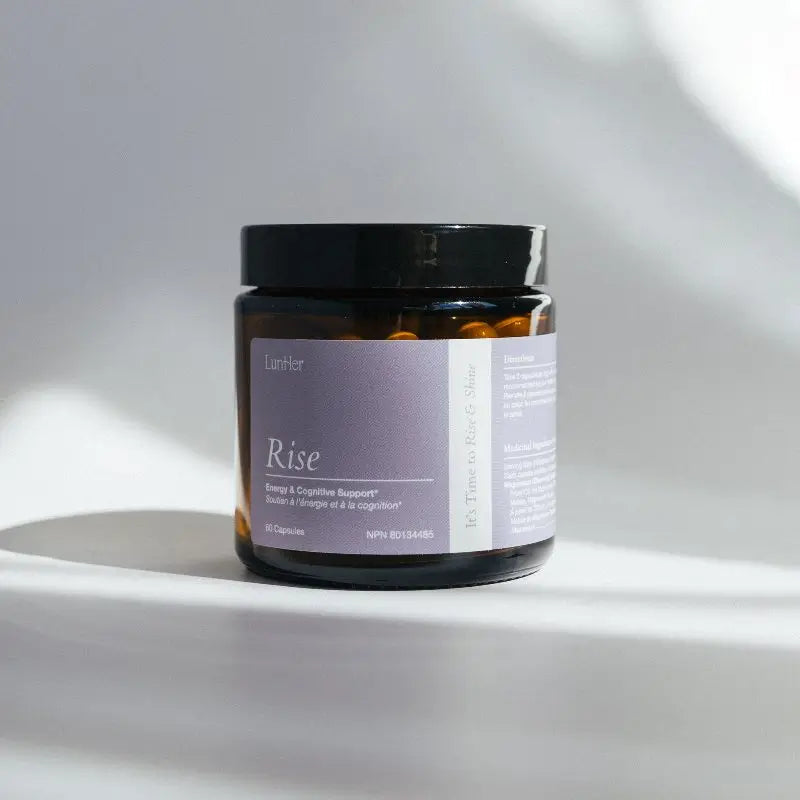
Rise contains 50mg CoQ10, clinically relevant dose for mitochondrial support →
The information in this article is for general educational purposes only and is not intended to replace consultation with a qualified healthcare professional. Always consult a doctor or naturopath before starting any supplement, particularly if taking medications or managing a health condition. LunHer products are not intended to diagnose, treat, cure, or prevent any disease.