



Prenatal vs Postnatal Vitamins: When to Make the Switch (+ What Your Body Really Needs)
You've spent nine months nourishing your growing baby with prenatal vitamins. But now that your little one is here, a question keeps nagging at you: Should I keep taking prenatals, or do I need something different?
Here's what most new moms don't realize: Your nutritional needs after birth are actually higher than they were during pregnancy—especially if you're breastfeeding. Yet postpartum nutrition rarely gets the attention it deserves.
The truth? Over 50% of mothers experience postpartum depletion, leaving them exhausted, foggy, and struggling to feel like themselves again. And while continuing your prenatal vitamin isn't wrong, it may not be giving your depleted body exactly what it needs to recover, produce quality breast milk, and reclaim your energy.
Let's break down the real differences between prenatal and postnatal vitamins—and why a strategic, two-formula approach might be the game-changer your postpartum body has been craving.
The Critical Difference: Prenatal vs Postnatal Vitamins
Prenatal Vitamins: Built for Baby's Development
Prenatal vitamins are formulated to support fetal development and prevent birth defects. They're packed with nutrients like:
-
High-dose folic acid/folate (600-800 mcg) for neural tube development
-
Iron (27-30 mg) to support increased blood volume
-
DHA for baby's brain and eye development
-
Calcium and Vitamin D for bone formation
These are non-negotiable during pregnancy. But after delivery? Your body's priorities shift dramatically.
Postnatal Vitamins: Designed for Recovery + Lactation
Postnatal vitamins are specifically formulated to replenish nutrients depleted during pregnancy and childbirth while supporting breastfeeding demands. Key differences include:
-
Increased choline (550 mg vs. 450 mg prenatal) for baby's brain development through breast milk
-
Adjusted iron levels (often lower, around 18 mg) since blood volume normalizes post-birth
-
Higher B vitamins for energy production and mood support
-
Enhanced vitamin D, A, C, and E to meet elevated lactation requirements
-
Targeted minerals like magnesium, zinc, and selenium for recovery
Here's the bottom line: Nutritional demands change after a baby is born and while breastfeeding. Your body isn't just maintaining a pregnancy anymore—it's healing from birth trauma, rebalancing hormones, and (if nursing) producing 24-32 ounces of nutrient-dense milk daily.
When to Switch from Prenatal to Postnatal Vitamins
The Short Answer: Right After Delivery
Women should consider switching to a postnatal supplement as soon as they give birth, and continue taking one for six months postpartum (or longer if breastfeeding).
But Here's What Most Brands Won't Tell You...
You don't have to switch—many women continue taking prenatals postpartum without issue. However, this "one-size-fits-all" approach misses a crucial opportunity to address your body's evolving, 24-hour nutritional needs.
Think about it: Your body doesn't operate on a flat line. You have different physiological demands in the morning versus nighttime. So why would you take the same nutrients at the same time every day?
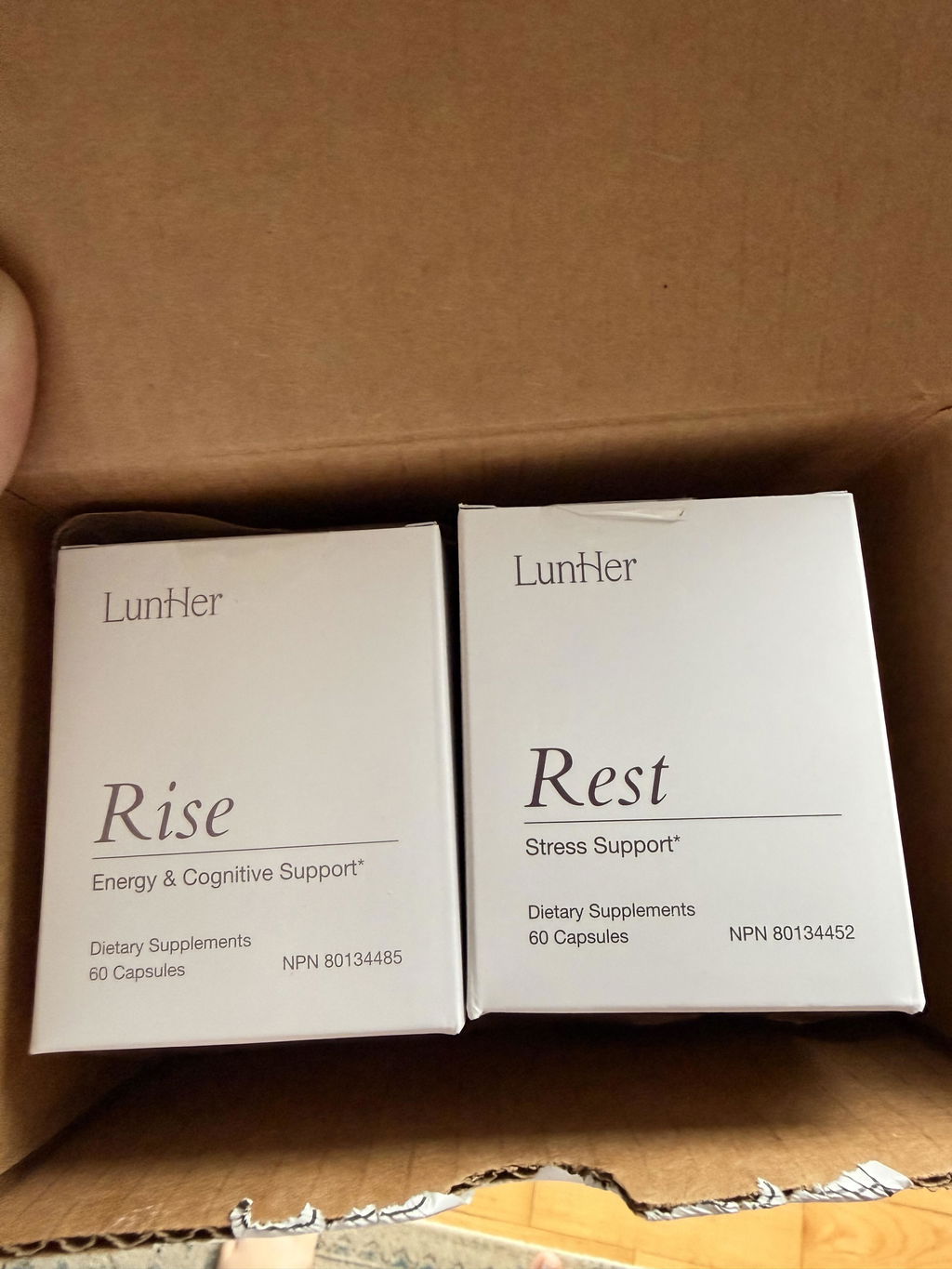
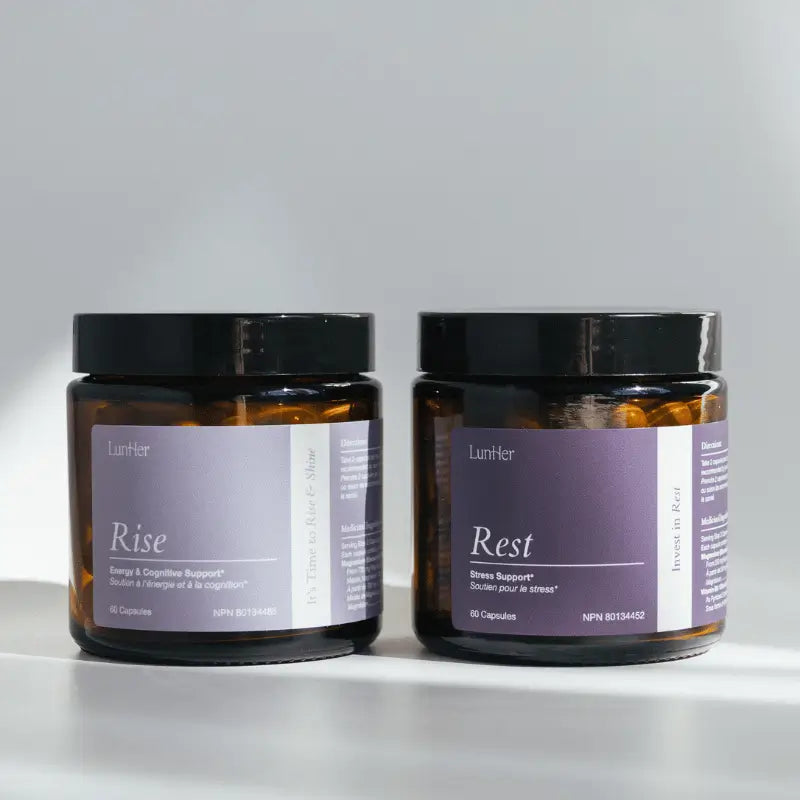
The Case for a Two-Formula Approach: Rise + Rest
This is where most postnatal vitamins fall short. They give you one daily capsule and call it a day. But your body's needs follow a circadian rhythm—and emerging research shows that timing your nutrition can dramatically impact how well your body absorbs and utilizes these nutrients.
Why AM/PM Formulas Matter for Postpartum Recovery
Day-parted supplementation involves creating separate formulas for different times of day, with AM formulas containing ingredients like B12, Rhodiola, and L-theanine for focus and energy, while PM formulas include magnesium, apigenin, and lemon balm for winding down.
For postpartum mothers specifically, this approach addresses two critical challenges:
Morning (Rise Formula): Combat Postpartum Fatigue
-
Over 60% of postpartum women report fatigue, with dehydration and suboptimal iron levels being the predominant causes
-
B-complex vitamins for cellular energy production
-
Iron and vitamin C (for absorption) to rebuild depleted stores
-
Choline for mental clarity and milk production
-
Energizing adaptogens without overstimulation
Evening (Rest Formula): Support Recovery + Sleep
-
Magnesium, commonly referred to as the "mama mineral," is very commonly deficient in new moms and is involved in thousands of enzyme reactions in the body
-
Calcium for bone health (lactation creates greater calcium demand)
-
Vitamin D3 + K2 for immune support and calcium absorption
-
Calming nutrients to support restorative sleep cycles
The Science Behind Circadian-Aligned Nutrition
Each tissue or organ in the body has its own circadian rhythm and its own peripheral clock—for example, your liver produces enzymes in anticipation of when you normally eat and drink. By aligning your supplement intake with your body's natural rhythms, you optimize:
-
Nutrient absorption – taking iron in the morning when stomach acid is highest
-
Energy metabolism – B vitamins when your body naturally produces cortisol
-
Sleep quality – magnesium and calcium in the evening when melatonin rises
-
Hormonal balance – supporting the cortisol-melatonin cycle your body relies on
What Your Postpartum Body Really Needs
The Non-Negotiables for Postnatal Recovery
Based on the latest research, here are the nutrients you absolutely need to prioritize:
1. Iron + Ferritin Low ferritin levels can lead to persistent fatigue, brain fog, and even hair loss. Target: 18-27 mg daily, depending on your blood loss during delivery.
2. Omega-3 Fatty Acids (DHA + EPA) Research has linked low omega-3 levels to postnatal mood disorders, including postpartum depression and anxiety. Essential for your brain health AND baby's development through breast milk.
3. Vitamin D3 Vitamin D is essential for bone health, immune function, and studies suggest it can help prevent postpartum depression. Most women are already deficient pre-pregnancy.
4. B-Complex Vitamins B vitamins support energy production, brain processing speed, memory, and are needed for synthesis of neurotransmitters serotonin and dopamine—critical for mood regulation.
5. Choline Choline needs increase to 550 mg during breastfeeding to support healthy brain development, compared to 450 mg during pregnancy.
6. Magnesium Essential for over 300 enzymatic reactions, sleep quality, stress response, and muscle recovery. When stressed, we use magnesium rapidly, yet it's also calming—creating a depletion cycle.
Understanding Postpartum Depletion
Postpartum depletion can persist for months or even years after childbirth if left unaddressed. Common symptoms include:
-
Persistent exhaustion (even when baby sleeps)
-
Brain fog and difficulty concentrating
-
Mood swings, anxiety, or irritability
-
Hair loss (beyond normal postpartum shedding)
-
Muscle aches and slow wound healing
-
Weakened immune function
Essential nutrients like iron, zinc, vitamin B12, B9, iodine, selenium, omega-3 fatty acids, and amino acids from proteins leave the mother's body to support the baby during gestation and continue through breastfeeding.
The conventional approach? "Just push through it—welcome to motherhood!"
But here's what research actually shows: If postnatal depletion isn't addressed, mothers can experience physical, mental, and emotional symptoms for up to a decade after giving birth.
You deserve better.
Why One-Size-Fits-All Postnatal Vitamins Aren't Enough
Most postnatal supplements on the market make three critical mistakes:
1. They're Just Rebranded Prenatals The average prenatal supplement does not provide adequate levels of vitamins A, E, or C to meet recommended daily requirements for lactating women and may provide too much iron for a mother whose iron stores have recovered.
2. They Ignore Your Circadian Rhythm Taking all your nutrients at once means some compete for absorption while others may cause unwanted effects (like B vitamins disrupting sleep if taken at night, or magnesium causing morning drowsiness).
3. They Don't Address Your Dual Role You're simultaneously recovering from pregnancy trauma AND fueling a growing baby. Producing breast milk during lactation consumes 25% of the body's energy—as much as your entire pregnancy!
The LunHer Difference: Rise & Rest AM/PM System
This is where a properly designed two-formula approach changes everything.
Rise (AM Formula): Energize + Nourish
-
Activated B-complex for sustained energy without jitters
-
Chelated iron + vitamin C for maximum absorption
-
Choline for cognitive function and milk quality
-
Vitamin D3 for immune support
-
Gentle on an empty stomach (no morning nausea)
Rest (PM Formula): Restore + Recover
-
Magnesium glycinate for deep, restorative sleep
-
Calcium + vitamin K2 for bone remineralization
-
Evening-optimized minerals that don't compete with morning nutrients
-
Support for overnight tissue repair and hormonal balance
Why This Approach Works
By splitting your nutrition into AM and PM formulas, you:
✓ Optimize absorption – No nutrient competition or degradation
✓ Support natural rhythms – Work with your body's circadian clock
✓ Target specific needs – Energy when you need it, recovery while you sleep
✓ Maximize compliance – Easier to remember morning + evening routine
✓ Address depletion holistically – Not just lactation, but full-body recovery
How Long Should You Take Postnatal Vitamins?
The general recommendation is to take postnatal vitamins for at least three to six months after delivery, or longer if breastfeeding. However, individual needs vary based on:
-
Blood loss during delivery
-
Breastfeeding duration and intensity
-
Pre-existing nutrient deficiencies
-
Dietary quality and restrictions
-
Stress levels and sleep quality
-
Number of previous pregnancies
Most women benefit from taking postnatal vitamins while breastfeeding, and many continue until at least 6-18 months postpartum.
Pro tip: Ask your healthcare provider to test your iron (ferritin), vitamin D, B12, and zinc levels at your 6-week postpartum appointment. These labs will reveal exactly where you stand and help you personalize your supplementation strategy.
Making the Switch: Your Action Plan
Week 1-2 After Delivery
-
Continue your prenatal OR switch to a comprehensive postnatal
-
Focus on hydration and eating consistently
-
If you're taking a two-formula system, start with just the morning dose for the first few days
Weeks 3-6
-
Fully transition to your postnatal regimen
-
Add evening formula if using an AM/PM system
-
Schedule postpartum labs with your provider
Months 2-6
-
Continue postnatal vitamins consistently
-
Reassess based on energy levels, milk supply, and how you feel
-
Adjust individual nutrients based on lab results if needed
6+ Months or When You Stop Breastfeeding
-
Many women continue postnatals for 12-18 months
-
Can transition to a high-quality women's multivitamin
-
Continue individual supplements (like vitamin D or omega-3s) as needed
The Bottom Line: You're Not "Just Tired"—You're Depleted
The narrative that postpartum exhaustion, brain fog, and mood swings are "just part of motherhood" needs to end. If you're experiencing persistent symptoms, nutrient depletion could be playing a bigger role than you realize.
Your body just performed the physiological equivalent of running a marathon—except instead of resting afterward, you're now awake every 2-3 hours while simultaneously producing food for another human.
You're not being dramatic. You're not weak. You're depleted.
And the solution isn't more coffee or pushing through. It's giving your body the targeted, strategic nutrition it needs to actually recover.
Why Rise & Rest Beats One-Size-Fits-All Postnatals
Think of it this way: You wouldn't fuel a marathon and recovery with the same meal. Your body has different needs when it's performing (daytime, active, producing milk) versus when it's recovering (nighttime, restorative, rebuilding).
A single-formula postnatal tries to do both at once—and ends up optimizing for neither.
Rise + Rest gives you:
-
Precision nutrition tailored to your body's 24-hour cycle
-
Complete recovery support that addresses morning fatigue AND nighttime depletion
-
Lactation optimization with proper timing of choline, B vitamins, and minerals
-
Real results because your body can actually absorb and utilize what you're giving it
Ready to Feel Like Yourself Again?
Your journey to reclaiming your energy, mental clarity, and overall vitality starts with proper nutrition—nutrition that respects your body's complexity and supports its natural rhythms.
Stop settling for postnatals that were designed for convenience rather than results. Your body deserves a strategic, science-backed approach that actually works.
Discover Rise & Rest – the first postnatal vitamin system designed specifically for the demanding 24-hour reality of new motherhood.
👉 Take our 2-minute quiz to find out if you're experiencing postpartum depletion and get your personalized nutrition plan.
References:
-
American College of Obstetricians and Gynecologists (ACOG) - Postpartum Nutrition Guidelines
-
National Institutes of Health - Nutrient Recommendations for Lactating Women
-
Journal of Nutrition - Postpartum Nutrient Depletion Research
The information in this article is for general educational purposes only and is not intended to replace consultation with a qualified healthcare professional. Always consult a doctor or naturopath before starting any supplement, particularly if taking medications or managing a health condition. LunHer products are not intended to diagnose, treat, cure, or prevent any disease.