

Magnesium for Stress: What It Actually Does for a Depleted Nervous System
Key takeaways
- Magnesium is involved in over 600 reactions including energy production, and roughly half the population eats less than required.
- Human trials show modest anxiety and stress benefits, strongest in people who are stressed or deplete. Magnesium plus B6 beat magnesium alone in severely stressed adults.
- The claim that magnesium lowers cortisol is not well supported in human trials, so we do not make it.
- Form decides absorption: oxide is about four percent absorbed, while bisglycinate, malate, and taurate absorb well.
- Take it with food, daily, for weeks. It refills a drained baseline rather than sedating you.
You have probably heard that magnesium is the mineral to take when stress is eating you alive. It is the first suggestion in every comment section, and for a lot of women it changes nothing, so it quietly joins the shelf of things that did not work.
The frustrating part is that the underlying science is real. Magnesium genuinely matters to a stressed nervous system, but the details, which form, what dose, and who it actually helps, decide whether you feel anything at all. This article walks through the human evidence honestly, including the parts the wellness industry tends to skip.
Why does a stressed body need magnesium?
Magnesium sits inside more than 600 enzymatic reactions, including the ones that make and use ATP, the molecule your cells spend as energy. Nerve signalling, muscle relaxation, and blood sugar control all draw on it, so running low leaves a nervous system with less to work with exactly when demand is highest.
Running low is not rare, either. An analysis of US national intake data found roughly half the population consumed less magnesium from food than required (PMID: 22364157), and the enzymatic role is textbook physiology (PMID: 25540137). Stress makes the math worse in both directions: a stressed system burns through more, and the depleted state leaves you more reactive to the next stressor. That two-way street is one reason chronic stress feels like a hole that digs itself.
What do human trials actually show for stress and anxiety?
The fairest summary: modest, real effects, concentrated in people who start out stressed or low in magnesium. A systematic review of 18 studies found magnesium reduced subjective anxiety in anxiety-vulnerable groups, while noting the trials themselves were of mixed quality (PMID: 28445426).
The strongest single piece of evidence is a randomized controlled trial of 264 severely stressed adults, which found that magnesium paired with vitamin B6 outperformed magnesium alone by about 24 percent at week eight (PMID: 30562392). That pairing is not a coincidence in how we formulate: B6 in its active form appears alongside magnesium in both of our formulas because the two do related jobs in nervous system chemistry.
And one claim we will not repeat: that magnesium lowers cortisol. Human trials have not shown that reliably, and a brand built on label honesty does not get to round mechanism up to outcome. The defensible claim is nervous system support and calmer subjective stress, especially from a depleted baseline.
Does magnesium help you sleep through stressed seasons?
The sleep evidence is modest but consistent in direction. A meta-analysis of randomized trials found magnesium shortened sleep onset by about 17 minutes versus placebo, without reliably extending total sleep time (PMID: 33865376). Falling asleep faster is not nothing when your evenings run wired.
More directly relevant to the form question, a 2025 randomized trial of magnesium bisglycinate in healthy adults with poor sleep found insomnia severity improved more than placebo, with the clearest benefit in participants whose dietary magnesium was low (PMID: 40918053). That last detail is the expectation-setting line worth remembering: magnesium works best as a repletion story, refilling something drained, rather than as a sedative. If sleep is your main battle, our deeper dive on whether magnesium helps you sleep covers dosing and timing.
Which form should you actually take?
Form is mostly an absorption question, and the differences are large. Magnesium oxide, the cheap form in many bottles, showed roughly four percent fractional absorption in a human comparison study (PMID: 11794633), and the unabsorbed remainder is why oxide's main observable effect is laxative. Organic salts absorb substantially better across comparison studies (PMID: 16548135).
Past absorption, the honest hierarchy gets flatter than the marketing suggests. Bisglycinate is well absorbed and gentle, and it is the form with the recent sleep trial behind it. Malate and taurate are well-absorbed forms whose specific claims, energy for malate and calm for taurate, rest on mechanism rather than human trials, so the calming evidence belongs to magnesium itself. We map the whole landscape in our guide to the types of magnesium.
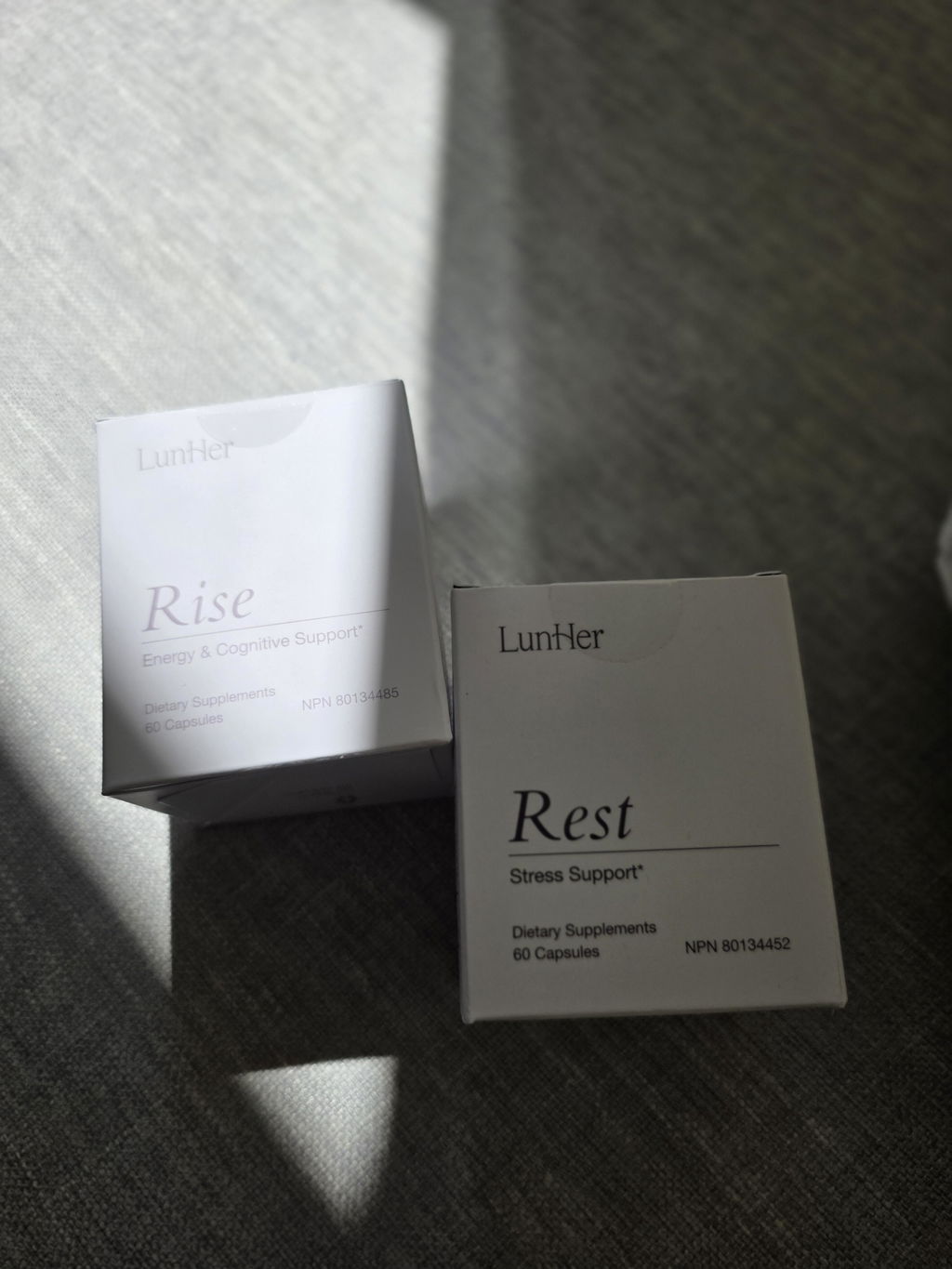
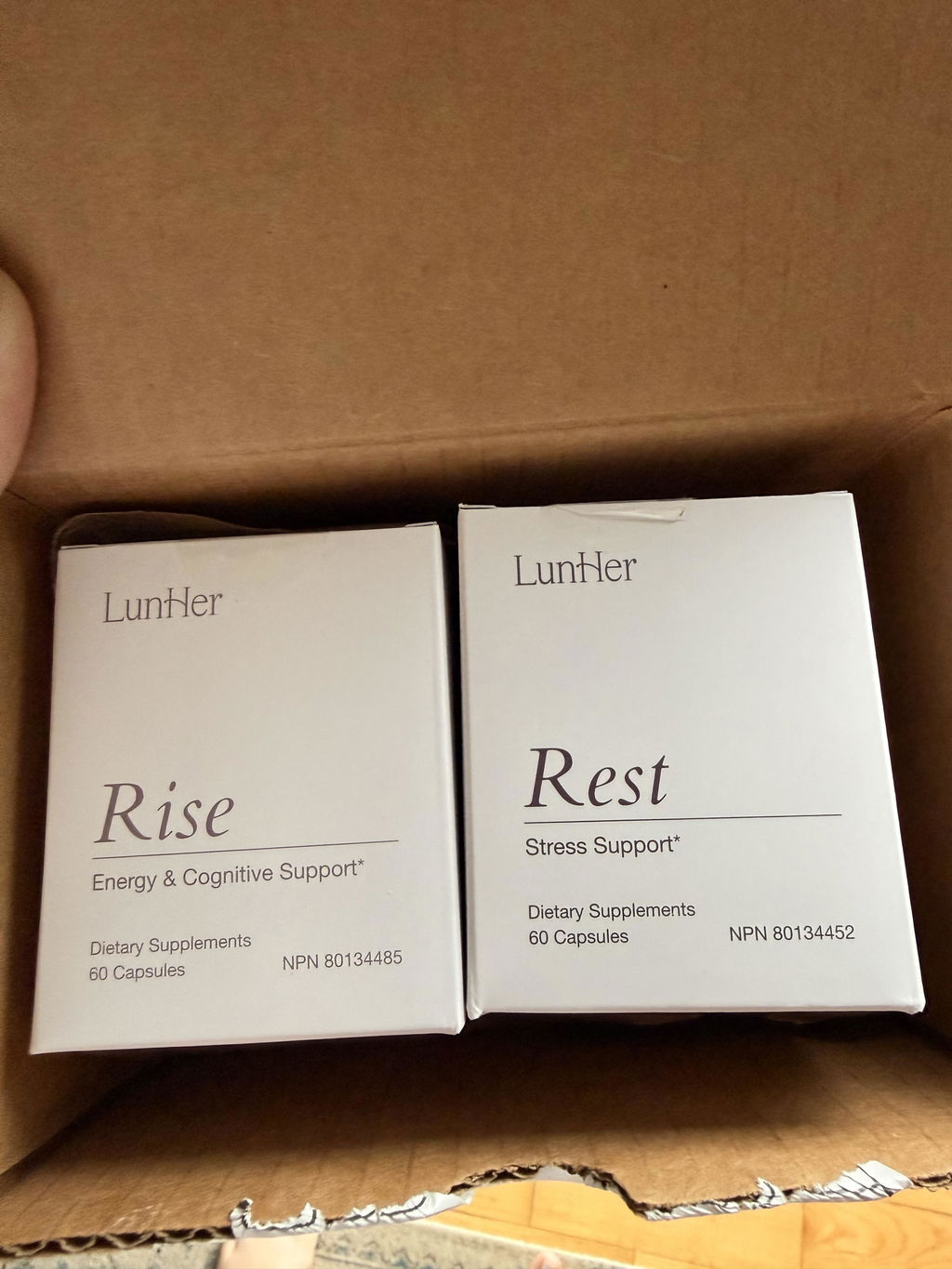
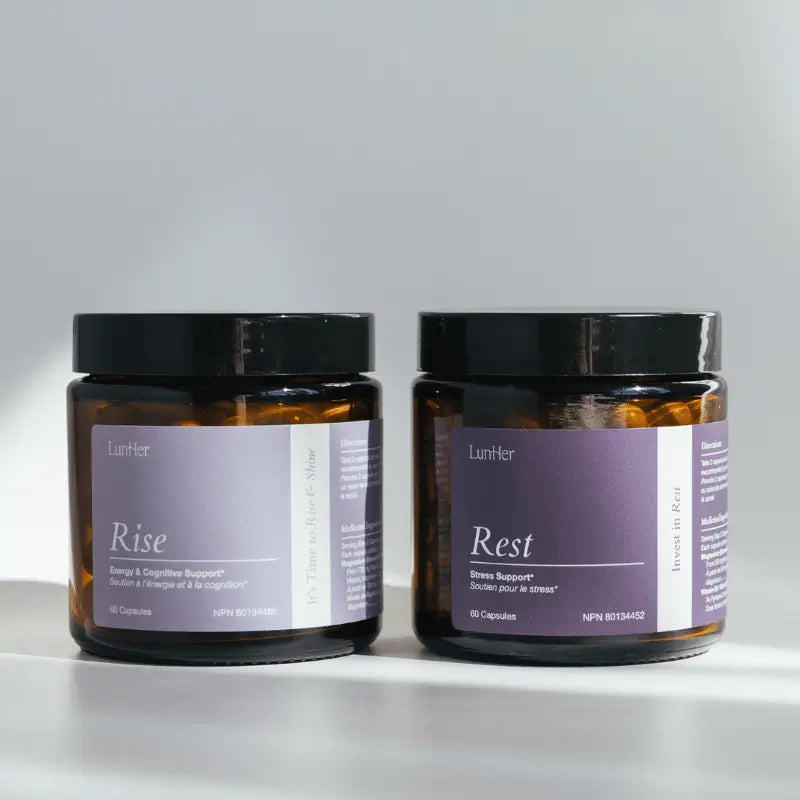
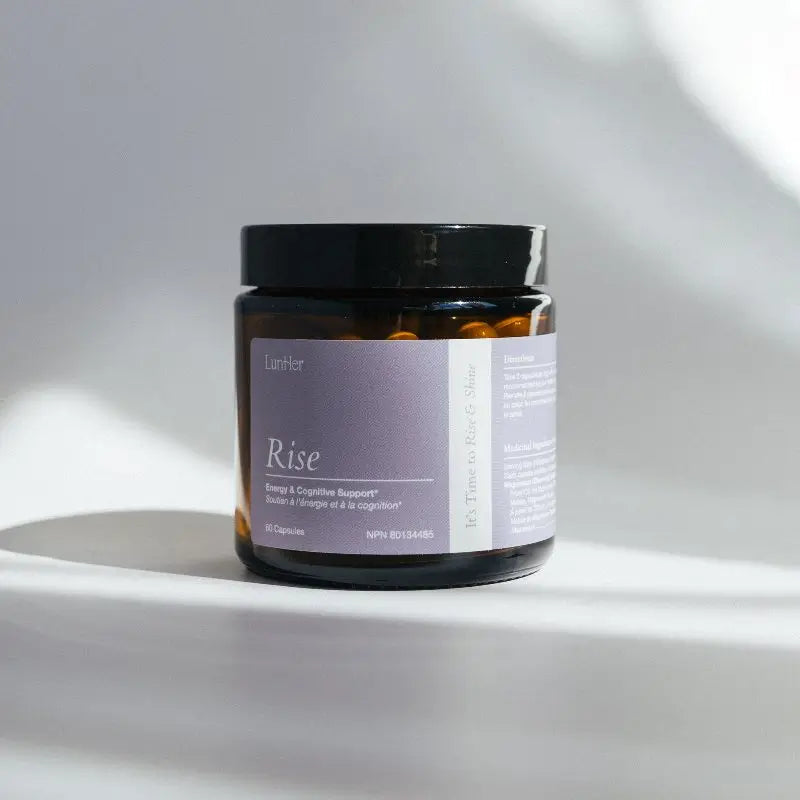
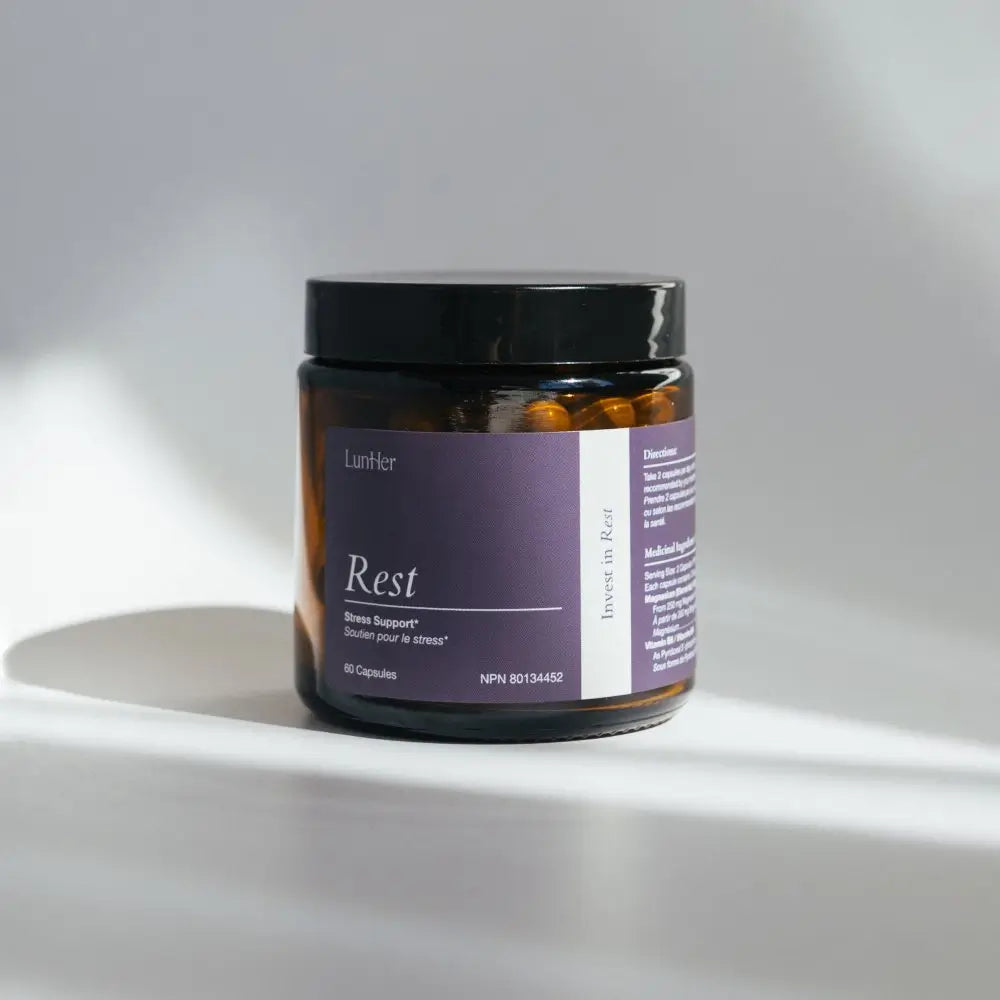
This is why Rise and Rest split four well-absorbed forms across the day, three in the morning formula for energy metabolism and bisglycinate at night, at doses meant to top up a depleted baseline rather than megadose it.
How do you take magnesium so it actually works?
Three practical rules cover most of it. Take it with food, since minerals on an empty stomach are a common cause of nausea. Take it consistently, because repletion is gradual and the trials that worked ran four to eight weeks. And if you get loose stools, split the dose or check whether your product is quietly built on oxide.
Absorption also has a context: very high single doses absorb proportionally worse, which is another argument for moderate amounts taken daily rather than occasional large ones. Our piece on increasing magnesium absorption goes deeper on what helps and hinders it. Give it weeks, not days, and judge it by mornings and by how reactive your days feel, not by whether one dramatic night changes.
This article is for general education and is not a substitute for medical advice. If you take medication, including diuretics or acid-reducing drugs that affect magnesium, check with your healthcare provider before supplementing.