
Why Do I Wake Up at 3am? A Hormonal Health Guide
Key takeaways
- Waking around 3am is common, and the usual driver is your cortisol rhythm rising over naturally lighter early-morning sleep.
- Chronic stress raises the cortisol floor, which turns a gentle pre-dawn rise into a wake-up call. Stress and broken sleep feed each other in a loop.
- Alcohol, late caffeine, heavy dinners, warmth, and evening light all lower your waking threshold.
- To fall back asleep, keep lights dim, skip the phone, and get up briefly if twenty minutes pass. Do not watch the clock.
- Magnesium and L-theanine have modest, honest evidence for calmer, easier sleep, and they help most when your baseline is depleted.
You wake up, the house is silent, and the clock says 3:04. Again. Not midnight, not five, but the same strange hour that has somehow become your body's least welcome appointment.
If this is you, you are in large company. In a survey of the American general population, about a third of people reported waking during the night at least three times a week (PMID: 18374943). The 3am version has a particular signature though, and it usually traces back to one hormone doing its job a little too enthusiastically. This guide walks through what your cortisol is doing at that hour, the other things that can pull you awake, and what the evidence says actually helps.
Why 3am specifically?
Two curves cross in the early morning hours. Your sleep gets naturally lighter as deep sleep concentrates in the first half of the night, and your cortisol begins its scheduled climb toward morning. Around 3am you are sleeping at your shallowest just as your most alerting hormone starts rising, which makes it the easiest hour of the night to wake from.
Neither curve is a malfunction. Sleep is built from roughly 90-minute cycles, and the deep, hard-to-wake-from stages front-load into the first cycles while the later ones run lighter. Cortisol, meanwhile, is supposed to rise before dawn. It is your body's built-in departure prep, quietly raising blood sugar and blood pressure so that morning does not hit you cold (PMID: 28870447).
The trouble starts when that gentle pre-dawn slope turns into a step.
What does cortisol have to do with it?
Cortisol is the most common reason behind consistent 3am waking. When you are under chronic stress, your baseline cortisol runs high and the stress system that produces it stays partly switched on overnight, so the normal early-morning rise starts from a higher floor and crosses the threshold that wakes you.
This is not just a wellness theory. Research on people with chronic insomnia found their stress hormone output was elevated around the clock, with the strongest elevations in the evening and first half of the night, and the researchers concluded that the stress system and poor sleep feed each other in a loop (PMID: 11502812). A stressed system sleeps lighter, lighter sleep leaves you less restored, and a less restored nervous system runs the next day hotter, which sets up the night after.
If your 3am waking comes bundled with days that feel like running on empty, that loop is worth taking seriously as one system rather than two separate problems. The pattern has a cousin worth knowing too: feeling wired but tired at bedtime, exhausted yet unable to switch off.
Could it be your hormones or life stage?
Yes, reproductive hormones can amplify the pattern. Estrogen and progesterone both influence sleep, so the years when they swing, including the years before menopause, often bring more night waking and night sweats that cluster in the early morning hours. PCOS is also associated with poorer sleep for many women.
The honest caveat is that the mechanisms overlap. A cycle that disrupts sleep also raises stress on the system, and a stressed system worsens the hormonal symptoms, so untangling which came first matters less than supporting both ends. If PCOS is part of your picture, our guide to understanding PCOS covers the sleep connection in more depth, and if you are in your forties and the night waking is new, the perimenopause guide is a useful companion read.
What else pulls you awake at 3am?
A handful of everyday inputs make the 3am window easier to fall into. Alcohol is the big one, because it sedates you early in the night and then rebounds into lighter, more fragmented sleep as it clears. Late caffeine, heavy or sugary late dinners, a warm bedroom, and light exposure late in the evening all push the same direction.
None of these usually causes the pattern alone, but they lower the waking threshold that cortisol then crosses. The practical move is to treat them as margin: an earlier caffeine cutoff, dinner a little lighter and earlier, the room cooler and darker. Your body clock also does better with consistent sleep and wake times, which is covered properly in our circadian rhythm guide.
How do you get back to sleep once you're awake?
The counterintuitive answer from sleep medicine: stop trying so hard. Keep the room dark, leave the phone face down, and if you have been awake around twenty minutes, get up and do something quiet in dim light until you feel sleepy again. Lying there doing wakefulness rehearsal teaches your brain that 3am is for thinking.
These techniques come from cognitive behavioural therapy for insomnia, which is the best-evidenced treatment for chronic sleep trouble. A systematic review and meta-analysis in the Annals of Internal Medicine found it produced lasting improvements in how quickly people fell asleep and how long they stayed asleep, without medication (PMID: 26054060). The clock is not your friend here either. Checking the time stamps the waking with a story, and the story is usually stressful.
What actually helps you stay asleep?
The durable fixes work on the two curves from earlier: lowering the stress floor so the cortisol rise stays a slope, and protecting sleep depth so the shallow hours are less fragile. That means a real wind-down, consistent timing, the margin items above, and for some women, targeted nutrient support with honest expectations attached.
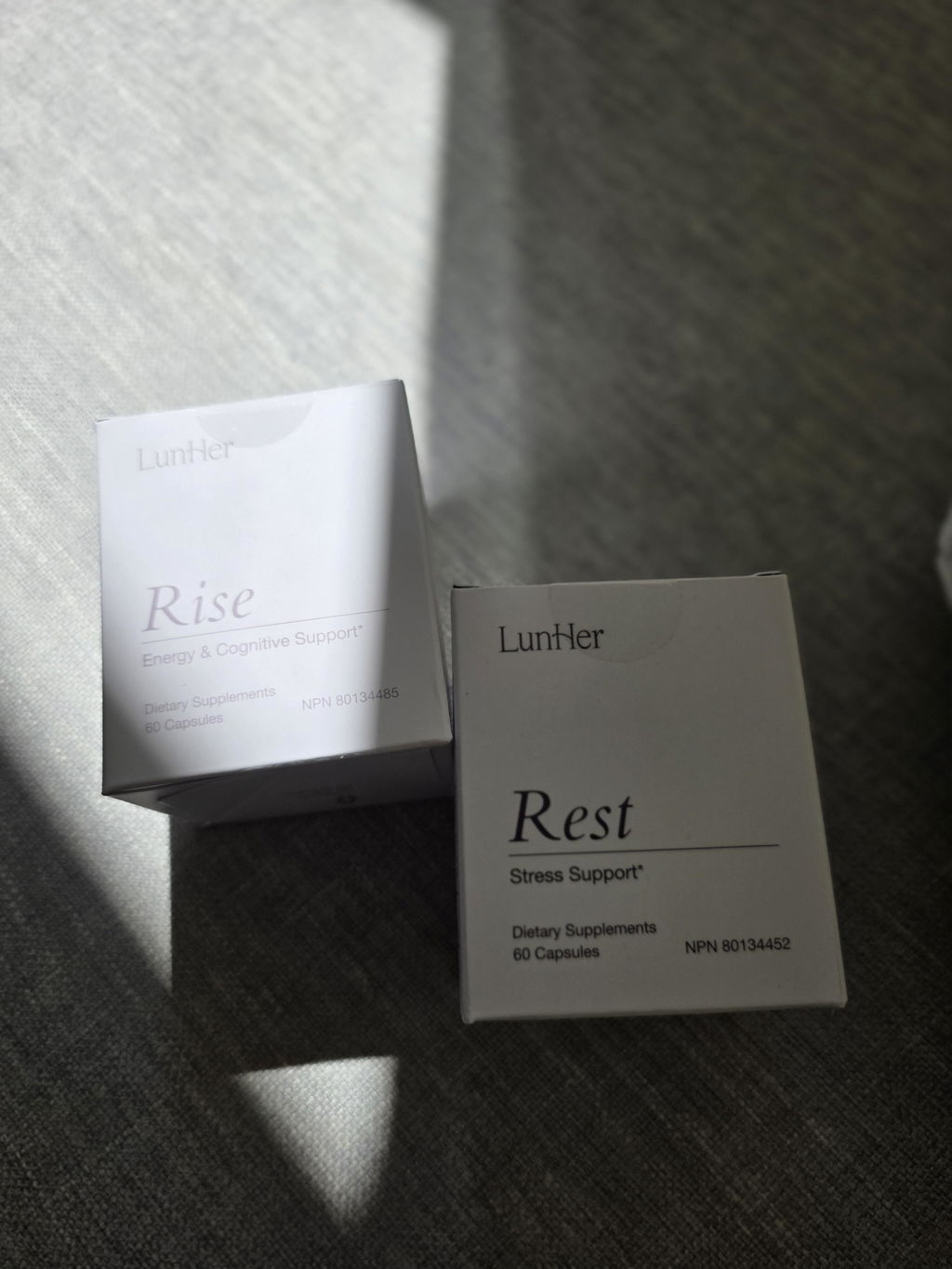
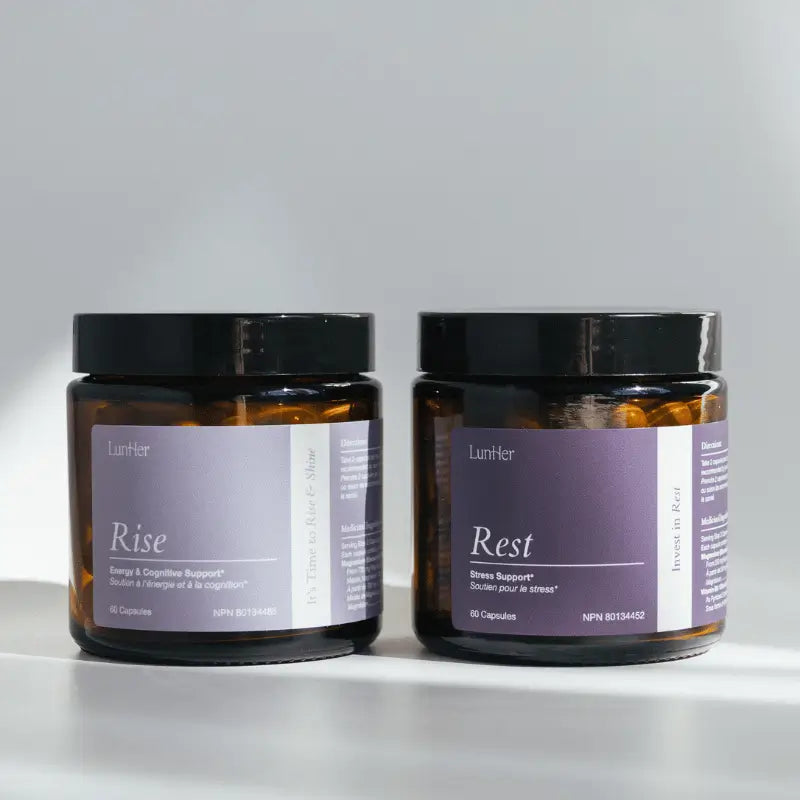
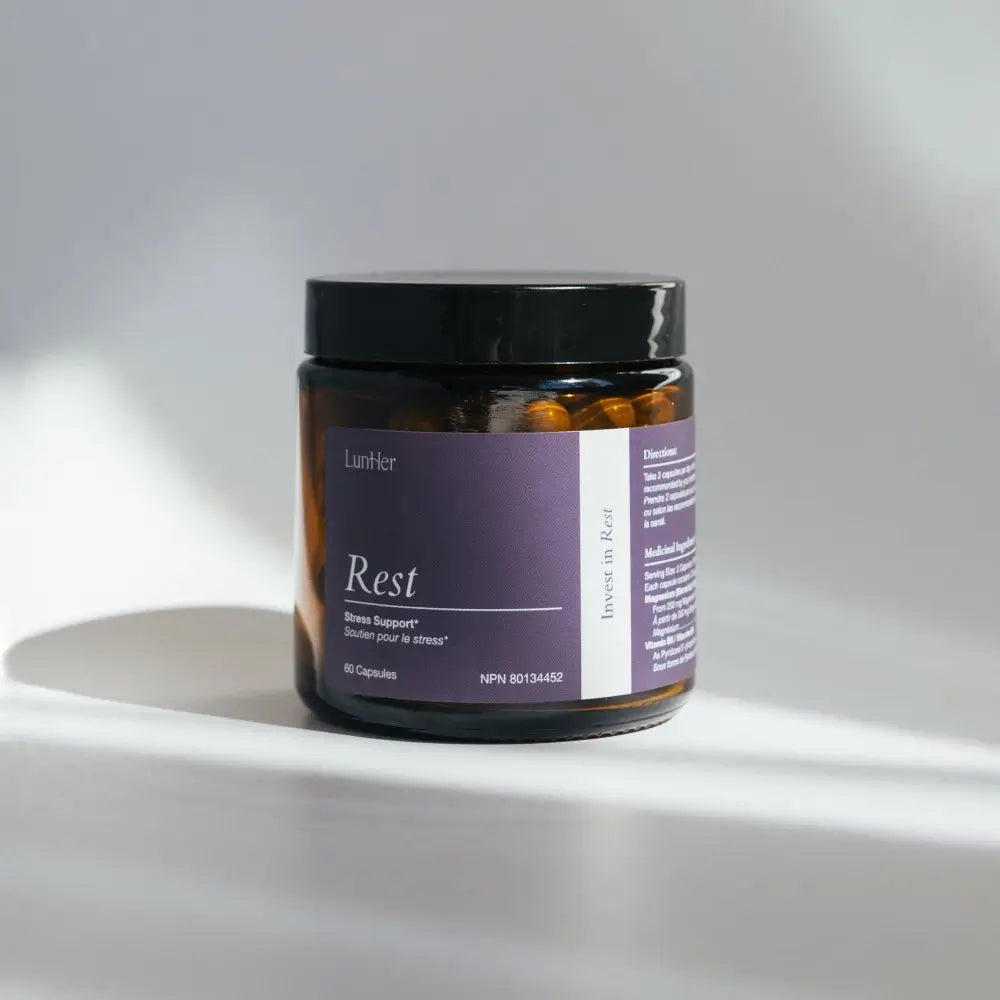
On the supplement side, the evidence is modest and worth stating plainly. A meta-analysis found magnesium shortened the time it takes to fall asleep, though it did not reliably lengthen total sleep (PMID: 33865376), and a 2025 randomized trial of magnesium bisglycinate in poor sleepers improved insomnia severity, most clearly in people whose dietary magnesium was low (PMID: 40918053). L-theanine has repeatedly reduced markers of stress reactivity at doses within the clinically studied range. This is the thinking behind Rest, which pairs magnesium bisglycinate with L-theanine and calming botanicals and deliberately leaves out melatonin, so the sleep you reach is the kind your own system produces.
One more honest line: if the waking is most nights, has run for months, and your days are suffering, see a doctor. Persistent early-morning waking can also travel with depression, sleep apnea, and thyroid issues, and those deserve assessment rather than a supplement.
This article is for general education and is not a substitute for medical advice. If night waking is persistent or affecting your days, talk to your healthcare provider.