
Are Supplements Safe? What the Latest Science Actually Says
Written by Our Editorial Team & Medically Reviewed by Dr. Aisling Lanigan, N.D.
Key Takeaways
- The majority of Canadian adults take at least one supplement, but not all supplements are created equal
- Canada's Natural Health Product (NHP) regulations require pre-market review before a product can be sold, one of the strictest frameworks in the world
- Clinical doses matter: a well-researched ingredient at the wrong dose won't help, and too much of the wrong thing can harm
- 'Natural' is not the same as safe. Quality, sourcing, and formulation all determine whether a supplement works
- Third-party testing and a Health Canada NPN are strong quality signals.
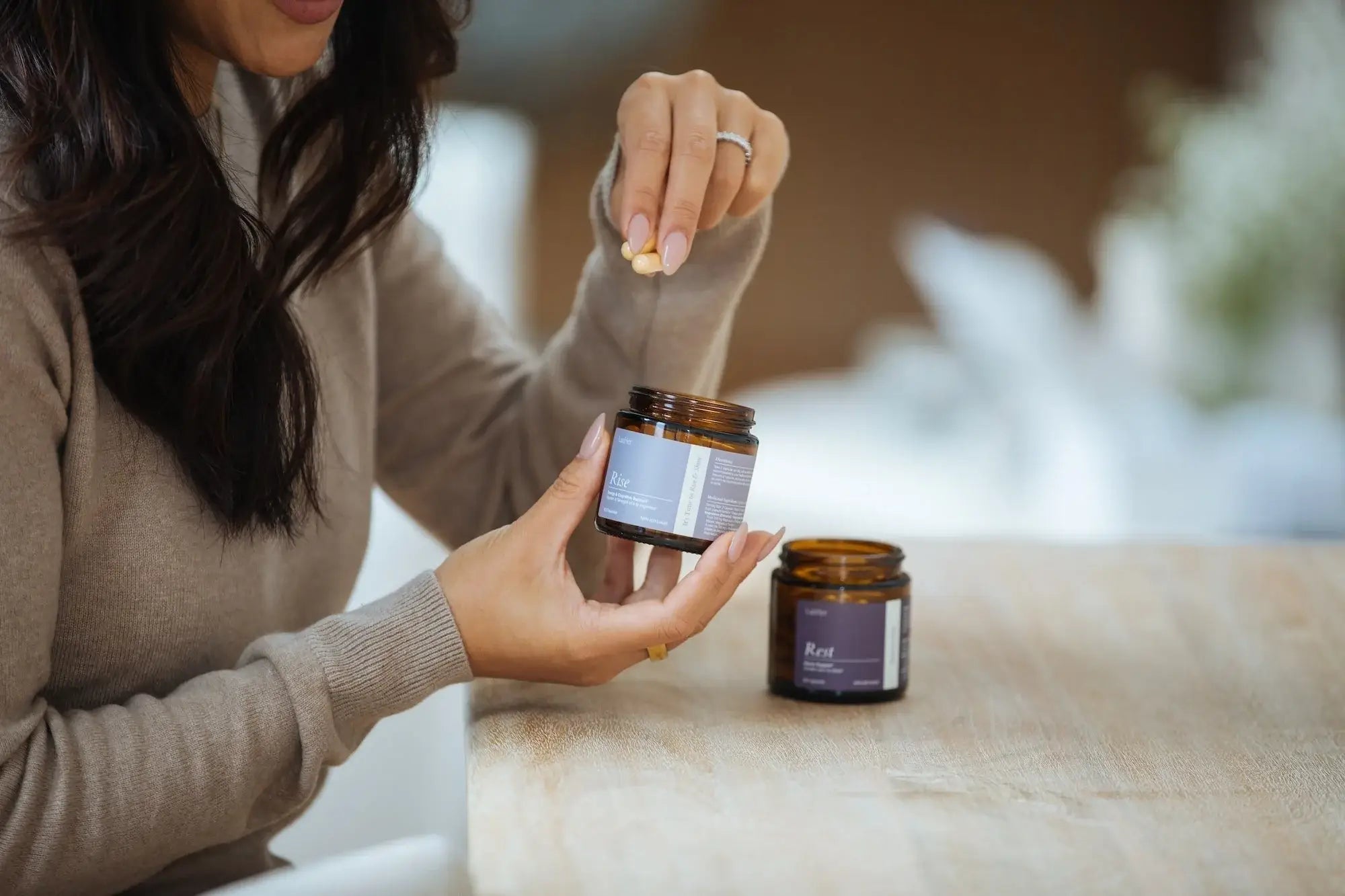
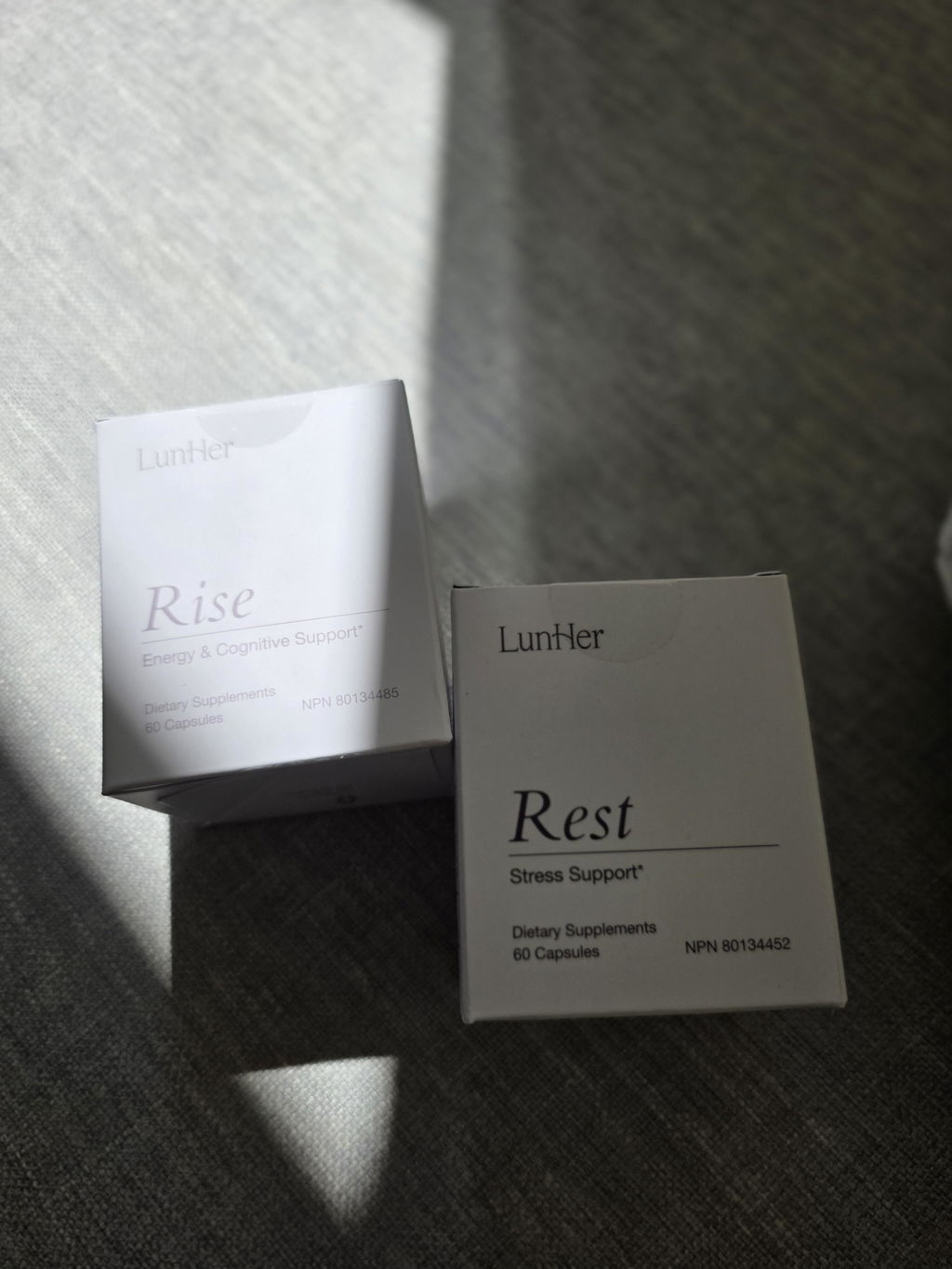
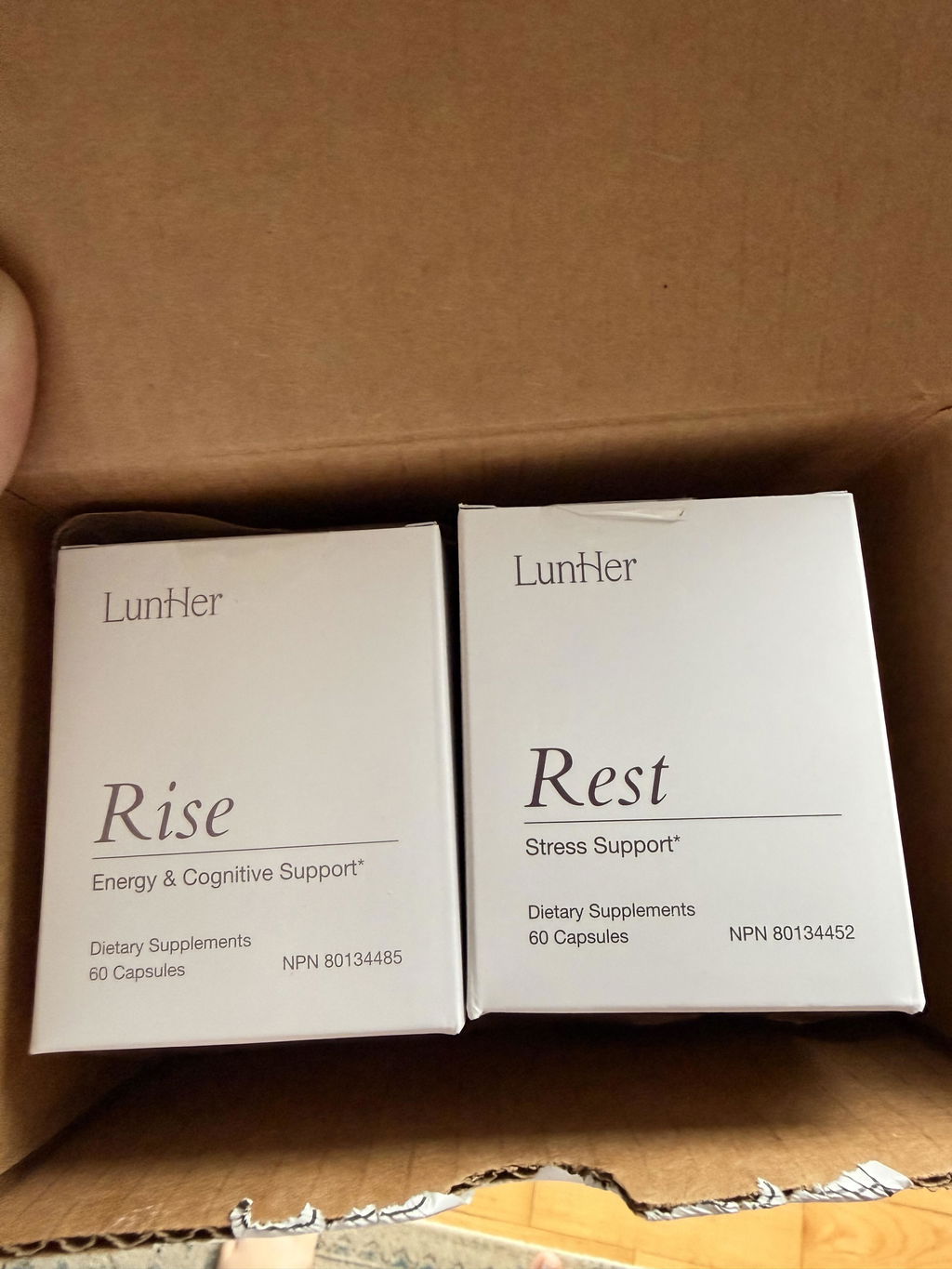
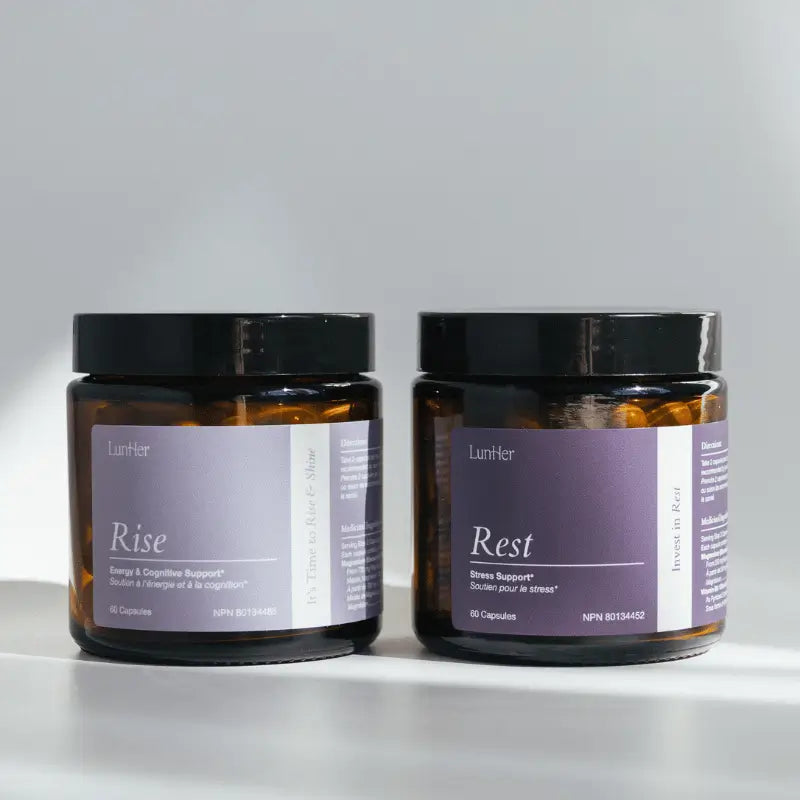
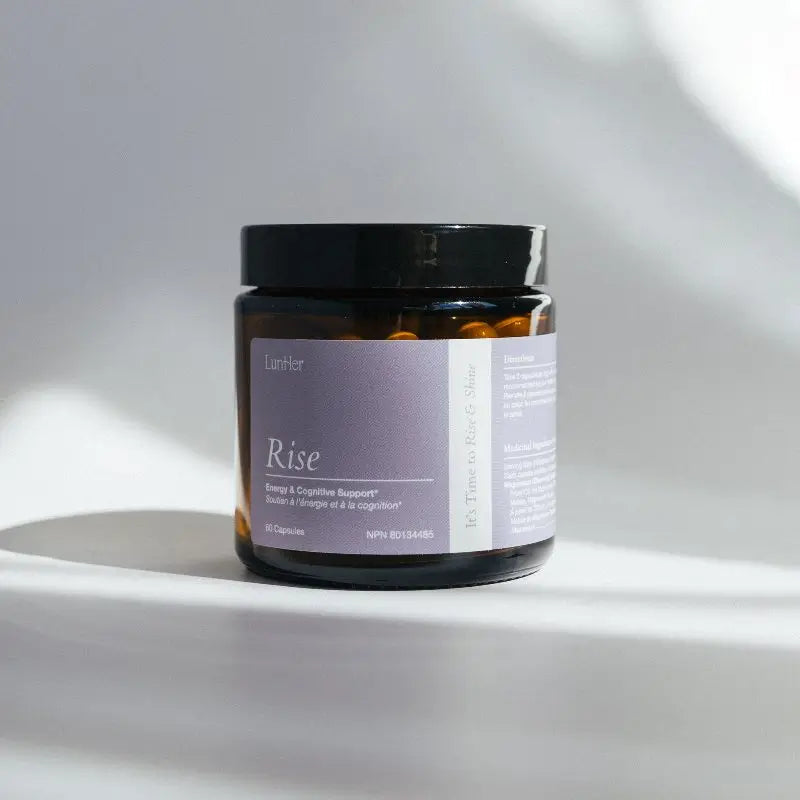
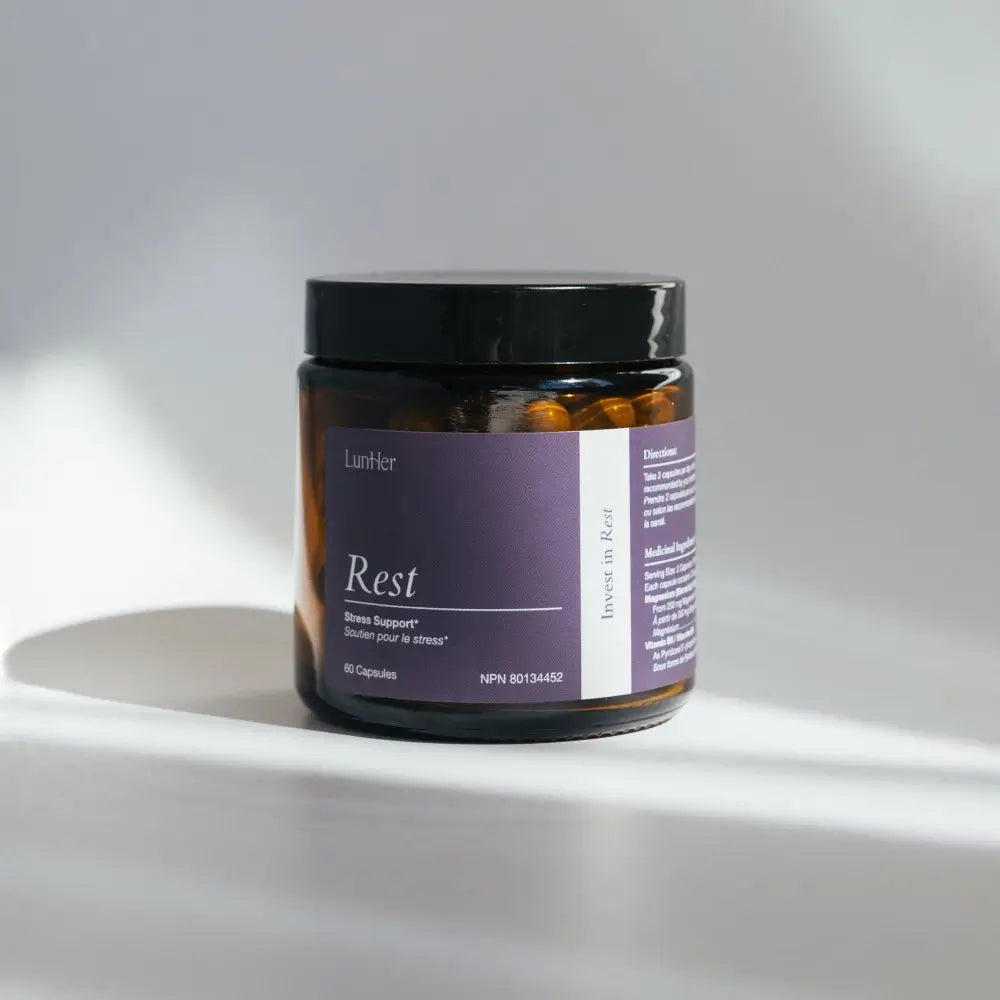
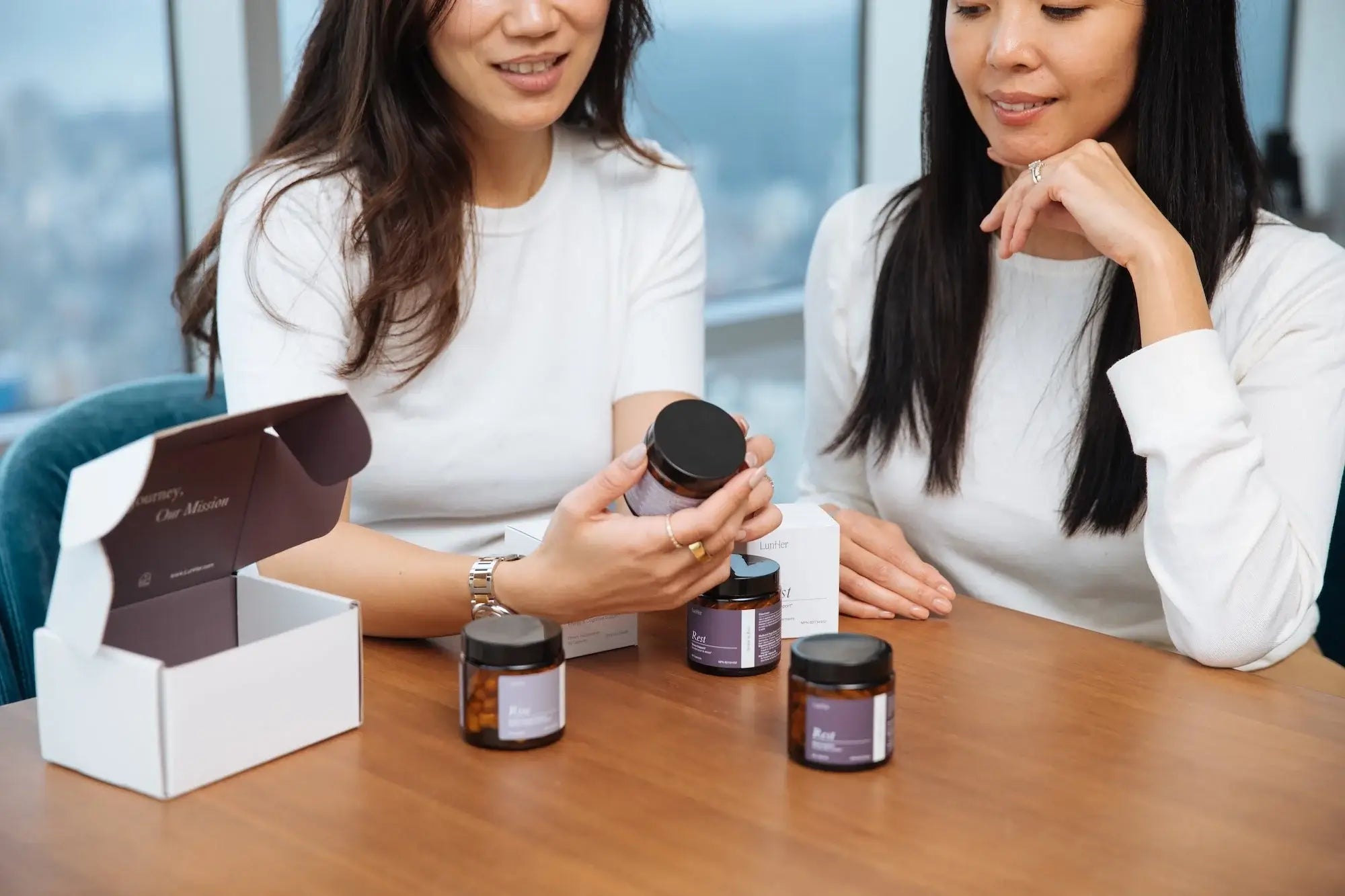
- LunHer's Daily Ritual Bundle (Rise + Rest) carries a Health Canada NPN and is third-party tested for purity and potency
Walk into any pharmacy or scroll through Instagram and you'll see hundreds of supplements promising energy, better sleep, hormonal balance, and more. Billions of capsules are sold every year. But how much of it actually works and how much of it is safe?
These aren't rhetorical questions. They matter. Especially for health-conscious women navigating chronic stress, burnout, and the overwhelming supplement marketplace.
This guide cuts through the noise. It covers how supplements are regulated in Canada (stricter than most people realise), what the science actually says about safety, and what to look for when choosing a supplement worth taking.
What Even Is a Supplement?
In Canada, what many people call "supplements" fall under the legal category of Natural Health Products (NHPs). This includes vitamins, minerals, herbal remedies, homeopathic preparations, probiotics, and amino acids. If it's sold in capsule, tablet, tincture, or powder form and makes a health claim, it's almost certainly regulated as an NHP.
These products show up in everything from traditional capsules to effervescent powders and functional teas. The variety has expanded significantly as more women look for science-backed ways to support energy, sleep, and stress resilience outside of prescription medications.
For the burnt out woman running on caffeine and willpower, supplements can be genuinely valuable. But only when formulated correctly, dosed clinically, and held to real quality standards.
How Canada Regulates Supplements And Why It Matters
Canada's regulatory framework is meaningfully different from the United States', and that difference has direct implications for safety.
The U.S. System: Reactive
In the U.S., the Dietary Supplement Health and Education Act (DSHEA) of 1994 regulates supplements as food, not drugs. Manufacturers don't need FDA pre-market approval, they decide whether their products are safe and their labels accurate. The FDA only steps in after harm is reported. A 2023 study in JAMA Network Open found that 88% of melatonin gummies were mislabelled, with some containing undisclosed CBD. That's the gap this system creates.
Canada's System: Pre-Market Review Required
Under Health Canada's Natural Health Products Regulations (2004), every NHP sold in Canada must receive a Natural Product Number (NPN) before it can legally be sold. This is fundamentally different from the U.S. framework.
To obtain an NPN, a manufacturer must submit evidence supporting the safety of the product, a rationale for any health claims being made, a complete ingredient list, dosing information, and proof of GMP-compliant manufacturing. Health Canada reviews this submission before the product reaches shelves, not after.
One important distinction: NPN approval is not the same as a drug clinical trial. Health Canada reviews the submitted evidence and assesses whether the health claims are adequately supported and the product is safe. This is a regulatory review of existing evidence, not independently conducted proof of clinical efficacy. An NPN means the burden of evidence has been met to Health Canada's standard. It does not mean every ingredient has been proven to work for every person.
That said, an NPN still represents a meaningfully higher bar than the U.S. system, where no pre-market review is required at all. Combined with third-party testing and clinical-dose formulation, it's a strong signal of a company that takes quality seriously.
LunHer's Daily Ritual Bundle (Rise + Rest) carries an NPN issued by Health Canada. This means the formulation, every ingredient, every dose, passed Health Canada's pre-market evidence review. It confirms LunHer met a regulatory standard that requires submitted safety and claims evidence before sale. It is not a guarantee of results for every individual, but it is a meaningful quality signal. Third-party tested for purity and potency. No proprietary blends. No hidden ingredients.
Good Manufacturing Practices (GMP)
Both Canadian and U.S. supplements must be manufactured in facilities following current Good Manufacturing Practices (cGMP). These standards govern raw ingredient testing, equipment sanitation, quality controls throughout production, and accurate labelling. When a company takes cGMP seriously, the result is consistent potency and a contamination-free product.
What the Science Actually Says About Supplement
Most vitamins and minerals are safe within recommended intake ranges. The problems, and there are real ones, fall into a handful of categories.
1. Toxicity From Exceeding Upper Limits
Every nutrient has a Tolerable Upper Intake Level (UL): the maximum daily dose unlikely to cause harm. Exceeding this isn't "more effective," it's potentially dangerous.
- Vitamin A: The UL is 3,000 mcg RAE (10,000 IU) for adults. Chronic excess, most often from retinol-form supplements rather than dietary sources, is associated with liver toxicity and, critically for women of reproductive age, birth defects. Form matters: beta-carotene (plant-sourced) is far safer as the body converts only what it needs.
- Calcium: Excess supplemental calcium (above 2,500 mg/day) has been associated with kidney stones and, in some studies, cardiovascular concerns. Food-sourced calcium doesn't carry the same risk profile.
- Iron: Unless deficiency is confirmed via bloodwork, high-dose iron supplementation can cause oxidative damage. It also interferes with levothyroxine absorption if taken simultaneously.
2. The Mega-Dose Myth
More is not more. With most micronutrients, the body reaches a saturation point. Additional supplementation provides no extra benefit and may cause harm. The sweet spot is the clinical dose: the amount validated in peer-reviewed human trials to produce the intended effect.
This is a core principle behind LunHer's formulations. Every ingredient in Rise and Rest is included at clinically relevant doses, not pixie-dusted to make a label look impressive, and not megadosed for marketing appeal.
3. Drug-Nutrient and Drug-Herb Interactions
This is where "natural" can become genuinely risky, and it's under-discussed.
- St. John's Wort is a potent CYP450 enzyme inducer. It accelerates the metabolism of numerous medications, including hormonal contraceptives, SSRIs, warfarin, and some antiretrovirals, potentially reducing their effectiveness to sub-therapeutic levels.
- Calcium taken simultaneously with thyroid medication (levothyroxine) or certain antibiotics reduces absorption of the medication.
- High-dose Vitamin E has antiplatelet effects and may increase bleeding risk for women taking anticoagulants or preparing for surgery.
- Magnesium at very high supplemental doses (above 350–400 mg elemental from supplements) can cause GI upset and, in rare cases with kidney impairment, cardiac effects.
The practical takeaway: keep a complete list of every supplement, prescription, and OTC medication taken, and share it at every medical appointment. Timing matters too. Some interactions are dose- and timing-dependent, not absolute contraindications.
4. Botanical Quality and Variability
Herbal products carry a layer of complexity that vitamins and minerals don't. Potency varies with growing conditions, harvest timing, extraction method, and storage. Two capsules labelled "Holy Basil 500 mg" from different manufacturers can deliver wildly different amounts of the active constituents.
This is why LunHer uses standardised extracts with verified active compound concentrations:
- Holy Basil (Organic, 20:1 extract) in Rise, equivalent to 2,000 mg dry leaf, standardised for consistent adaptogenic activity
- Passionflower, Chamomile, and Schisandra in Rest, all 10:1 standardised extracts with verified potency
A standardised extract isn't a marketing claim. It means the batch has been analytically tested to confirm the presence and concentration of the bioactive compounds that produce the clinical effect.
How to Choose a Supplement Worth Taking
| What to Look For | Red Flag / Warning Sign |
|---|---|
| Health Canada NPN on label | No NPN (or US-only, no Canadian review) |
| Third-party tested for purity & potency | No testing documentation, or "certified" without naming the certifying body |
| Ingredients listed individually with exact doses | "Proprietary blend" with no dosing breakdown |
| Clinical doses matching peer-reviewed research | Pixie-dusted amounts (ingredient listed last among 12 others) |
| Standardised herbal extracts with active compound ratios | Generic herb powder with no extract ratio or standardisation |
| Doctor or naturopath formulated and reviewed | No formulator credentials listed |
| Clear manufacturing location and contact info | Missing lot numbers, expiration dates, or contact details |
| Structure-function claims only ("supports nervous system health") | Disease claims ("cures anxiety" or "treats insomnia") |
| 60-day or longer satisfaction guarantee | No return policy or money-back guarantee |
How LunHer Approaches Supplement Safety
LunHer was designed for women who want supplements that are safe enough to trust and effective enough to actually feel. These are the standards built into every formulation:
✓ Health Canada NPN, pre-market review of submitted safety evidence and health claims before sale
✓ Third-party tested for purity, potency, heavy metals, and microbial contaminants
✓ Doctor and naturopath formulated
✓ Clinical doses in bioavailable forms, no pixie-dusting, no fillers
✓ Standardised botanical extracts with verified active compound concentrations
✓ Full ingredient transparency, no proprietary blends
✓ 60-day satisfaction guarantee
✓ Made in Health Canada-inspected, GMP-compliant facilities
The Bottom Line
Supplements can be a meaningful, effective part of a health routine. But only when manufactured to a real standard, dosed at levels the research actually supports, and taken with awareness of potential interactions.
Canada's NHP regulatory framework is one of the most rigorous in the world. An NPN means Health Canada reviewed the submitted safety evidence and assessed the health claims before the product was ever sold, a meaningful bar that the U.S. system doesn't require. To be clear about what that means: it's a review of evidence, not independent proof that every ingredient works for every person. But combined with third-party testing, clinical dosing, and transparent labelling, it represents a level of accountability that meaningfully separates credible supplements from the noise.
Questions about LunHer's formulations? Every ingredient in Rise and Rest is fully disclosed, with sourcing and dosing rationale available on request. Take our free quiz to find out if the Daily Ritual Bundle is right for you.
The information in this article is for general educational purposes only and is not intended to replace consultation with a qualified healthcare professional. Always consult a doctor or naturopath before starting any supplement, particularly if taking medications or managing a health condition. LunHer products are not intended to diagnose, treat, cure, or prevent any disease.