


How to Choose Quality Supplements: What to Look For (2026)
Written by Our Editorial Team & Medically Reviewed by Dr. Aisling Lanigan, N.D.
Key Takeaways
Supplements are meant to fill nutritional gaps, not replace a healthy diet. But when you need them, quality matters enormously.
The form of each ingredient determines how well your body can absorb and use it. Many cheap supplements use forms that are less efficiently utilized.
Dosage matters too, both getting enough to be effective and not exceeding safe limits.
Third-party testing, transparent labeling, and certifications like GMP are non-negotiables for quality assurance.
If a supplement seems too cheap to be true, it probably is. You're either paying for quality ingredients or you're not.
Walk into any pharmacy or scroll through Amazon and you'll find hundreds of supplement options, all claiming to be the best. But here's the uncomfortable truth: not all supplements are created equal. Some contain exactly what they promise in forms your body can actually use. Others? Not so much.
Knowing the difference can mean the difference between supplements that actually work and expensive urine.
Let's break down exactly what to look for and what to avoid.
Why Supplement Quality Actually Matters
You've heard the saying "you are what you eat." The same principle applies to supplements.
The nutrients from your food (and supplements) are broken down and used by your body to build cells, produce hormones, repair tissue, support brain function, and power literally everything you do. When you take a supplement, you're trusting that what's on the label is actually in the bottle, and that your body can use it.
Unfortunately, that trust isn't always warranted.
Common issues with low-quality supplements:
-
Ingredients in forms your body absorbs less efficiently
-
Doses too low to have any real effect
-
Undisclosed fillers, additives, or contaminants
-
Ingredients that don't match what's on the label
-
Poor manufacturing practices that compromise potency
The supplement industry in the United States is largely self-regulated. The FDA doesn't review or approve dietary supplements before they're sold, manufacturers are responsible for their own safety and compliance. That means the burden of finding quality products falls on you.
Food First, Supplements Second
Before we dive into what makes a good supplement, let's be clear: supplements are not meant to replace a healthy diet.
The goal is always to get nutrients from whole foods first. Eating a varied diet rich in vegetables, fruits, lean proteins, healthy fats, and whole grains is the foundation of good nutrition.
But let's be honest, modern life makes that challenging. Between dietary restrictions, food sensitivities, busy schedules, depleted soils, and increased nutritional demands (hello, stress), many of us have gaps that diet alone can't fill.
That's where thoughtful supplementation comes in. The key word being thoughtful.
What to Look For: The Form of Ingredients
This is where most people go wrong. They look at the front of the bottle, see "Vitamin B12" or "Magnesium," and assume all versions are the same.
They're not.
The form of each nutrient affects how well your body can absorb and use it. Some forms are "active" or "bioavailable", meaning your body can put them to work with minimal conversion. Others require additional steps, which not everyone's body does with equal efficiency.
B Vitamins
The B vitamin family includes eight essential vitamins, and the forms can matter, particularly for certain populations:
|
Vitamin |
Preferred Forms |
Standard Forms |
|
B2 (Riboflavin) |
Riboflavin-5-Phosphate (active) |
Riboflavin (well-converted in most people) |
|
B6 |
Pyridoxal-5-Phosphate/P5P (active) |
Pyridoxine HCl (requires conversion) |
|
B9 (Folate) |
Methylfolate, L-methylfolate, 5-MTHF |
Folic acid (requires conversion) |
|
B12 |
Methylcobalamin, Adenosylcobalamin |
Cyanocobalamin (requires conversion) |
Why this matters most for folate: Research shows that a significant portion of the population, estimates range from 40-60% depending on the population studied, has MTHFR gene variants that can impair folic acid conversion. For these individuals, methylfolate (the active form) bypasses the conversion step entirely.
For other B vitamins, healthy individuals generally convert standard forms adequately. However, active forms are a reasonable choice if you want to ensure optimal utilization regardless of your genetics.
Vitamin D
Vitamin D comes in two forms:
-
D3 (Cholecalciferol): The form your body makes from sunlight. Research confirms it's more effective at raising blood levels.
-
D2 (Ergocalciferol): Plant-derived, less efficiently utilized.
Look for D3 unless you need a vegan option (some D3 is now made from lichen).
Magnesium
Magnesium supplements vary significantly in absorption:
|
Form |
Absorption |
Notes |
|
Magnesium Glycinate |
Excellent |
Well-tolerated; glycine has calming properties |
|
Magnesium L-Threonate |
Good |
Early research shows promise for cognitive function, though evidence is still developing |
|
Magnesium Citrate |
Good |
Can have mild laxative effect at higher doses |
|
Magnesium Taurate |
Good |
Often recommended for cardiovascular support |
|
Magnesium Oxide |
Poor |
Studies show absorption can be as low as 4%; primarily useful as a laxative |
If you're taking magnesium oxide hoping to raise your tissue magnesium levels, you're likely not getting much benefit beyond digestive effects.
Minerals (General)
Look for chelated minerals, minerals bound to amino acids for better absorption. Terms like "bisglycinate," "citrate," or "chelate" indicate forms that are generally better absorbed than inorganic forms like oxides or sulfates.
Fish Oil
Quality fish oil should:
-
Come from wild-caught fatty fish (salmon, mackerel, sardines, anchovies)
-
Be tested for heavy metals, PCBs, and oxidation
-
List the specific amounts of EPA and DHA (not just total "fish oil")
Vitamin C
Here's something that surprises people: synthetic ascorbic acid is chemically identical to vitamin C found in food, and research shows it's well-absorbed by most people.
Some formulations include bioflavonoids, which may enhance certain antioxidant effects. However, for most people, standard ascorbic acid works well. The bigger quality concerns with vitamin C are dose and freshness (it can degrade over time).
What to Look For: Potency and Dosage
Having the right form is only half the equation. You also need the right amount.
Check Against RDA or Clinical Doses
Look for supplements that provide doses aligned with:
-
Recommended Daily Allowance (RDA): The amount needed to meet nutritional requirements for most healthy people
-
Clinically studied doses: The amounts shown to be effective in research
Many supplements contain "fairy dust" amounts, just enough to list on the label, but not enough to actually do anything meaningful.
Watch for Proprietary Blends
If a label lists a "proprietary blend" without specifying individual ingredient amounts, that's a red flag. You have no way of knowing if you're getting effective doses or mostly filler.
More Isn't Always Better
On the flip side, some supplements contain unnecessarily high doses that exceed what your body can use, or what's safe. Fat-soluble vitamins (A, D, E, K) can accumulate, and excessive doses of certain nutrients can cause problems.
Look for supplements that use optimal doses based on research, not megadoses designed to look impressive on the label.
What to Look For: Purity and Quality
Third-Party Testing
Reputable supplement companies use independent, third-party laboratories to verify:
-
Label accuracy: What's on the label is actually in the product
-
Potency: Ingredients are present at the stated amounts
-
Purity: No contaminants like heavy metals, pesticides, or microbes
-
Stability: The product maintains quality through its expiration date
If a company doesn't mention third-party testing, ask why.
Certifications to Look For
-
GMP (Good Manufacturing Practices): Ensures consistent production quality and safety
-
NSF Certified: Independent verification of quality and purity
-
USP Verified: Meets United States Pharmacopeia standards
-
Health Canada NPN (Natural Product Number): In Canada, supplements must be reviewed and licensed before sale, a more rigorous process than in the US
Transparent Labeling
Quality supplements clearly list:
-
Every ingredient and its specific form
-
Exact amounts of each ingredient (no proprietary blends)
-
Other ingredients (fillers, binders, capsule materials)
-
Allergen information
-
Manufacturing location
What to Avoid
Less Effective Ingredient Forms
-
Folic acid if you have MTHFR variants (methylfolate is safer for everyone)
-
Cyanocobalamin if you want the active form (methylcobalamin bypasses conversion)
-
Magnesium oxide if your goal is raising magnesium levels (poorly absorbed)
-
Non-chelated minerals when chelated options are available
Additives Worth Questioning
This is where we need to be nuanced. Many common additives are "generally recognized as safe" (GRAS) by regulatory agencies. However, some have more legitimate concerns than others:
More concerning:
-
Titanium dioxide: A whitening agent that has been banned in the EU for food use due to potential genotoxicity concerns
-
Artificial colors (FD&C dyes): Some research links certain dyes to behavioral effects, particularly in children
-
Hydrogenated oils: Trans fats with established health concerns
Less concerning but worth avoiding if you prefer clean formulations:
-
Magnesium stearate: A flow agent; research suggests it's safe at typical amounts, but some prefer to avoid it
-
Silicon dioxide: An anti-caking agent generally considered safe, though unnecessary
-
Maltodextrin: A cheap filler that offers no nutritional benefit
The point isn't that every additive is dangerous, it's that quality supplements often don't need them. When cleaner options exist, why not choose them?
Red Flags
-
Proprietary blends that hide individual doses
-
No third-party testing mentioned
-
Manufactured in facilities without GMP certification
-
Suspiciously cheap prices (quality ingredients cost money)
-
Exaggerated health claims that sound too good to be true
Before You Buy: A Checklist
✅ Check the forms, Are key ingredients in well-absorbed forms?
✅ Check the doses, Are they consistent with RDA or clinical research?
✅ Check for testing, Is there third-party verification?
✅ Check the "other ingredients", Any unnecessary additives?
✅ Check for allergens, Any ingredients you're sensitive to?
✅ Check your current supplements, Will this cause overlap or excessive intake of any nutrient?
✅ Check with your doctor, Especially if you're pregnant, breastfeeding, taking medications, or managing health conditions
How to Store Supplements
Even high-quality supplements can degrade if stored improperly.
General guidelines:
-
Store in a cool, dark place (not the bathroom, too humid)
-
Keep away from direct sunlight
-
Check for specific storage instructions (some require refrigeration)
-
Don't use supplements past their expiration date
-
Keep containers tightly sealed
The Bottom Line
Not all supplements are created equal, and the difference between a high-quality supplement and a cheap one isn't just price. It's whether your body can actually absorb and use what you're taking.
Look for bioavailable forms, research-backed doses, third-party testing, transparent labeling, and manufacturing certifications. Avoid proprietary blends and companies that can't tell you exactly what's in their products and how they verify quality.
Your body deserves better than guesswork. So does your wallet.
How LunHer Meets These Standards (And Then Some)
If you've made it this far, you might be wondering: does LunHer actually practice what we preach?
The short answer: absolutely. We built LunHer specifically because we were frustrated with the supplement industry's lack of transparency and quality. Here's how we hold ourselves to a higher standard:
Our Formulation Standards
-
Research-backed ingredients: We select ingredients supported by clinical research, and we're transparent about the depth and rigor of available evidence
-
Bioavailable forms: We use high-quality ingredients in their most absorbable formats, including methylated B vitamins and chelated minerals
-
Optimal dosages: Our doses are consistent with clinical testing and doctor recommendations, effective amounts, not fairy dust
-
No corner-cutting: We don't compromise by using cheaper or fewer ingredients to save money
Our Quality Assurance
Health Canada Approved
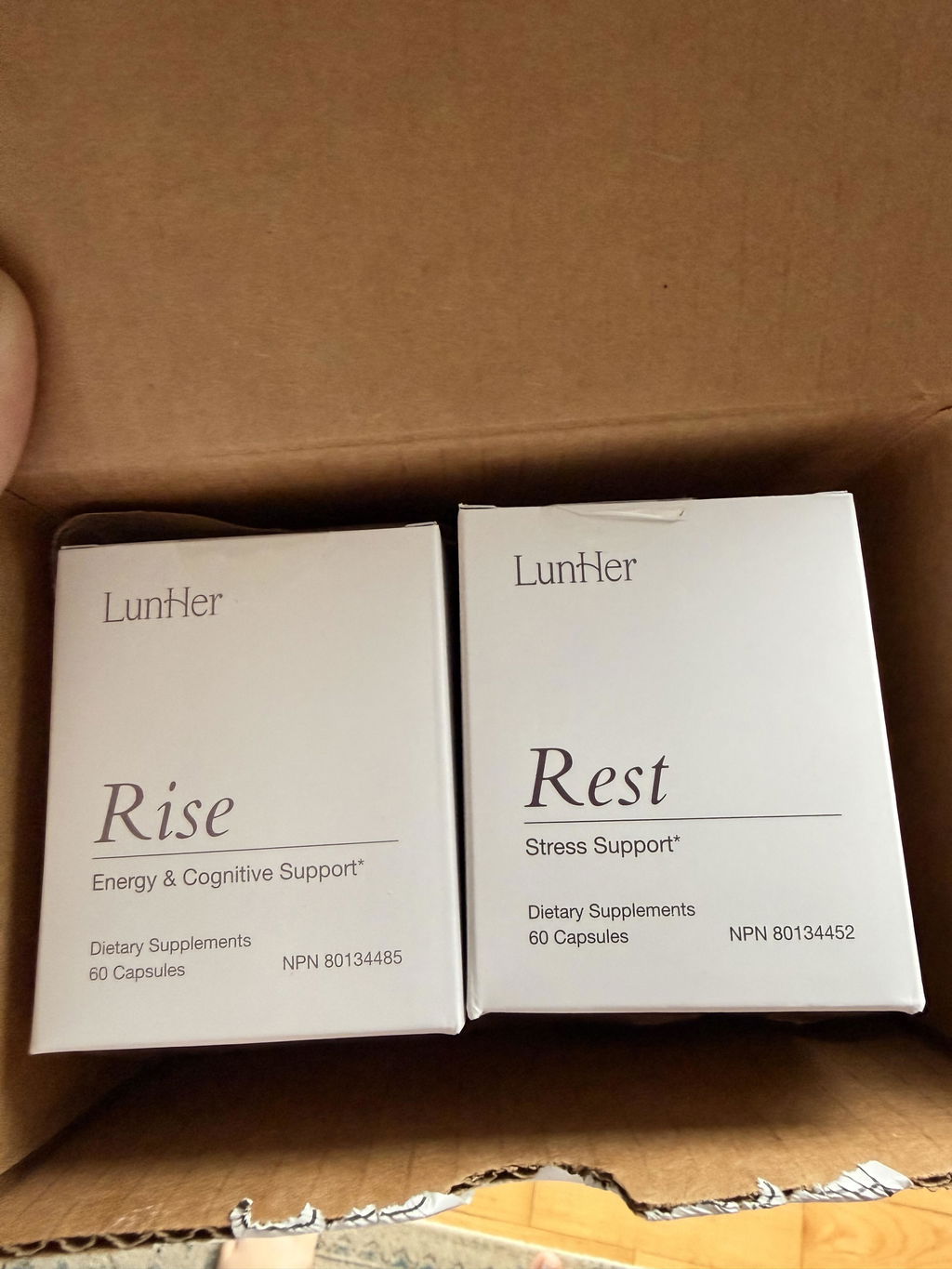
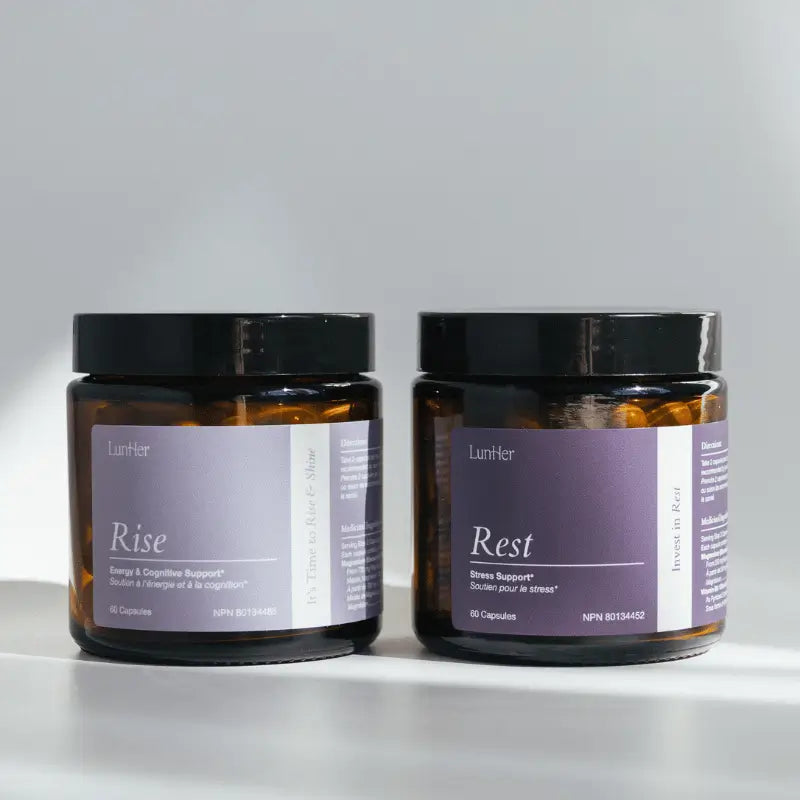
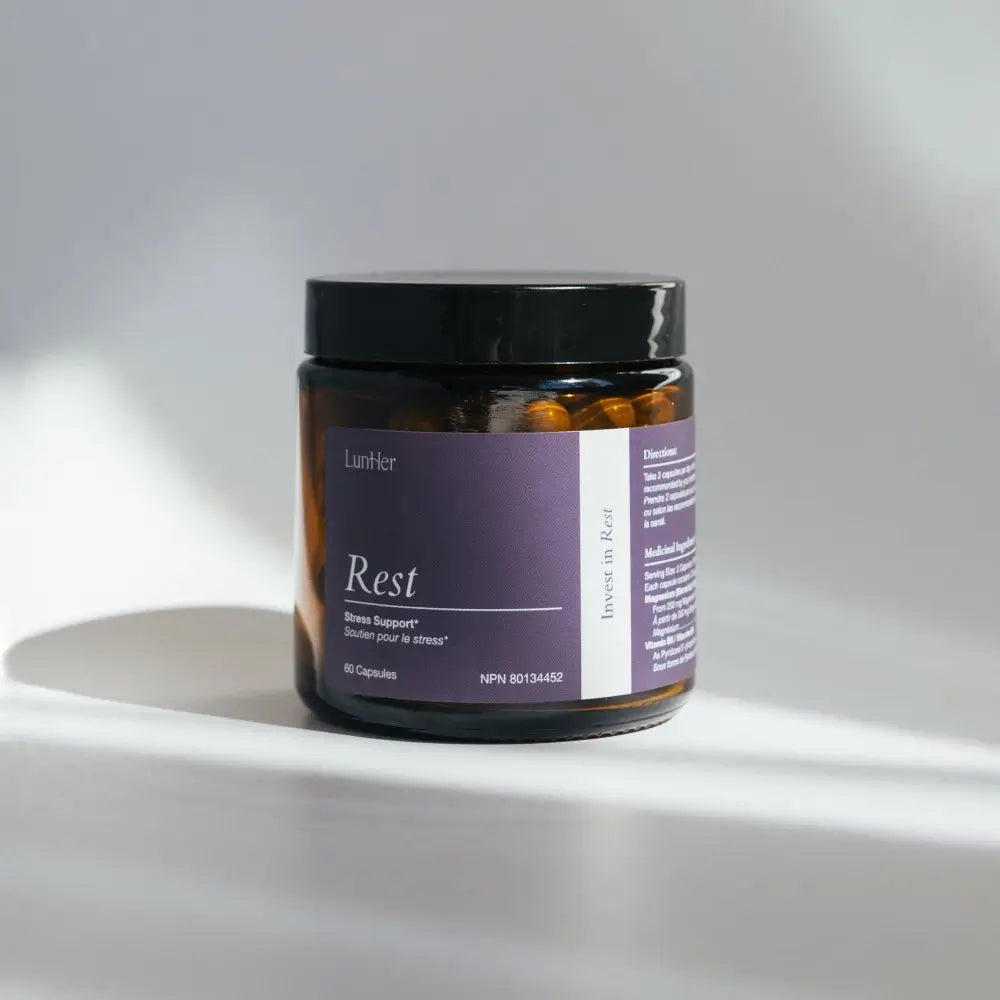
Unlike the US, Canada requires regulatory approval before supplements can be sold. Our products go through Health Canada's rigorous review process for safety, efficacy, and quality. Each product is assigned a Natural Product Number (NPN), something US supplements don't require.
cGMP-Certified Manufacturing
Our products are made in Canada at facilities certified for Good Manufacturing Practices. These FDA-registered facilities follow strict regulations for equipment, safety, personnel, hygiene, and consistency.
Triple-Tested for Quality
Every product undergoes three rounds of testing:
-
Raw Material Testing: All ingredients are quarantined and tested for purity and microbial contamination before use
-
In-Process Testing: Products are tested at multiple points during production
-
Third-Party Finished Product Testing: Independent labs verify ingredient specifications, purity, potency, and absence of contaminants (heavy metals, microbes)
Every batch goes through all three stages. No exceptions.
Our Non-Negotiables
Our products are free of:
-
Artificial colors, flavors, and sweeteners
-
Titanium dioxide and carrageenan
-
Synthetic additives that offer no nutritional benefit
-
Hydrogenated oils
-
Harmful fillers and flow agents
Our Promise
We're not just selling supplements, we're building trust. That means:
-
Transparent labeling with exact forms and doses
-
Honest communication about what our products can (and can't) do
-
Staying current with the latest research to continuously improve our formulations
-
Listening to your feedback and putting your needs first
And if you're not satisfied? We offer a 60-day guarantee. If you don't feel the difference, we'll refund your first bottle, no questions asked.
Because we believe you shouldn't have to guess whether your supplements are actually working.
Learn More About Our Standards →
The information in this article is for general educational purposes only and is not intended to replace consultation with a qualified healthcare professional. Always consult a doctor or naturopath before starting any supplement, particularly if taking medications or managing a health condition. LunHer products are not intended to diagnose, treat, cure, or prevent any disease.