



Is "Adrenal Fatigue" Real? Everything You Need to Know
Written by Our Editorial Team & Medically Reviewed by Dr. Aisling Lanigan, N.D.
Key Takeaways
- "Adrenal fatigue" is not an official medical diagnosis. It's a general term used to describe non-specific symptoms
- True adrenal insufficiency is a serious medical condition diagnosed with blood tests and imaging. It's different from what's called "adrenal fatigue"
- If you have persistent symptoms like fatigue, body aches, or sleep problems, work with your healthcare provider to explore actual causes and get appropriate treatment
If you've been dealing with exhaustion, difficulty sleeping, brain fog, or feeling overwhelmed by stress, you may have come across the term "adrenal fatigue" online.
It's everywhere, wellness blogs, supplement ads, and alternative health websites all talk about burned-out adrenal glands causing your symptoms.
But here's what you need to know: Adrenal fatigue isn't an official medical diagnosis.
That doesn't mean your symptoms aren't real or that you're imagining how terrible you feel. It means the explanation you've been given isn't supported by medical evidence.
What Is "Adrenal Fatigue"?
"Adrenal fatigue" is a general term used to describe a group of non-specific symptoms. These symptoms aren't unique to any single condition. They could be caused by many different things.
Common symptoms associated with "adrenal fatigue" include:
- Feeling very tired
- Trouble sleeping
- Difficulty waking up or getting out of bed
- Cravings for salt or sugar
- Body aches
- Weakness
- Needing caffeine or sugar to get through the day
The idea behind "adrenal fatigue" is that chronic stress causes the adrenal glands to become overworked and unable to keep up with the body's demands. According to this theory, the adrenal glands can't produce enough hormones, leading to the symptoms listed above.
What About Real Adrenal Problems?
There IS a real medical condition that affects the adrenal glands. It's called adrenal insufficiency (sometimes called Addison's disease), and it's very different from "adrenal fatigue."
What Is Adrenal Insufficiency?
The adrenal glands sit on top of your kidneys. These small glands make several important hormones that your body needs to function. When the adrenal glands don't make enough of these hormones, that's adrenal insufficiency.
Adrenal insufficiency can happen due to:
- Disease or damage to the adrenal glands themselves
- Problems with the pituitary gland (which tells the adrenal glands what to do)
- Surgery or radiation treatment affecting these glands
- Long-term use of certain medications
- Other medical conditions
Symptoms of true adrenal insufficiency include:
- Feeling very tired
- Significant, unintentional weight loss
- Loss of appetite
- Nausea and vomiting
- Low blood pressure (which can cause dizziness or fainting)
- Lightheadedness
- A change in skin color, called hyperpigmentation (skin darkening, especially in skin folds, scars, or areas exposed to pressure)
- Craving salt
- Depression
How Adrenal Insufficiency Is Diagnosed
Adrenal insufficiency can be diagnosed with specific medical tests:
- Blood tests that check the levels of adrenal hormones in your body
- Imaging exams like a CT scan or MRI to look at the adrenal glands
These tests provide clear, objective evidence of whether your adrenal glands are functioning properly.
This is very different from "adrenal fatigue", which has no specific diagnostic tests.
What to Do If You Have These Symptoms
If you're dealing with persistent tiredness, weakness, sleep problems, or other symptoms that won't go away, here's what to do:
1. Talk to Your Healthcare Provider
Don't settle for a vague label. Work with your doctor or healthcare team to:
- Discuss all your symptoms in detail
- Get appropriate medical testing to rule out thyroid problems, anemia, vitamin deficiencies, diabetes, and other conditions
- Explore whether your symptoms could be related to sleep disorders, depression, anxiety, or chronic stress
- Review your medications to see if any could be causing side effects
2. Be Open to Different Causes
Your symptoms might not have one single cause. Often, multiple factors contribute. Poor sleep, nutrient deficiencies, chronic stress, and underlying medical conditions can all play a role.
3. Focus on Lifestyle Changes That Actually Help
While you're working with your healthcare provider to identify the root cause, there are evidence-based lifestyle changes that can help you feel better:
Prioritize sleep:
- Aim for 7-9 hours per night
- Keep a consistent sleep schedule
- Create a relaxing bedtime routine
- Make your bedroom cool, dark, and quiet
Manage stress:
- Practice stress-reduction techniques (deep breathing, meditation, yoga)
- Set boundaries at work and in relationships
- Make time for activities you enjoy
- Connect with supportive friends and family
Support your body's needs:
- Eat regular, balanced meals with plenty of vegetables, whole grains, and lean protein
- Stay hydrated
- Limit caffeine and alcohol
- Move your body regularly (walking, swimming, yoga, strength training)
- Consider whether you need nutritional support (B vitamins, magnesium, vitamin D)
4. Be Patient With the Process
Finding the real cause of persistent symptoms takes time. It may require multiple tests, trying different treatments, and working with specialists.
But this process is worth it, because treating the actual cause of your symptoms will lead to real, lasting improvement.
How LunHer Can Support You
Chronic stress absolutely affects your body and supporting your nervous system during stressful periods can make a real difference in how you feel.
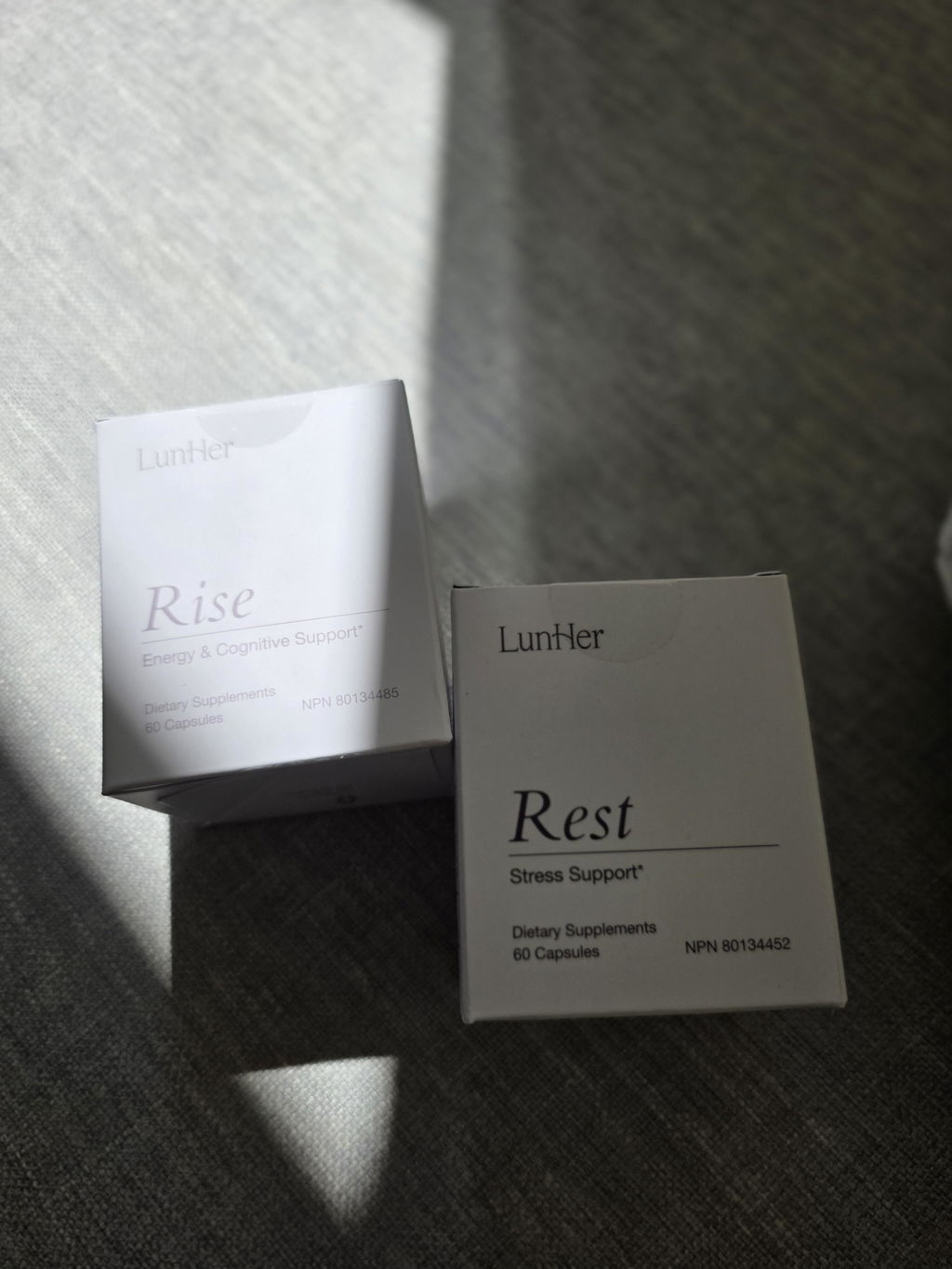
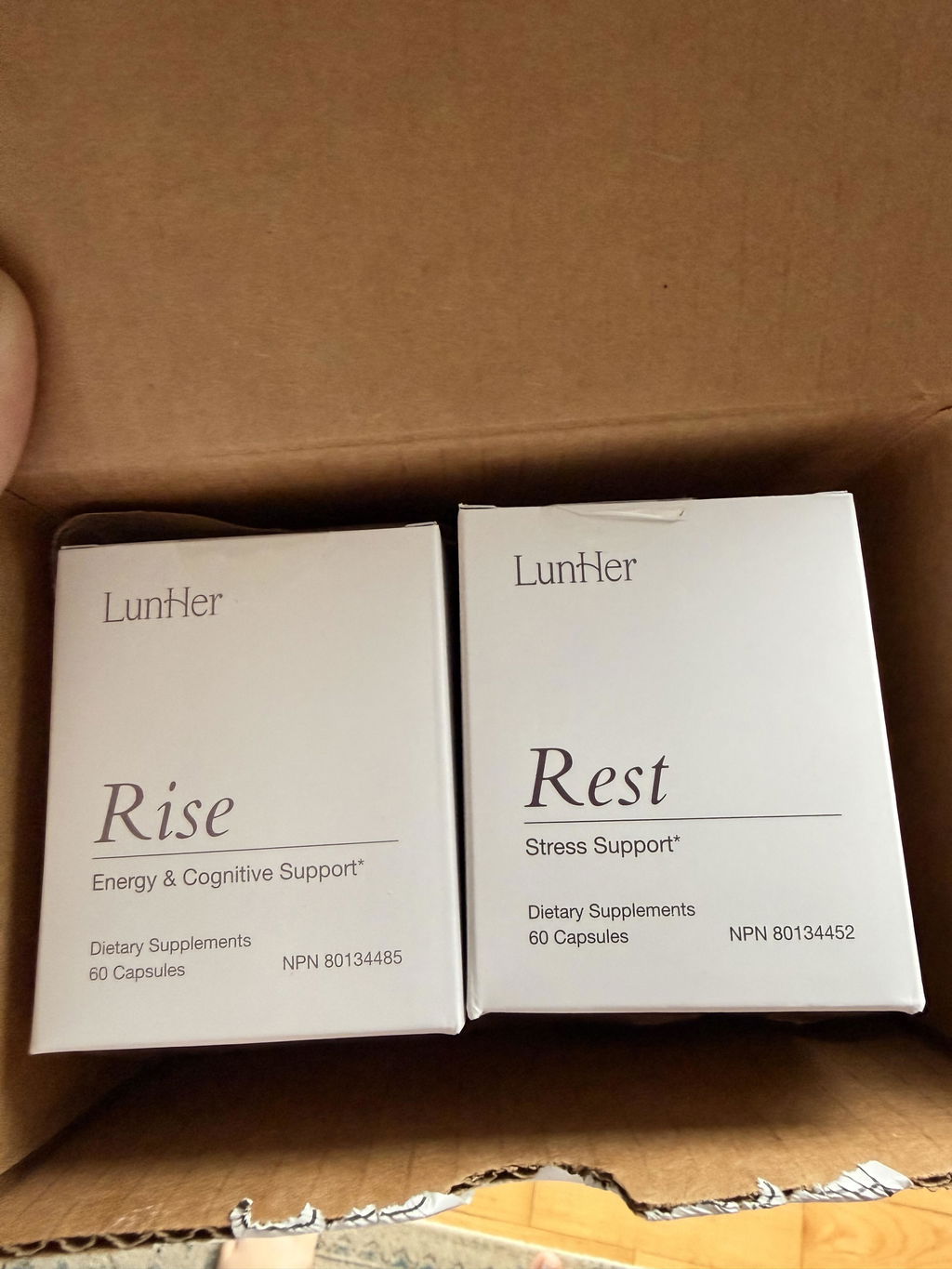
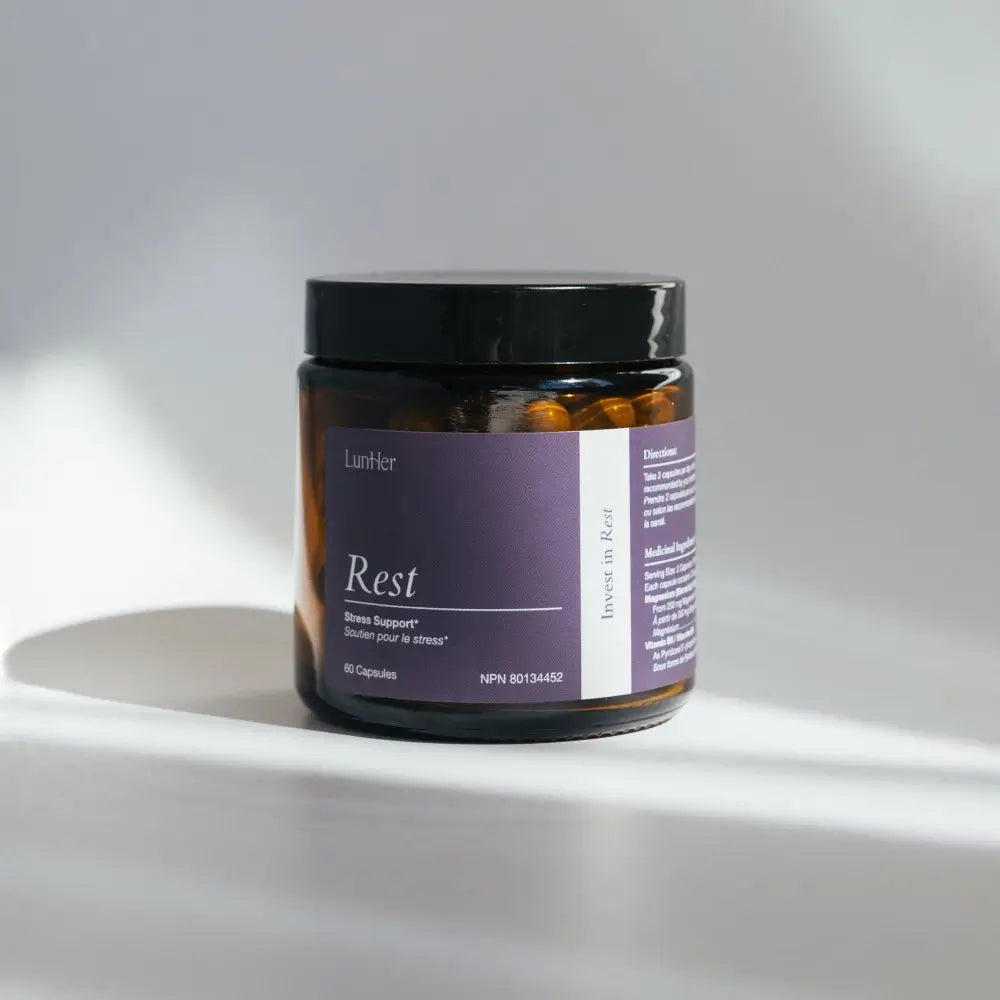
LunHer's Daily Ritual Bundle is designed to support your nervous system, energy, and sleep during times of chronic stress:
- Four forms of magnesium (L-threonate, malate, taurate) for energy production and stress resilience
- B-complex vitamins in active forms (P-5-P, methylfolate, hydroxocobalamin) for neurotransmitter production
- Holy Basil, an adaptogenic herb studied for stress support
- CoQ10 for cellular energy
- Vitamin D3 for immune function
- Magnesium bisglycinate for relaxation and sleep support
- L-Theanine to promote calm without drowsiness
- Passionflower, Chamomile, and Schisandra—herbs traditionally used for nervous system support and sleep
- B vitamins to support nighttime recovery
This isn't a cure for adrenal fatigue. It's nutritional support for women dealing with the very real effects of chronic stress, poor sleep, and burnout.
The Bottom Line
Adrenal fatigue isn't an official medical diagnosis, but that doesn't mean your symptoms aren't real. It doesn't mean you should just push through or accept feeling terrible.
The information in this article is for general educational purposes only and is not intended to replace consultation with a qualified healthcare professional. Always consult a doctor before making changes to your health regimen, particularly if you have existing medical conditions or are taking medications.