
12 Best Vitamins and Supplements For Energy and Fatigue
Whether you’re getting ready for a big day, powering through work, or hitting the gym, caffeine is a time-tested source of energy. And don’t get us wrong, we love our morning cups of coffee but when used excessively, caffeine can have unpleasant side effects. Luckily, there are alternatives available that can help boost your energy levels and decrease fatigue.
Key Takeaways
- There are many things that can cause fatigue so it’s important to identify the root cause.
- There are various vitamins and supplements that can help you feel more energized and motivated to tackle your health goals.
- While supplements can help, it’s also important to make sure you’re maintaining a healthy lifestyle and meeting your body’s basic needs.
Understanding the drawbacks of caffeine
While caffeine can offer a short term solution for energy, in the long run it can actually make you feel more exhausted. If you’re frequently using it, you could also develop a dependency and need increasing amounts to achieve the same effect. Additionally, treating the symptoms and fatigue, the underlying cause might still remain. Fatigue is a complicated and diverse set of symptoms and there are many things that can cause it so identifying the reason you feel tired is key. There are various vitamins and supplements that can help you feel more energized and motivated to tackle your health goals.
Even if you're not excessively drinking coffee, it's helpful to know that there are vitamins and supplements you can take to feel energized over the course of the day. Clinical research has shown that vitamins, minerals, and supplements can offer an energy boost without the risk of dependence or side effects associated with caffeine.
Here are 12 supplements that you may consider taking to help boost your energy levels throughout the day:
1. Vitamin B-12
Vitamin B-12 is responsible for forming red blood cells, which transport oxygen in the blood throughout the body. This oxygen is then used for energy production. This vitamin also plays an important role in neurological function. According to guidance published by the National Institute of Health in 2016, if you don’t consume enough vitamin B12 in your diet, you will be at a greater risk of fatigue, weakness, or weight loss.
Vitamin B12 is commonly found in fish, meat, eggs, and dairy. Therefore, vegetarians and vegans are likely to have low amounts of this vitamin. Individuals that are at risk include older adults and people with digestive issues, due to the fact that they may be less capable of absorbing the B12 they consume.
If you are feeling fatigued, eating foods rich in vitamin B12 or taking a supplement might just boost your energy levels.
2. B Vitamins
The B vitamins play a key role in the processes that convert food into energy. Vitamins B6 and B12 are also essential in the formation of red blood cells. It’s important to note that alcohol intake and stress levels may negatively impact your levels of B vitamins. In addition, a diet low in B vitamins can lead to increased levels of perceived stress and poor mood.
Similar to Vitamin B12, vegans and vegetarians may be at greater risk of deficiencies since animal-based foods are generally the best sources of most B vitamins.
3. Vitamin C
Vitamin C is an important antioxidant that combats oxidative stress. It is also important for the nervous system as it helps regulate energy metabolism in neurons.
Compared to other nutrients in the body, vitamin C is not stored in high amounts. The exception to this is the adrenal glands, which have a high concentration of vitamin C in storage. Vitamin C helps the adrenal glands maintain normal functions, including responding to stress and producing cortisol, which is necessary in balanced amounts to maintain energy levels.
4. Vitamin D
Vitamin D is essential for a healthy immune system, bone growth, and the production of reproductive hormones. Most individuals in Canada and the US are not getting enough vitamin D due to a lack of sun exposure. Research has shown that there is a correlation between low vitamin D levels and fatigue. One study found that vitamin D deficiency was more common in people with fatigue, and correcting vitamin D levels in those people through vitamin D supplementation improved energy levels.
There is still some debate about vitamin D levels and various health conditions so make sure you consult your doctor to understand if and how much vitamin D supplementation may be appropriate for you.
5. Magnesium
Magnesium is one of the most abundant minerals in the body and is required for more than 300 different biochemical reactions, including muscle and nerve function and energy production. It is commonly found in foods like fish, almonds, and dark leafy greens.
If difficulty falling asleep is contributing to your fatigue, a magnesium supplement could be beneficial. One study found that magnesium has been shown to help you fall asleep naturally.
6. Iron
Iron is an essential mineral that helps oxygen circulate throughout the body. It is also necessary for the body’s cells to function and develop properly. Iron deficiency is the primary cause of anemia, which can impair cognitive abilities, decrease immunity, and negatively impact work performance.
Individuals who are pregnant, menstruating, vegetarian, or vegan are more likely to have iron deficiency. Meat and seafood are excellent sources of iron but you can also get iron from nuts, beans, lentils, and spinach if you have dietary restrictions. If necessary, iron supplements can help maintain proper levels of iron, but be mindful that iron supplements can cause severe side effects when taken in excess.
If you are looking to boost energy you should not just take iron as a supplement. Iron is necessary when there is low iron in the blood. Make sure to consult with your doctor or dietitian before supplementing with iron and also get iron and related blood markers tested first.
7. Rhodiola Rosea
Rhodiola rosea is a botanical supplement that has been used in traditional medicine in Eastern Europe and Asia for centuries. It is classified as an adaptogen, a group of botanical supplements that protect the body against the effects of physical and mental stress. According to clinical research, it can help you feel more alert, manage occasional stress, and also improve mood.
If your exhaustion is related to intense physical activity, rhodiola supplementation may be beneficial. One study found that it helped improve endurance while exercising, as well as assist in recovery afterwards.
There is still more scientific research that needs to be done but rhodiola could become an increasingly popular tool for improving quality of life.
8. Ashwagandha
Ashwagandha has been used for over 3,000 years and has a wide variety of names. It’s an herb that grows in the Mediterranean and across the Middle East, Africa, India, and Pakistan. In traditional Indian medicine, it has been praised for its ability to help the body adapt to stress. In 2012, a clinical trial showed that ashwagandha reduced blood levels of cortisol, which is known as the “stress hormone”. The participants in the study also noted a significant reduction in stress after 60 days.
Therefore, if stress is the cause of your fatigue, you might want to consider ashwagandha.
9. Melatonin
Melatonin is clearly linked to energy levels and it is well known as a hormone that helps us fall asleep. The body produces it in response to darkness and consequently, light disrupts production of melatonin.
When taking melatonin, side effects are rare and if they do occur they tend to be mild, such as sleepiness during the day. There is also no risk of addiction or dependence on melatonin and taking it will not decrease your body’s natural production or sensitivity to the hormone.
10. Creatine
Creatine is most commonly used among athletes and fitness enthusiasts to enhance energy levels during intense physical activity. It is an amino acid that the body naturally produces and stores in the muscles. It plays a crucial role in the production of ATP, which is the primary source of energy for the muscles.
Taking creatine supplements can help individuals increase the storage of creatine in the muscles, allowing for more efficient ATP production during exercise. This can lead to improved performance and endurance, enhanced energy levels, and better post-workout recovery.
Supplementation with creatine is generally safe and well-tolerated. In fact, keeping up with consistent daily supplementation of creatine is recommended to maintain muscle stores saturated with creatine.
11. CoQ10
CoQ10 is naturally produced in the body and functions as an energy transfer molecule. It acts as a cofactor in a series of reactions involved in ATP (energy) production. It plays a role in muscle regeneration, immune and nervous system function, cardiovascular health, and may slow signs of aging.
The antioxidant properties of CoQ10 support combatting the large amount of oxidative stress that naturally occurs in the energy production process inside cell mitochondria. CoQ10 deficiencies can lead to lower energy levels, and particularly muscle fatigue.
12. Citrulline
Citrulline is commonly included in pre-workout supplements or as a supplement alone to support energy levels. It may also help increase the production of ATP in the body to help improve strength and power output during exercise. According to one study, citrulline may increase aerobic energy levels during exercise and improve exercise recovery.
Other studies show that citrulline can boost nitric oxide production which improves blood flow to the muscles and can lead to improved endurance during exercise.
The Bottom Line
Supplements can help you stay alert and energized throughout the day, but they’re no substitute for your body’s basic needs. It’s important to make sure you’re getting adequate sleep, maintaining a healthy diet, staying hydrated, and staying active. If you’re regularly doing all of these things and you still feel run down, you might want to try taking one of these supplements. They offer more than a temporary fix and can set you up for long-term wellness. However, before taking any supplements, always consult with your physician.
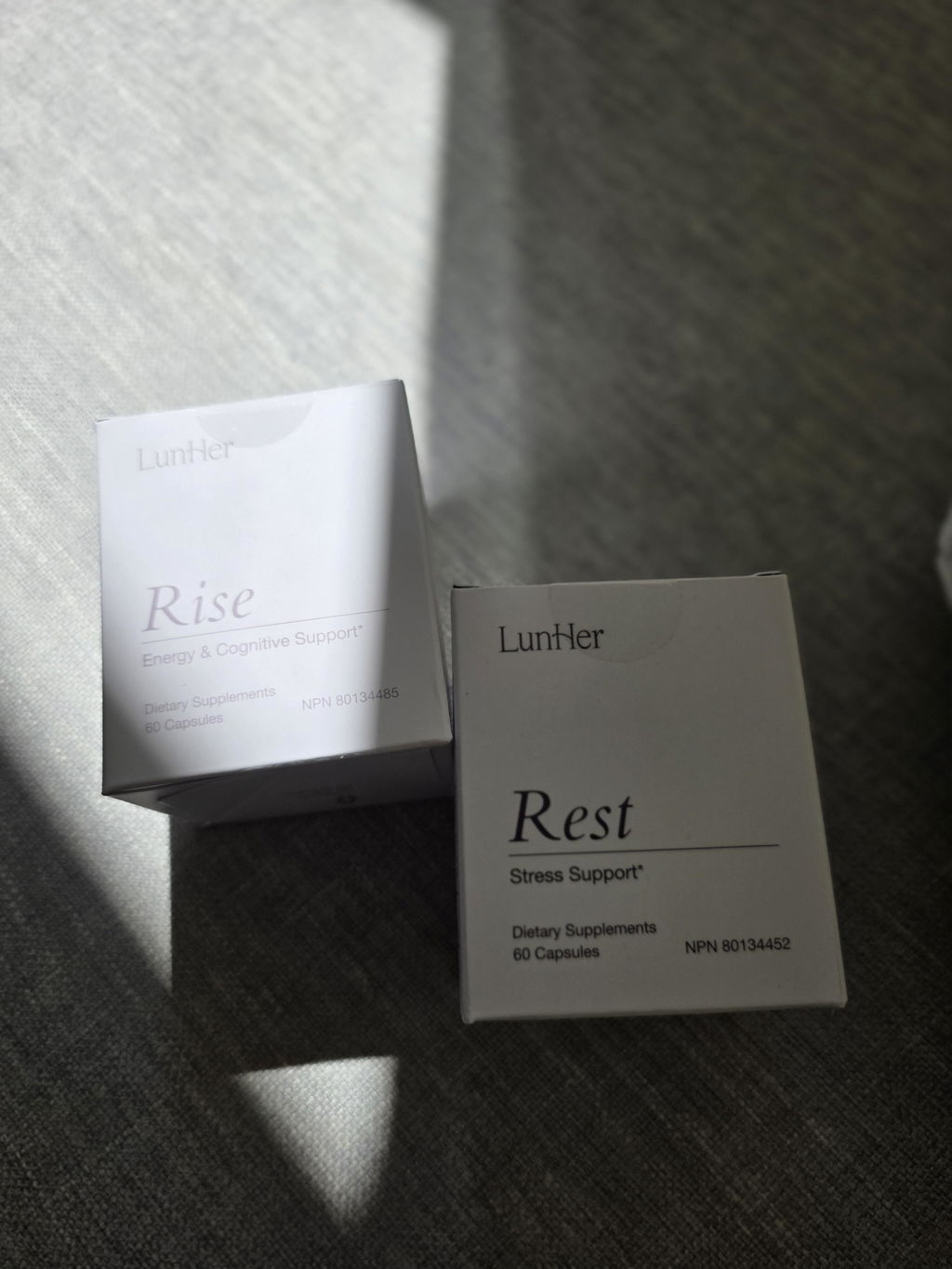
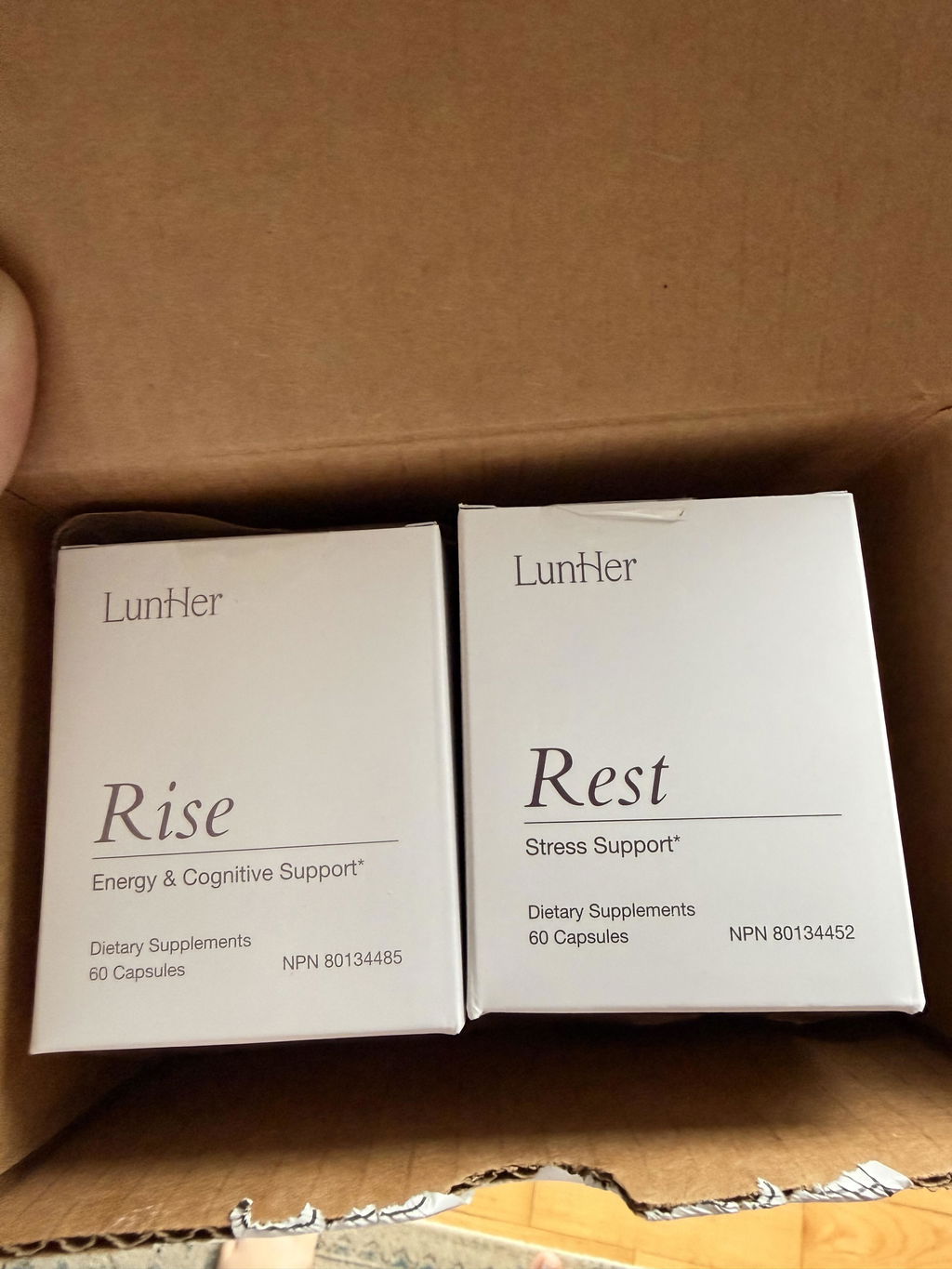
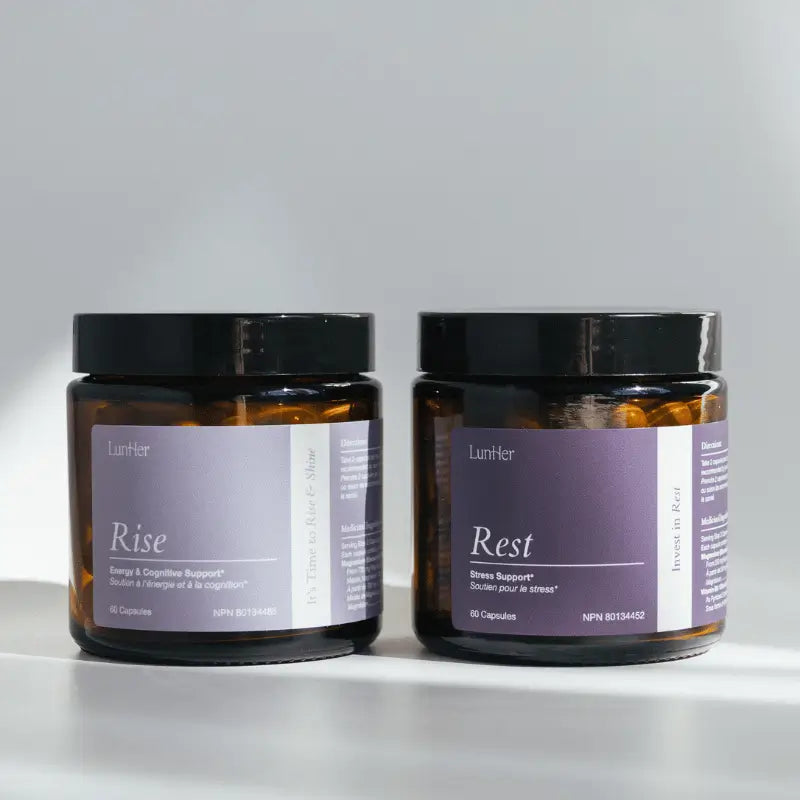
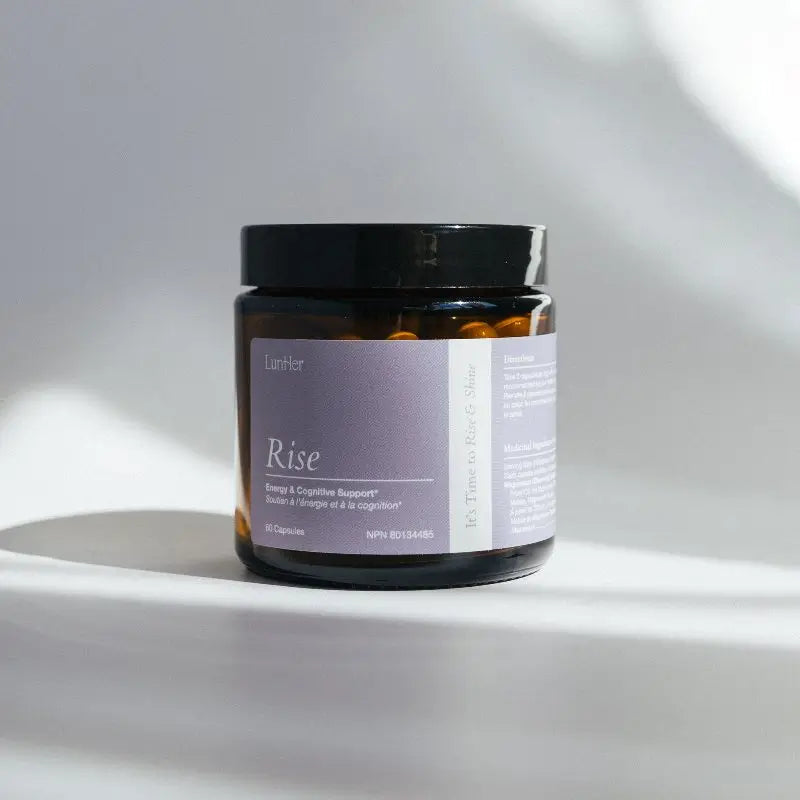
Rise: CoQ10 + methylated B-vitamins + Holy Basil for sustained daytime energy without stimulants →
The information in this article is for general educational purposes only and is not intended to replace consultation with a qualified healthcare professional. Always consult a doctor or naturopath before starting any supplement, particularly if taking medications or managing a health condition. LunHer products are not intended to diagnose, treat, cure, or prevent any disease.