

Does Magnesium Help With Mood? What the Research Says
Written by Our Editorial Team & Medically Reviewed by Dr. Aisling Lanigan, N.D.
Key Takeaways
- Magnesium is involved in over 300 enzymatic reactions in your body, including those that regulate mood, stress response, and nervous system function.
- Low magnesium levels have been associated with increased irritability, restlessness, and mood imbalances in both animal and human studies.
- Magnesium supports mood through multiple pathways: calming the nervous system, supporting energy production, improving sleep quality, and helping regulate stress hormones.
- Most people don't get enough magnesium from diet alone—making supplementation worth considering, especially if you're dealing with stress, sleep issues, or PMS-related mood changes.
- The form of magnesium matters. Some types are better absorbed and more effective for mood support than others.
If you've been feeling stressed, anxious, irritable, or just emotionally "off," you might be surprised to learn that a mineral deficiency could be part of the picture. Magnesium has been getting a lot of attention for its potential mood benefits—but does the science actually support the hype?
Let's look at what the research says.
Why Magnesium Matters for Your Brain
Magnesium is one of the most abundant minerals in your body—and one of the most important. It's a cofactor in more than 300 enzyme systems that regulate critical biochemical processes, including:
-
Energy production (ATP synthesis)
-
Nervous system function
-
Muscle contraction and relaxation
-
Blood pressure regulation
-
Blood glucose control
-
Protein synthesis
-
DNA and RNA production
When it comes to mood specifically, magnesium plays several key roles:
1. Magnesium & parasympathetic nervous system
Magnesium helps regulate the parasympathetic nervous system—your "rest and digest" mode. When magnesium levels are adequate, your body is better able to shift out of stress mode and into a calmer state.
2. Magnesium & neurotransmitter function
Magnesium is involved in the production and function of neurotransmitters like serotonin (your "feel good" chemical) and GABA (which promotes relaxation and reduces anxiety).
3. Magnesium & stress response
Magnesium helps modulate the HPA axis (hypothalamic-pituitary-adrenal axis), which controls your body's stress response. Adequate magnesium may help prevent stress hormones from going into overdrive.
4. Magnesium & energy
Magnesium is essential for producing ATP—the molecule that provides energy for virtually all cellular processes. When ATP production is impaired due to low magnesium, fatigue sets in. And chronic fatigue absolutely affects mood.
What Does the Research Say?
While more large-scale clinical trials are needed, the existing evidence is promising.
Animal Studies
In one study, mice with low magnesium levels showed significantly higher levels of aggressive behavior compared to mice receiving magnesium supplementation. The magnesium-deficient mice also demonstrated greater restlessness and elevated adrenaline levels—suggesting that magnesium plays a role in emotional regulation and stress response.
Human Studies
Human research has shown similar patterns:
Stress and Mental Pressure
A randomized, placebo-controlled study of 100 participants examined the effects of magnesium on people experiencing mental stress. One group received 400 mg of magnesium daily for 90 days; the other received a placebo.
The results? The magnesium group showed improved physiological regulation and better mental balance. Researchers noted that magnesium supplementation helped prevent common symptoms of deficiency—including restlessness, irritability, and sleeplessness—all of which directly impact mood.
Depression and Anxiety
A 2017 randomized clinical trial found that supplementing with 248 mg of magnesium daily for 6 weeks led to significant improvements in depression and anxiety symptoms in adults with mild-to-moderate depression—regardless of age, sex, or baseline magnesium levels.
PMS-Related Mood Changes
Research suggests that magnesium supplementation may help reduce PMS-related mood symptoms, including irritability, anxiety, and tension. This makes sense given magnesium's role in neurotransmitter function and stress regulation.
The Sleep-Mood Connection
One of the most powerful ways magnesium supports mood is through its effects on sleep.
Magnesium helps activate the parasympathetic nervous system, signaling to your body that it's time to wind down. It also plays a role in melatonin production—the hormone that regulates your sleep-wake cycle.
Research on magnesium and sleep:
-
A study of older adults with insomnia found that oral magnesium supplementation led to significant improvements in sleep quality, sleep time, and sleep efficiency.
-
Another study of nearly 4,000 young adults showed that higher magnesium intake was associated with better sleep quality and longer sleep duration.
Why does this matter for mood? Because sleep and mental health are deeply interconnected. Poor sleep increases irritability, impairs emotional regulation, and is strongly associated with anxiety and depression. When you sleep better, you feel better—emotionally and physically.
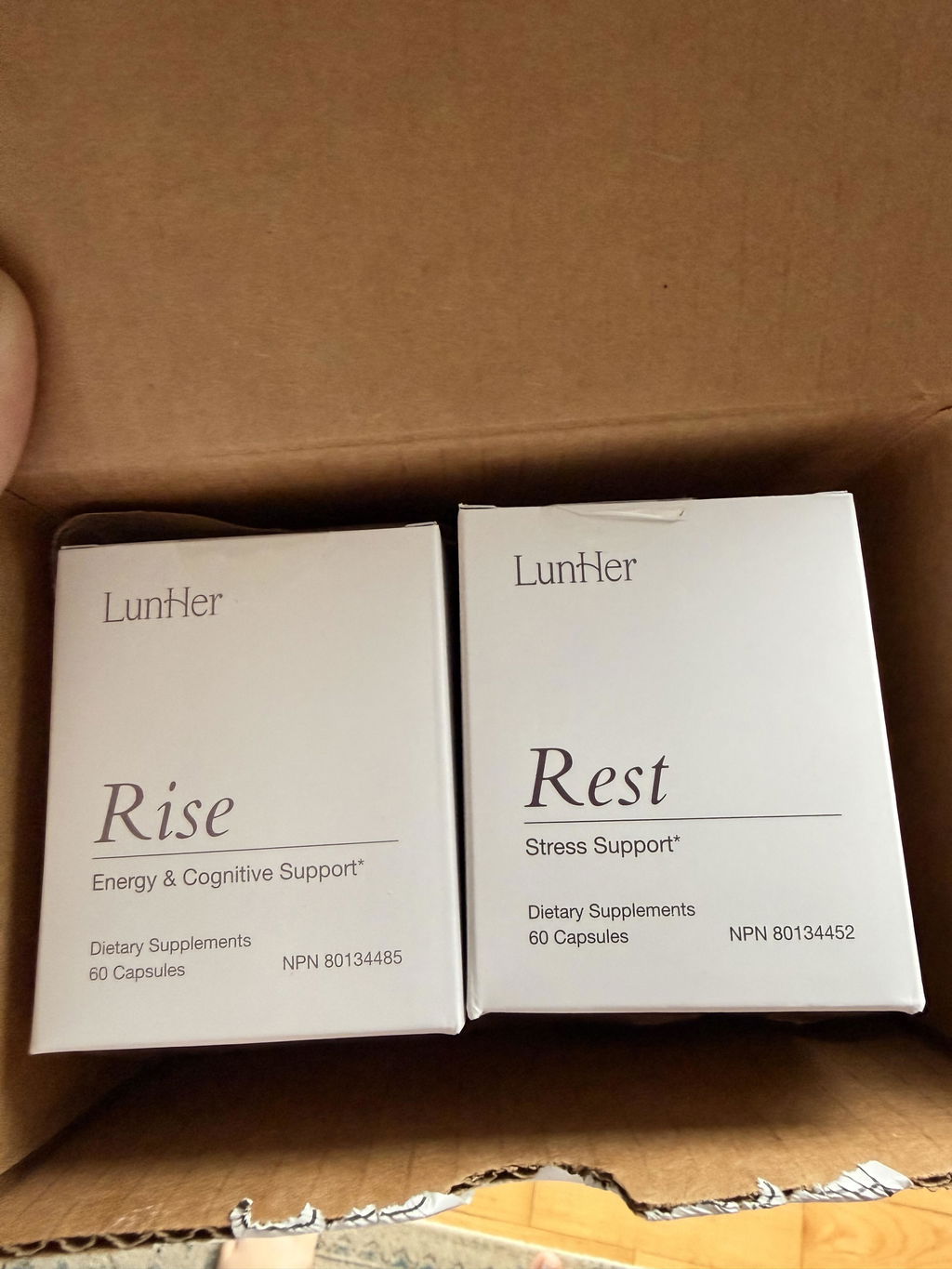
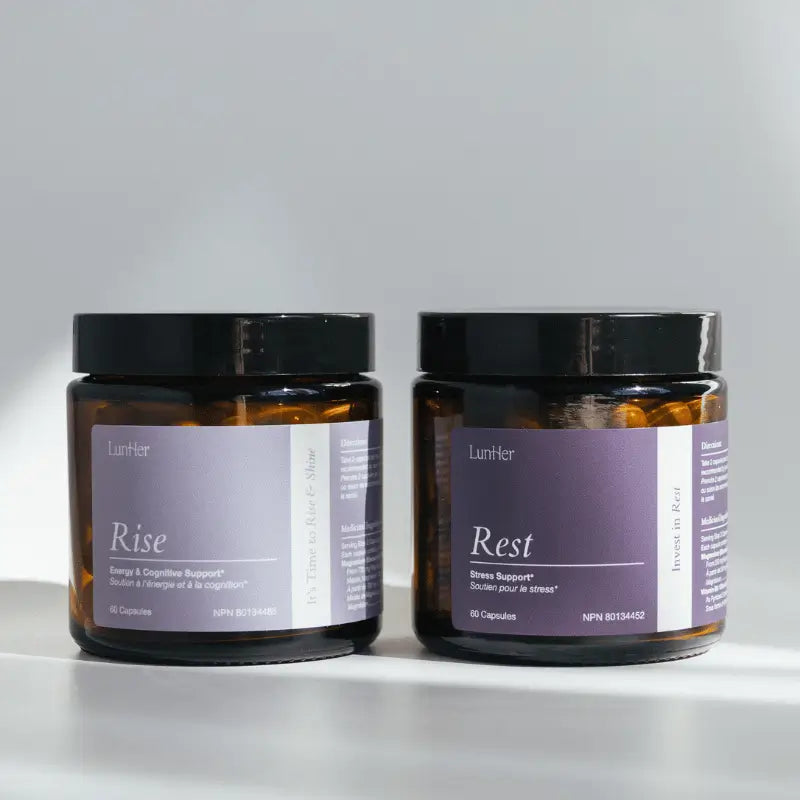
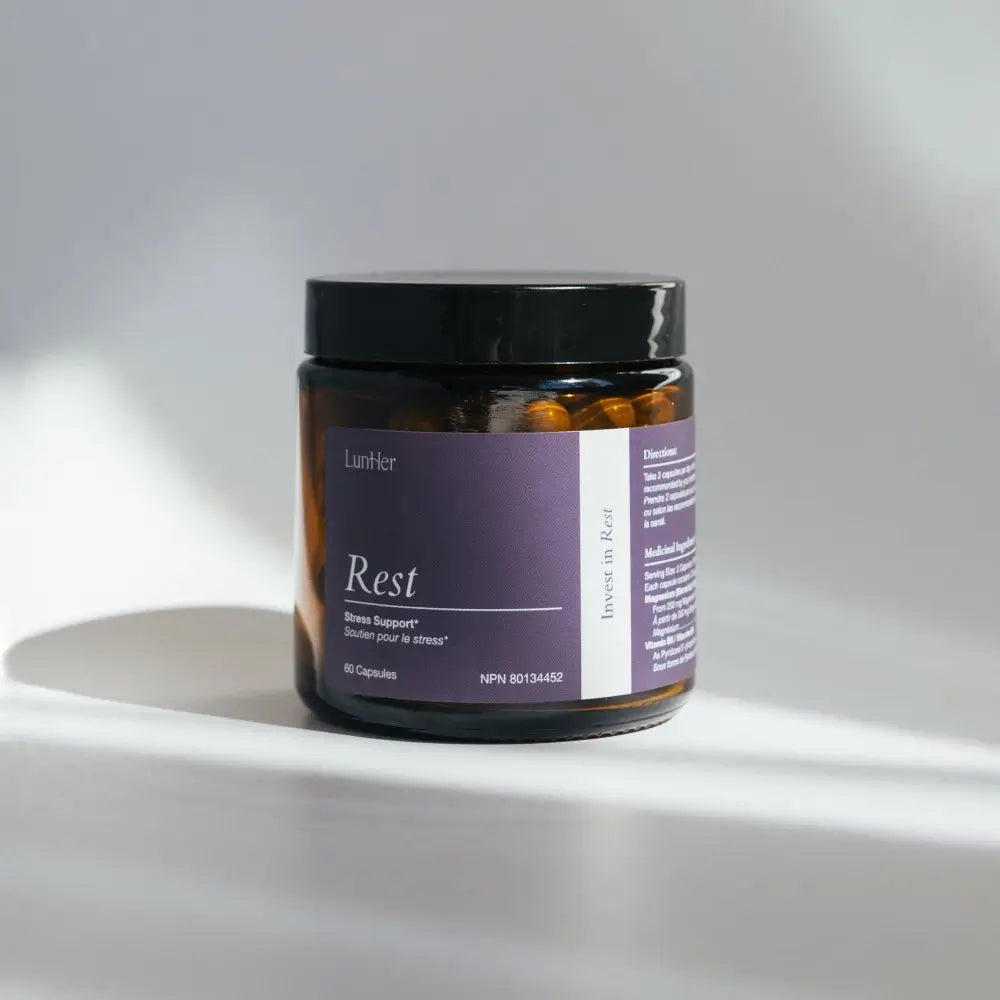
Rest: magnesium bisglycinate + activated B6 (P5P) for mood and sleep →
The Energy-Mood Connection
Feeling exhausted doesn't just affect your body—it affects your mind. Chronic fatigue makes everything harder: concentration, emotional regulation, motivation, stress management.
Here's where magnesium comes in: magnesium is essential for ATP production—the energy currency of your cells. When magnesium levels are low, your body literally can't produce energy as efficiently.
This helps explain why one of the hallmark symptoms of magnesium deficiency is fatigue and weakness. And why addressing a deficiency can lead to noticeable improvements in both energy and mood.
Signs You Might Be Low in Magnesium
Magnesium deficiency is surprisingly common. Some estimates suggest that up to 50% of Americans don't get adequate magnesium from their diet.
Common signs of deficiency include:
-
Fatigue and weakness
-
Loss of appetite
-
Nausea
-
Muscle cramps, twitches, or spasms
-
Tingling or numbness (pins and needles)
-
Sleep difficulties
-
Irritability and mood changes
-
Restlessness
-
Difficulty concentrating
-
Abnormal heart rhythms
If several of these sound familiar, a magnesium deficiency could be worth investigating.
Why So Many People Are Deficient
Modern life makes it surprisingly easy to become magnesium-depleted:
-
Soil depletion: Crops today contain less magnesium than they did decades ago
-
Processed foods: Refining strips magnesium from foods
-
Chronic stress: Stress burns through magnesium rapidly
-
Caffeine and alcohol: Both increase magnesium excretion
-
Certain medications: Diuretics, PPIs, and some antibiotics can deplete magnesium
-
Intense exercise: Sweating increases magnesium loss
-
High sugar intake: Sugar increases magnesium excretion through urine
Women may be particularly susceptible—hormonal fluctuations, pregnancy, breastfeeding, and the demands of modern life all increase magnesium needs.
Best Forms of Magnesium for Mood Support
Not all magnesium supplements are created equal. The form determines how well it's absorbed and what benefits it's best suited for.
For Mood, Sleep & Relaxation
Magnesium Glycinate
-
Highly absorbable
-
Calming effect (glycine is an amino acid that promotes relaxation)
-
Gentle on the stomach
-
Excellent for sleep, anxiety, and overall mood support
Magnesium L-Threonate
-
Specifically studied for brain health
-
Crosses the blood-brain barrier effectively
-
May support cognitive function and memory
-
Good choice if brain fog or mental clarity is a concern
Magnesium Taurate
-
Combines magnesium with taurine (calming amino acid)
-
Often recommended for heart health and mood
-
Well-absorbed
Less Ideal for Mood
Magnesium Oxide
-
Poorly absorbed
-
More commonly used as a laxative
-
Less effective for raising magnesium levels in tissues
Magnesium Citrate
-
Reasonably well-absorbed
-
Can have a laxative effect at higher doses
-
Better for constipation than mood support
How to Take Magnesium for Mood Support
Dosage
Most studies showing mood benefits have used doses between 200-400 mg daily. Starting on the lower end and increasing gradually is a good approach.
Timing
-
For sleep and relaxation: Take in the evening, 1-2 hours before bed
-
For general mood support: Can be taken any time, but consistency matters
-
With food: Taking magnesium with a meal improves absorption and reduces the chance of stomach upset
Consistency Is Key
Like most nutritional interventions, magnesium doesn't work overnight. Give it at least 2-4 weeks of consistent daily use before evaluating results. Some people notice improvements within days; for others, it takes longer.
Potential Side Effects and Interactions
Magnesium is generally very safe, but there are a few things to keep in mind:
Digestive effects: High doses can cause loose stools or diarrhea, especially with citrate or oxide forms. If this happens, reduce your dose or switch to glycinate.
Medication interactions: Some medications can affect magnesium absorption or be affected by magnesium levels:
-
Diuretics
-
Proton pump inhibitors (PPIs)
-
Certain antibiotics
-
Some diabetes medications
If you're taking prescription medications, talk to your healthcare provider before starting magnesium supplementation.
Kidney disease: People with impaired kidney function should consult their doctor before supplementing, as kidneys are responsible for excreting excess magnesium.
The Bottom Line
Magnesium isn't a magic pill for mood—but for many people, it's a missing piece of the puzzle.
This essential mineral supports mood through multiple pathways: calming the nervous system, supporting neurotransmitter function, enabling energy production, regulating stress hormones, and improving sleep quality. When you're deficient, all of these systems can suffer.
The research suggests that magnesium supplementation can help with stress resilience, emotional balance, sleep quality, and even symptoms of depression and anxiety—especially in people who aren't getting enough.
Given how common deficiency is and how safe supplementation tends to be, magnesium is one of the first things worth optimizing if you're dealing with mood challenges, chronic stress, or that vague sense of being emotionally "off."
Because sometimes, the solution to feeling better is simpler than you'd expect.
The Daily Ritual Bundle: the complete AM/PM nervous system system →
The information in this article is for general educational purposes only and is not intended to replace consultation with a qualified healthcare professional. Always consult a doctor or naturopath before starting any supplement, particularly if taking medications or managing a health condition. LunHer products are not intended to diagnose, treat, cure, or prevent any disease.