
Magnesium Threonate vs. Glycinate for Sleep: What Does the Evidence Actually Say?
Written by Our Editorial Team & Medically Reviewed by Dr. Aisling Lanigan, N.D.
If you have spent any time researching natural sleep aids, you have met these two: magnesium L-threonate, the expensive "brain magnesium," and magnesium glycinate (bisglycinate on some labels), the gentle calming one. Both are marketed hard for sleep, and the marketing has been running ahead of the evidence for years.
The evidence recently caught up a little, on both sides, so this comparison has been updated. Here is the honest head-to-head: what each form actually is, the trials each one now holds, and which to pick for which job.
Why does magnesium matter for sleep at all?
Magnesium is a working part in hundreds of enzymatic reactions, including the ones that regulate nervous system activity, and low magnesium status has been associated with poorer sleep. Across randomized trials, supplementation modestly shortened how long it takes to fall asleep, without reliably extending total sleep time (PMID: 33865376).
Two honest calibrations before comparing forms. The benefit concentrates in people whose magnesium runs low, which is common but not universal, and the systematic review literature grades the overall evidence as promising rather than settled (PMID: 35184264). Magnesium supports the descent into sleep; it is not a sedative, whichever carrier it arrives on. Whether it suits your sleep problem at all is covered in our magnesium for sleep guide.
What is magnesium L-threonate, honestly?
Threonate was engineered with one goal: getting magnesium into the brain. The foundational work is genuinely striking and genuinely rodent: elevating brain magnesium with threonate enhanced learning, memory, and synaptic density in rats (PMID: 20152124), with follow-up animal work on synapse density and neurodegeneration models (PMID: 27178134; PMID: 31806980). The blood-brain-barrier story every product page repeats has never been directly demonstrated in humans.
What has changed since our first version of this article: threonate now has a human sleep trial. A randomized, double-blind, placebo-controlled study gave adults with self-reported sleep problems 1 gram of magnesium L-threonate daily for three weeks and found maintained sleep quality and daytime functioning while the placebo group declined, with improvements in reported deep and REM sleep and daytime energy (PMID: 39252819). A 2026 trial added improved cognitive performance and sleep-related impairment, though objective sleep measures did not separate from placebo (PMID: 41601871). Real progress, modest effects, single studies each: emerging, not established.
What makes magnesium glycinate the sleep default?
Two things: its own bedtime trial, and its carrier. In a 2025 randomized, double-blind, placebo-controlled study, magnesium bisglycinate taken before bed improved insomnia severity in healthy adults with poor sleep, with the clearest benefit in those whose dietary magnesium ran low (PMID: 40918053). That is the most directly relevant sleep evidence either form holds.
The glycine carrier adds its own quiet case: taken alone before bed, glycine improved sleep measures in controlled studies (PMID: 22529837; PMID: 22293292), with mechanisms mapped in animal work: lowering core body temperature via receptors in the brain's master clock (PMID: 25533534) and quieting the wake-promoting orexin system (PMID: 21949857). One honest dose caveat: those glycine trials used about 3 grams, several times more glycine than a typical bisglycinate dose carries, so treat the carrier as a tailwind rather than a proven sleep dose. Gentleness completes the case: bisglycinate is well absorbed and easy on the stomach, unlike the laxative-leaning cheap forms.
How do they compare, head to head?
No study has ever directly compared threonate to glycinate for sleep, so every ranking you have read, this one included, is an inference from separate trials. Here is the honest scorecard. Sleep evidence: glycinate leads, holding the bedtime insomnia trial, while threonate's single sleep study is positive but tested different outcomes at a 1 to 2 gram dose. Brain and cognition: threonate leads on rationale and now on two small human trials, with the animal caveat attached.
Practical factors break clearly one way: glycinate delivers roughly twice the elemental magnesium per gram (about 14 percent versus 7 to 8), costs meaningfully less, and both forms are well tolerated. Dose realism matters most for threonate, because the positive human trials used 1 to 2 grams of the compound daily, and many blends include it at a fraction of that, which makes the label-versus-trial check worth thirty seconds of your skepticism. The wider form landscape, citrate included, lives in our types of magnesium guide.
So which should you take, and when?
If sleep is the goal, glycinate first: the trial fits the job, the elemental math is better, and the price is kinder. Taken an hour or so before bed, its honest promise is a calmer descent into sleep over two to four weeks, not a knockout. If cognition and focus are your priority, threonate is the interesting one, taken in the daytime, judged against its trial dose, and bought with the animal-story caveat in mind.
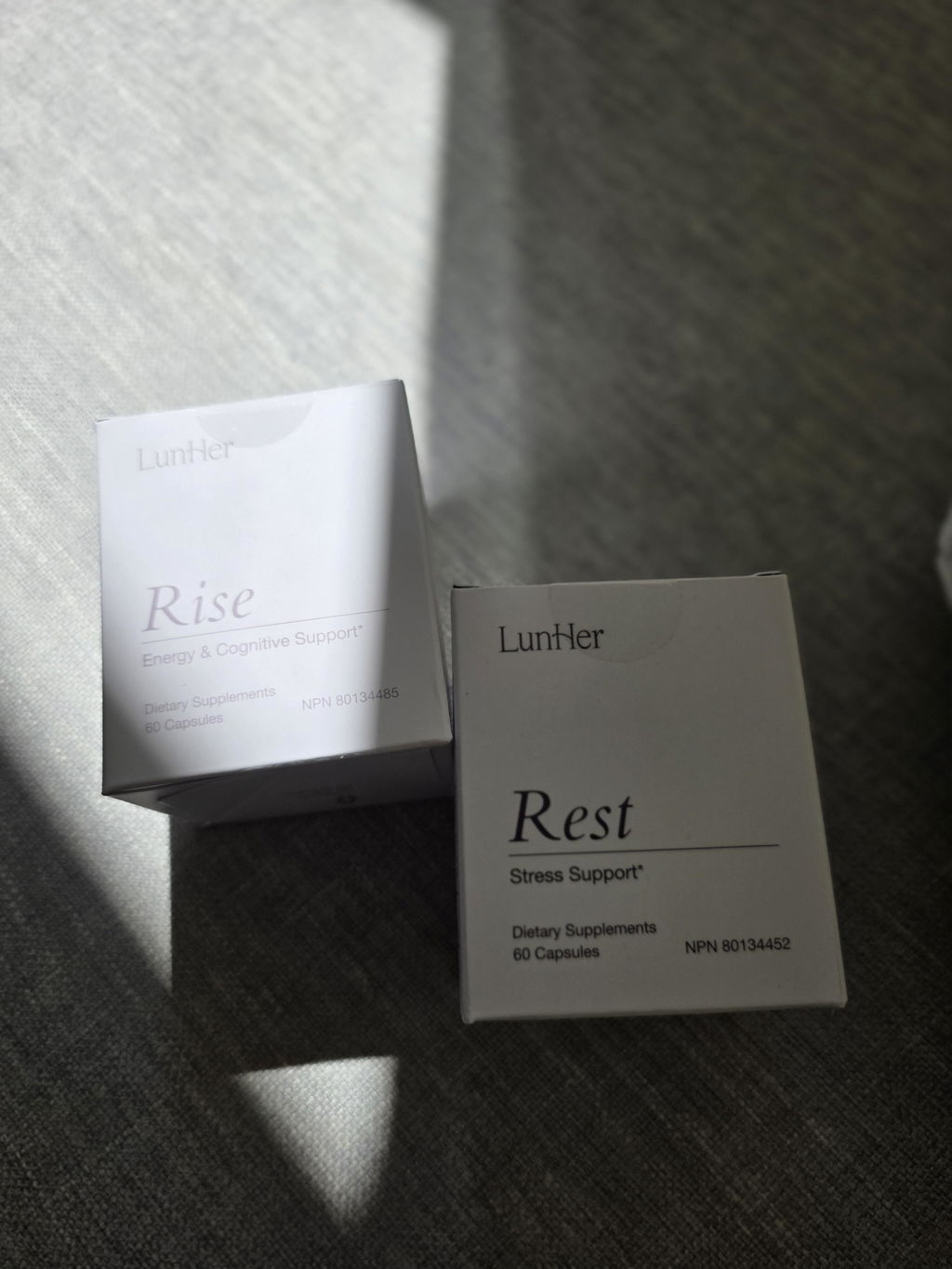
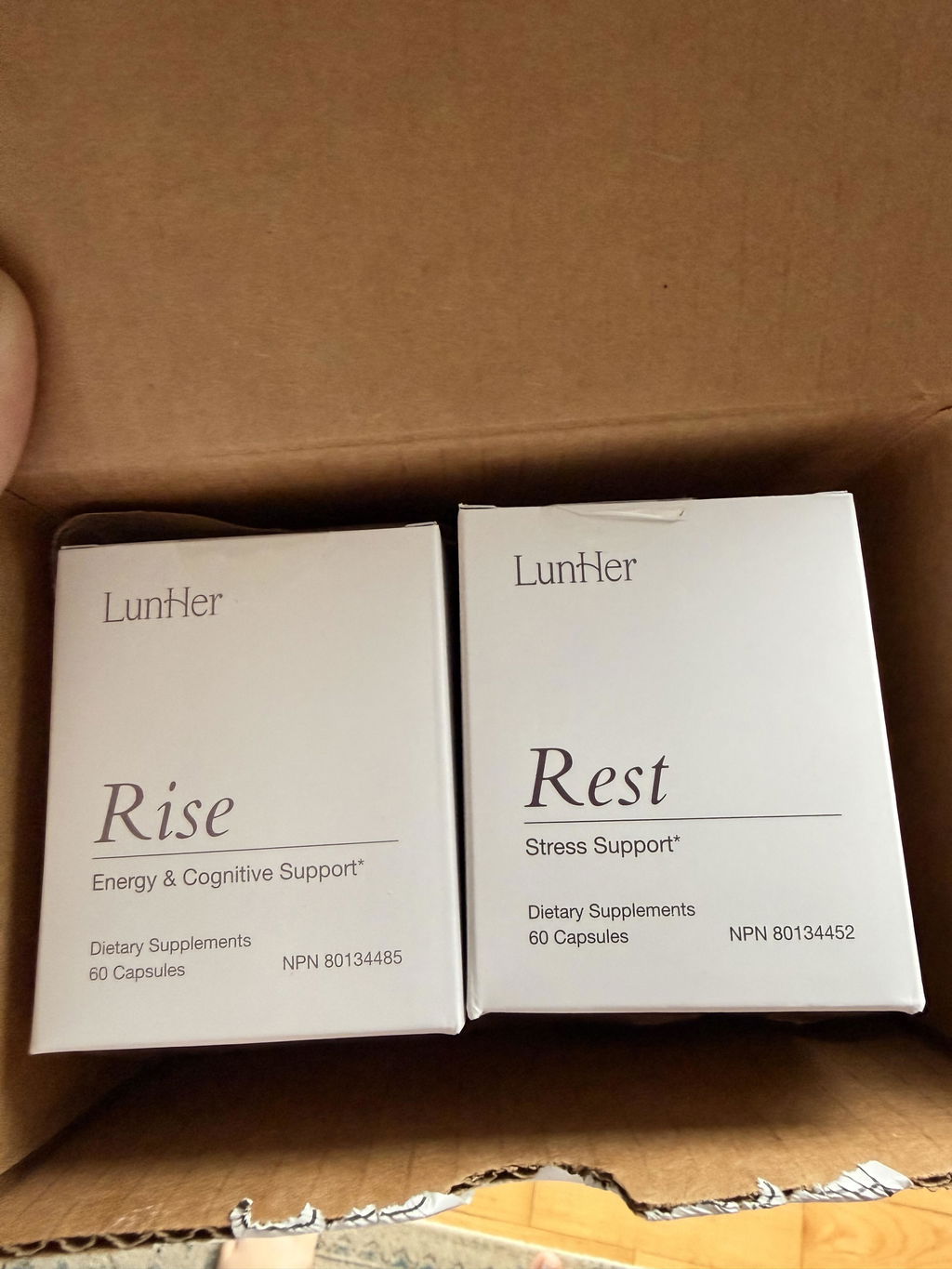
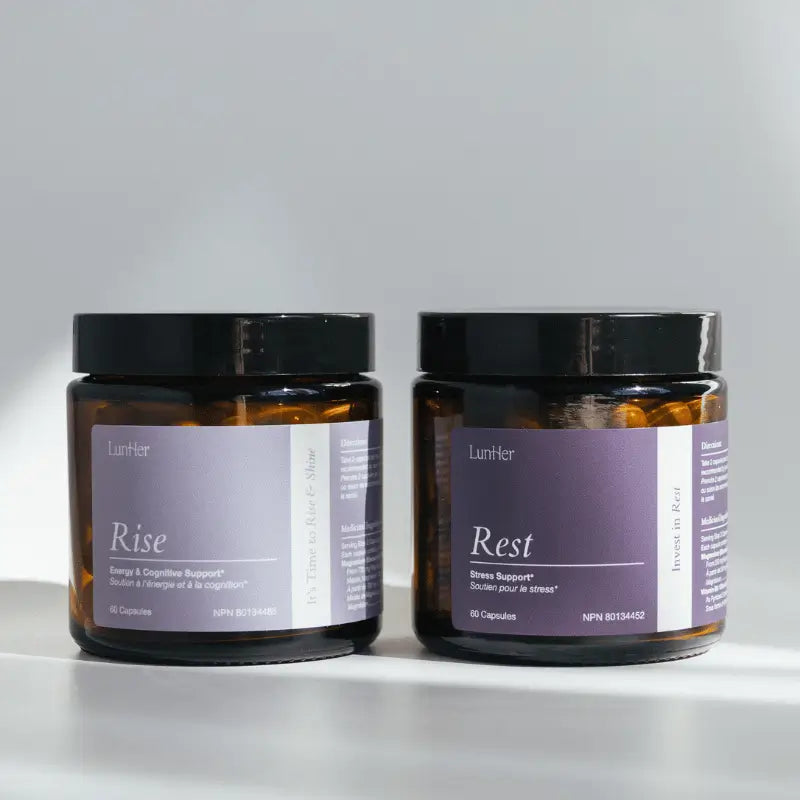
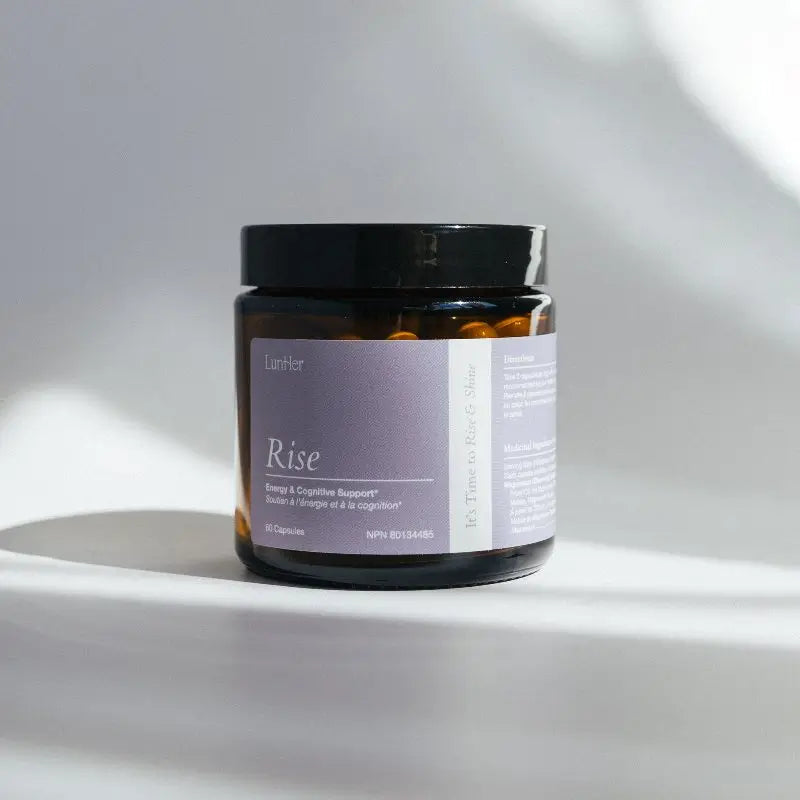
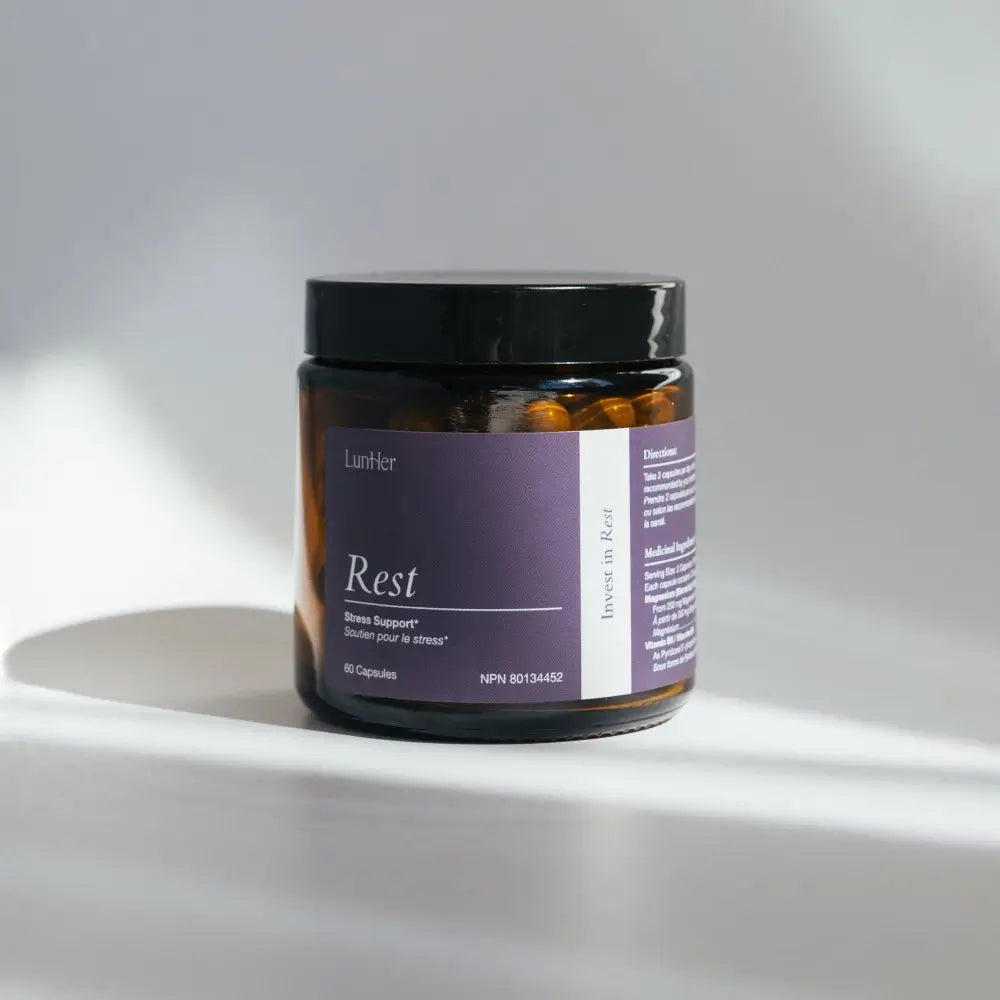
They also combine sensibly by shift, which is how we use them: Rise carries L-threonate in its morning blend alongside malate and taurate, where the cognitive rationale lives, and Rest carries 100 mg of elemental magnesium as bisglycinate at night, the form with the bedtime trial. Whichever route you take, count your combined elemental magnesium, take daytime doses with food, and give the experiment weeks rather than nights, since repletion is gradual, as our guide to magnesium absorption explains. And keep expectations anchored: consistent sleep habits still outrank either form, and if racing thoughts rather than magnesium status are what keep you up, our wired but tired guide is the better read. The quiz sorts which end of the day needs support first.
FAQ: threonate vs glycinate
The four questions shoppers actually bring to this comparison, answered with the trial doses attached, because dose realism is where this particular decision is usually won or lost.
Key takeaways
- For sleep, glycinate leads: a 2025 randomized bedtime trial improved insomnia severity, and its glycine carrier has supporting research of its own.
- Threonate now holds one modest human sleep trial and two small cognition trials, at 1 to 2 gram doses many products do not match. The brain-barrier story remains an animal finding.
- No head-to-head study exists. Every ranking is inference, ours included.
- Glycinate delivers about twice the elemental magnesium per gram and costs less; both are gentle.
- Sensible split: threonate-containing blends by day for the cognitive rationale, bisglycinate at night for the sleep evidence.
The information in this article is for general educational purposes only and is not intended to replace consultation with a qualified healthcare professional. Always consult a doctor or naturopath before starting any supplement, particularly if taking medications or managing a health condition. LunHer products are not intended to diagnose, treat, cure, or prevent any disease.