
What is Holy Basil and does it help with stress?
Written by Our Editorial Team & Medically Reviewed by Dr. Aisling Lanigan, N.D.
Key Takeaways
- Holy basil has been used for centuries to treat everything from respiratory infections to digestive complaints
- It's a safer option compared to ashwagandha
In a world where chronic stress has become the norm, it's no surprise that people are turning to natural remedies for relief. One of the most intriguing options gaining attention is holy basil. But does this ancient herb actually work for stress? Let's look at what the science says.
What Is Holy Basil?
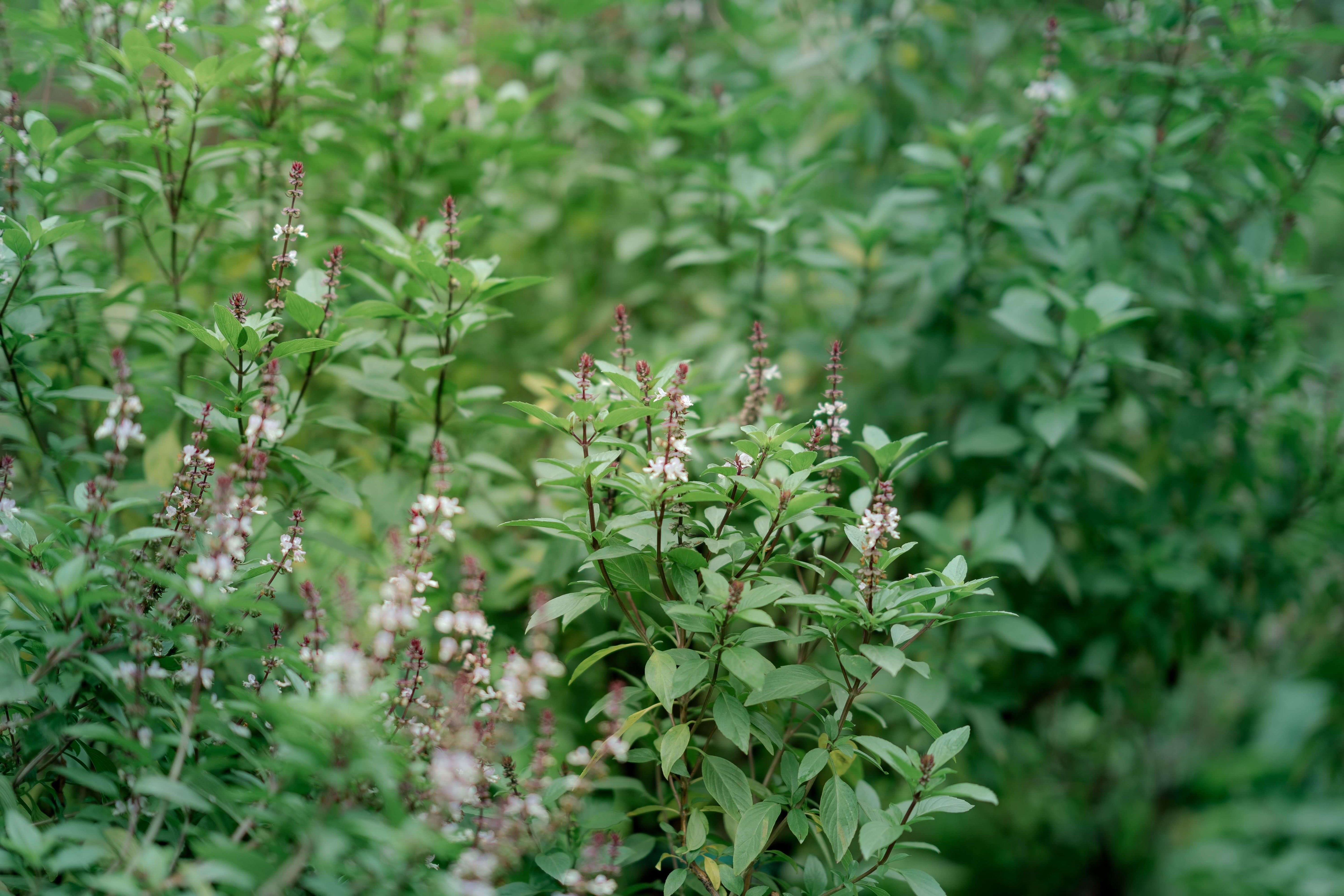
Holy basil is a fragrant herbaceous plant in the mint family, native to the Indian subcontinent and Southeast Asia. It holds a central place in Ayurvedic medicine, where it has been used for centuries to treat everything from respiratory infections to digestive complaints. But its most celebrated traditional role is as an adaptogen that helps the body adapt to stress and restore balance.
Unlike many herbal remedies that rely solely on centuries of anecdotal use, holy basil has attracted genuine scientific interest. A systematic review of 24 human studies found favorable clinical outcomes across multiple health domains, with no significant adverse events reported in any study.
How Does Holy Basil Fight Stress? The Science Behind the Herb
The anti-stress effects of holy basil appear to work through several complementary mechanisms:
1. Blocking the stress hormone cascade
When you're stressed, your brain releases corticotropin-releasing factor (CRF), which triggers a chain reaction leading to cortisol production. Studies have shown that holy basil extract essentially blocks the first domino in the stress hormone cascade. It also directly inhibits cortisol release from adrenal cells. This is the same pathway targeted by some pharmaceutical anti-anxiety drugs in development.
2. Protecting brain chemistry
- Chronic stress depletes key neurotransmitters in critical brain regions. Researchers have identified two specific compounds in holy basil, called ocimumoside A and ocimumoside B, that prevent these stress-induced neurotransmitter depletions.
3. Combating oxidative stress in the brain
Chronic stress doesn't just affect your mood, it creates oxidative damage in the brain . Holy basil's helps restore your protective systems, reducing the cellular damage that accompanies prolonged stress.
How Does Holy Basil Compare to Other Adaptogens?
If you're familiar with the adaptogen space, you might wonder how holy basil stacks up against the more heavily marketed ashwagandha. Here's the honest comparison:
Ashwagandha has a larger body of human clinical trial data, particularly for cortisol reduction, with over 20 randomized controlled trials and meta-analytic evidence supporting its effects. However, safety is where holy basil may have an edge. While ashwagandha has an emerging signal for liver toxicity with prolonged use, holy basil has shown no significant adverse events across all human studies to date.
For people who want a well-tolerated adaptogen with a long safety track record, holy basil is an appealing choice.
The Bottom Line
For anyone looking for a natural, well-tolerated approach to managing everyday stress, holy basil is a very good option. As always, consult with a healthcare provider before starting any new supplement, especially if you are pregnant, trying to conceive, or taking medications.
The information in this article is for general educational purposes only and is not intended to replace consultation with a qualified healthcare professional. Always consult a doctor or naturopath before starting any supplement, particularly if taking medications or managing a health condition. LunHer products are not intended to diagnose, treat, cure, or prevent any disease.