

Nervous System Support Supplements: What Actually Helps a Depleted System
Written by Our Editorial Team & Medically Reviewed by Dr. Aisling Lanigan, N.D.
Key takeaways
- "Nervous system support" means helping your body move out of constant fight-or-flight and back into rest-and-repair. It is about balance between the sympathetic and parasympathetic branches, not sedation.
- The nutrients with real evidence are specific: magnesium in the right forms, B6 as active P5P, L-theanine at its studied dose, and gentle botanicals like holy basil, passionflower, and chamomile.
- What a formula leaves out matters as much as what it includes. Ashwagandha, melatonin, and 5-HTP each carry trade-offs that make them poor choices for daily, long-term support.
- Your nervous system needs different support at different times of day: steadying nutrients in the morning, calming ones at night, working with your circadian rhythm.
- Recovery is gradual. Depletion built over months takes weeks of consistency to reverse, not days.
"Nervous system support" is everywhere right now. It is on every wellness feed, attached to everything from breathwork to bath salts to whatever powder is trending this week. What almost nobody does is explain what the phrase actually means, or which supplements have any evidence behind them. If you are running on empty and want the non-woo version, this is it: what nervous system support supplements really are, which nutrients hold up, and what a good formula deliberately leaves out.
What does nervous system support actually mean?
Nervous system support means helping your body shift out of constant fight-or-flight and back into rest-and-repair. Your autonomic nervous system has two branches: the sympathetic (the stress response) and the parasympathetic (recovery). Chronic stress keeps you stuck in overdrive, so support means giving your body the nutrients and calm to restore that balance.
Here is the part the trending posts skip. When stress becomes chronic, your HPA axis, the loop connecting your brain and adrenal glands, stays switched on. Your body keeps producing stress hormones, and the drain runs both ways: chronic stress increases how much magnesium you lose, and low magnesium leaves you more reactive to stress. Over months, you end up depleted, which is why so many women describe it as running on empty rather than simply feeling wired.
So real nervous system support is not about sedating you or numbing the stress. It is about replenishing what has been drained and giving your parasympathetic side a chance to do its job again.
What happens to your nervous system when you are running on empty?
Chronic stress depletes it. Living in fight-or-flight for months increases how much magnesium your body loses, keeps cortisol elevated when it should be falling, and fragments your sleep. That is why the exhaustion feels like more than tiredness: the system that is supposed to help you recover is itself running low.
This is what "nervous system dysregulation" is pointing at, underneath the buzzword. It usually shows up as a cluster, not a single symptom:
- Waking at 3am and struggling to get back down, or sleeping through the night and still waking exhausted
- A tired-but-wired feeling, where your body is drained but your mind will not switch off
- Brain fog and trouble concentrating
- Feeling reactive, on edge, or flattened, sometimes all in the same day
It is not four separate problems. It is one depleted system stuck in a loop, which is why fixing one piece rarely fixes the rest.
Which nutrients actually support the nervous system?
A short list has real evidence: magnesium in bioavailable forms, vitamin B6 as active P5P, L-theanine at its studied dose, and gentle botanicals like holy basil, passionflower, and chamomile. Each supports a different piece of the system, from neurotransmitter production to calming brain-wave activity. Form and dose matter far more than the name on the front of the bottle.
Magnesium (and why the form is everything)
Magnesium is central to nervous system function: it plays an inhibitory role in how your body regulates the stress response, supports GABA activity, and helps muscles let go. Pooled trials in older adults also found magnesium shortened the time it took to fall asleep by about 17 minutes, though those trials were small and the evidence was rated low quality. Different forms do different jobs, though, and cheap ones barely absorb. This is where most "nervous system" products quietly cut corners.
LunHer uses four targeted forms across its two formulas, each chosen for a reason:
| Form | What it targets | Where it is |
|---|---|---|
| L-Threonate | Crosses the blood-brain barrier for cognition | Rise (part of a 150 mg elemental blend) |
| Malate | Energy and ATP production | Rise (part of the 150 mg blend) |
| Taurate | Nervous system calming | Rise (part of the 150 mg blend) |
| Bisglycinate | Highest bioavailability for calm and sleep | Rest (100 mg elemental) |
Notably absent: magnesium oxide, the most common form on shelves. It is cheap, roughly 4% absorbed, and mostly acts as a laxative rather than doing anything therapeutic for your nervous system.
A plain-language guide to the different types of magnesium →
Vitamin B6, in its active form
B6 is a workhorse for the nervous system because its active form is the coenzyme your body uses to build neurotransmitters like serotonin and GABA. The catch is the form. LunHer uses Pyridoxal 5'-Phosphate (P5P), the active form, at 25 mg in both Rise and Rest. P5P bypasses a liver conversion step, and in Rest it specifically supports the natural pathway that turns L-tryptophan into serotonin and then melatonin, rather than forcing melatonin in from outside.
L-theanine for calm without sedation
L-theanine is an amino acid that increases alpha brain wave activity, which relaxes the mind without causing drowsiness. Rest uses 200 mg, the dose used in trials of stress-related symptoms and sleep quality, so it can help quiet a mind that will not switch off at night without leaving you groggy. It supports winding down rather than knocking you out.
Botanicals with a specific job
Not all calming herbs are interchangeable. LunHer uses three, each at a concentrated extract and for a defined reason:
- Holy basil (Rise, organic 20:1 extract, 100 mg, equal to 2000 mg dry leaf): an adaptogen that supports cortisol modulation without the thyroid-disruption risk of some alternatives.
- Passionflower (Rest, organic 10:1 extract, 100 mg, equal to 1000 mg dry leaf): supports GABA-A receptor activity to help with sleep onset.
- Chamomile (Rest, organic 10:1 extract, 150 mg, equal to 1500 mg dry leaf): its apigenin content supports relaxation and sleep quality.
Rest also includes schisandra (organic 10:1 extract, 150 mg), an adaptogen that supports stress resilience and liver detox overnight.
What does LunHer deliberately leave out, and why?
Several popular "nervous system" ingredients are left out on purpose. Ashwagandha, melatonin, and 5-HTP all show up in the category, but each carries a trade-off that makes it a poor fit for daily, long-term support. What a formula excludes is a design decision, and it says as much as the ingredient list.
| Left out | Why |
|---|---|
| Ashwagandha | Can dysregulate thyroid function and cortisol with long-term use, which is the opposite of what a depleted system needs day after day. |
| Melatonin | Creates dependency and can suppress your own production. LunHer supports the body's natural melatonin pathway instead, via B6 to serotonin to melatonin. |
| 5-HTP | Carries a serotonin syndrome risk with SSRIs and other medications, and has a narrow therapeutic window. |
| Proprietary blends | Hide actual dosing. LunHer publishes the full amount of every ingredient so you can see exactly what you are getting. |
The pattern behind those choices: nervous system support is something you do consistently, for months. Anything that builds dependency, suppresses your own systems, or carries a long-term risk fails that test, no matter how well it performs as a one-off.
More on the supplements that help lower cortisol and stress →
Should you support your nervous system differently morning and night?
Yes. Your nervous system needs different things at different times, so support should follow your circadian rhythm. In the morning, you want steadier energy and a calm, focused stress response. At night, you want your parasympathetic side to take over for real rest and repair. One pill trying to do both at once works against your body's own clock.
That is the logic behind an AM and PM split. LunHer builds it into two formulas:
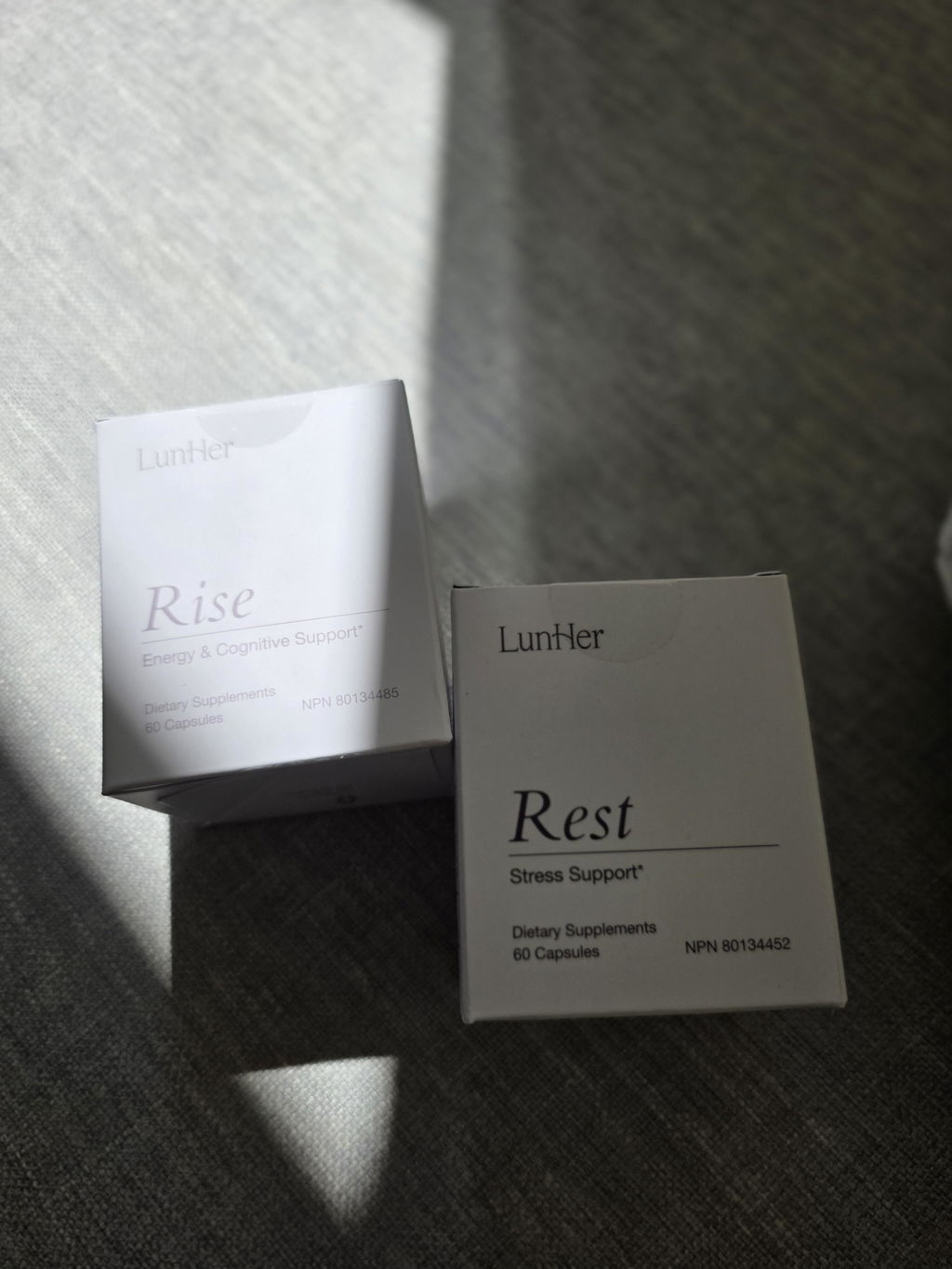
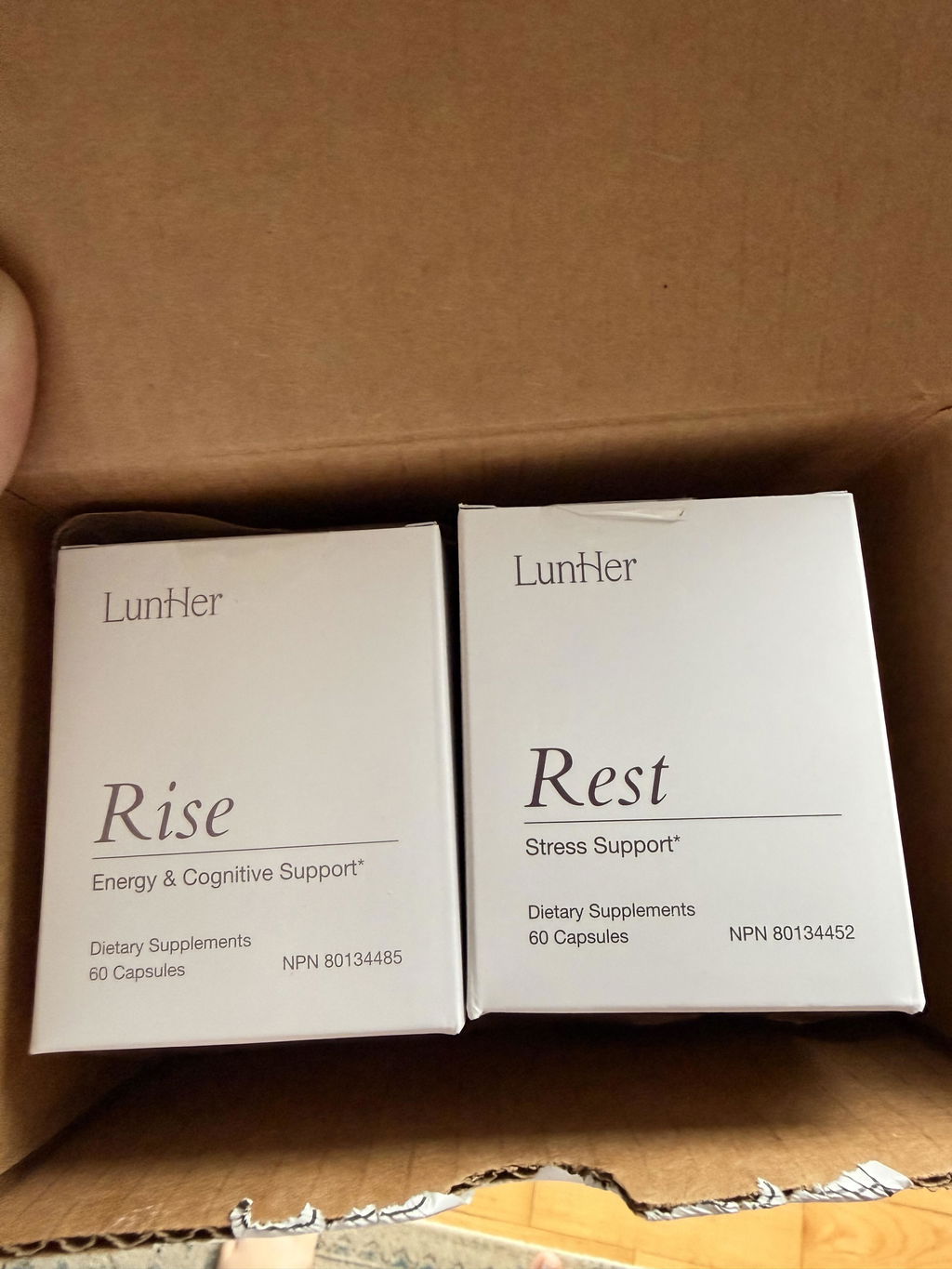
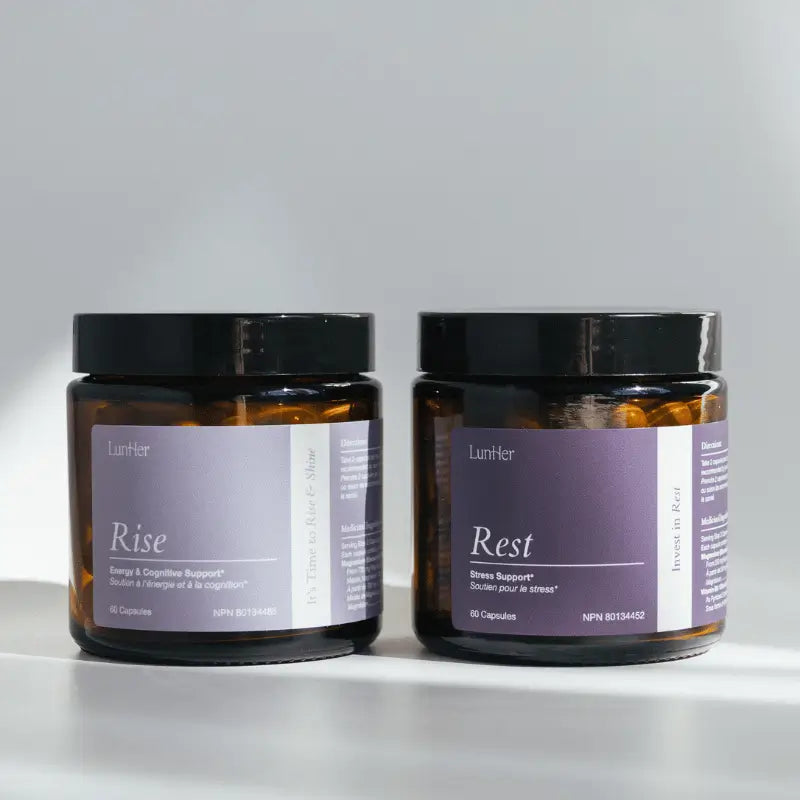
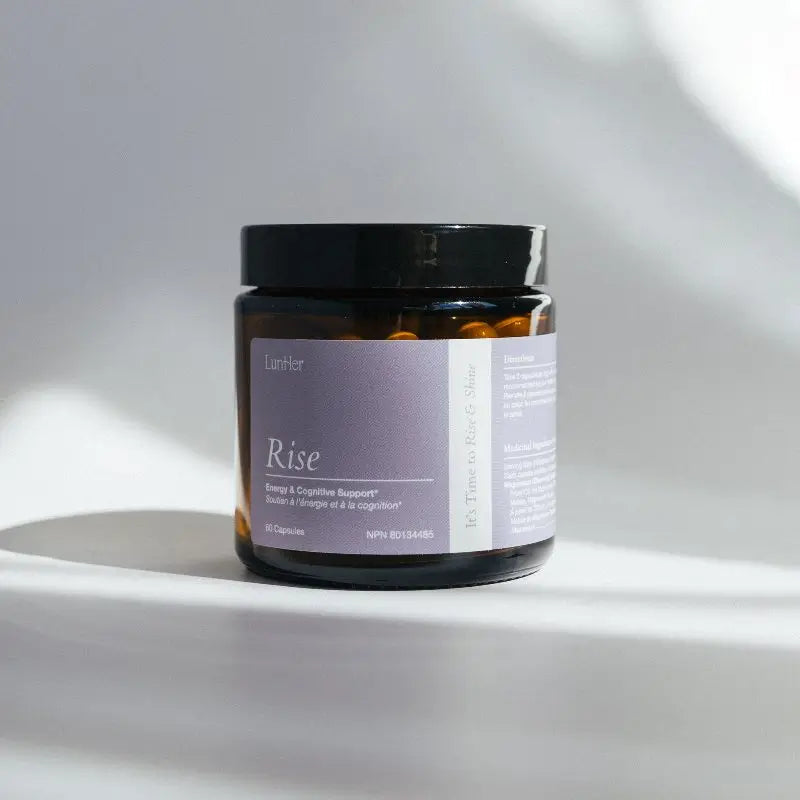
- Rise (2 capsules with breakfast): the threonate, malate, and taurate magnesium blend, active B-vitamins, holy basil, CoQ10, and vitamin D3, to support steady daytime energy and a calm stress response.
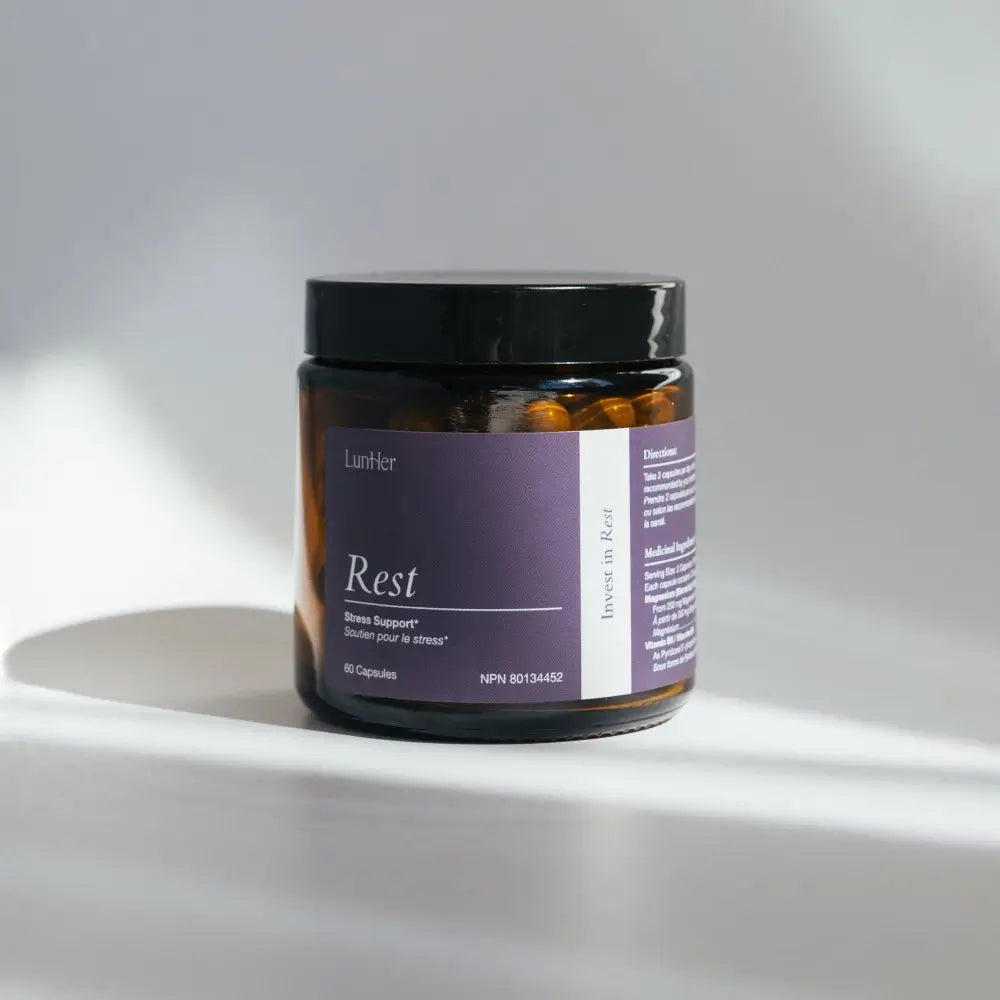
- Rest (2 capsules an hour before bed): magnesium bisglycinate, P5P, pantothenic acid, L-5-MTHF folate, L-theanine, passionflower, chamomile, and schisandra, to support deep sleep and overnight nervous system recovery.
You are not fighting your rhythm with a single all-day dose. You are supporting the sympathetic side when you need it and the parasympathetic side when it should take over.
How long does nervous system recovery take?
Give it a full eight weeks. The depletion built up over months of chronic stress, so it does not reverse in days. Sleep usually steadies first, in the first week or two. Energy and focus follow as your system replenishes what was drained. Days 10 to 20 are often an "am I sure?" window before the compound effect shows.
The sequence matters, because it is a system: sleep supports cortisol, cortisol supports energy, energy supports focus. Each step depends on the one before it, which is why chasing a single symptom rarely works and why consistency beats intensity.
In our 8-week observational study of 40 women (self-reported, not a clinical trial), 87% said they felt like themselves again and 90% reported improved sleep. Not a brand-new version of themselves. The one that had been buried under the exhaustion.
Frequently asked questions about nervous system support supplements
These are the questions women ask most when they start looking into nervous system support supplements: what the phrase means, which nutrients matter, how long it takes, and where the real cautions are. Short, honest answers are below, drawn from what women actually ask us.
What does nervous system support actually mean?
Nervous system support means helping your body shift out of constant fight-or-flight and back into rest-and-repair. Your autonomic nervous system has two branches: the sympathetic (stress) and parasympathetic (recovery). Chronic stress keeps you stuck in overdrive, so support means giving your body the nutrients and calm to restore that balance.
Which vitamins help a dysregulated nervous system?
The B-vitamins matter most, especially B6 in its active P5P form, which your body uses to build calming neurotransmitters like serotonin and GABA. Magnesium works alongside them, and vitamin D and B12 support mood and nerve function. Active, methylated forms skip conversion steps that not every body handles well.
How long does nervous system recovery take?
Give it a full eight weeks. Depletion built up over months of chronic stress, so it does not reverse in days. Sleep usually steadies first, within a week or two, then energy and focus follow as your system replenishes. In our 8-week observational study of 40 women, 87% said they felt like themselves again.
Can you take nervous system supplements with antidepressants?
Always ask your doctor or pharmacist first. Some ingredients, especially 5-HTP, can interact with SSRIs and other medications, which is one reason LunHer leaves it out. Magnesium and B-vitamins are generally well tolerated, but medication interactions are individual, so a practitioner who knows your history should make the call.
Is magnesium enough on its own?
Magnesium is a strong foundation, but a depleted nervous system rarely runs short on just one thing. Chronic stress drains B-vitamins and disrupts sleep too, so magnesium works best alongside B6, L-theanine, and calming botanicals. The form also matters more than most labels admit. Think system, not single pill.
How LunHer supports your nervous system
LunHer's Daily Ritual Bundle is built around one idea: your nervous system needs different support morning and night. Rise supports steady daytime energy and a calm stress response; Rest supports deep sleep and overnight recovery. Every ingredient is at a studied dose, in a bioavailable form, with the full amount printed on the label.
- Rise (AM): a threonate, malate, and taurate magnesium blend, active B-vitamins, holy basil, CoQ10, and vitamin D3 (NPN 80134485)
- Rest (PM): magnesium bisglycinate, P5P, pantothenic acid, L-5-MTHF folate, L-theanine, passionflower, chamomile, and schisandra (NPN 80134452)
- No proprietary blends, no magnesium oxide, no melatonin, no ashwagandha
- Licensed by Health Canada, third-party tested, and made in Canada
It is not a single pill trying to do everything. It is a two-part system that works with your circadian rhythm to support your nervous system through the day and into the night.
Shop the Daily Ritual Bundle →
The information in this article is for general educational purposes only and is not intended to replace consultation with a qualified healthcare professional. Always consult a doctor or naturopath before starting any supplement, particularly if taking medications or managing a health condition. LunHer products are not intended to diagnose, treat, cure, or prevent any disease.