


Perimenopause: What Every Woman Needs to Know About "The Change Before the Change"
If you're in your late 30s or 40s and suddenly feel like your body has turned against you (unpredictable periods, sleep disruptions, energy crashes, mood swings that come out of nowhere), you're not losing your mind. You're likely entering perimenopause.
Here's what's frustrating: most women have never heard this term until they're already experiencing it. Perimenopause is the transitional phase before menopause, and it can last anywhere from 2 to 10 years. Yet it remains one of the most under-discussed and misunderstood stages of women's health, leaving millions of women feeling blindsided by changes they didn't see coming.
Understanding what's happening in your body during this transition, and knowing how to support yourself through it, can be the difference between suffering through symptoms and thriving through this life stage.
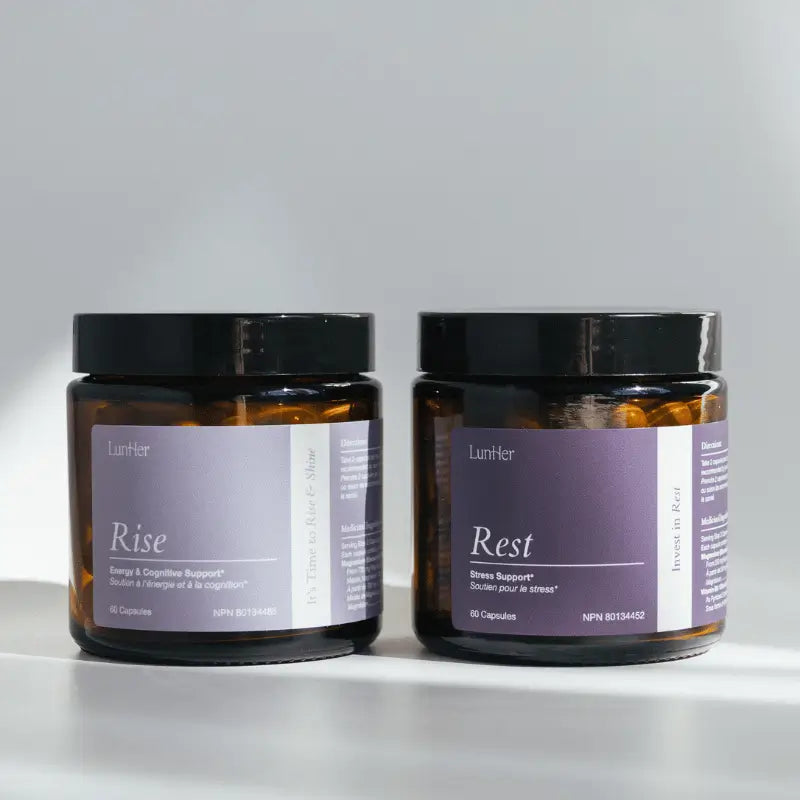
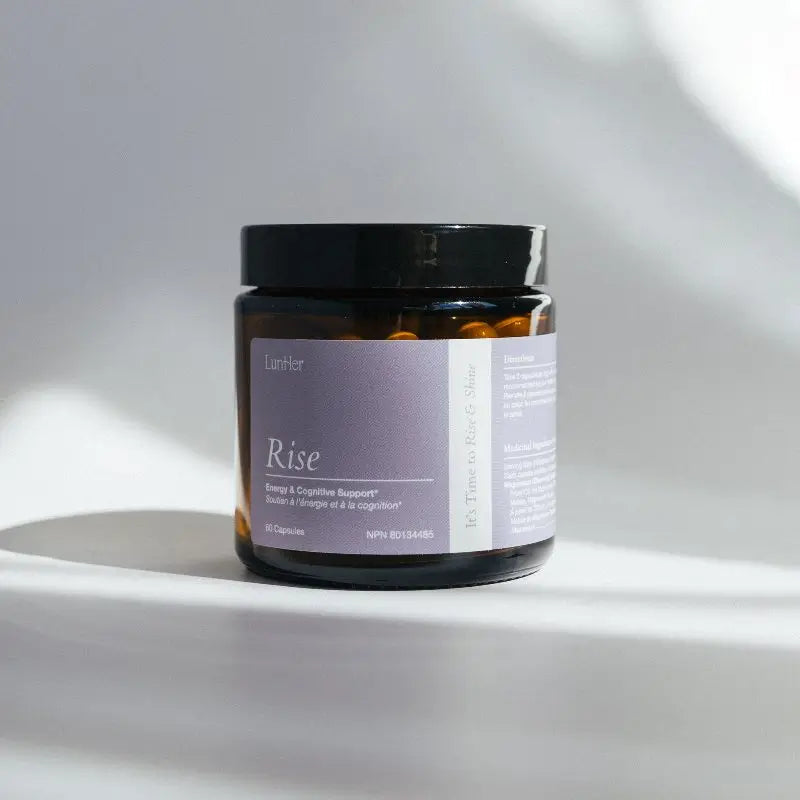
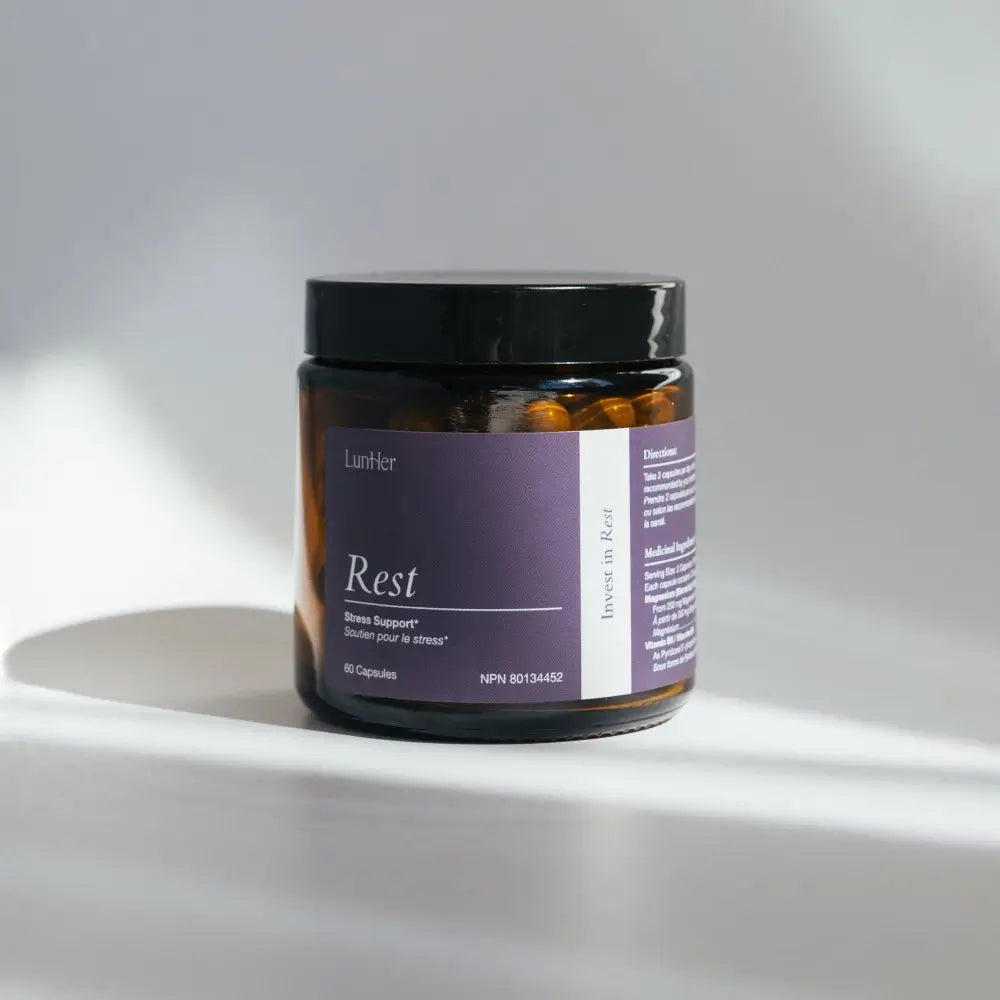
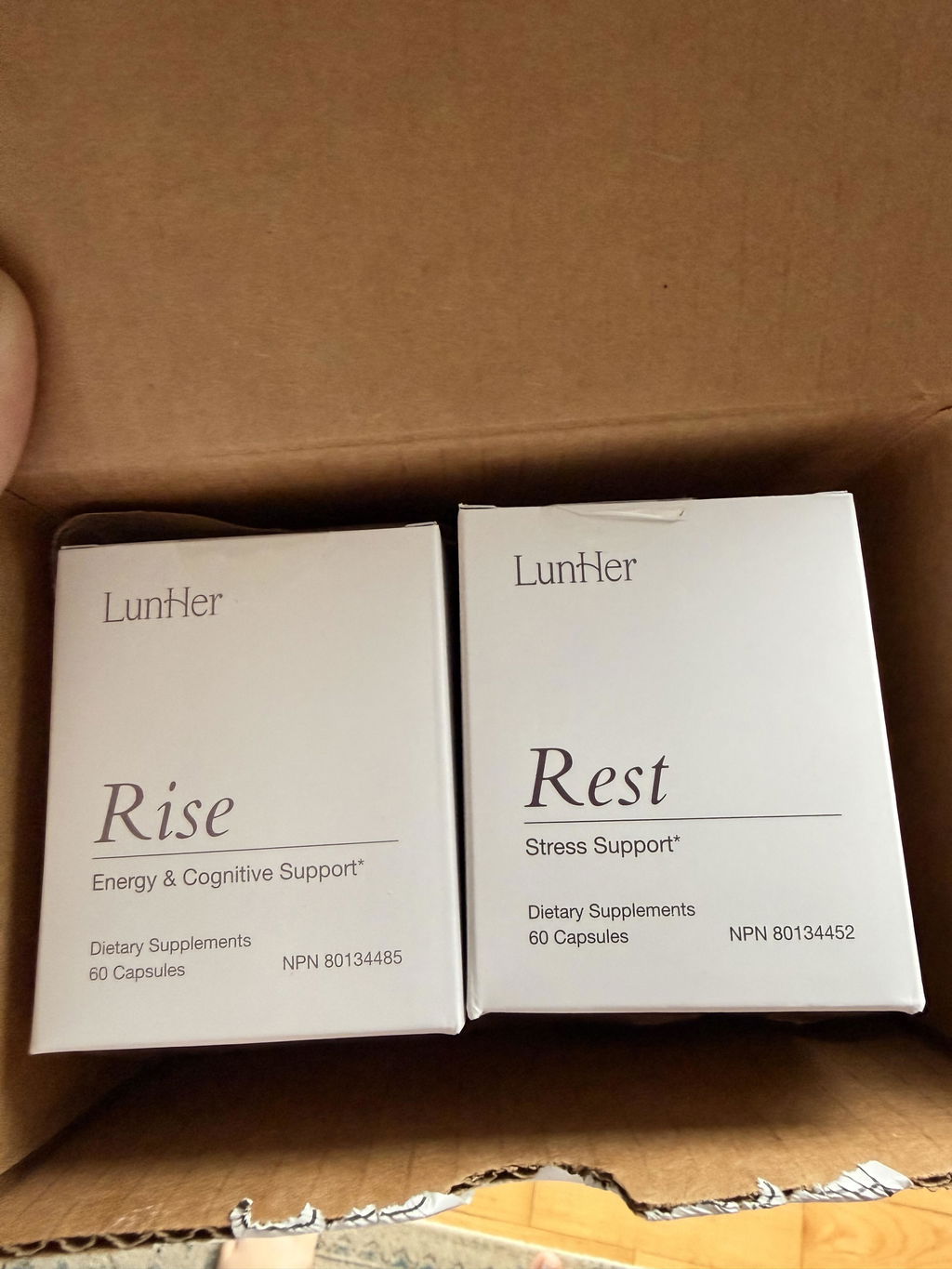
Want science-backed support for perimenopause symptoms? Our LunHer Daily Ritual Bundle contains magnesium for sleep and stress support, methylated B-vitamins for energy metabolism, and adaptogens shown to help regulate cortisol—all nutrients that become especially important during hormonal transitions. Learn more →
Key Takeaways
- Perimenopause is the transition phase before menopause, lasting 2-10 years with fluctuating hormone levels
- Symptoms include irregular periods, hot flashes, sleep disruptions, mood changes, and metabolic shifts
- Estrogen and progesterone fluctuate wildly during perimenopause before declining in menopause
- Strategic nutrition, targeted supplementation, strength training, and stress management can significantly ease symptoms
What Exactly Is Perimenopause?
Perimenopause literally means "around menopause"—it's the transitional period when your ovaries gradually produce less estrogen and progesterone, leading up to menopause (which is officially defined as 12 consecutive months without a period). Most women enter perimenopause in their 40s, though it can start as early as the mid-30s.
What makes perimenopause particularly challenging is that hormone levels don't decline steadily. Instead, they fluctuate wildly—sometimes soaring higher than normal, then plummeting. It's this hormonal roller coaster, not just the decline, that causes many of the symptoms women experience.
Research shows that perimenopause typically lasts a median of 4 years, though the range can be anywhere from 2 to 10+ years. In some cases, the transition can extend up to 14 years, with duration influenced by factors like smoking status, age at onset, and ethnicity.
The Stages of Perimenopause: Early vs. Late
Perimenopause isn't one uniform experience—it progresses through distinct stages, each with different hormonal patterns and symptoms.
Early Perimenopause
In early perimenopause, your cycles may become shorter or longer by 7+ days, but they're still relatively regular. Estrogen levels can actually spike higher than normal during this phase, while progesterone begins to decline.
Common early symptoms include:
- PMS symptoms that are worse than usual
- Heavier or lighter periods
- Breast tenderness
- Increased anxiety or irritability
- Sleep becoming less restful
Late Perimenopause
Late perimenopause is characterized by increasing cycle irregularity—you might skip one or more periods (with gaps of 60+ days), then have a regular cycle, then skip again. Both estrogen and progesterone are declining more consistently now, though estrogen can still spike unpredictably.
Late-stage symptoms often include:
- Hot flashes and night sweats
- Significant sleep disruptions
- Vaginal dryness
- More pronounced mood changes
- Noticeable metabolic changes (weight gain, especially around the midsection)
This is exactly why our LunHer Daily Ritual includes nutrients that support both phases. Magnesium for sleep quality and stress response, B-vitamins for energy and neurotransmitter production, and adaptogens to buffer hormonal fluctuations. Shop the bundle →
The Most Common Perimenopause Symptoms (And Why They Happen)
A comprehensive 2025 study of over 4,400 women found that approximately 90% seek healthcare advice for perimenopausal symptoms, with significant symptom burden reported even in women aged 30-45 years.
1. Irregular Periods
Why it happens: As your ovaries age, they don't release eggs as consistently. This means progesterone production becomes erratic (progesterone is only produced after ovulation). Without adequate progesterone, your cycle length and flow intensity can vary dramatically month to month.
2. Hot Flashes and Night Sweats
Why it happens: Declining and fluctuating estrogen affects your hypothalamus (your brain's temperature regulation center). Research shows that 75-85% of perimenopausal women experience vasomotor symptoms like hot flashes. For many, these symptoms can persist for an average of 7.4 years, with 10-20% experiencing them for a decade or more.
3. Sleep Disruptions
Why it happens: Progesterone has a calming, sleep-promoting effect. As levels decline, many women find it harder to fall asleep and stay asleep. Night sweats compound the problem. Studies show that 70-80% of perimenopausal women report sleep problems, with sleep disturbances occurring independently of hot flashes.
4. Mood Changes, Anxiety, and Irritability
Why it happens: Estrogen and progesterone influence neurotransmitter production—including serotonin, dopamine, and GABA. When these hormones fluctuate wildly, your mood regulation can suffer. A 2024 systematic review found that perimenopausal women show a 40% higher risk for depressive symptoms compared to premenopausal women, with approximately 39% experiencing depression during or after the transition.
5. Weight Gain and Body Composition Changes
Why it happens: Declining estrogen affects how and where your body stores fat, shifting storage from hips and thighs to your midsection. Estrogen also influences insulin sensitivity—as levels drop, many women develop increased insulin resistance, making it easier to gain weight and harder to lose it. Most women gain 5-15 pounds during perimenopause even without dietary changes.
6. Brain Fog and Memory Issues
Why it happens: Estrogen supports cognitive function, including memory consolidation and verbal fluency. During perimenopause, many women report difficulty finding words, forgetting things more often, and feeling mentally "fuzzy." A 2024 study confirmed that "not feeling like myself"—including cognitive changes—was one of the most commonly reported experiences in perimenopause.
7. Decreased Libido
Why it happens: Multiple factors converge—declining testosterone (yes, women need it too), vaginal dryness from lower estrogen, fatigue from poor sleep, and mood changes all contribute to reduced sexual desire and comfort during intercourse.
How to Support Your Body Through Perimenopause
While you can't stop perimenopause, you absolutely can influence how you experience it. Research shows that lifestyle interventions can reduce symptom severity by 30-50%.
1. Prioritize Protein and Strength Training
As estrogen declines, you lose muscle mass more rapidly—up to 3-8% per decade after age 30, accelerating during perimenopause. Muscle loss drives metabolic slowdown, making weight management harder.
The solution: Consume 25-35g of protein per meal (not just per day) to stimulate muscle protein synthesis. Resistance training 3-4 times per week helps maintain muscle mass, bone density, and metabolic rate. Research shows that strength training can reduce the severity of vasomotor symptoms and improve sleep quality in perimenopausal women.
2. Support Sleep with Strategic Supplementation
Sleep disruption affects nearly every other symptom—when you're not sleeping well, hot flashes feel worse, mood is more unstable, and cognitive function suffers.
The research shows: Magnesium supplementation (300-400mg before bed) improves sleep quality by supporting GABA function and regulating the stress response. A 2023 systematic review found that magnesium significantly improved sleep quality, with observational studies showing associations between higher magnesium intake and better sleep duration and quality (PMID: 35184264).
Magnesium for women during hormonal transitions →
Our LunHer Daily Ritual contains four forms of magnesium specifically chosen for their different benefits including magnesium glycinate for sleep and calm, and magnesium threonate for cognitive function.
3. Manage Blood Sugar and Insulin Sensitivity
Declining estrogen increases insulin resistance, making blood sugar management more challenging. This contributes to weight gain, energy crashes, and increased risk for type 2 diabetes.
Evidence-based strategies:
- Eat protein and fat before carbohydrates at meals to blunt glucose spikes
- Focus on fiber-rich, complex carbohydrates rather than refined sugars
- Time your largest carbohydrate intake around physical activity
- Consider inositol supplementation (2,000-4,000mg daily), which has been shown to improve insulin sensitivity
4. Address Stress and Cortisol Dysregulation
Chronic stress amplifies perimenopause symptoms. When cortisol is constantly elevated, it worsens sleep problems, increases belly fat storage, disrupts blood sugar, and intensifies hot flashes.
What helps: Adaptogenic herbs like ashwagandha and rhodiola have been shown in clinical trials to reduce cortisol levels and improve stress resilience. A 2019 randomized controlled trial found that ashwagandha supplementation significantly reduced cortisol and stress scores in adults (PMID: 31517876).
5. Support Bone Health Early
Estrogen protects bone density. As it declines, you lose bone more rapidly—women can lose up to 20% of bone density in the 5-7 years surrounding menopause. This dramatically increases osteoporosis risk.
Prevention strategies:
- Weight-bearing and resistance exercise (builds bone)
- Adequate calcium (1,000-1,200mg daily from food and supplements)
- Vitamin D (maintaining blood levels of 40-60 ng/mL)
- Vitamin K2 (directs calcium to bones rather than arteries)
- Magnesium (essential for calcium metabolism and bone formation)
6. Omega-3s for Brain Health and Inflammation
Omega-3 fatty acids (EPA and DHA) support cognitive function, mood regulation, and reduce systemic inflammation—all important during perimenopause. Research indicates that higher omega-3 intake is associated with fewer depressive symptoms and better cognitive performance during the menopausal transition.
Recommended intake: 1,000-2,000mg combined EPA and DHA daily from fish oil or algae-based supplements.
Ready to support your hormonal transition with nutrition that actually works? Our LunHer Daily Ritual Bundle was formulated specifically for women navigating perimenopause and menopause—with optimal doses of magnesium for sleep and calm, methylated B-vitamins for energy and mood, and adaptogens to buffer stress. All in bioavailable forms your body can actually use. Shop now →
When to See a Doctor About Perimenopause Symptoms
While perimenopause is a natural transition, certain symptoms warrant medical evaluation:
- Heavy bleeding that soaks through a pad or tampon every hour, or periods lasting longer than 7 days
- Severe mood changes that interfere with work, relationships, or daily functioning
- Debilitating hot flashes that significantly impact quality of life
- New or worsening anxiety or depression
- Extreme fatigue that doesn't improve with rest
- Cognitive changes that feel more severe than typical "brain fog"
Your doctor can:
- Confirm perimenopause through symptom assessment and menstrual pattern changes (hormone testing is often less reliable due to fluctuations)
- Rule out other conditions (thyroid disorders, anemia, vitamin deficiencies)
- Discuss hormone replacement therapy (HRT) if appropriate
- Screen for conditions that become more common during this transition (cardiovascular disease, osteoporosis, diabetes)
Frequently Asked Questions About Perimenopause
Can I still get pregnant during perimenopause?
Yes! While fertility declines significantly during perimenopause, ovulation can still occur sporadically. If you don't want to become pregnant, continue using contraception until you've gone 12 consecutive months without a period (the official definition of menopause). Unintended pregnancy rates in women over 40 are higher than many realize.
Is hormone replacement therapy (HRT) safe?
Current research shows that HRT can be safe and beneficial for many women, especially when started during perimenopause or early menopause (within 10 years of final period and before age 60). HRT effectively treats hot flashes, prevents bone loss, and may have cardiovascular and cognitive benefits. However, only 1.8-5% of women currently use HRT despite 70-80% experiencing symptoms severe enough to warrant treatment. Discuss your personal risk factors with your healthcare provider.
Why didn't my doctor mention perimenopause?
Unfortunately, many healthcare providers receive minimal training on perimenopause and menopause, with 80% of OB/GYNs reporting they are untrained in menopause care. Some dismiss symptoms as "just stress" or "part of aging." If your provider isn't taking your symptoms seriously, consider seeking a practitioner who specializes in women's health or menopause medicine.
Can perimenopause cause weight gain even if I haven't changed my diet or exercise?
Absolutely. Declining estrogen alters metabolism, changes where fat is stored, and can increase insulin resistance—all of which make weight gain more likely even with the same calorie intake. Most women gain 5-15 pounds during perimenopause. The key is adjusting nutrition and strength training to support your changing metabolism rather than fighting against it.
How is perimenopause diagnosed?
Perimenopause is primarily diagnosed based on symptoms and menstrual pattern changes in women of the appropriate age (typically 40s). Blood tests for FSH and estrogen can support the diagnosis, but because hormone levels fluctuate so dramatically during perimenopause, a single test may not be definitive. Your menstrual history and symptom pattern are often more informative.
The Bottom Line
Perimenopause can feel isolating, especially when symptoms disrupt your daily life and most people around you don't understand what you're experiencing. But here's the truth: millions of women are going through this right now, and there are evidence-based strategies that genuinely help.
You don't have to accept severe symptoms as inevitable. With the right nutrition, targeted supplementation, appropriate exercise, and stress management, you can navigate this transition with more energy, better sleep, stable moods, and maintained metabolic health.
If you're struggling with perimenopause symptoms, know that support is available—from healthcare providers who specialize in this area, from evidence-based supplements designed for hormonal transitions, and from a growing community of women who refuse to suffer in silence.
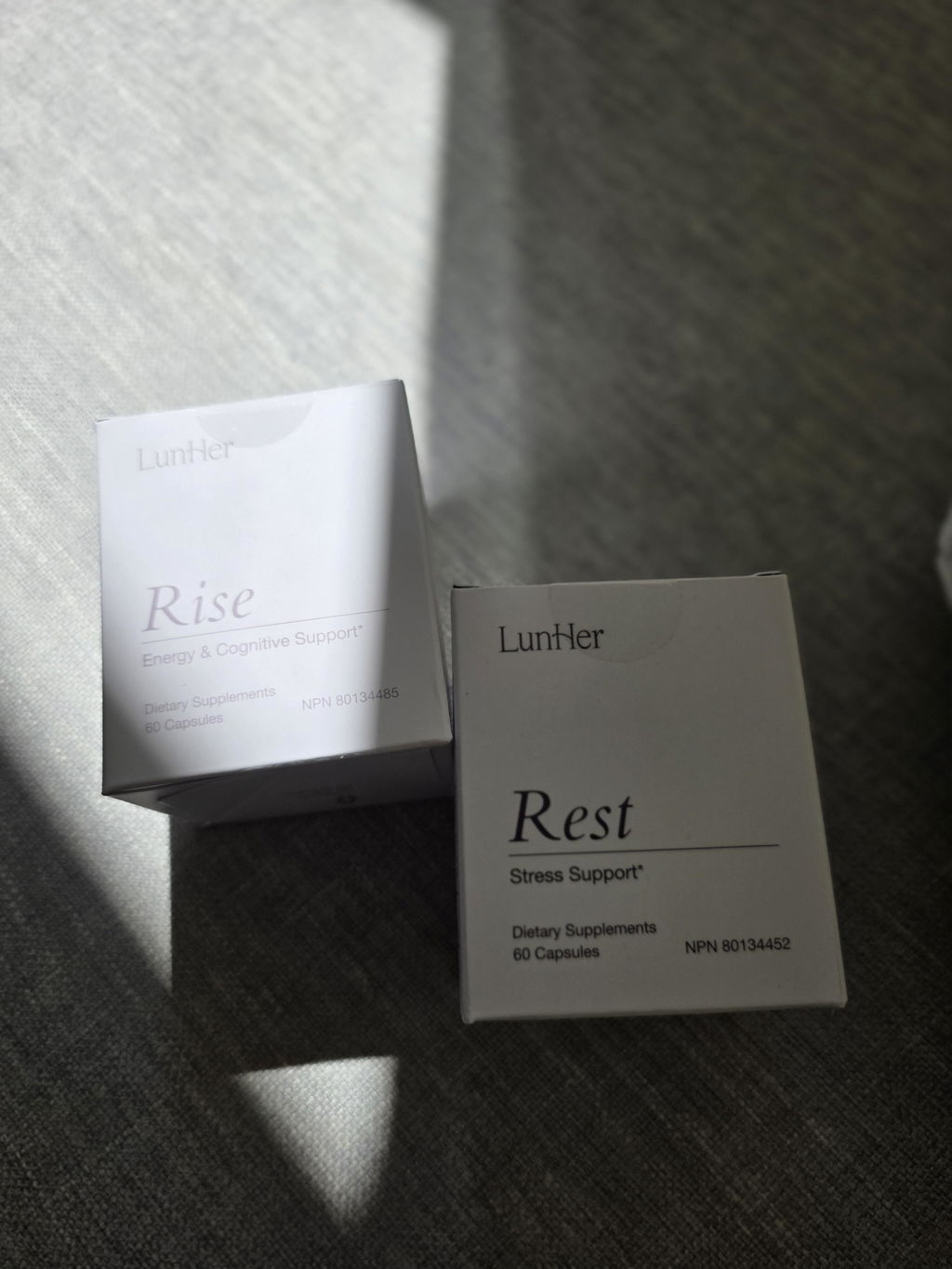
Ready to take control of your perimenopause journey? Our LunHer Daily Ritual Bundle provides comprehensive nutritional support specifically designed for women in hormonal transition—with clinical doses of magnesium, methylated B-vitamins, and adaptogens that address the root causes of perimenopause symptoms. Join thousands of women who've found relief. We offer a 60-day money-back guarantee. Start your journey →
P.S. Feeling overwhelmed by perimenopause symptoms and not sure where to start? You're not alone, and you don't have to figure this out by yourself. Our Daily Ritual Bundle contains every key nutrient discussed in this article in their most bioavailable forms at clinically studied doses. No guessing, no complicated protocols—just clean, science-backed support for your changing body. Explore the bundle →
This article is for informational purposes only and not a substitute for professional medical advice. Consult your healthcare provider before starting any supplement regimen, especially if pregnant, nursing, or taking medications. All scientific claims are supported by peer-reviewed research as indicated by PMID citations.
References
This article is supported by recent peer-reviewed research including:
- PMID: 35184264 - Arab et al., 2023, Biological Trace Element Research (Magnesium and sleep systematic review)
- PMID: 31517876 - Salve et al., 2019, Medicine (Ashwagandha and cortisol)
- Nature npj Women's Health, 2025 - Cunningham et al., perimenopause symptoms survey of 4,432 US women
- Additional research from PMC (Perimenopause: From Research to Practice), Management of the Perimenopause, BJPsych Bulletin on perimenopause and mental health, and other leading medical journals on menopausal transition and hormonal health




,%20you're%20no...)