



How to Regulate Your Nervous System After Burnout
Written by Our Editorial Team & Medically Reviewed by Dr. Aisling Lanigan, N.D.
If you have been running on empty for so long that exhaustion feels like your baseline, you have probably been told to try harder. Sleep more. Stress less. Just relax. As if the thing flattening you were a discipline problem you could push your way out of. It is not.
Burnout is a nervous system state, not a willpower failure. And that is actually good news, because a nervous system responds to signals, not shame. Below is a realistic, science-led look at how to regulate your nervous system after burnout: what regulation really means, the tools that genuinely help, and how long it honestly takes.
Why is burnout a nervous system problem and not a willpower problem?
Burnout is a nervous system stuck in survival mode, not a character flaw. Months of unrelenting stress keep your stress response switched on until it depletes, so you feel wired and exhausted at once. That is physiology, not weakness, and it responds to support and recovery, not more discipline.
Your autonomic nervous system has two main gears. The sympathetic branch is the accelerator, the fight-or-flight response that floods you with cortisol and adrenaline. The parasympathetic branch is the brake, the rest-and-digest state where your body repairs and sleeps deeply. In a healthy system, you move between them all day: rev up for a deadline, then settle afterward.
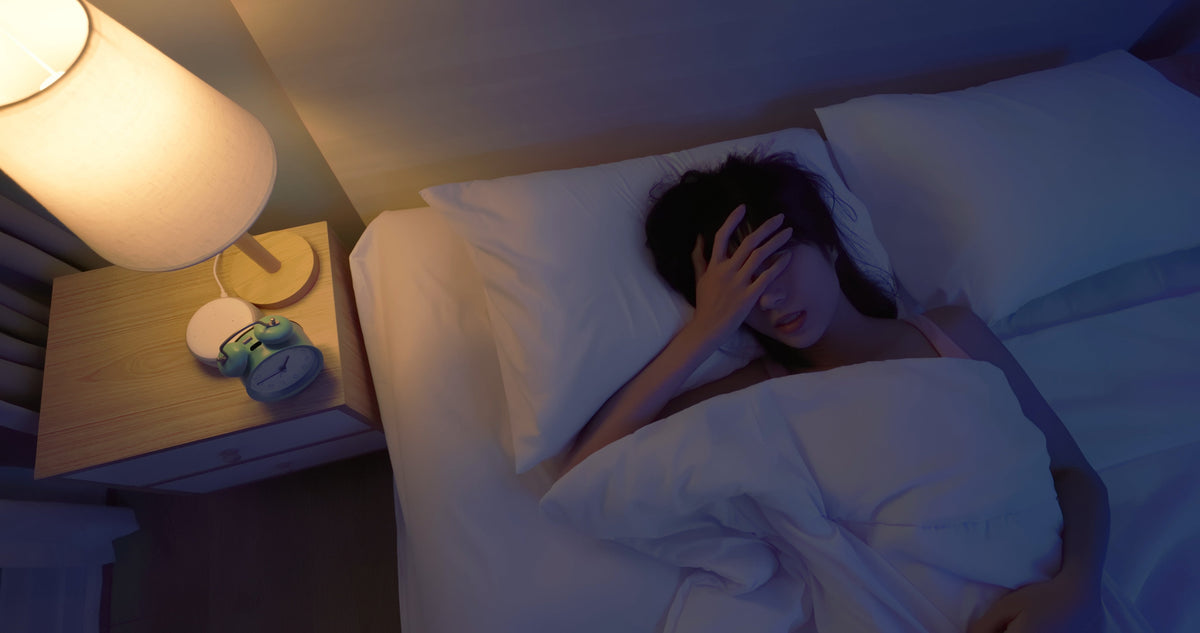
Burnout is what happens when the accelerator gets stuck. The stress never fully clears, so your body stops returning to rest, the system depletes, and you land in the wired-and-tired paradox: too activated to relax, too drained to function. If that is familiar, it is why you can be wired but tired and still unable to fall asleep despite being bone-tired.
What does it actually mean to regulate your nervous system?
Regulating your nervous system means helping it move flexibly between stress and rest instead of getting stuck on high alert. It is not about staying calm forever. A regulated system can rev up when you need it, then settle back down afterward. After burnout, you are rebuilding that ability to come back down.
This is where a lot of wellness advice gets it wrong. The goal is not a permanently zen, stress-free life, which does not exist and would not be useful anyway. You need your stress response. The goal is flexibility: an accelerator that works and a brake that works, so activation is followed by real recovery. Regulation is the return trip, not the absence of stress.
Practically, that means you are not chasing a single magic technique. You are sending your body the same message, over and over, through ordinary daily habits: you are safe, you can stand down now. Repeated often enough, those signals retrain a depleted system to find its way back to rest.
How do you regulate your nervous system after burnout?
You regulate your nervous system by giving it repeated, daily signals of safety: consistent sleep and wake times, morning daylight, slow breathing, gentle movement, steady blood sugar, and the nutrients your stress response runs on. No single habit resets you. It is small, boring consistency that teaches your body it can stand down.
Here is the toolkit, roughly in order of impact. You do not need to do all of it at once. Start with sleep and light, add the rest as you have capacity, and let consistency do the heavy lifting.
1. Protect sleep and keep a consistent wake time
Sleep is where your nervous system does its deepest repair, so it is the foundation everything else is built on. The single most powerful lever is a consistent wake time, even on weekends. Waking at the same hour anchors your body clock, which in turn steadies your cortisol rhythm so it peaks in the morning and falls at night the way it should.
After burnout, your sleep is often fragmented and unrefreshing rather than simply short: you wake repeatedly, or sleep a full night and still wake exhausted. Regular wake times, a wind-down hour without screens, and a cool, dark room all help your body relearn deep, restorative sleep instead of the shallow, guarded kind.
2. Get daylight in your eyes early
Morning light is one of the cheapest, most effective regulation tools there is. Getting daylight into your eyes within an hour or two of waking sets your circadian clock, which governs your cortisol curve, your energy, and your sleep that same night. Ten to twenty minutes outside, no sunglasses, is enough to matter.
You do not need direct sun. Even an overcast morning is many times brighter than indoor lighting. If you can pair it with a short walk, you stack two regulating signals at once: light and gentle movement. This is the closest thing to a free nervous system reset that exists.
3. Use slow breathing and the physiological sigh
Breath is the fastest direct line to your nervous system, because a long exhale physically signals your body to shift toward rest mode. When you slow and lengthen your out-breath, you nudge the parasympathetic brake, and your heart rate and stress response follow within a minute or two.
The physiological sigh is the most reliable in-the-moment tool: two inhales through the nose, one on top of the other, then a long, slow exhale through the mouth. Repeat a few times. It is not woo, it is mechanics, and it works when your mind is too busy for anything more elaborate than breathing.
4. Build vagal tone with small daily habits
Your vagus nerve is the main pathway of the rest-and-digest brake, and "vagal tone" is a measure of how well your body can switch it on. Higher tone means you recover from stress faster. You build it gradually through simple, repeatable practices, not one dramatic intervention.
The practices are refreshingly ordinary: slow breathing, humming or singing, a splash of cool water at the end of a shower, unhurried time with people you feel safe around, and slow movement like walking or stretching. Pick one or two you will actually do, and treat them as reps for your recovery system.
5. Move without punishing workouts
Movement helps regulate your nervous system, but during burnout recovery the type matters more than the intensity. Large population data shows more exercise is not always better for mental health. Punishing workouts are another stressor on an already depleted system, while gentle, regular movement gives your body the benefits without adding to the load.
Walking, easy cycling, yoga, mobility work, and light strength training all count. The aim is to feel more resourced afterward, not wrecked. If a workout leaves you shaky or unable to sleep, that is your nervous system telling you it was too much for now.
6. Keep your blood sugar steady
Blood sugar swings read as stress to your body. When you skip meals or run on coffee and carbs, the resulting crashes trigger cortisol and adrenaline to bring your glucose back up, which piles more activation onto an already stretched stress response and can worsen the shakes, anxiety, and 3am wake-ups.
Steady it with unremarkable habits: eat protein at breakfast instead of a caffeine-only start, do not go too long without food, and pair carbohydrates with protein, fat, or fiber so the rise is gentler. Fewer glucose spikes means a calmer baseline for your nervous system to work from.
7. Give your body the nutrient foundations it runs on
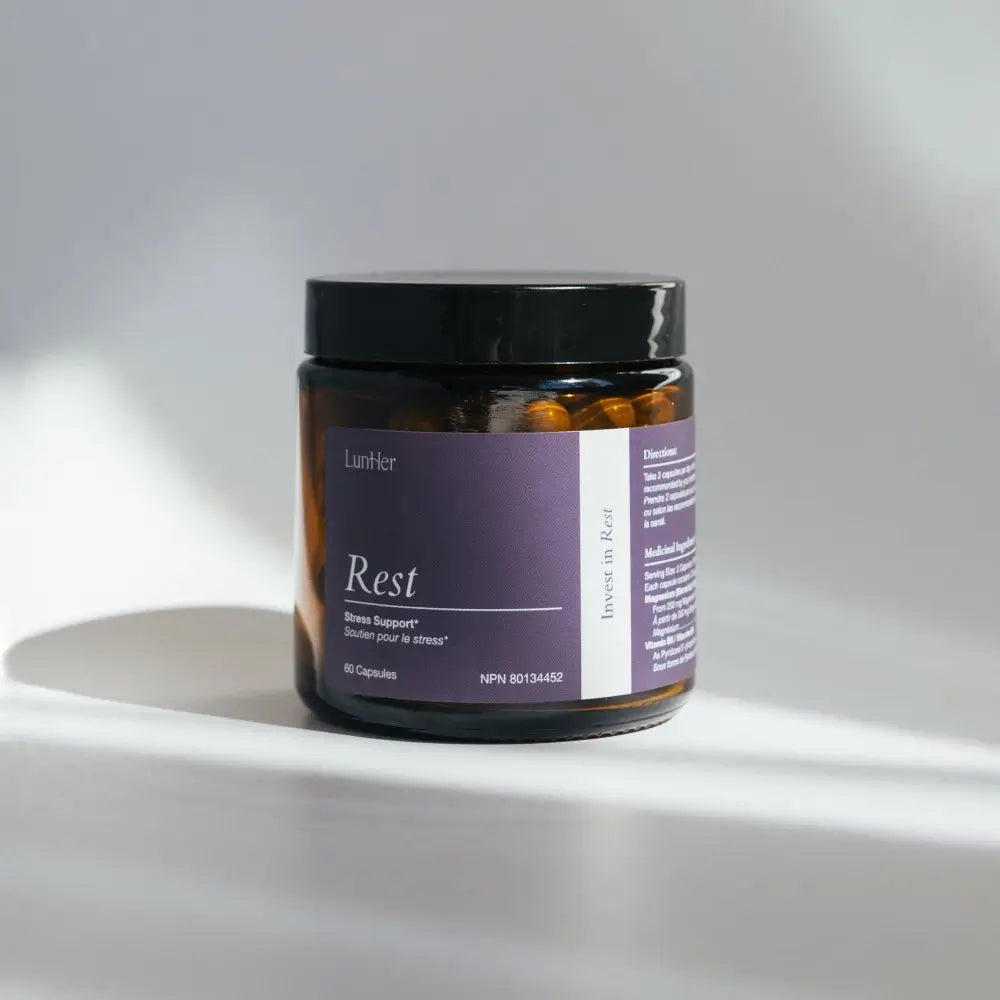
A depleted nervous system also needs raw materials. Chronic stress draws down key nutrients your body uses to run the stress response and produce calming signals, and everyday eating does not always keep up. Two of the most relevant are magnesium, which supports calming and sleep, and the B vitamins, which support energy metabolism and nervous system function.
This is a support layer underneath the habits above, not a substitute for them. Food comes first, and the form and dose of any supplement matter more than most labels admit. For a deeper, honest look at what actually helps here, see our guide to nervous system support supplements and always talk to your doctor before adding anything new.
What does a realistic nervous system recovery timeline look like?
Recovery unfolds over weeks and months, not days. Sleep usually steadies first, in the first week or two. Around days 10 to 20 comes a doubt window where progress feels invisible. By week four to six, energy and focus start to compound. Give your system a full season, not a weekend.
The invisible middle is the part almost no one warns you about, and it is where most people give up. Your sleep improves before your energy does, so there is a stretch where you feel like nothing is working even though your body is quietly replenishing underneath. The progress is happening on the days you cannot feel it. That is not a sign to quit; it is the normal shape of recovery. We map the week-by-week version in detail in our burnout recovery timeline, and expecting the middle makes it far easier to keep going through it.
When should you get professional help for a dysregulated nervous system?
Get professional help if your symptoms are severe or worsening, if exhaustion or low mood make daily life hard to manage, or if you have thoughts of harming yourself. A doctor or therapist can rule out other conditions and build a plan with you. Regulation tools support recovery; they do not replace care.
Burnout can overlap with, or mask, other conditions: thyroid issues, anemia, depression, anxiety, and more. If your symptoms are not easing with the basics, or if they are frightening you, that is a reason to see someone, not a sign you have failed at self-care. You do not have to sort this out alone, and asking for help early tends to make recovery shorter, not longer.
What are the most frequently asked questions about regulating your nervous system?
The most common questions are how to tell if your nervous system is dysregulated, how long regulation takes, whether it is possible while working full time, whether supplements help, and the fastest way to calm down in the moment. Short, honest answers to each are below.
How do I know if my nervous system is dysregulated?
Common signs are feeling wired and exhausted at the same time, sleep that does not restore you, waking at 3am, brain fog, a short fuse, and a body that never fully relaxes. If small stressors feel huge and you cannot switch off even when nothing is wrong, your stress response is likely stuck on.
How long does it take to regulate your nervous system?
There is no overnight reset. Sleep often steadies in the first week or two, days 10 to 20 can feel like a doubt window, and energy and focus tend to compound around weeks four to six. Deeper regulation builds over a few months of consistent daily signals of safety, not a single weekend of rest.
Can you regulate your nervous system while still working full time?
Yes. You do not need to quit your job or escape to a retreat. Regulation is built from small, repeatable signals of safety woven into a normal day: a consistent wake time, morning light, a few slow breaths between meetings, a real lunch, and protected sleep. Consistency matters more than intensity.
Do supplements help regulate the nervous system?
Supplements do not regulate your nervous system on their own, but they can supply raw materials a depleted stress response runs on, like magnesium and B vitamins. Think of them as support underneath your sleep, light, breath, and movement work, never a replacement for it. Talk to your doctor before starting anything new.
What is the fastest way to calm your nervous system in the moment?
The quickest tool is a longer exhale. Try a physiological sigh: two inhales through the nose, then a slow, extended exhale through the mouth, repeated a few times. A long exhale nudges your body toward rest mode within a minute or two. It calms the moment; lasting regulation still comes from daily habits.
Ready to support your nervous system recovery?
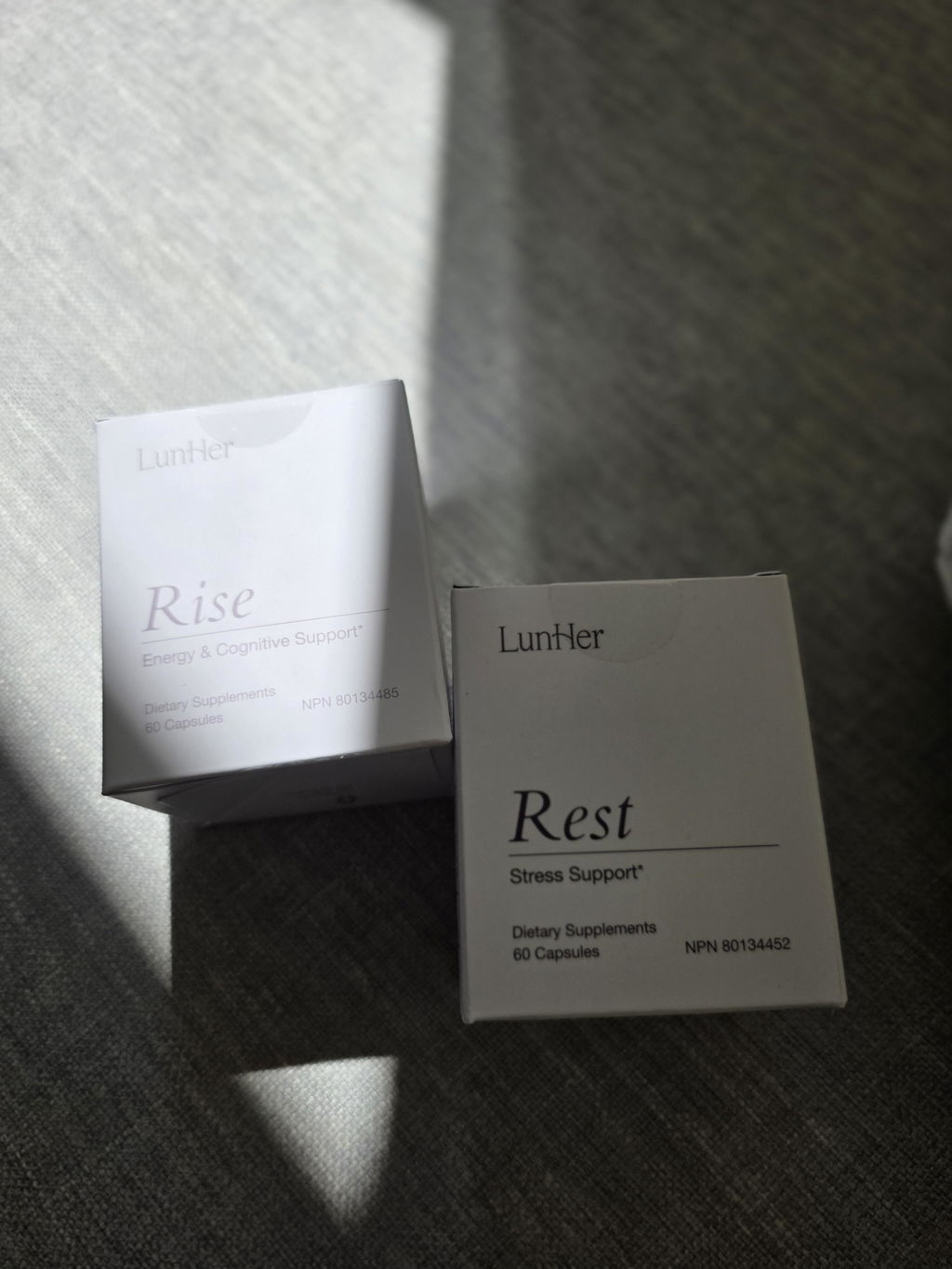
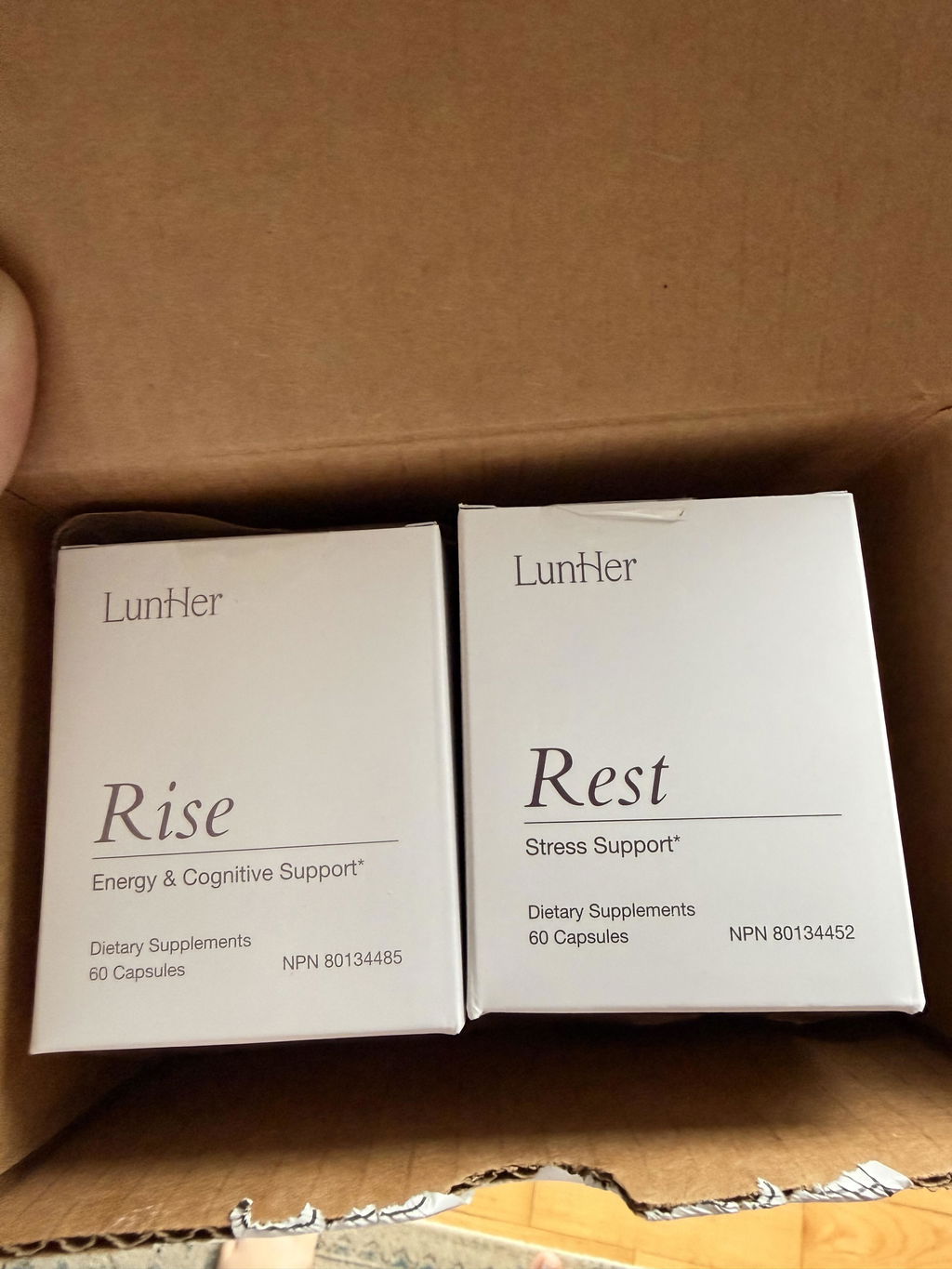
LunHer's Daily Ritual Bundle was built for women rebuilding after burnout. Rise supports steadier daytime energy and focus, Rest supports deep, restorative sleep, and together they support your nervous system morning and night, underneath the sleep, light, and breath work above. In our 8-week self-reported observational study of 40 women, 87% said they felt like themselves again.
The information in this article is for general educational purposes only and is not intended to replace consultation with a qualified healthcare professional. Always consult a doctor or naturopath before starting any supplement, particularly if taking medications or managing a health condition. LunHer products are not intended to diagnose, treat, cure, or prevent any disease.