



Perimenopause Fatigue: Why Your Energy Changed in Your 40s
Key takeaways
- Perimenopause fatigue is real and mechanistic: sleep disruption rises measurably through the transition while hormone swings raise stress reactivity.
- The fatigue compounds because broken nights, a hotter-running nervous system, and the most loaded decade of life all arrive together.
- Rule out the testable causes first: thyroid, iron, vitamin D, sleep apnea, and mood.
- Sleep consistency, a cool room, strength training, and protein carry the most weight; hormone therapy is a legitimate conversation for severe symptoms.
- Magnesium and B6 have honest, modest evidence for sleep and stress support, strongest when your baseline is depleted.
Somewhere in your 40s, the math stopped working. The same life, the same sleep hours on paper, and yet you are running on a fraction of the energy you used to take for granted, wondering if this is just who you are now.
It is not a character change, and it is not in your head. The years leading up to menopause, the stage clinicians call perimenopause, come with measurable changes to sleep and stress physiology, and fatigue is one of the most common ways they show up. This piece walks through why it happens and what genuinely helps, without pretending any single fix carries it all.
What is perimenopause, exactly?
Perimenopause is the transition stage before menopause, when cycles become irregular and hormones swing rather than decline smoothly. It is formally defined in the STRAW+10 staging system clinicians use, it commonly begins in the mid-40s, and it can run for several years before periods stop entirely (PMID: 22344196).
The swinging matters more than the declining. Estrogen in perimenopause does not simply fade; it spikes and drops unpredictably while progesterone trends down, and your sleep, temperature regulation, and stress reactivity all take direction from those hormones. If you want the fuller map of the stage itself, our perimenopause guide covers it, and the perimenopause versus menopause explainer settles the definitions.
Why does perimenopause drain your energy?
Three drivers stack on each other. The first is sleep: the transition measurably disrupts it. The second is the hormone swing itself, which raises stress reactivity in a nervous system that now recovers more slowly. The third is timing, because this stage tends to arrive in the most loaded decade of a woman's life.
The sleep evidence is the firmest. In the SWAN cohort, a large multi-ethnic community study, difficulty sleeping rose through the menopausal transition, with women in late perimenopause reporting substantially more sleep trouble than premenopausal women (PMID: 18652093). An earlier community survey found the same pattern: sleep difficulty climbs as the transition progresses (PMID: 12544673). Night sweats do some of the damage, and they have a cruel habit of clustering in the early morning hours when sleep is lightest. If you are waking at the same dark hour most nights, our piece on 3am waking explains that mechanism.
Then comes the compounding. Broken sleep leaves your nervous system running hotter the next day, which makes the next night more fragile, and the loop tightens. Layer in the careers, teenagers, aging parents, and invisible logistics that this decade tends to hold, and the recovery time that used to absorb all of it quietly disappears. The fatigue is the arithmetic of all three, not a personal failing.
Could it be something other than perimenopause?
Yes, and this is the paragraph worth acting on. Fatigue in your 40s has a short list of common, testable causes that deserve ruling out before anything gets attributed to hormones: thyroid conditions, which become more common in women through midlife, iron deficiency, low vitamin D through Canadian winters, sleep apnea, and depression, which can wear fatigue as its main symptom.
A single blood panel and an honest conversation with your doctor covers most of that list. Perimenopause and these conditions also overlap freely, so finding one does not rule out the other. The point is not to dismiss the transition; it is to make sure something fixable is not hiding behind it.
What actually helps perimenopause fatigue?
Start at the sleep end, because it moves everything downstream. Consistent sleep and wake times, a genuinely cool room, alcohol earlier and less often, and a wind-down that your nervous system can rely on all target the fragile early-morning hours where transition sleep breaks. None of it is glamorous, and all of it compounds.
Daytime, the two interventions with the best payoff for midlife energy are strength training and adequate protein, which push back on the muscle loss that quietly makes everything cost more effort. And if symptoms are severe, hot flashes especially, hormone therapy is a legitimate, evidence-based conversation to have with your provider rather than a last resort to be ashamed of. If your version of this stage feels less like sleepiness and more like being wired but tired, the nervous system angle deserves attention alongside the hormonal one.
Can supplements help, honestly?
Modestly, and mostly by refilling what a stressed midlife baseline runs short of. Roughly half the population eats less magnesium than required (PMID: 22364157), and magnesium has real if modest sleep evidence: faster sleep onset in a meta-analysis of trials (PMID: 33865376), and improved insomnia scores with magnesium bisglycinate in a 2025 randomized trial, clearest in people whose dietary intake was low (PMID: 40918053).
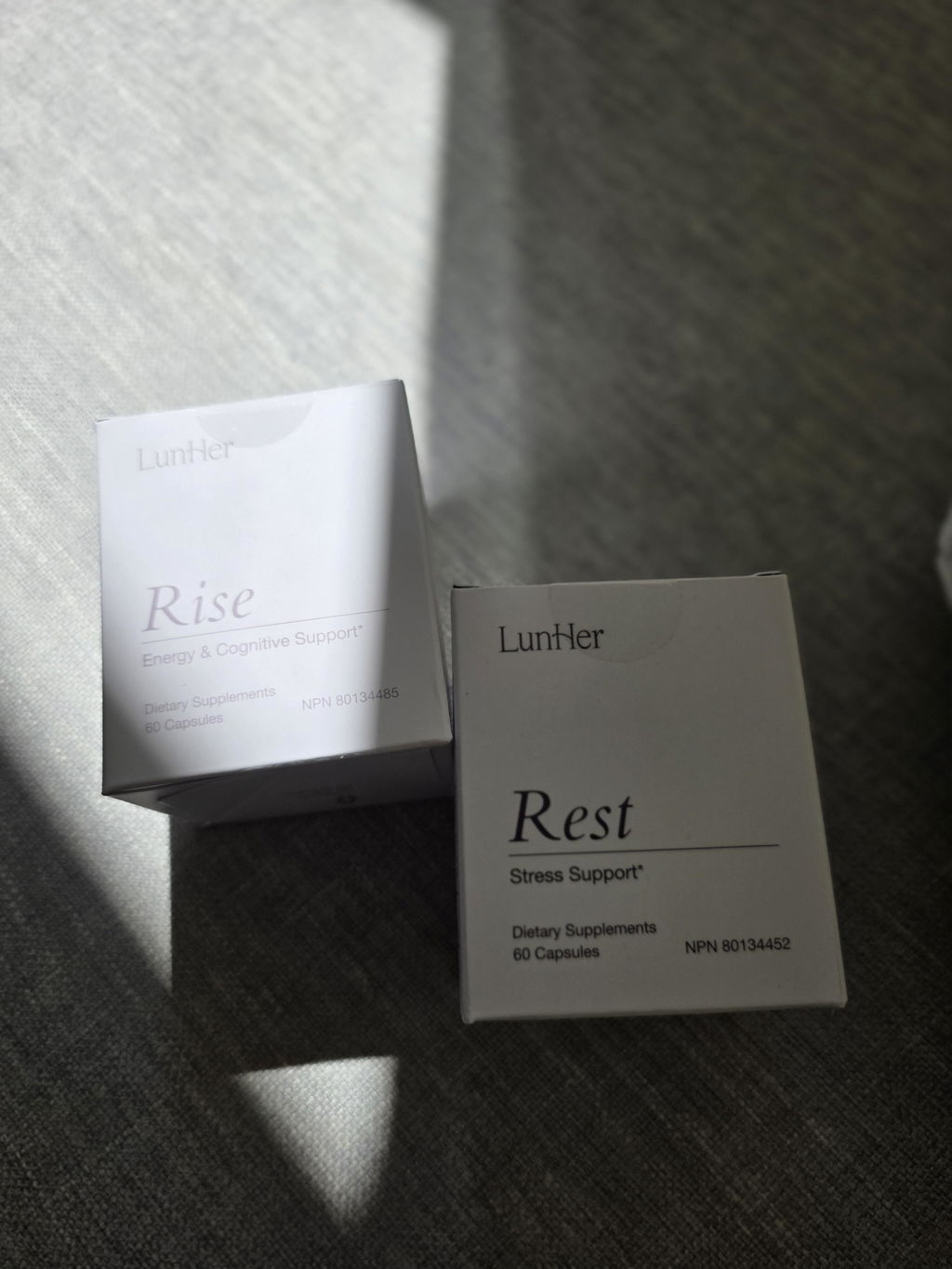
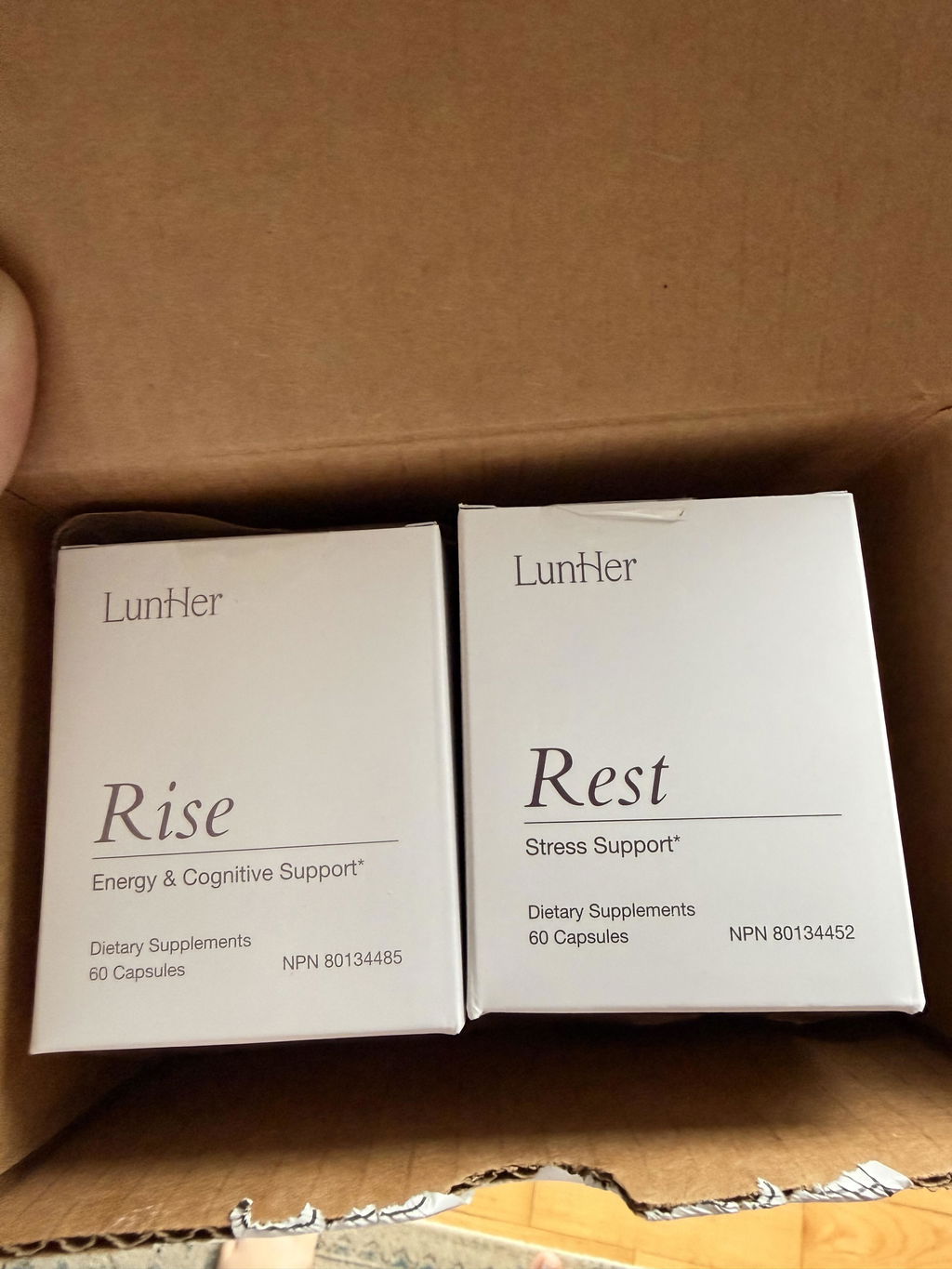
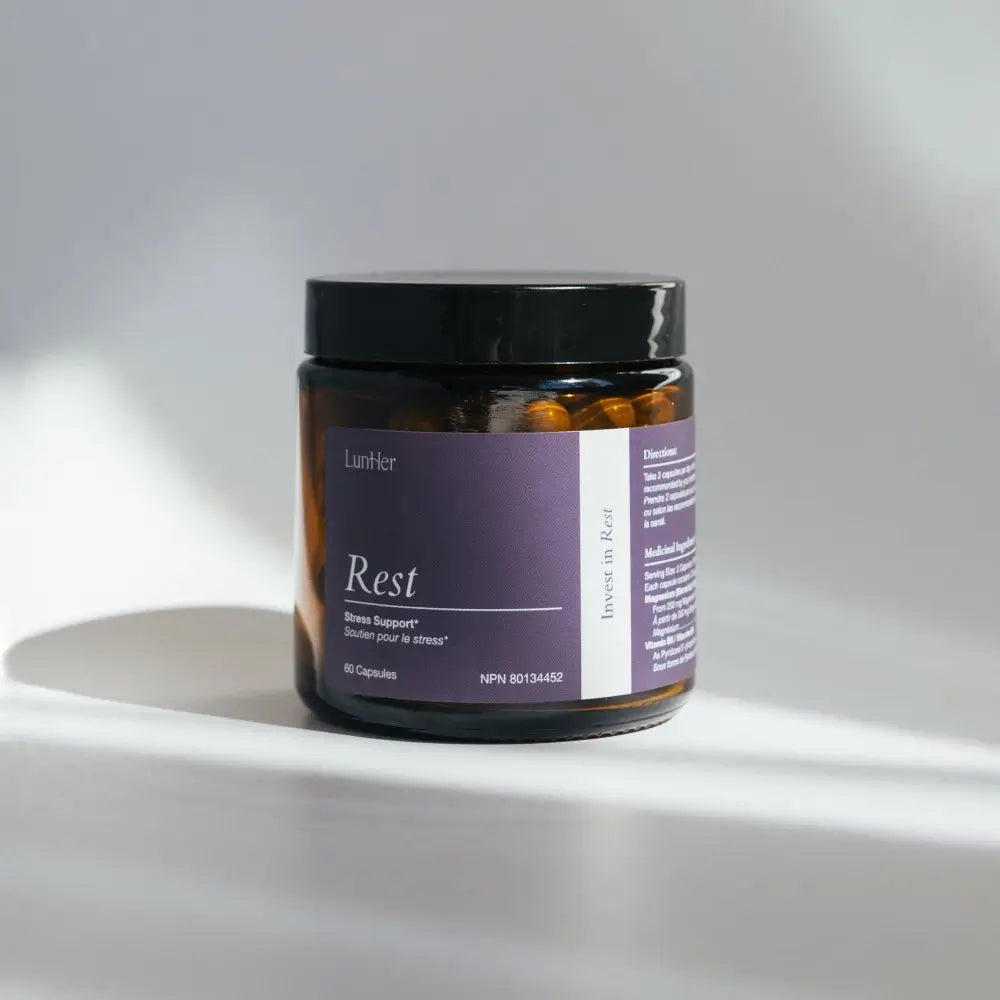
Magnesium paired with vitamin B6 also outperformed magnesium alone in severely stressed adults in an eight-week randomized trial (PMID: 30562392), which is the pairing logic inside Rise and Rest: well-absorbed magnesium forms and active B vitamins split across morning and night to support a depleted nervous system. What supplements will not do is override the transition itself, and we would rather say that than borrow the trend-speak. They support the sleep and stress floor while the bigger levers do the structural work.
This article is for general education and is not a substitute for medical advice. Persistent or severe fatigue deserves assessment by your healthcare provider.